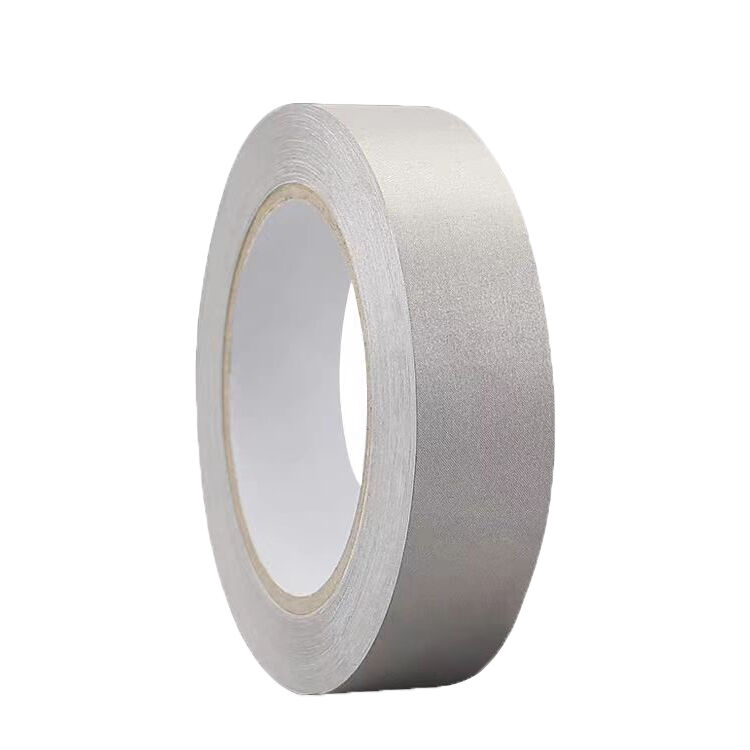
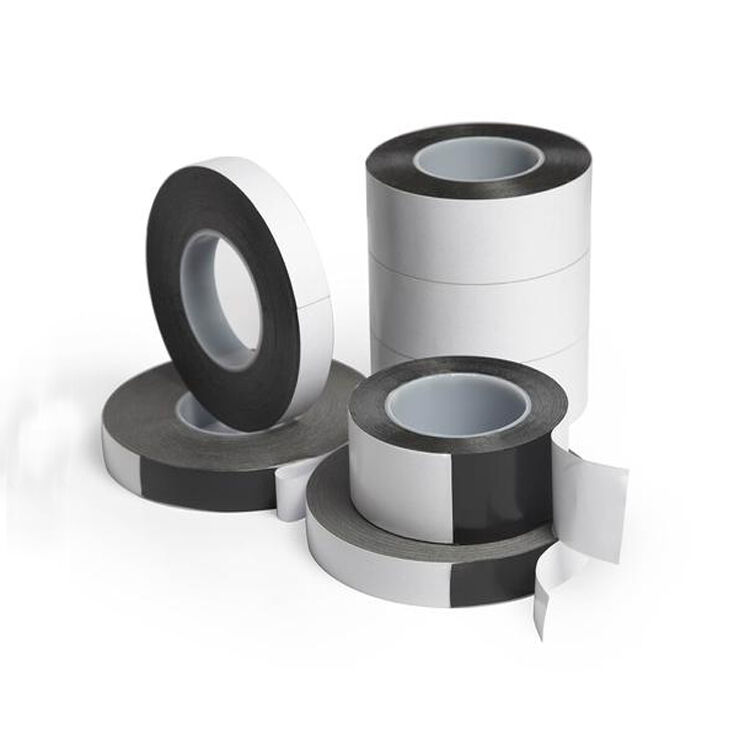
Instant Application Efficiency That Transforms Productivity
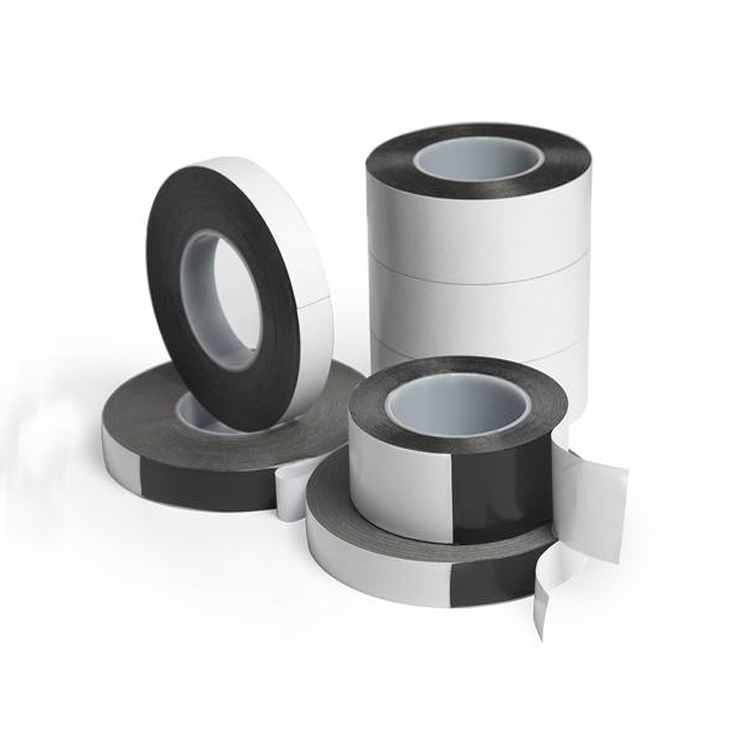
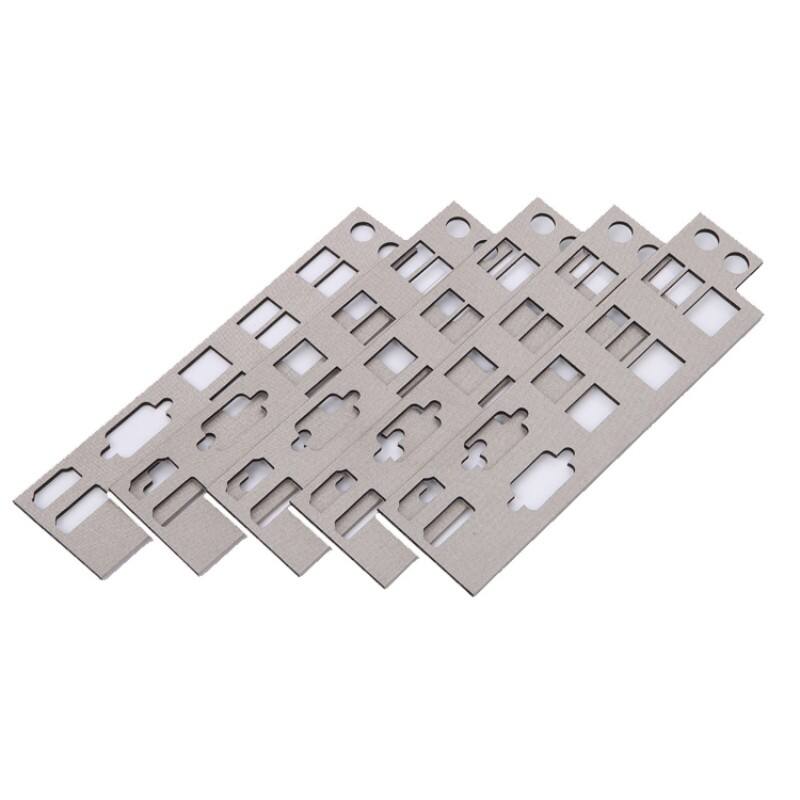
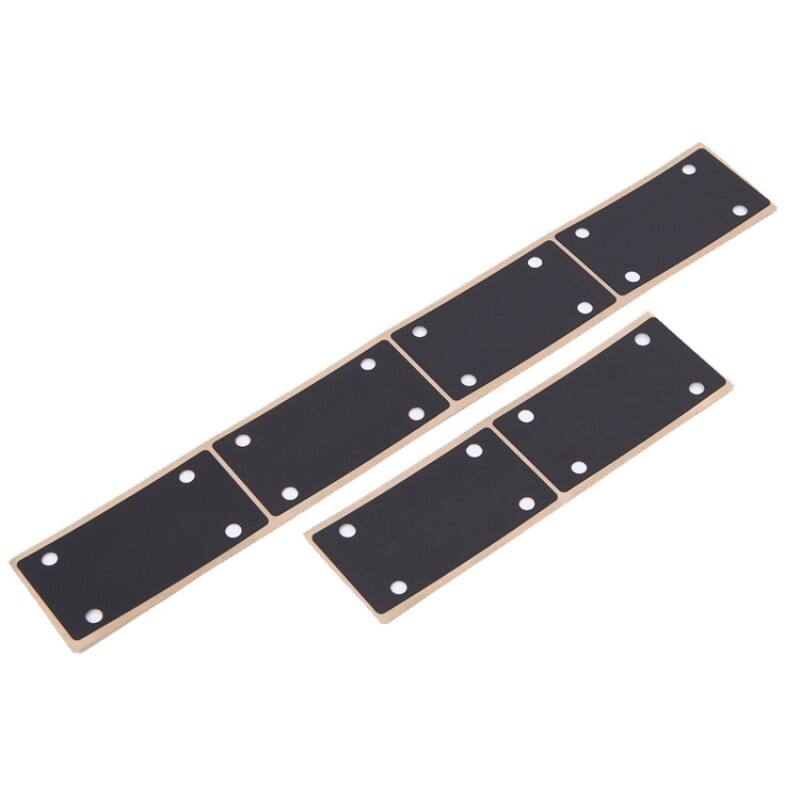
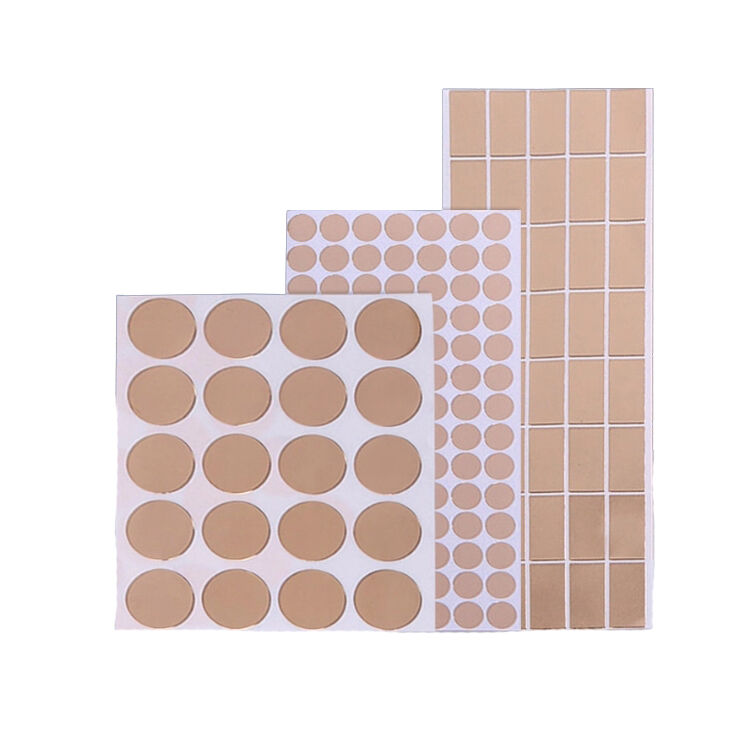
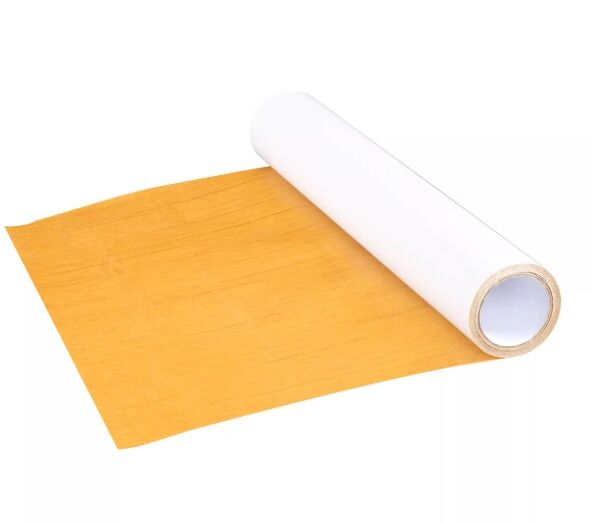
The remarkable ease of application that characterizes double-sided tape revolutionizes workflow efficiency in ways that traditional bonding methods simply cannot match. Unlike liquid adhesives that require surface preparation, mixing, application equipment, and curing time, double-sided tape delivers immediate results through a simple peel-and-stick process that requires no specialized training or equipment. This streamlined application method eliminates multiple process steps, reducing installation time by up to seventy-five percent compared to conventional bonding techniques. Workers can achieve professional results immediately, without waiting for cure cycles or dealing with temperature and humidity restrictions that limit the use of other adhesive systems. The precision possible with double-sided tape application allows for exact positioning and repositioning before final commitment, reducing material waste and rework costs. Pre-cut sizes and custom die-cutting options enable perfect fit applications that eliminate trimming and reduce installation time even further. The clean application process eliminates the mess associated with liquid adhesives, reducing cleanup time and preventing contamination of surrounding areas or finished surfaces. No mixing ratios, pot life concerns, or application equipment cleaning requirements streamline the entire process from start to finish. The ability to apply double-sided tape in any orientation, including overhead installations, provides flexibility that liquid adhesives cannot offer. Immediate handling strength allows work to continue without delay, improving overall project scheduling and resource utilization. The consistent thickness of double-sided tape ensures uniform bond lines and predictable performance, eliminating the variables that affect liquid adhesive applications. Quality control becomes simplified since visual inspection can immediately identify proper application, unlike subsurface adhesive systems that may hide application defects. Training requirements are minimal, allowing personnel to become proficient quickly and reducing the specialized labor costs associated with complex bonding procedures. These efficiency gains compound across large projects, resulting in substantial time and cost savings that improve project profitability and completion schedules.







 EN
EN