custom die-cut parts factory
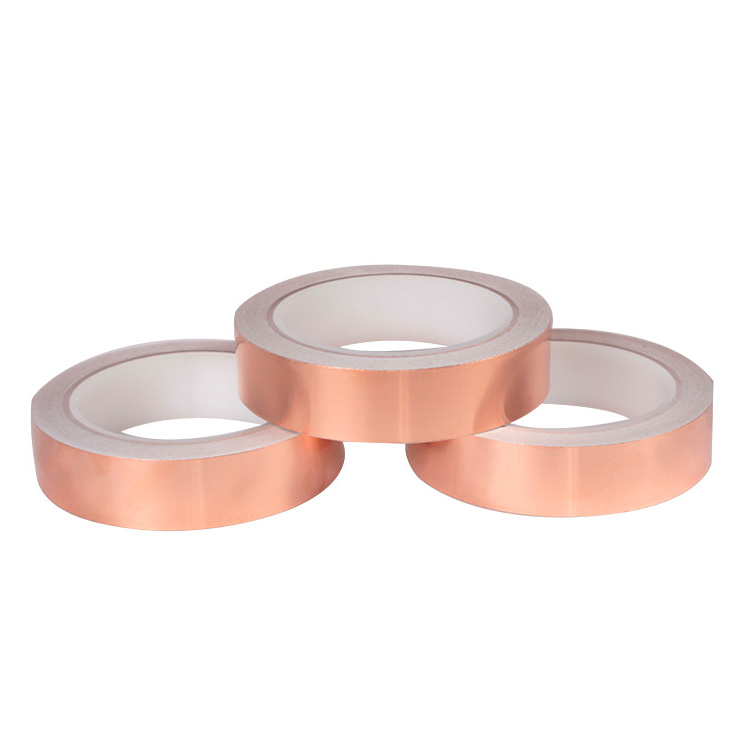
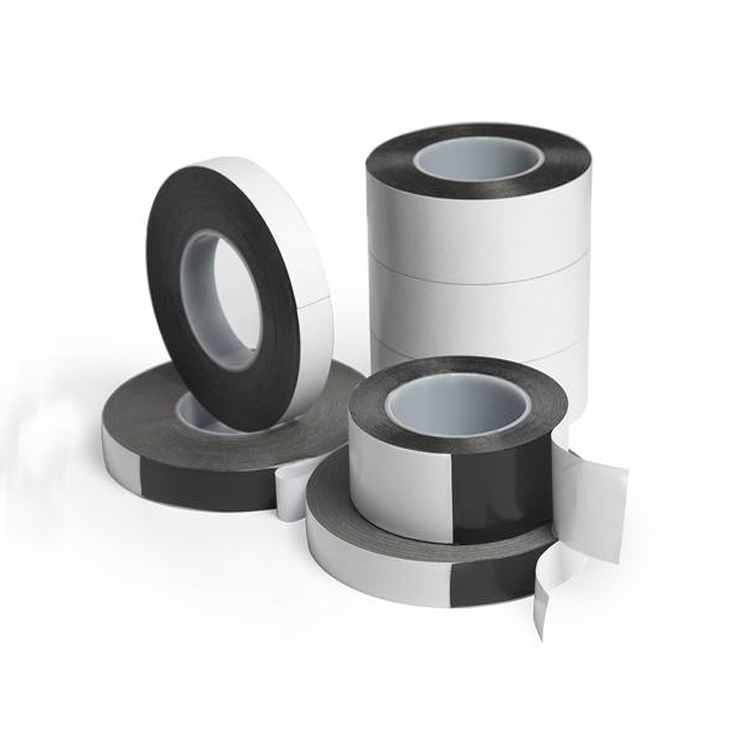
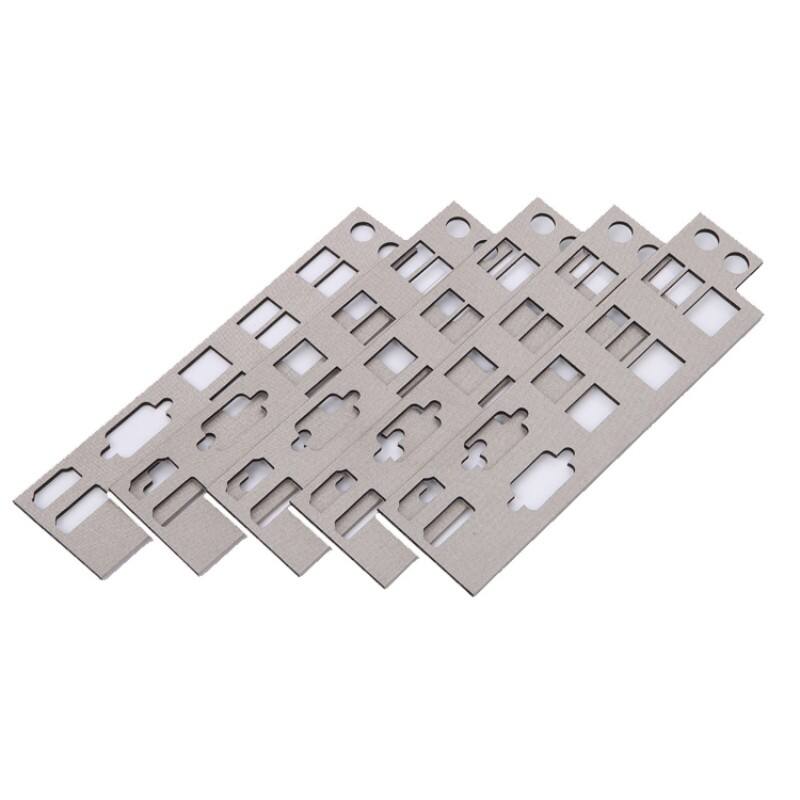
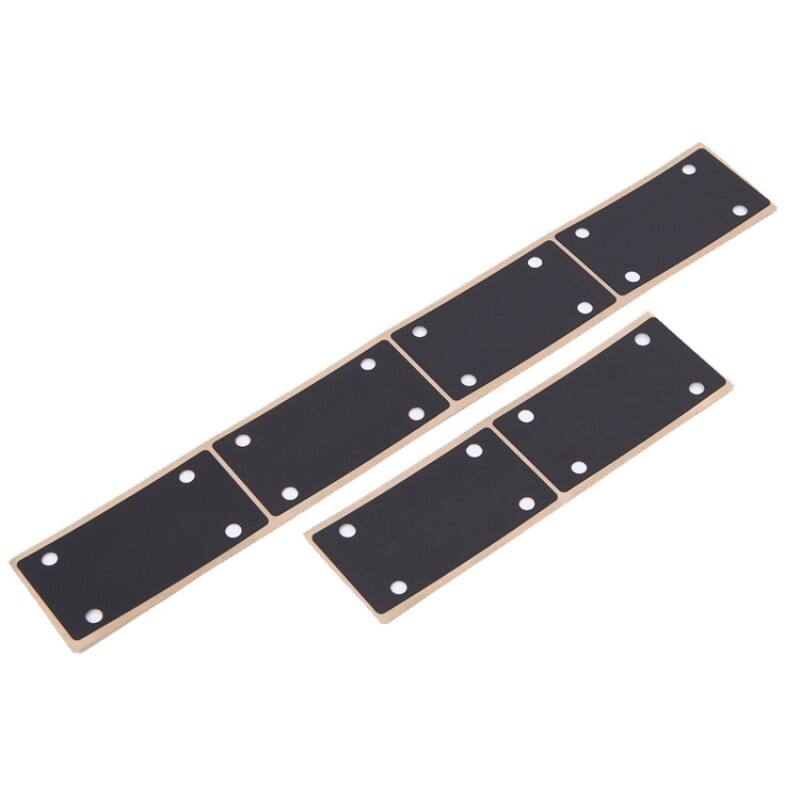
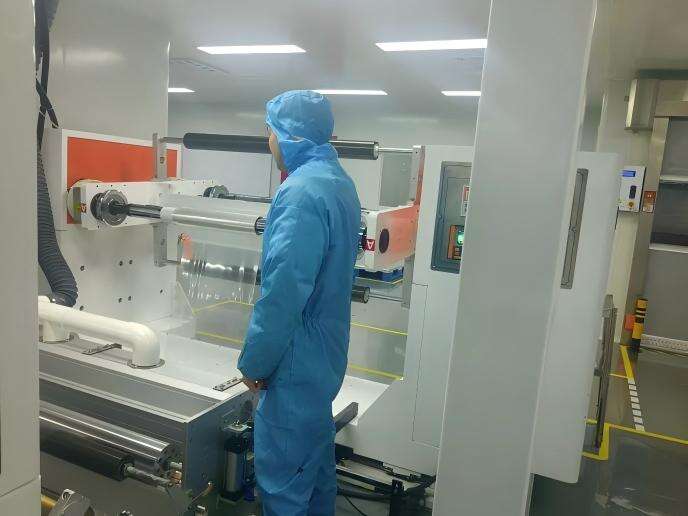
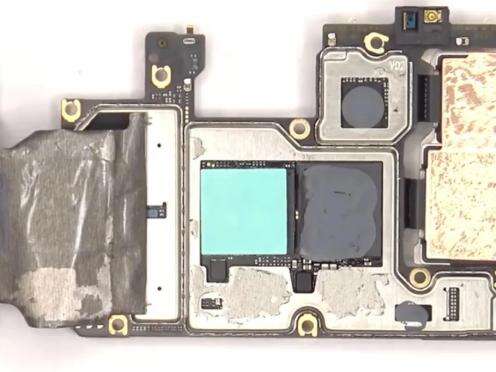
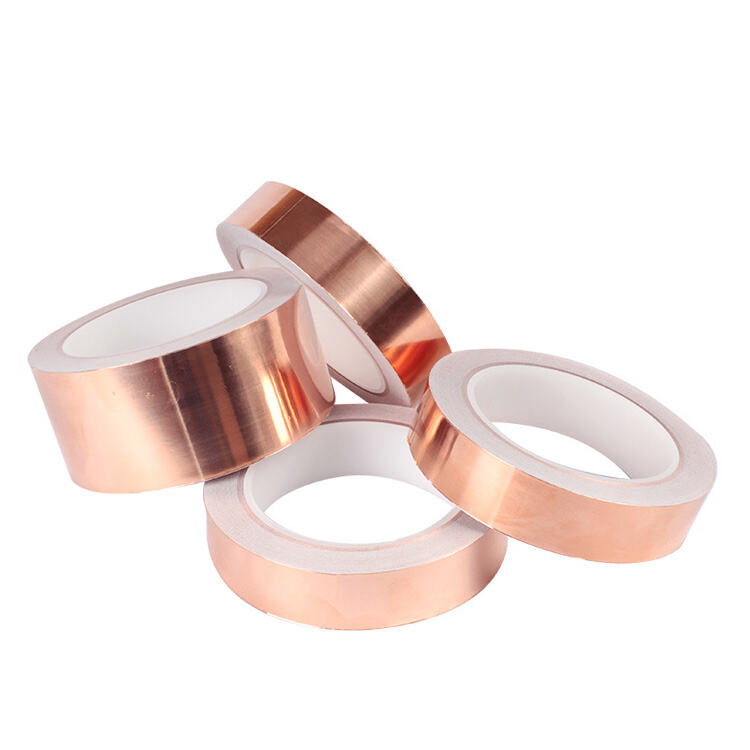
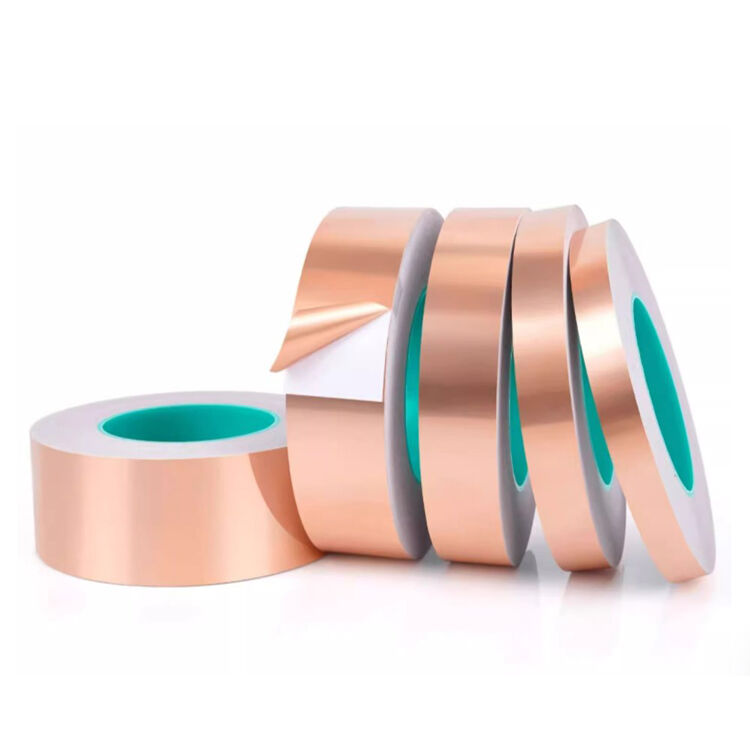
A custom die-cut parts factory represents a specialized manufacturing facility that transforms raw materials into precisely shaped components through advanced die-cutting technology. This industrial operation serves as the backbone for numerous sectors requiring exact specifications and consistent quality in their component parts. The custom die-cut parts factory employs sophisticated machinery and cutting-edge techniques to deliver tailored solutions that meet diverse client requirements across multiple industries. The primary function of a custom die-cut parts factory revolves around converting various materials including foam, rubber, gaskets, adhesives, fabrics, and plastics into specific shapes and dimensions. Through computerized cutting systems, laser technology, and traditional die-cutting methods, these facilities can produce intricate patterns, complex geometries, and high-volume runs with exceptional accuracy. The technological backbone includes automated cutting equipment, precision tooling, computer-aided design systems, and quality control mechanisms that ensure every piece meets stringent specifications. Modern custom die-cut parts factory operations integrate digital workflow management, allowing for seamless transition from design concept to finished product. The applications span across automotive manufacturing, where custom die-cut parts factory services provide gaskets, seals, and interior components. Electronics industries rely on these facilities for insulation materials, EMI shielding, and protective padding. Medical device manufacturers depend on custom die-cut parts factory capabilities for sterile packaging, biocompatible seals, and specialized foam inserts. Construction and building sectors utilize these services for weatherstripping, thermal barriers, and acoustic dampening materials. The versatility of a custom die-cut parts factory extends to aerospace applications, where precision-cut components must meet rigorous safety standards and exact tolerances. Additionally, consumer goods manufacturers leverage these services for packaging inserts, decorative elements, and functional components that enhance product performance and user experience.



 EN
EN