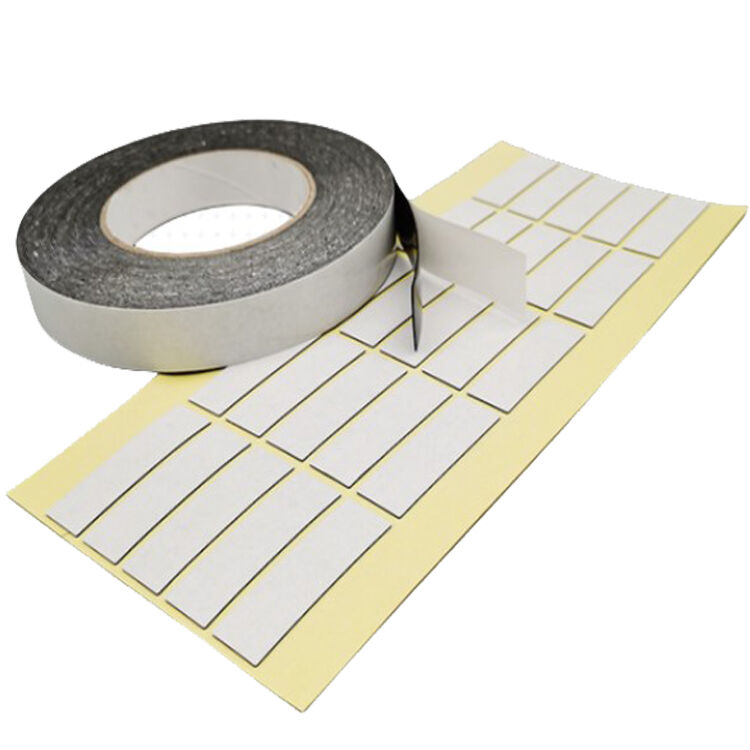
conductive sponge tape for telecom devices
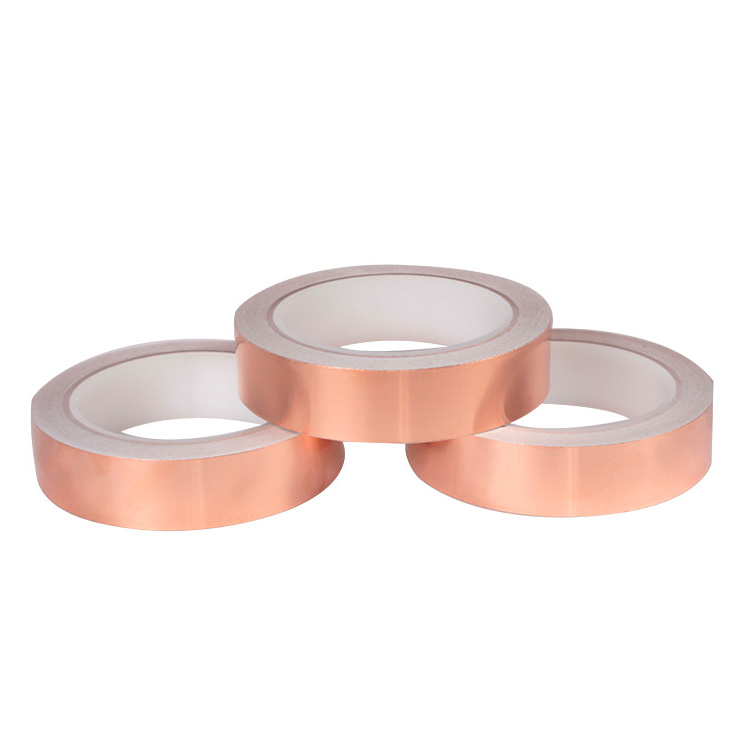
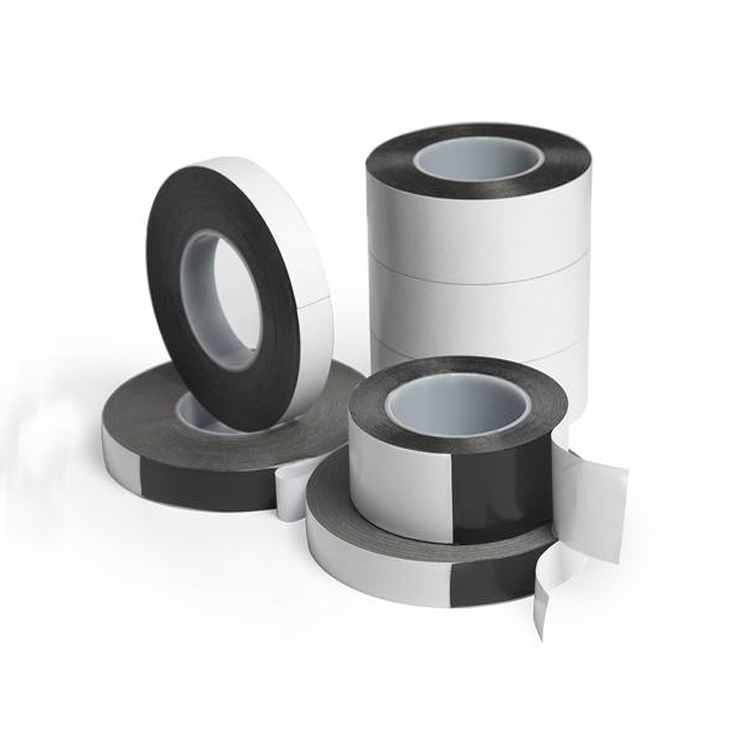
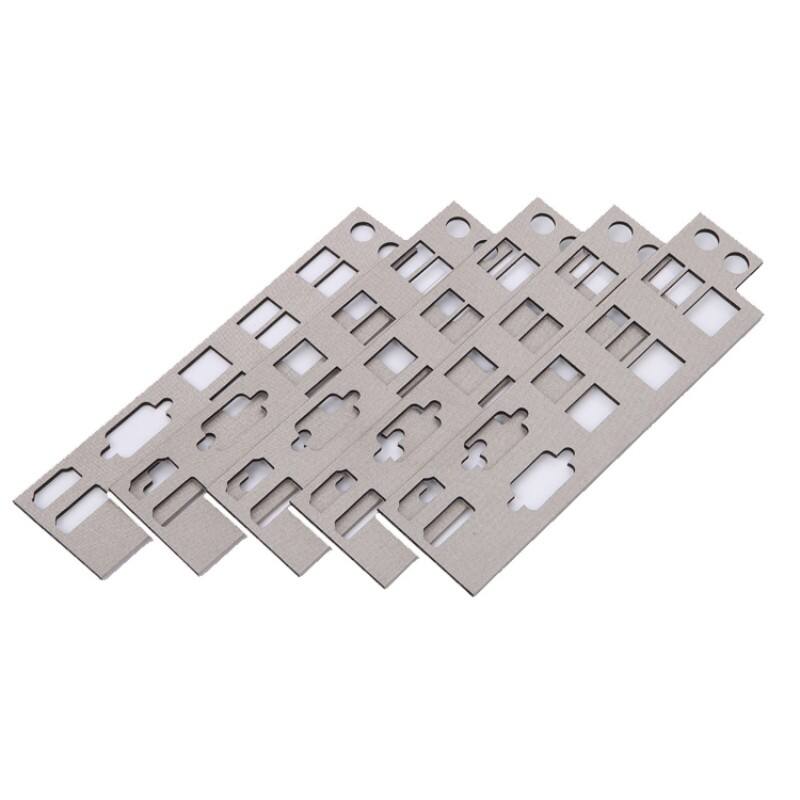
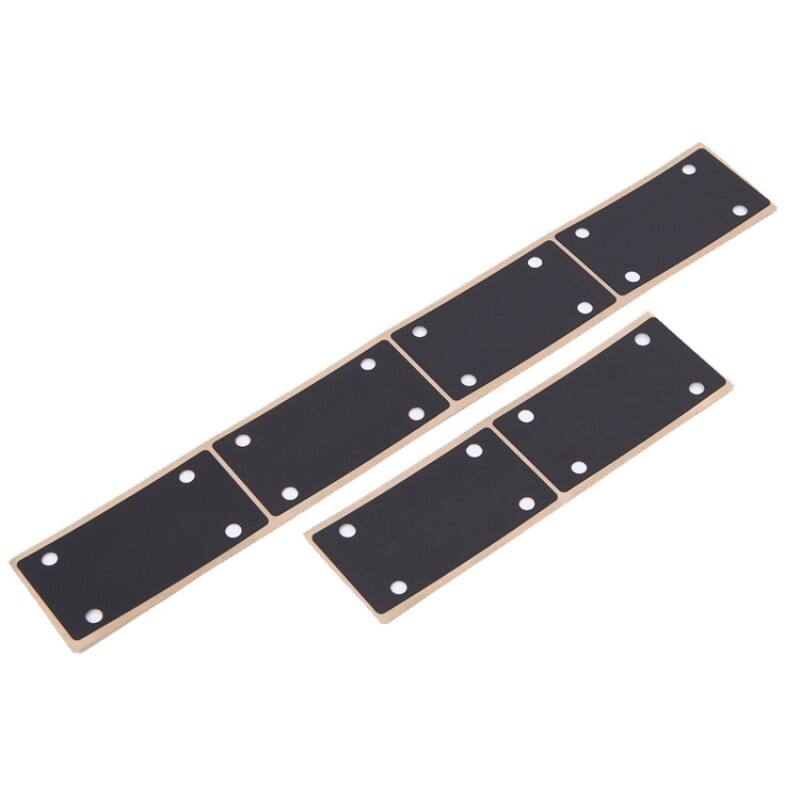
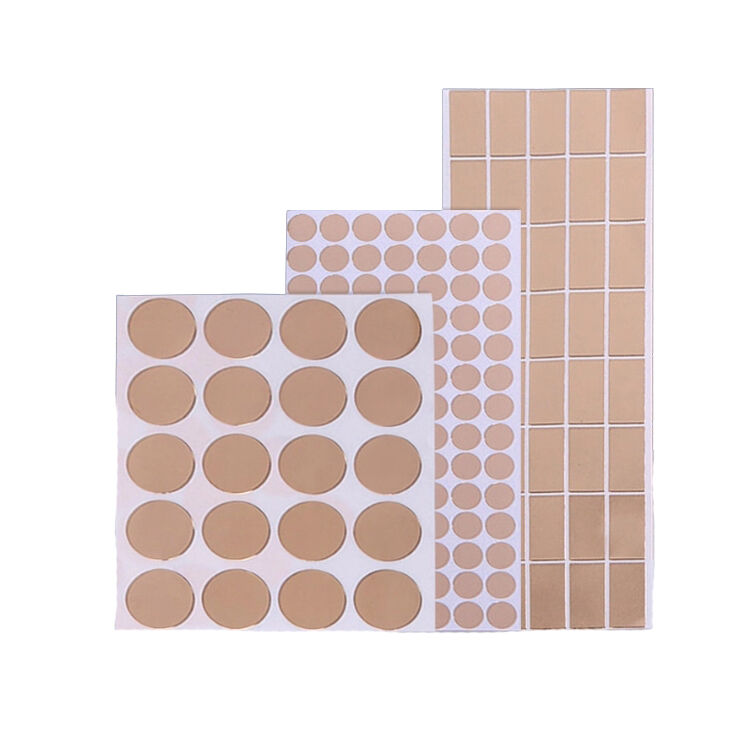
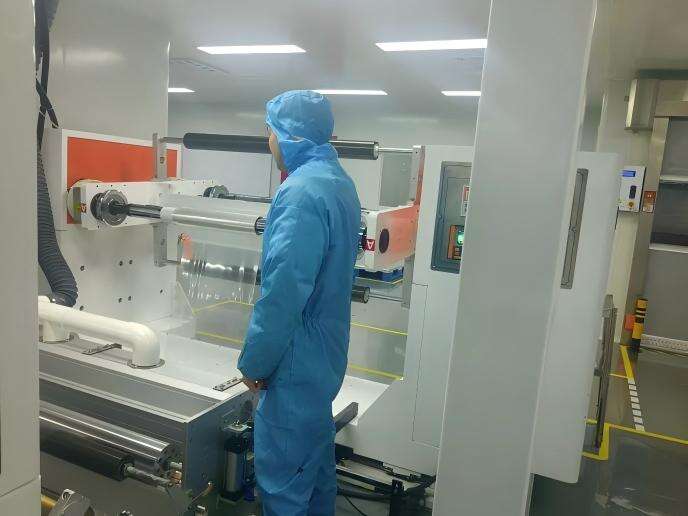
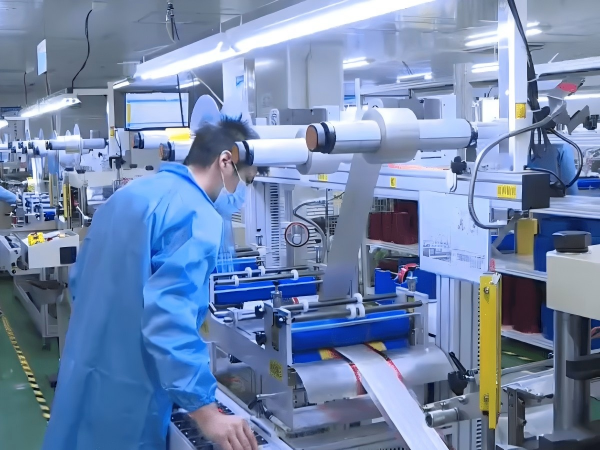
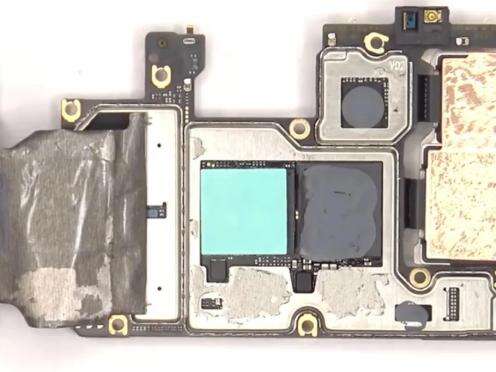
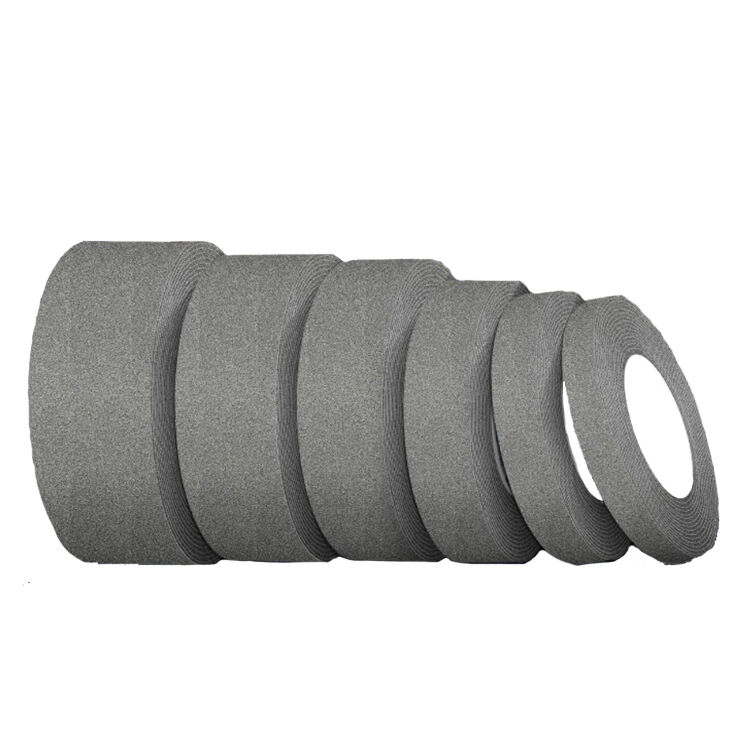
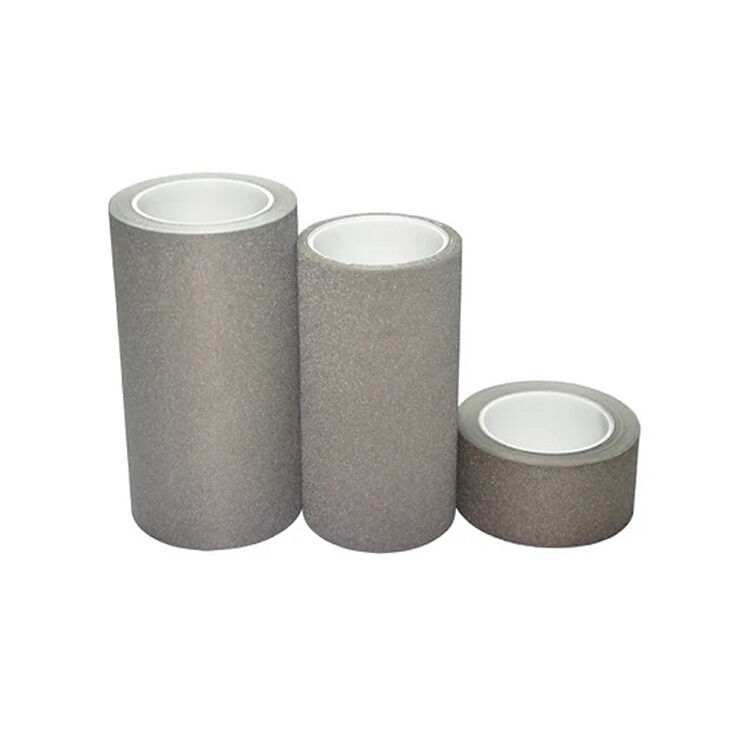
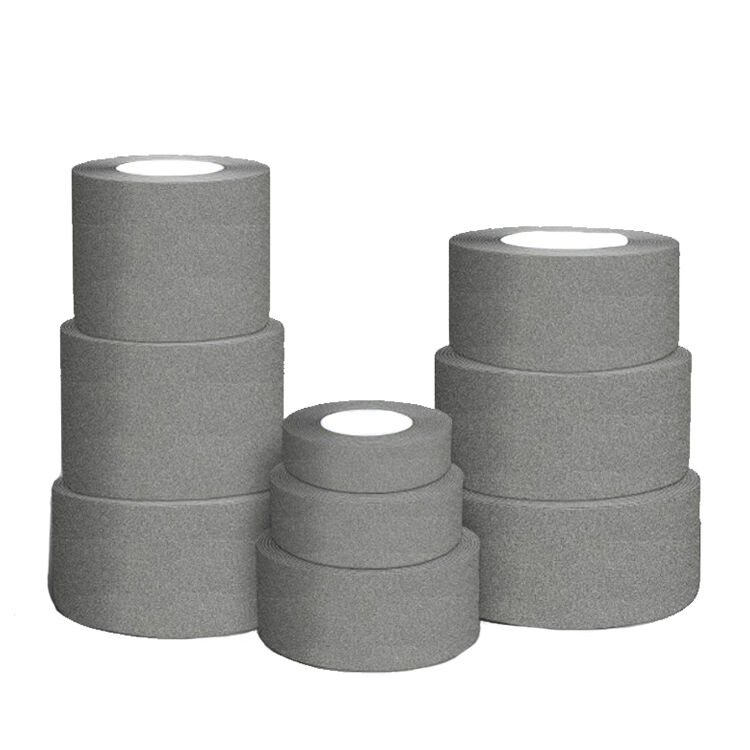
Conductive sponge tape for telecom devices represents a revolutionary solution in modern telecommunications infrastructure, combining advanced materials science with practical engineering applications. This specialized tape consists of a flexible foam substrate infused with conductive materials, typically copper, silver, or carbon-based compounds, creating a unique product that bridges the gap between traditional shielding materials and flexible installation requirements. The primary function of conductive sponge tape for telecom devices centers on electromagnetic interference (EMI) suppression, radio frequency interference (RFI) mitigation, and grounding applications within sensitive electronic equipment. The compressible nature of the sponge material allows for optimal surface contact even on irregular or uneven surfaces, ensuring consistent electrical conductivity across various mounting configurations. Technological features include excellent compression recovery, maintaining conductivity under repeated mechanical stress, and superior environmental resistance against moisture, temperature fluctuations, and chemical exposure. The tape's self-adhesive backing eliminates the need for additional fasteners or mounting hardware, streamlining installation processes while maintaining secure attachment to metal enclosures, circuit boards, and equipment housings. Applications span across telecommunications infrastructure including cellular base stations, network switches, routers, antenna systems, and fiber optic equipment where electromagnetic compatibility is critical. The conductive sponge tape for telecom devices also serves as an effective gasket material for equipment enclosures, providing both environmental sealing and electrical continuity. Manufacturing processes ensure consistent thickness tolerance and conductivity ratings, making it suitable for automated assembly lines and high-volume production environments. The versatility of this material extends to custom die-cutting capabilities, allowing manufacturers to create precise shapes and dimensions tailored to specific equipment designs and installation requirements.



 EN
EN