
 EN
EN


Medical device manufacturers face mounting pressure to deliver products that meet rigorous electromagnetic interference standards while maintaining reliability and longevity in clinical environments. The choice of gasket materials directly impacts device performance, regulatory compliance, and ultimately patient safety. EMI gasket foam has emerged as a critical component in modern medical device design, addressing the complex challenge of electromagnetic shielding without compromising device integrity or manufacturing efficiency. Understanding why aluminum foil tape and similar EMI gasket foam materials are specified can transform your manufacturing approach and product outcomes.
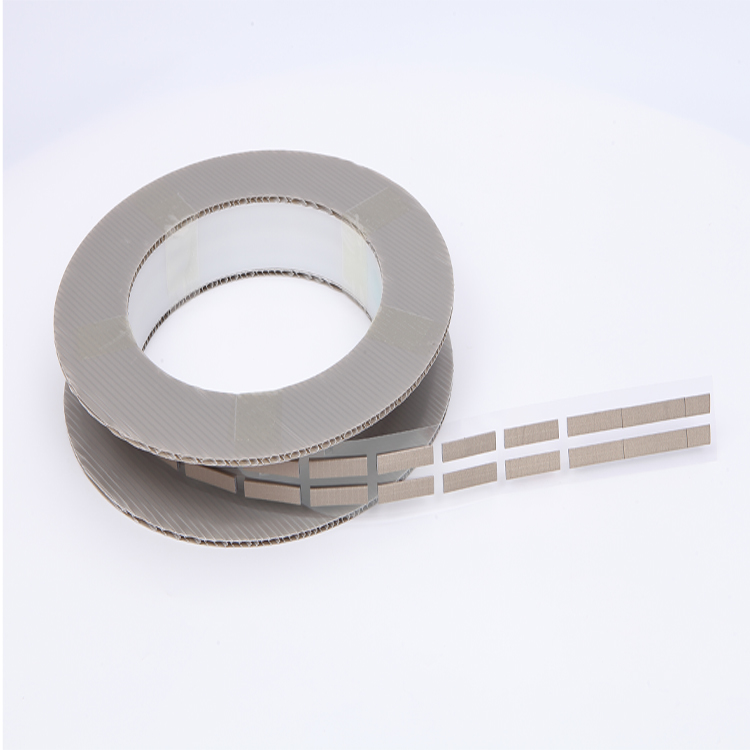
The selection of appropriate EMI gasket foam represents far more than a simple material substitution. It involves balancing electromagnetic shielding performance, mechanical resilience, biocompatibility, and cost-effectiveness across the full product lifecycle. Medical device manufacturers must ensure that their EMI gasket foam selections comply with FDA regulations, ISO standards, and industry-specific requirements while delivering consistent performance in challenging operational environments.
Electromagnetic Shielding Performance and Regulatory Compliance
Meeting FDA and International Standards
Medical devices operating in electromagnetic-rich environments such as hospitals and surgical suites require robust shielding solutions. EMI gasket foam provides the electromagnetic interference protection necessary to prevent device malfunction and cross-talk between adjacent medical equipment. The FDA mandates that manufacturers validate electromagnetic compatibility through rigorous testing protocols, and specifying high-performance aluminum foil tape within your EMI gasket foam construction ensures these requirements are consistently met.
International standards including IEC 60601 series, ISO 13485, and CE marking requirements all emphasize the importance of material selection for electromagnetic compatibility. When you specify EMI gasket foam with proven aluminum foil tape components, you create a documented, auditable pathway to regulatory approval. This approach reduces the risk of post-market recalls, regulatory inquiries, and costly redesigns that stem from inadequate electromagnetic shielding in early-stage device development.
Shielding Effectiveness Across Frequency Ranges
Modern medical devices must shield against interference across a broad spectrum of frequencies, from low-frequency magnetic fields generated by power systems to high-frequency RF emissions from wireless communication devices. EMI gasket foam engineered with aluminum foil tape construction delivers consistent attenuation across these varied frequency bands. The conductive properties of the aluminum foil tape layer within EMI gasket foam create multiple reflection and absorption pathways that suppress electromagnetic noise before it can disrupt sensitive device circuitry.
The layered architecture of premium EMI gasket foam allows manufacturers to customize shielding effectiveness based on specific device requirements. By adjusting foam density, tape thickness, and conductive material composition within your EMI gasket foam specification, you can optimize attenuation performance without over-engineering and driving unnecessary cost increases.
Mechanical Resilience and Long-Term Reliability
Compression Set and Environmental Durability
Medical devices must maintain seal integrity and shielding performance throughout extended storage periods and demanding clinical use. EMI gasket foam materials selected for medical applications must demonstrate minimal compression set when subjected to prolonged pressure, temperature cycling, and humid environments. High-quality EMI gasket foam formulations with aluminum foil tape reinforcement maintain their physical properties across the full range of sterilization methods, including steam autoclaving, ethylene oxide exposure, and gamma radiation protocols.
The foam substrate within a properly specified EMI gasket foam system absorbs mechanical stress and vibration that could otherwise degrade shielding effectiveness over time. This cushioning capability extends device lifespan and reduces field failures associated with electromagnetic shielding degradation. Medical device manufacturers who specify EMI gasket foam materials with proven environmental durability reduce warranty claims and support costs while enhancing brand reputation.
Biocompatibility and Material Safety
All materials in direct or indirect patient contact must undergo rigorous biocompatibility assessment per ISO 10993 standards. EMI gasket foam for medical applications must utilize materials that pass cytotoxicity, sensitization, and irritation testing protocols. The adhesives, foams, and conductive components including aluminum foil tape within EMI gasket foam systems must all demonstrate biocompatibility across the intended duration of device-patient contact.
Specifying EMI gasket foam from manufacturers with established biocompatibility documentation and material traceability ensures your device development timeline remains on schedule while regulatory compliance documentation is readily available for FDA submissions. This transparency builds confidence with regulatory bodies and reduces the likelihood of response letters or compliance inquiries during the approval process.
Manufacturing Efficiency and Supply Chain Advantages
Standardization and Cost Optimization
Selecting standardized EMI gasket foam materials from reliable suppliers accelerates device design and reduces engineering complexity. Rather than custom-formulating shielding solutions for each device variant, manufacturers can specify proven EMI gasket foam systems that integrate seamlessly into existing assembly workflows. This standardization approach lowers material costs through volume purchasing agreements while reducing inventory management complexity across production facilities.
The aluminum foil tape component within EMI gasket foam provides excellent material consistency from batch to batch, enabling predictable manufacturing performance and repeatable product quality. When device specifications call for EMI gasket foam with established material properties and performance documentation, procurement teams can negotiate favorable pricing without sacrificing electromagnetic shielding effectiveness or regulatory compliance.
Scalability and Supply Chain Resilience
As medical device manufacturers scale production from prototype quantities to commercial volumes, supply chain continuity becomes critical. EMI gasket foam materials sourced from established suppliers with global distribution networks ensure consistent availability across multiple manufacturing sites and geographic markets. The aluminum foil tape components within EMI gasket foam systems benefit from mature supply chains and multiple qualified sources, reducing single-source dependency risk.
Specifying EMI gasket foam materials that are widely used across the medical device industry creates opportunities for supply chain partnerships and collaborative sourcing initiatives. This approach provides price stability and delivery reliability essential for maintaining production schedules and meeting competitive market demands in the fast-moving medical device sector.
FAQ
What specific properties distinguish medical-grade EMI gasket foam from standard shielding materials?
Medical-grade EMI gasket foam must combine electromagnetic shielding effectiveness with biocompatibility, environmental resilience, and regulatory compliance. The aluminum foil tape within EMI gasket foam provides superior conductivity and shielding performance compared to single-layer alternatives. Additionally, the foam substrate must demonstrate minimal outgassing during sterilization, maintain compression properties after temperature cycling, and pass rigorous biocompatibility testing protocols required by FDA and international medical device standards.
How does aluminum foil tape integration within EMI gasket foam improve manufacturing efficiency?
Aluminum foil tape components within EMI gasket foam enable standardized material specifications that reduce engineering complexity and accelerate device design cycles. Pre-engineered EMI gasket foam systems with proven aluminum foil tape construction eliminate the need for custom material development and extensive validation testing. This standardization approach reduces procurement lead times, improves supply chain predictability, and allows manufacturers to focus engineering resources on device functionality rather than material development.
Why should medical device manufacturers prioritize EMI gasket foam over alternative shielding solutions?
EMI gasket foam offers superior performance integration across multiple critical requirements including electromagnetic shielding, mechanical resilience, biocompatibility, and manufacturing scalability. The aluminum foil tape construction provides reliable attenuation across broad frequency ranges while the foam substrate delivers mechanical cushioning and seal integrity. Specifying EMI gasket foam materials with established regulatory documentation streamlines the approval process and reduces the risk of non-compliance issues during clinical deployment or post-market surveillance.
Table of Contents
- Electromagnetic Shielding Performance and Regulatory Compliance
- Mechanical Resilience and Long-Term Reliability
- Manufacturing Efficiency and Supply Chain Advantages
-
FAQ
- What specific properties distinguish medical-grade EMI gasket foam from standard shielding materials?
- How does aluminum foil tape integration within EMI gasket foam improve manufacturing efficiency?
- Why should medical device manufacturers prioritize EMI gasket foam over alternative shielding solutions?
