
 EN
EN


High-power processors generate substantial heat that must be managed effectively to ensure system reliability and longevity. Thermal conductive silicone pads have become the preferred choice for engineers and manufacturers seeking efficient heat transfer solutions. These specialized materials bridge the gap between heat-generating components and cooling systems, offering superior thermal conductivity while maintaining electrical isolation. Understanding why aluminum foil tape and complementary thermal solutions are critical reveals the engineering logic behind modern thermal management strategies in demanding industrial and computing environments.
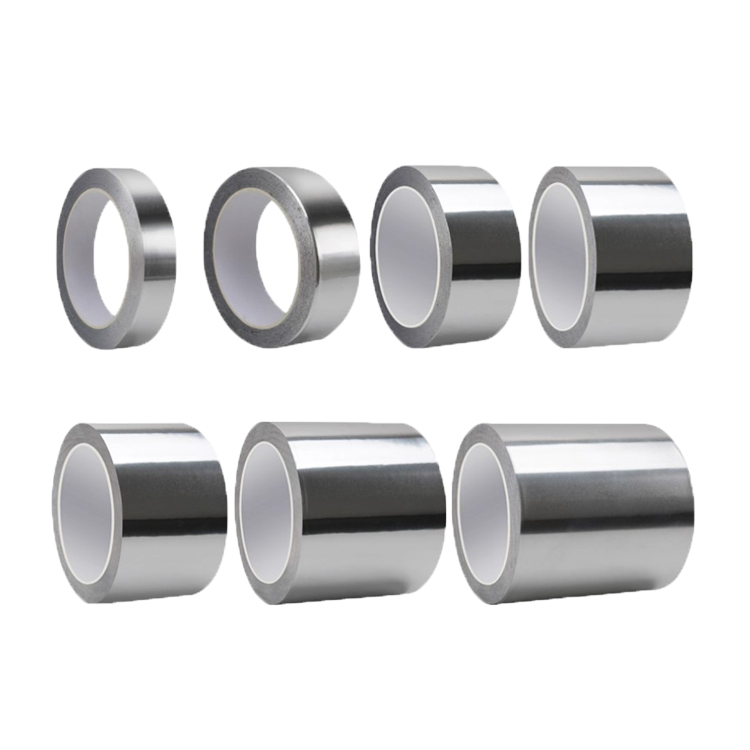
Selecting thermal conductive silicone pads requires understanding how these materials function within larger thermal ecosystems. Unlike passive cooling approaches, thermal conductive silicone pads actively facilitate heat flow from processors to heat sinks, cold plates, or other dissipation mechanisms. The decision to use aluminum foil tape as part of a comprehensive thermal strategy reflects the industry trend toward layered, multi-material solutions that address both thermal and electromagnetic challenges simultaneously. This article explores the specific reasons why thermal conductive silicone pads are selected for high-power processor applications and how they contribute to system performance and reliability.
Thermal Performance and Heat Dissipation Efficiency
Direct Heat Transfer Capability
Thermal conductive silicone pads excel at transferring heat from processors directly to cooling infrastructure. Unlike air gaps or generic adhesives, thermal conductive silicone pads provide a low-resistance pathway for thermal energy. High-power processors operating at elevated temperatures require efficient heat removal to prevent thermal throttling and component degradation. Thermal conductive silicone pads achieve thermal conductivity values ranging from 1 to 6 watts per meter-Kelvin, depending on formulation and filler composition. This performance level ensures that heat moves rapidly away from critical processor surfaces, maintaining optimal operating temperatures under sustained load.
Pressure and Contact Optimization
Effective thermal conductive silicone pads compress under mounting pressure, filling microscopic surface irregularities between the processor and heat sink. This contact optimization eliminates air pockets that would otherwise create thermal resistance. When thermal conductive silicone pads are properly specified and installed, they maintain consistent thermal interface resistance across repeated thermal cycles. The compressibility of thermal conductive silicone pads also allows them to accommodate component movement and vibration without degrading thermal performance. This resilience is particularly important in high-vibration industrial environments where mechanical stress could otherwise compromise thermal coupling.
Reliability and Long-Term Performance Benefits
Durability Across Thermal Cycling
High-power processors experience continuous thermal cycling as they power on, reach operating temperature, throttle during demand spikes, and cool during idle periods. Thermal conductive silicone pads maintain stable properties across hundreds or thousands of these cycles without significant degradation. Unlike phase-change materials that can pump out from under components, thermal conductive silicone pads remain in place throughout the equipment lifetime. The silicone matrix resists oxidation and thermal stress that would compromise elastomer-based alternatives. This durability directly reduces maintenance costs and extends mean time between failures in mission-critical computing and industrial control systems.
Electrical Isolation and Safety
Thermal conductive silicone pads provide electrical insulation while conducting heat, addressing a critical dual requirement in processor cooling. High-power processors operate at voltages that pose electrical hazard risks if thermal interface materials create conductive pathways. Thermal conductive silicone pads maintain dielectric breakdown voltage ratings typically exceeding 1.5 kilovolts, ensuring safe operation even when used between components operating at different electrical potentials. This electrical isolation capability eliminates the need for secondary insulating layers between thermal conductive silicone pads and cooling systems, simplifying assembly and reducing thermal resistance. The combination of thermal conductivity and electrical isolation makes thermal conductive silicone pads suitable for applications where aluminum foil tape or other conductive materials cannot be used directly against processor surfaces.
Application Flexibility and Integration Advantages
Compatibility with Diverse Cooling Architectures
Thermal conductive silicone pads integrate seamlessly with air-cooled, liquid-cooled, and hybrid cooling systems used in high-power processor applications. Whether mounting to copper heat sinks, aluminum extrusions, or advanced cold plate designs, thermal conductive silicone pads adapt to different surface geometries and materials. The softness of thermal conductive silicone pads allows them to conform to minor surface irregularities without requiring machining or additional surface preparation. This compatibility across cooling architectures makes thermal conductive silicone pads a versatile choice for manufacturers supporting multiple product platforms or evolving thermal requirements. Integration simplicity reduces assembly time and minimizes the risk of improper installation that could compromise thermal performance.
Cost-Benefit Analysis and Supply Chain Stability
Thermal conductive silicone pads offer attractive cost performance when evaluated across the full lifecycle of high-power processor systems. Compared to custom-engineered cooling solutions, thermal conductive silicone pads represent a standardized, off-the-shelf component that reduces engineering effort and design iteration time. Established supply chains ensure consistent availability of thermal conductive silicone pads in various thicknesses and thermal conductivity grades. The low cost of materials compared to phase-change compounds makes thermal conductive silicone pads economical for high-volume manufacturing. When combined with strategic use of aluminum foil tape for electromagnetic shielding in adjacent areas, thermal conductive silicone pads provide a complete thermal and electromagnetic solution that maximizes performance per dollar invested in thermal management infrastructure.
FAQ
What thermal conductivity range should thermal conductive silicone pads have for processor cooling?
Thermal conductive silicone pads for high-power processors typically exhibit thermal conductivity between 2 and 5 watts per meter-Kelvin. This range provides effective heat transfer while maintaining adequate compressibility for contact optimization. Selection depends on processor power dissipation, target junction temperature, and available cooling system capacity. Higher thermal conductivity materials suit extreme power applications, while moderate conductivity pads suffice for standard industrial processors. Always verify specific thermal conductivity requirements through thermal analysis rather than selecting the highest available conductivity, as unnecessary performance often increases cost without delivering measurable system benefits.
How often should thermal conductive silicone pads be replaced in continuous-duty systems?
Well-specified thermal conductive silicone pads maintain performance across the entire equipment lifetime without replacement in most continuous-duty applications. Unlike thermal interface materials that degrade or pump out from compression stress, thermal conductive silicone pads resist fatigue and maintain stable thermal resistance across thermal cycles. Replacement becomes necessary only if physical damage, compression set exceeding design limits, or system redesign occurs. Regular thermal monitoring helps confirm that thermal conductive silicone pads continue delivering adequate heat transfer performance. Replacing thermal conductive silicone pads preemptively without performance degradation evidence wastes resources and creates unnecessary downtime.
Can thermal conductive silicone pads be combined with aluminum foil tape for enhanced thermal management?
Yes, thermal conductive silicone pads and aluminum foil tape serve complementary functions in advanced thermal and electromagnetic management systems. Thermal conductive silicone pads conduct heat from processors directly to heat sinks or cooling systems. Aluminum foil tape provides electromagnetic shielding adjacent to thermal interfaces while maintaining low thermal resistance. This layered approach isolates thermal conductive silicone pads from direct exposure to certain environmental stresses while preserving thermal coupling integrity. Strategic use of both materials optimizes thermal, electromagnetic, and mechanical performance simultaneously in complex processor applications.
