
 EN
EN


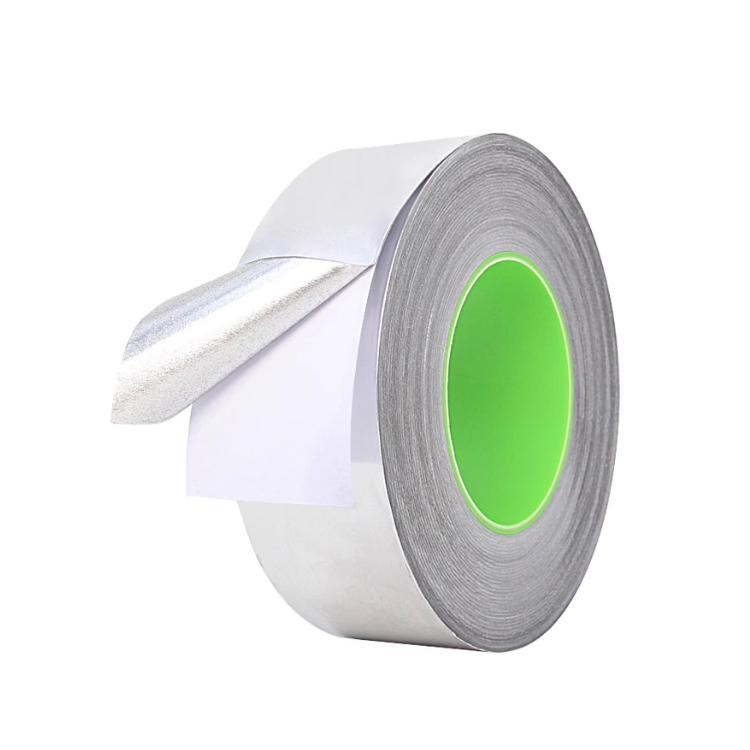
Protective packaging requires materials that combine strength, flexibility, and reliability across diverse applications. Aluminum foil tape has emerged as one of the most versatile solutions in modern packaging environments, delivering performance that traditional materials struggle to match. Whether you're protecting sensitive electronics, sealing HVAC components, or insulating thermal systems, aluminum foil tape provides a dependable barrier that maintains integrity under challenging conditions. Understanding why aluminum foil tape outperforms alternatives requires examining its unique material properties and how they translate into real-world advantages for manufacturers and logistics professionals.
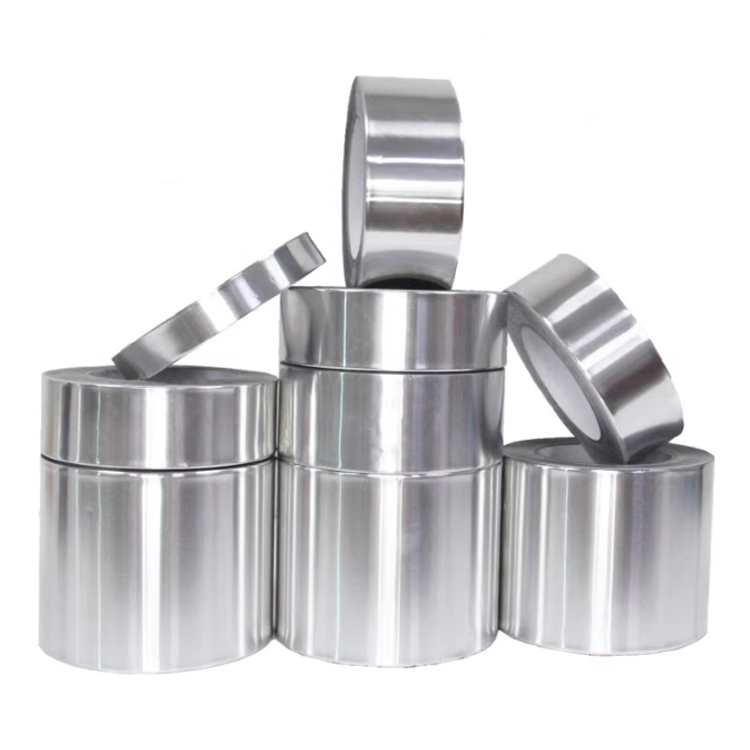
The versatility of aluminum foil tape stems from its distinctive construction and composition. Unlike standard packaging tape that relies on single-layer materials, aluminum foil tape combines metallic strength with adhesive technology specifically engineered for maximum protection. This dual-function design makes aluminum foil tape suitable for both high-temperature and low-temperature environments, moisture-resistant applications, and scenarios where electromagnetic shielding matters. Organizations across manufacturing, aerospace, automotive, and medical sectors have recognized that aluminum foil tape solves multiple protective challenges simultaneously, reducing the need for multiple tape types and simplifying inventory management.
Superior Protective Properties of Aluminum Foil Tape
Barrier Performance and Environmental Protection
One of the primary reasons aluminum foil tape dominates protective packaging applications is its exceptional barrier capability. The foil layer creates an impermeable shield against moisture, oxygen, and contaminants that could compromise product integrity. Unlike standard plastic tapes that allow gradual vapor transmission, aluminum foil tape blocks these elements completely, making it essential for products sensitive to humidity and oxidation. Industries protecting pharmaceuticals, electronics components, and food-related items depend on aluminum foil tape to maintain product quality throughout storage and transport. This barrier performance explains why aluminum foil tape commands a premium position in professional packaging specifications.
Temperature Resistance and Durability
Protective packaging often involves extreme temperature environments where conventional tapes fail. Aluminum foil tape maintains adhesive strength and structural integrity across temperature ranges that would destroy standard packaging solutions. From freezer applications at minus forty degrees to high-heat industrial environments exceeding one hundred fifty degrees, aluminum foil tape performs reliably. The metallic foil layer provides inherent thermal stability while the adhesive formulation resists hardening and brittleness that compromises other tape types. This temperature resilience makes aluminum foil tape the preferred choice for HVAC systems, refrigeration equipment, and thermal insulation applications where consistent sealing matters critically.
Applications Where Aluminum Foil Tape Excels
Electronic Component Protection and Assembly
Electronics manufacturing relies on aluminum foil tape for multiple protective functions within assembly and packaging workflows. The tape shields sensitive circuits from electromagnetic interference while providing moisture barriers that prevent corrosion during storage and shipment. Quality assurance teams select aluminum foil tape because it maintains consistent adhesion to diverse substrate materials including metals, ceramics, and composite surfaces common in electronics packaging. Additionally, aluminum foil tape can withstand soldering temperatures and manufacturing processes without degrading, allowing it to remain in place through assembly stages before final protective packaging. This multi-stage utility explains why aluminum foil tape has become standard specification in precision electronics industries.
Industrial Sealing and HVAC Systems
HVAC contractors and industrial maintenance teams depend on aluminum foil tape for permanent ductwork sealing and thermal system protection. The tape's ability to maintain flexibility while providing rigid structural support makes aluminum foil tape ideal for irregular surfaces and challenging geometries common in ductwork. Where air leakage directly impacts energy efficiency, aluminum foil tape delivers verified sealing performance that meets industry standards and building codes. The longevity of aluminum foil tape in these applications means fewer maintenance cycles and lower total cost of ownership compared to materials requiring frequent replacement. Professional installers recognize that aluminum foil tape represents the appropriate balance between performance demands and practical application requirements.
Comparative Advantages in Protective Packaging Systems
Performance Against Alternative Materials
When comparing aluminum foil tape to conventional packaging alternatives, the differences in protective capability become immediately apparent. Standard pressure-sensitive tapes degrade when exposed to temperature extremes or moisture-rich environments where aluminum foil tape maintains performance. Cloth-based tapes absorb moisture and fail to provide electromagnetic shielding that aluminum foil tape delivers naturally through its metallic composition. Paper-based packaging materials cannot match the tear resistance and puncture protection that aluminum foil tape provides, particularly for shipments involving sharp objects or rough handling. Foam tapes and gasket materials serve specialized functions but lack the universal barrier properties that aluminum foil tape combines into a single solution.
Cost Efficiency and Long-Term Value
While aluminum foil tape carries higher per-unit cost than basic packaging tapes, its protective performance dramatically reduces waste, product damage, and customer returns associated with inferior sealing. Organizations calculating true protective packaging costs discover that aluminum foil tape represents exceptional value when accounting for reduced damage claims, improved product shelf life, and elimination of secondary protective steps. The durability of aluminum foil tape means fewer reapplications during storage cycles, warehouse handling, and transportation phases where cheaper alternatives would require reinforcement or replacement. Logistics managers implementing aluminum foil tape systems often report reduced overall packaging expenses despite higher material costs, demonstrating how superior protective performance translates directly into financial benefits.
Implementation Best Practices
Surface Preparation and Application Techniques
Maximizing the protective benefits of aluminum foil tape requires proper application methodology starting with adequate surface preparation. Surfaces must be clean, dry, and free of dust or oils that would compromise adhesive contact and barrier effectiveness. The best results come from applying aluminum foil tape firmly across the entire contact area using consistent pressure that activates the adhesive and ensures full integration with the substrate. Temperature conditions during application significantly affect aluminum foil tape performance; most products perform optimally when applied in moderate temperature ranges where adhesive viscosity allows proper flow and bonding. Professional packaging operations establish detailed procedures for aluminum foil tape application ensuring consistency and maximum protection across all packaged items.
Storage and Maintenance Considerations
Proper storage conditions preserve the protective qualities that make aluminum foil tape such a valuable packaging material. Rolls should be stored in controlled environments away from excessive heat, direct sunlight, or high humidity that could compromise adhesive effectiveness. When aluminum foil tape has been installed, periodic inspection ensures that seals remain intact and protective barriers have not been compromised by handling or environmental exposure. Organizations protecting critical components establish maintenance schedules that verify aluminum foil tape integrity throughout product storage and transportation cycles. This proactive approach to aluminum foil tape management prevents unexpected failures and maintains the consistent protection that justifies the material choice initially.
FAQ
What makes aluminum foil tape superior to standard plastic packaging tape?
Aluminum foil tape provides complete barrier protection against moisture, oxygen, and electromagnetic interference that standard plastic tapes cannot deliver. The metallic foil layer creates an impermeable shield while maintaining flexibility for irregular surfaces, and aluminum foil tape performs reliably across temperature extremes where conventional tapes fail. Additionally, aluminum foil tape resists tearing, puncturing, and degradation from UV exposure, making it suitable for both protected indoor storage and exposure to variable environmental conditions during transportation.
Can aluminum foil tape withstand high-temperature industrial processes?
Yes, aluminum foil tape maintains structural integrity and adhesive strength across temperature ranges that would compromise standard packaging materials. The metallic foil layer provides inherent thermal stability while the adhesive formulation resists hardening and brittleness at elevated temperatures. Most industrial-grade aluminum foil tape performs reliably up to one hundred fifty degrees Celsius, making it suitable for thermal insulation, HVAC systems, and manufacturing processes involving heat exposure. For applications requiring extended high-temperature performance, specialized aluminum foil tape formulations offer even greater thermal tolerance.
Is aluminum foil tape cost-effective for long-term protective packaging applications?
While aluminum foil tape carries higher initial material costs than basic packaging tapes, the superior protective performance creates significant long-term value through reduced product damage, fewer customer returns, and elimination of secondary protective measures. The durability of aluminum foil tape means fewer reapplications during storage and transportation, and the prevention of damage to high-value components justifies the premium pricing. Organizations calculating total cost of ownership typically find that aluminum foil tape reduces overall protective packaging expenses despite higher per-unit material costs, making it an economically sound investment for critical applications.
