
 EN
EN
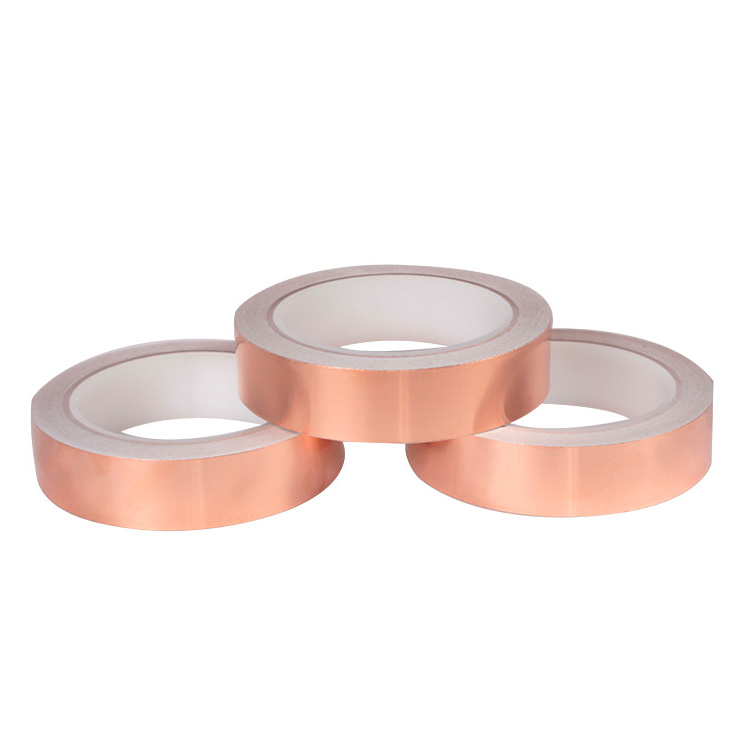
Modern HVAC systems depend on properly sealed ductwork to maintain optimal energy efficiency and indoor air quality. Among the various sealing solutions available, aluminum foil tape stands as one of the most critical components for ensuring airtight connections throughout duct systems. This specialized tape combines the durability of aluminum with powerful adhesive properties, creating reliable seals that withstand temperature fluctuations and environmental challenges common in HVAC applications.
The significance of proper duct sealing cannot be overstated in today's energy-conscious building environment. Leaky ductwork represents one of the largest sources of energy waste in commercial and residential buildings, with studies indicating that unsealed ducts can reduce system efficiency by up to thirty percent. Professional HVAC technicians recognize aluminum foil tape as an essential tool for addressing these inefficiencies while providing long-lasting performance that exceeds traditional sealing methods.
Understanding Aluminum Foil Tape Composition and Properties
Material Construction and Design Features
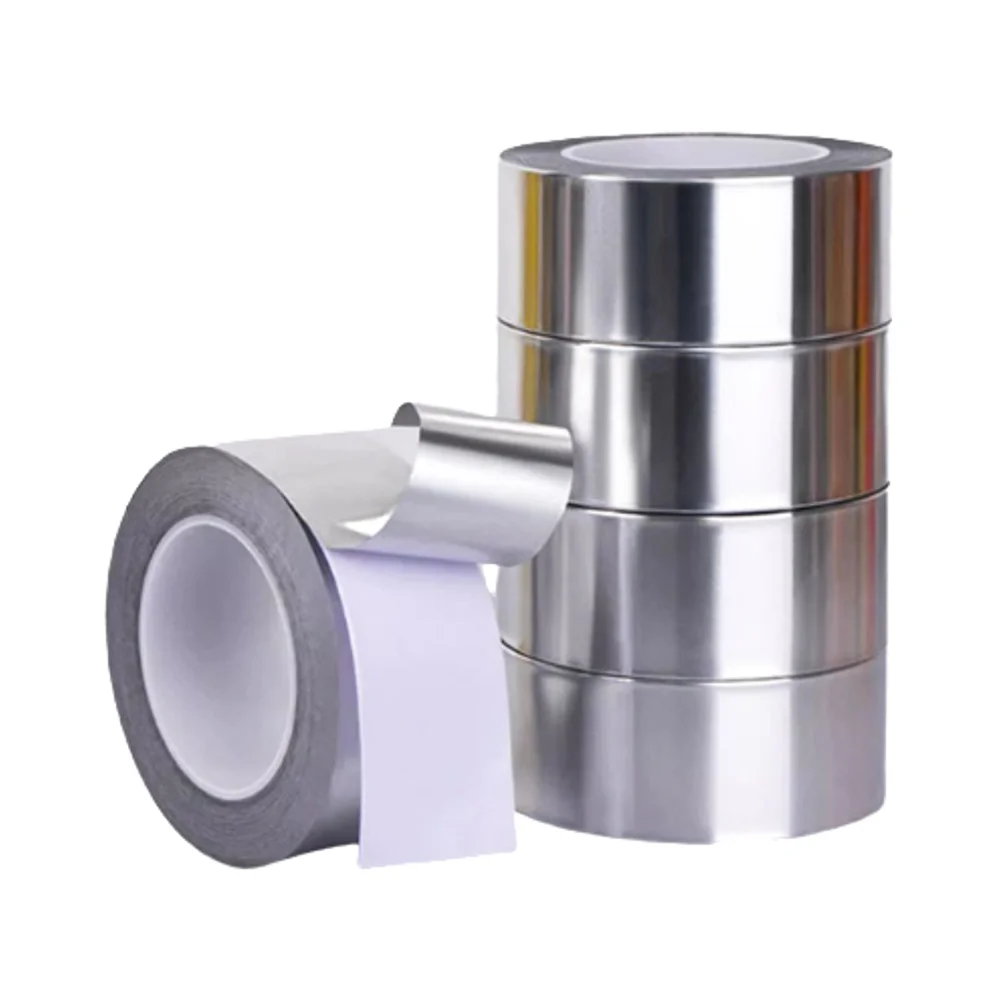
The construction of high-quality aluminum foil tape involves multiple layers designed to maximize performance in demanding HVAC environments. The outer aluminum layer provides excellent thermal conductivity and acts as a vapor barrier, while the specialized adhesive backing ensures secure bonding to various duct materials. This combination creates a sealing solution that maintains integrity under extreme temperature variations commonly encountered in ductwork systems.
Modern aluminum foil tape incorporates advanced adhesive formulations that resist degradation from heat, humidity, and chemical exposure. The aluminum backing typically ranges from 1.5 to 3 mils in thickness, providing sufficient strength to resist tearing while remaining flexible enough for application around corners and irregular surfaces. These design characteristics make aluminum foil tape particularly well-suited for permanent installations where long-term reliability is essential.
Temperature Resistance and Durability Characteristics
One of the most significant advantages of aluminum foil tape lies in its exceptional temperature tolerance. Quality products can withstand operating temperatures ranging from negative forty degrees Fahrenheit to over three hundred degrees Fahrenheit, making them suitable for both heating and cooling applications. This broad temperature range ensures consistent sealing performance regardless of seasonal variations or system operating conditions.
The durability of aluminum foil tape extends beyond temperature resistance to include excellent aging characteristics. Unlike fabric-based tapes that may deteriorate over time, aluminum backing maintains its structural integrity for decades when properly applied. This longevity translates to reduced maintenance costs and improved system reliability throughout the lifespan of HVAC installations.
Critical Applications in HVAC Duct Systems
Sealing Longitudinal Joints and Connections
Longitudinal seams represent one of the most common sources of air leakage in rectangular ductwork systems. Aluminum foil tape provides an effective solution for sealing these joints by creating a continuous barrier that prevents conditioned air from escaping. The conformability of the tape allows it to follow the contours of duct surfaces while maintaining consistent adhesion along the entire seam length.
Professional installation techniques for longitudinal sealing involve careful surface preparation and systematic application to ensure complete coverage. The aluminum foil tape must overlap seam edges by at least one inch on each side to provide adequate sealing margin. This application method creates a robust seal that can withstand the pressure differentials commonly found in HVAC systems.
Securing Flexible Duct Connections
Flexible ductwork connections present unique sealing challenges due to the corrugated surface texture and potential for movement during system operation. Aluminum foil tape excels in these applications by conforming to irregular surfaces while providing the mechanical strength needed to secure connections under dynamic conditions. The tape's ability to stretch and recover helps maintain sealing integrity even when ducts experience thermal expansion or building movement.
When applied to flexible duct connections, aluminum foil tape serves dual purposes as both a sealant and mechanical fastener. The strong adhesive bond eliminates the need for additional clamps in many applications, simplifying installation while reducing material costs. This versatility makes aluminum foil tape particularly valuable in retrofit applications where access may be limited.
Performance Advantages Over Alternative Sealing Methods
Superior Adhesion Compared to Standard Duct Tape
Traditional cloth-backed duct tape, despite its name, proves inadequate for permanent HVAC sealing applications due to adhesive degradation and backing material deterioration. Aluminum foil tape demonstrates significantly superior long-term adhesion properties, maintaining bond strength even after years of exposure to temperature cycling and humidity variations. This enhanced adhesion translates directly to improved system efficiency and reduced maintenance requirements.
The pressure-sensitive adhesive used in quality aluminum foil tape formulations provides immediate bonding upon application while developing full strength over time. This characteristic allows for immediate system operation after installation while ensuring maximum sealing effectiveness as the adhesive cures. Comparative testing consistently shows aluminum foil tape outperforming traditional alternatives in both initial bond strength and long-term retention.
Cost-Effectiveness and Installation Efficiency
While aluminum foil tape may have a higher initial cost compared to basic sealing materials, its superior performance characteristics deliver significant value through reduced labor costs and improved system efficiency. The ease of application reduces installation time, while the reliability of the seal minimizes callback visits for repairs. These factors contribute to lower total cost of ownership for HVAC systems.
The versatility of aluminum foil tape also contributes to its cost-effectiveness by reducing the need for multiple specialized products. A single roll can address various sealing requirements throughout a duct system, simplifying inventory management and reducing material waste. This consolidation benefit becomes particularly valuable for contractors managing multiple projects simultaneously.
Proper Application Techniques for Maximum Effectiveness
Surface Preparation and Environmental Considerations
Successful application of aluminum foil tape begins with thorough surface preparation to ensure optimal adhesion. Duct surfaces must be clean, dry, and free from oils, dust, or other contaminants that could interfere with bonding. Temperature conditions during application should fall within the manufacturer's recommended range, typically between fifty and one hundred degrees Fahrenheit for best results.
Environmental factors such as humidity and air movement can significantly impact application success. High humidity may prevent proper adhesive activation, while excessive air movement can introduce contaminants or cause premature cooling of heated surfaces. Professional installers often use portable heaters or dehumidifiers to create optimal conditions for aluminum foil tape application in challenging environments.
Application Methods and Quality Assurance
The application process for aluminum foil tape requires systematic technique to achieve consistent results. Starting from one end of the seam, the tape should be applied with firm, even pressure while avoiding stretching that could cause subsequent shrinkage. Overlapping joints should maintain consistent overlap distances to prevent weak points in the seal.
Quality assurance measures during application include visual inspection for complete adhesion and pressure testing to verify seal integrity. Professional installers often use specialized tools such as seam rollers to ensure uniform pressure application and eliminate air bubbles that could compromise long-term performance. These attention-to-detail practices maximize the effectiveness of aluminum foil tape installations.
Industry Standards and Compliance Requirements
Building Code Requirements and Energy Efficiency Standards
Modern building codes increasingly require comprehensive duct sealing to meet energy efficiency standards and indoor air quality requirements. Aluminum foil tape products that comply with UL 181A-P or UL 181B-FX standards provide assurance of performance and safety in HVAC applications. These certifications verify that the tape meets stringent requirements for temperature resistance, flame spread, and smoke generation.
Energy efficiency programs such as ENERGY STAR and various green building certifications recognize proper duct sealing as a critical component of high-performance HVAC systems. The use of approved aluminum foil tape helps building projects achieve these certifications while ensuring compliance with local energy codes. This regulatory support reinforces the importance of selecting quality sealing materials for professional installations.
Professional Installation Standards and Best Practices
Industry organizations such as SMACNA (Sheet Metal and Air Conditioning Contractors National Association) provide detailed guidelines for duct sealing applications using aluminum foil tape. These standards specify minimum overlap requirements, surface preparation procedures, and quality control measures that ensure consistent installation quality across different contractors and projects.
Professional certification programs for HVAC technicians increasingly emphasize proper sealing techniques and material selection. Understanding the appropriate use of aluminum foil tape has become an essential skill for technicians seeking to meet modern efficiency standards and provide reliable system performance. This industry focus on quality sealing reinforces the critical role of aluminum foil tape in contemporary HVAC design and installation.
Maintenance and Longevity Considerations
Inspection Protocols and Performance Monitoring
Regular inspection of aluminum foil tape installations helps ensure continued sealing effectiveness throughout the system lifecycle. Visual inspections should focus on edge adhesion, surface condition, and any signs of mechanical damage that could compromise sealing performance. These inspections typically occur during routine HVAC maintenance visits and help identify potential issues before they impact system efficiency.
Performance monitoring techniques such as duct blaster testing provide quantitative assessment of sealing effectiveness over time. Properly applied aluminum foil tape should maintain consistent sealing performance for many years, with minimal degradation in measured leakage rates. Any significant changes in test results may indicate the need for additional sealing or repairs to maintain optimal system performance.
Repair and Replacement Strategies
When aluminum foil tape repairs become necessary, proper removal and replacement techniques help maintain system integrity. The strong adhesive bond that makes the tape effective for sealing also requires careful removal procedures to avoid damaging duct surfaces. Professional technicians use appropriate tools and techniques to minimize surface preparation requirements during repair operations.
Replacement strategies should consider the overall condition of existing sealing materials and the potential benefits of comprehensive re-sealing versus spot repairs. The long service life of quality aluminum foil tape often makes complete replacement more cost-effective than extensive patching, particularly in systems approaching major maintenance intervals. This approach ensures uniform sealing performance and simplifies future maintenance requirements.
FAQ
What makes aluminum foil tape superior to regular duct tape for HVAC applications
Aluminum foil tape offers significantly better temperature resistance, adhesion longevity, and moisture barrier properties compared to standard cloth-backed duct tape. While regular duct tape may fail within months due to adhesive degradation and backing material breakdown, aluminum foil tape maintains its sealing properties for decades under normal HVAC operating conditions. The aluminum backing also provides superior thermal conductivity and vapor barrier characteristics essential for efficient duct system operation.
How should aluminum foil tape be applied for maximum sealing effectiveness
Proper application requires clean, dry surfaces and temperatures within the manufacturer's recommended range. The tape should be applied with firm, even pressure without stretching, ensuring complete contact along the entire seam. Overlaps should extend at least one inch beyond seam edges, and all air bubbles must be eliminated during application. Surface preparation is critical, as any contamination can prevent proper adhesion and compromise long-term performance.
What temperature range can aluminum foil tape withstand in HVAC systems
Quality aluminum foil tape designed for HVAC applications typically operates effectively in temperature ranges from negative forty to over three hundred degrees Fahrenheit. This broad temperature tolerance makes it suitable for both heating and cooling applications, including high-temperature zones near furnaces and heat exchangers. The temperature resistance ensures consistent sealing performance regardless of seasonal variations or system operating modes.
How long does aluminum foil tape maintain its sealing properties in duct systems
When properly applied to clean, prepared surfaces, aluminum foil tape can maintain effective sealing for twenty years or more under normal HVAC operating conditions. The aluminum backing resists aging and degradation, while advanced adhesive formulations provide long-term bond strength. Regular inspection during routine maintenance helps verify continued performance and identify any areas requiring attention to maintain optimal system efficiency.
Table of Contents
- Understanding Aluminum Foil Tape Composition and Properties
- Critical Applications in HVAC Duct Systems
- Performance Advantages Over Alternative Sealing Methods
- Proper Application Techniques for Maximum Effectiveness
- Industry Standards and Compliance Requirements
- Maintenance and Longevity Considerations
-
FAQ
- What makes aluminum foil tape superior to regular duct tape for HVAC applications
- How should aluminum foil tape be applied for maximum sealing effectiveness
- What temperature range can aluminum foil tape withstand in HVAC systems
- How long does aluminum foil tape maintain its sealing properties in duct systems
