
 EN
EN
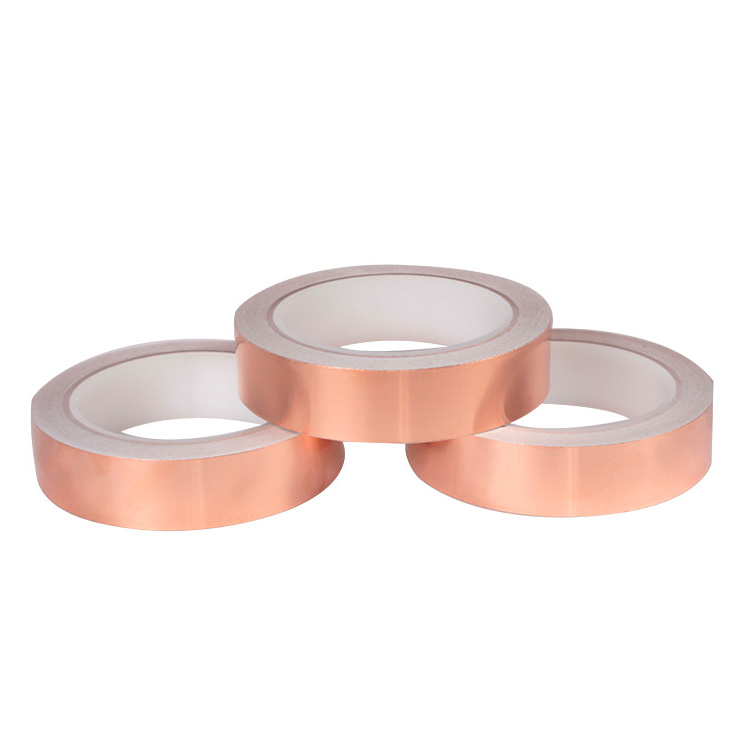
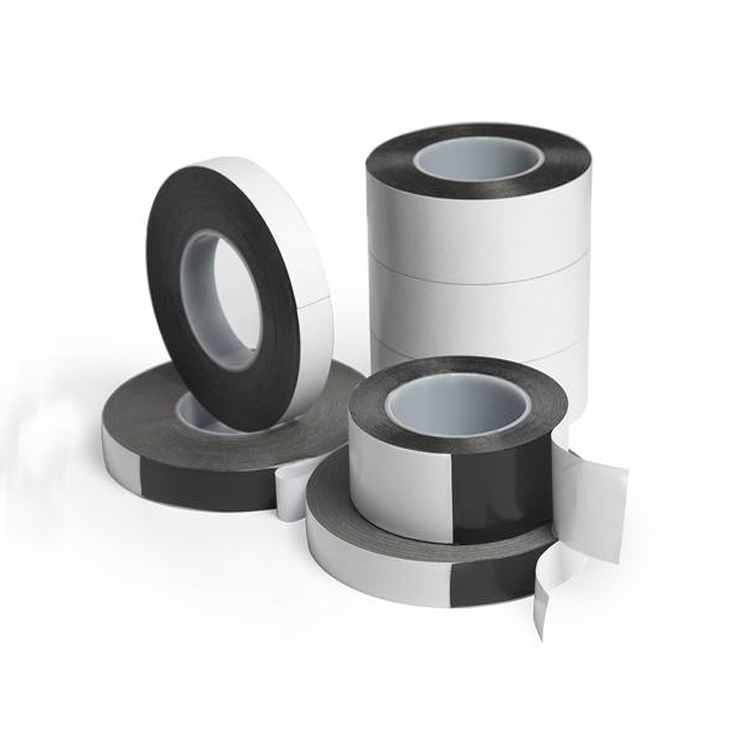
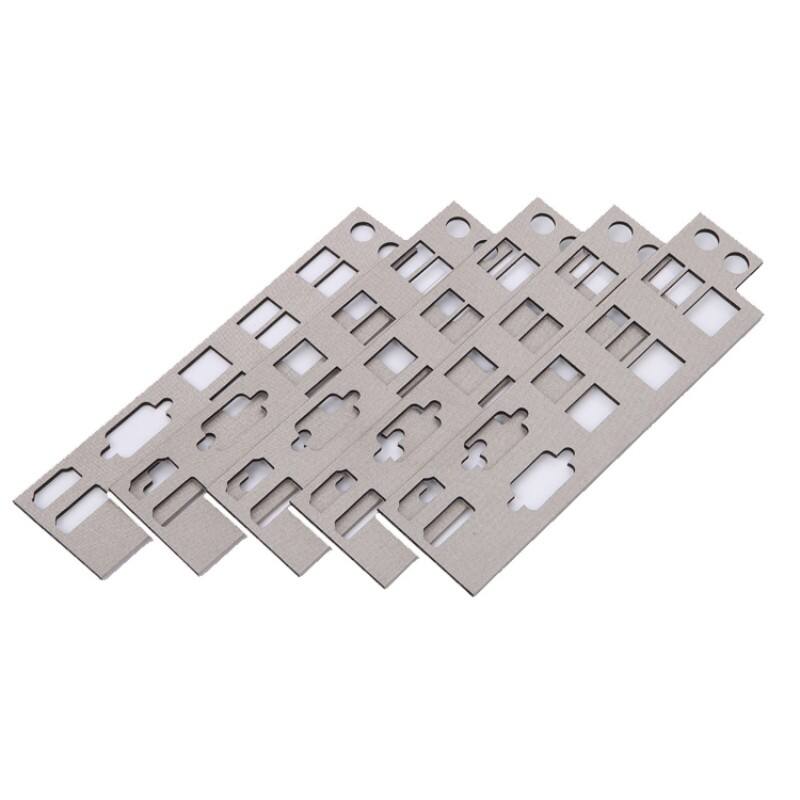
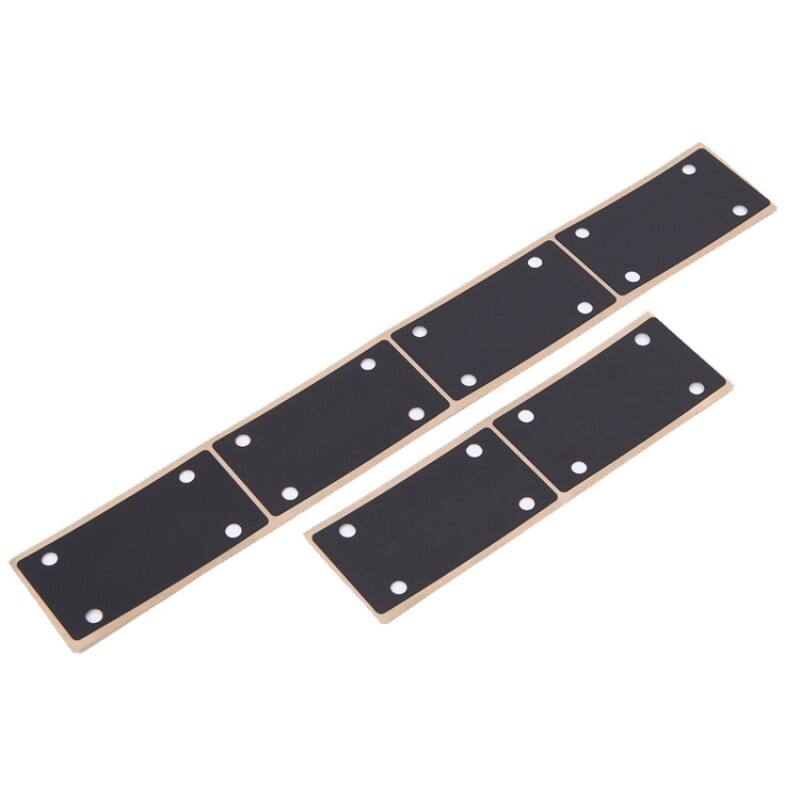
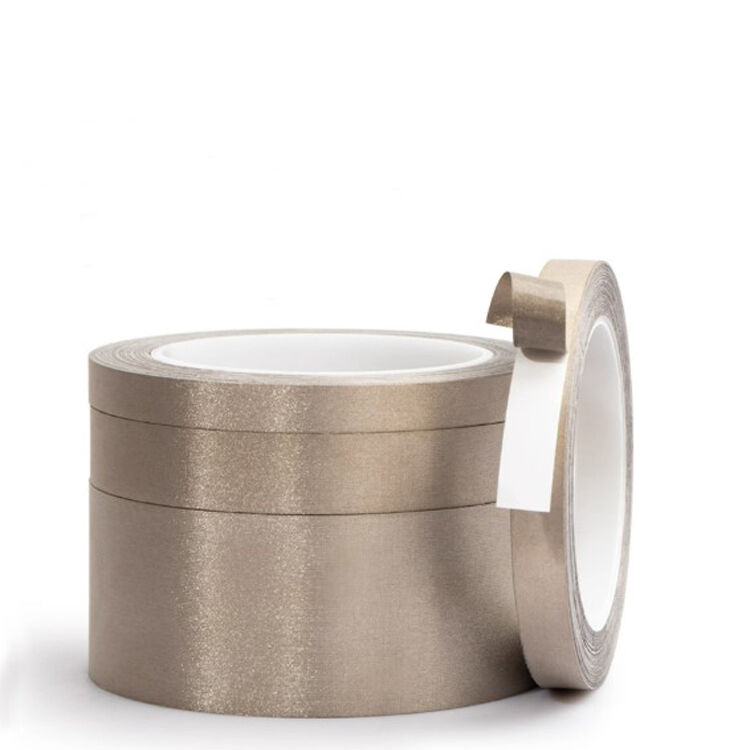
Original Equipment Manufacturers across diverse industries are increasingly recognizing the critical importance of electromagnetic interference shielding and grounding solutions in their product designs. The growing complexity of electronic systems demands materials that can provide reliable electrical conductivity while maintaining flexibility and adaptability to various form factors. Conductive sponge tape has emerged as a versatile solution that addresses multiple engineering challenges simultaneously, offering unique compressibility characteristics that make it particularly valuable for OEM applications where space constraints and performance requirements intersect.
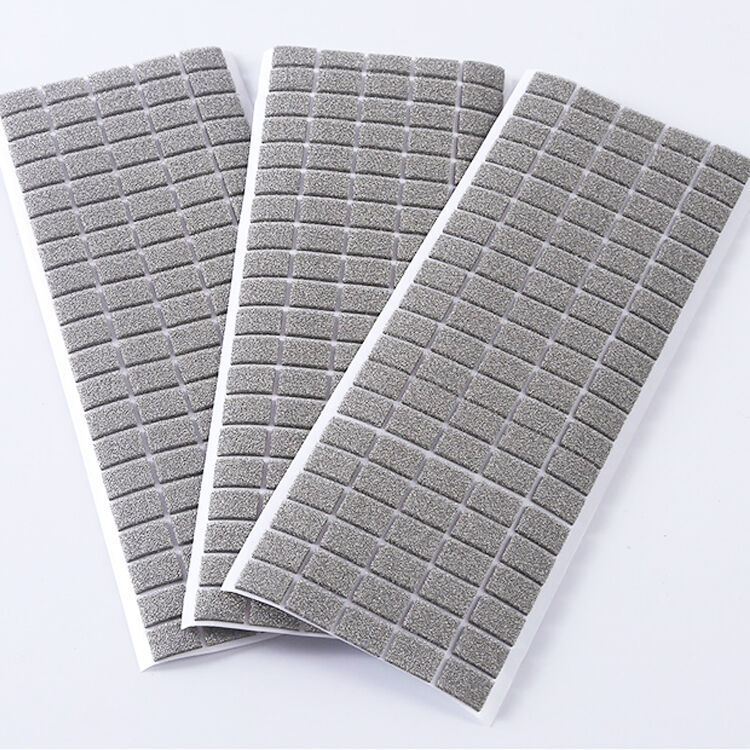
The compressibility benefits of conductive sponge tape extend far beyond simple space-saving capabilities, encompassing improved electrical performance, enhanced durability, and simplified manufacturing processes. These materials represent a sophisticated engineering solution that combines the cellular structure of foam substrates with conductive coatings or impregnations, creating products that can compress significantly while maintaining their electrical properties. Understanding these benefits enables OEMs to make informed decisions about material selection and application strategies that can significantly impact product performance and cost-effectiveness.
Material Composition and Compressibility Fundamentals
Cellular Structure Engineering
The foundation of conductive sponge tape compressibility lies in its carefully engineered cellular structure, which typically consists of open-cell or closed-cell foam substrates that have been treated with conductive materials. This cellular architecture allows the material to compress under pressure while maintaining pathways for electrical conductivity through the conductive particles or coatings distributed throughout the matrix. The compression ratio of these materials can often reach 50% or more of their original thickness, providing significant flexibility in design applications.
Different foam substrates offer varying compression characteristics, with polyurethane foams generally providing excellent recovery properties and silicone foams offering superior temperature resistance during compression cycles. The choice of base material directly impacts the conductive sponge tape behavior under load, affecting both its mechanical response and electrical performance. Understanding these fundamental properties enables engineers to select materials that will perform optimally in their specific application environments.
Conductive Element Integration
The integration of conductive elements within the sponge structure represents a critical aspect of material performance, as these elements must maintain connectivity even under significant compression. Silver-coated particles, carbon black, and metallic fibers are commonly used conductive additives, each offering different benefits in terms of conductivity, durability, and cost. The distribution and concentration of these conductive elements directly influence how the material behaves under compression while maintaining its electrical properties.
Advanced manufacturing techniques ensure that conductive pathways remain intact throughout the compression range, preventing electrical discontinuities that could compromise EMI shielding effectiveness. The conductive sponge tape maintains low resistance values even when compressed to a fraction of its original thickness, making it suitable for applications where consistent electrical performance is crucial. This reliability under compression distinguishes high-quality conductive foam materials from conventional solutions that may lose effectiveness under mechanical stress.
Electromagnetic Interference Shielding Advantages
Enhanced Contact Pressure and Conductivity
The compressibility of conductive sponge tape provides significant advantages in electromagnetic interference shielding applications by ensuring consistent contact pressure against mating surfaces. When compressed, these materials conform to surface irregularities and maintain intimate contact even under vibration or thermal cycling conditions. This enhanced contact pressure translates directly to improved electrical conductivity between components and better overall shielding effectiveness.
The ability to compress also allows conductive sponge tape to accommodate manufacturing tolerances and assembly variations that might otherwise create gaps in EMI shielding coverage. Traditional rigid conductive materials often fail to maintain adequate contact when faced with dimensional variations, leading to electromagnetic leakage and reduced system performance. The compressible nature of these foam-based materials ensures that shielding integrity is maintained even in less-than-ideal mounting conditions.
Gap Filling and Environmental Sealing
Beyond pure electrical conductivity, compressed conductive sponge tape can effectively seal gaps against environmental contaminants while simultaneously providing EMI shielding. This dual functionality is particularly valuable in automotive, aerospace, and industrial applications where components must be protected from moisture, dust, and other environmental factors. The compressed material creates a barrier that prevents the ingress of contaminants while maintaining the electrical pathways necessary for effective shielding.
The compressibility characteristics allow these materials to fill irregular gaps and accommodate complex geometries that would be challenging to address with rigid shielding materials. This adaptability reduces the need for multiple specialized components and simplifies assembly processes. The conductive sponge tape maintains its sealing properties throughout its operational life, providing long-term protection against both electromagnetic interference and environmental challenges.
Manufacturing and Assembly Benefits
Simplified Installation Processes
The compressible nature of conductive sponge tape significantly simplifies installation and assembly processes for OEMs by eliminating the need for precise thickness control during manufacturing. Unlike rigid conductive materials that require exact dimensional matching, compressible tapes can accommodate a range of gap dimensions, reducing manufacturing complexity and associated costs. This flexibility allows for more forgiving assembly tolerances without compromising electrical or mechanical performance.
Installation typically requires minimal tooling or specialized equipment, as the material can be compressed using standard fastening hardware or assembly fixtures. The self-conforming properties of conductive sponge tape mean that proper contact is achieved automatically during assembly, reducing the skill level required for installation and minimizing the potential for assembly errors. This ease of installation translates to reduced labor costs and improved manufacturing throughput for OEMs.
Cost Reduction Through Versatility
The versatility provided by conductive sponge tape compressibility often enables OEMs to standardize on fewer material variants, reducing inventory costs and simplifying supply chain management. A single compressible tape grade can often replace multiple rigid materials that would otherwise be required to accommodate different gap dimensions or application requirements. This consolidation reduces procurement complexity and can lead to volume pricing advantages.
Additionally, the forgiving nature of compressible materials reduces scrap rates and rework costs associated with dimensional mismatches or assembly errors. When components don't fit perfectly, conductive sponge tape can often compensate through compression, avoiding costly redesign or remanufacturing efforts. This flexibility provides significant value in prototype development and low-volume production scenarios where precision tooling may not be economically justified.
Performance Optimization in Dynamic Applications
Vibration and Shock Absorption
The compressible characteristics of conductive sponge tape provide inherent vibration damping properties that can protect sensitive electronic components from mechanical stress while maintaining electrical connectivity. In applications subject to vibration or shock loading, the material acts as a cushion that absorbs energy and prevents damage to connected components. This dual functionality of electrical connection and mechanical protection is particularly valuable in automotive and aerospace applications.
The ability to compress and recover allows conductive sponge tape to maintain contact pressure even under dynamic loading conditions. Traditional rigid connectors may lose contact or develop intermittent connections under vibration, leading to electrical noise or system malfunctions. The resilient nature of compressed foam materials ensures that electrical pathways remain stable throughout the operational envelope, improving overall system reliability and performance.
Thermal Expansion Accommodation
Temperature variations can cause significant dimensional changes in electronic assemblies, potentially disrupting electrical connections or creating excessive stress on components. Compressible conductive sponge tape can accommodate these thermal expansion effects by adjusting its compressed thickness as components expand and contract. This accommodation prevents the development of gaps that could compromise EMI shielding while avoiding excessive forces that might damage components.
The thermal properties of the foam substrate and conductive elements must be carefully considered to ensure that the compressed material maintains its properties throughout the expected temperature range. High-quality conductive sponge tape materials are designed to provide stable electrical performance across wide temperature ranges while maintaining their compressibility characteristics. This thermal stability ensures consistent performance in demanding applications where temperature cycling is common.
Long-term Durability and Reliability Considerations
Compression Set Resistance
The long-term reliability of compressible conductive sponge tape depends significantly on its resistance to compression set, which is the permanent deformation that can occur when materials are held under compression for extended periods. High-quality materials are formulated to minimize compression set while maintaining their conductive properties throughout their operational life. This resistance to permanent deformation ensures that the material continues to provide adequate contact pressure and electrical connectivity over time.
Different foam chemistries exhibit varying compression set characteristics, with silicone-based materials generally providing superior resistance to permanent deformation compared to other foam types. The selection of appropriate base materials and manufacturing processes directly impacts the long-term performance of conductive sponge tape in compressed applications. Understanding these characteristics enables OEMs to make informed decisions about material selection based on their specific application requirements and expected service life.
Environmental Resistance Under Compression
Compressed conductive sponge tape must maintain its properties when exposed to environmental factors such as humidity, chemicals, and UV radiation while under mechanical load. The compression of the material can affect its permeability to moisture and other contaminants, potentially impacting its long-term durability. High-quality materials are designed to resist environmental degradation even when compressed, ensuring reliable performance throughout their service life.
The interaction between compression and environmental exposure can be complex, as compressed materials may have different diffusion characteristics compared to their uncompressed state. This consideration is particularly important in sealed applications where the compressed conductive sponge tape serves as both an electrical conductor and an environmental barrier. Understanding these interactions enables better material selection and application design for long-term reliability.
Application-Specific Compressibility Benefits
Electronics Enclosure Design
In electronics enclosure applications, the compressibility of conductive sponge tape enables designers to create effective EMI gaskets that accommodate manufacturing tolerances while maintaining reliable electrical contact. The material can be compressed to fill gaps between enclosure components, preventing electromagnetic leakage while providing a cushioned interface that protects against mechanical damage. This capability is particularly valuable in handheld devices where space constraints and durability requirements are paramount.
The ability to compress also allows for the creation of multiple sealing planes within a single gasket design, providing redundant protection against EMI leakage. Compressed conductive sponge tape can conform to complex enclosure geometries, including corners and irregular surfaces, ensuring comprehensive coverage. This adaptability reduces the need for custom-molded gaskets and enables more flexible enclosure designs that can be easily modified or updated.
Automotive and Transportation Applications
The automotive industry presents unique challenges for conductive materials due to the combination of vibration, temperature cycling, and space constraints. Compressible conductive sponge tape addresses these challenges by providing reliable electrical connectivity while accommodating the dynamic environment typical of vehicle applications. The material's ability to compress and recover ensures that connections remain stable even under severe operating conditions.
In electric and hybrid vehicles, the compressibility of conductive sponge tape is particularly valuable for battery pack applications where thermal management and EMI control are critical. The material can accommodate thermal expansion of battery cells while maintaining electrical contact for monitoring and safety systems. This capability is essential for ensuring the safe and reliable operation of energy storage systems in demanding automotive environments.
FAQ
How much compression can conductive sponge tape typically withstand without losing electrical properties
Most high-quality conductive sponge tape materials can compress to 25-50% of their original thickness while maintaining effective electrical conductivity. The exact compression ratio depends on the specific foam substrate and conductive element design. Materials designed for high-compression applications can often compress to as little as 10-20% of their original thickness while still providing adequate electrical pathways for EMI shielding and grounding applications. The key is ensuring that the conductive network remains intact throughout the compression range.
What factors should OEMs consider when selecting compressible conductive materials for their applications
OEMs should evaluate several critical factors including the required compression range, environmental conditions, electrical conductivity requirements, and long-term durability needs. The operating temperature range, chemical exposure, and mechanical stress levels all impact material selection. Additionally, considerations such as flame resistance requirements, outgassing characteristics for sensitive applications, and cost constraints play important roles in the selection process. Working with material suppliers to understand these parameters ensures optimal performance in the intended application.
Can compressed conductive sponge tape maintain its properties after repeated compression cycles
High-quality conductive sponge tape materials are designed to withstand thousands of compression cycles while maintaining their electrical and mechanical properties. The resilience depends on the foam chemistry, compression level, and environmental conditions during cycling. Silicone-based foams typically offer superior cycle life compared to other materials, while proper application design that avoids over-compression helps maximize longevity. Testing under actual application conditions is recommended to verify long-term performance for critical applications.
How does the compressibility of conductive sponge tape compare to traditional rigid shielding materials in terms of installation time and cost
Compressible conductive sponge tape typically reduces installation time by 30-50% compared to rigid shielding materials due to its self-conforming properties and tolerance for dimensional variations. The elimination of precise fitting requirements and the ability to accommodate assembly tolerances significantly streamlines the installation process. While the material cost may be slightly higher than some rigid alternatives, the total cost of ownership is often lower when considering reduced labor costs, fewer assembly errors, and the ability to use a single material grade across multiple applications.
Table of Contents
- Material Composition and Compressibility Fundamentals
- Electromagnetic Interference Shielding Advantages
- Manufacturing and Assembly Benefits
- Performance Optimization in Dynamic Applications
- Long-term Durability and Reliability Considerations
- Application-Specific Compressibility Benefits
-
FAQ
- How much compression can conductive sponge tape typically withstand without losing electrical properties
- What factors should OEMs consider when selecting compressible conductive materials for their applications
- Can compressed conductive sponge tape maintain its properties after repeated compression cycles
- How does the compressibility of conductive sponge tape compare to traditional rigid shielding materials in terms of installation time and cost
