
 EN
EN
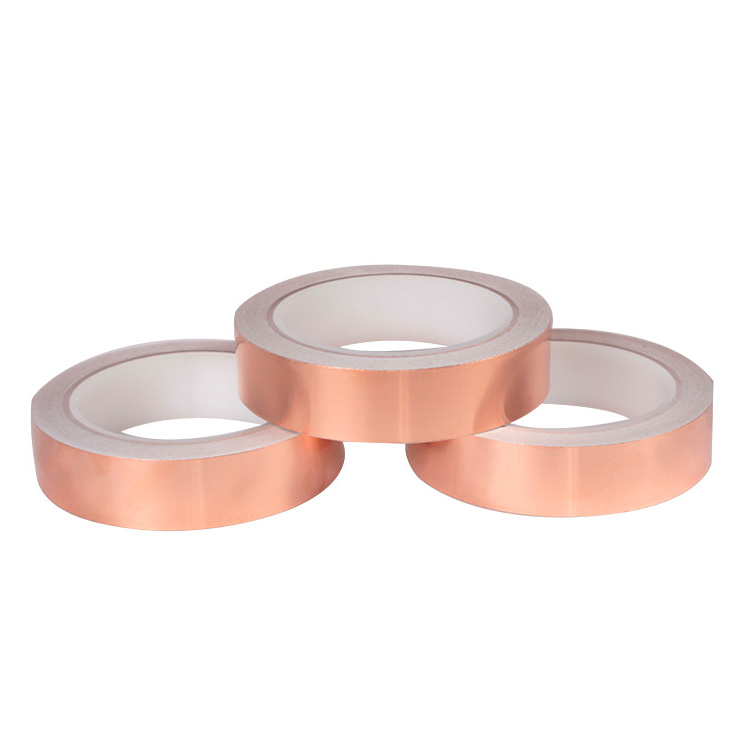
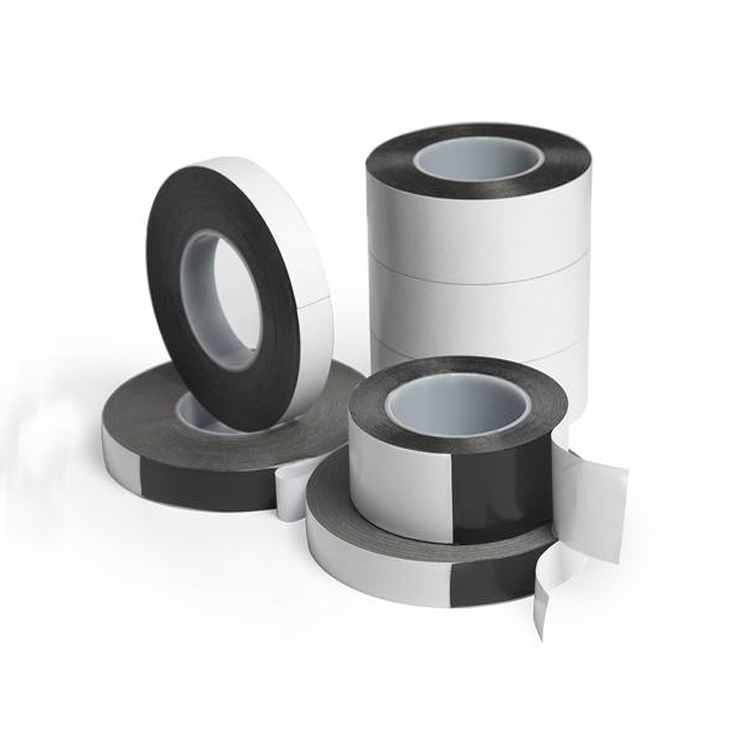
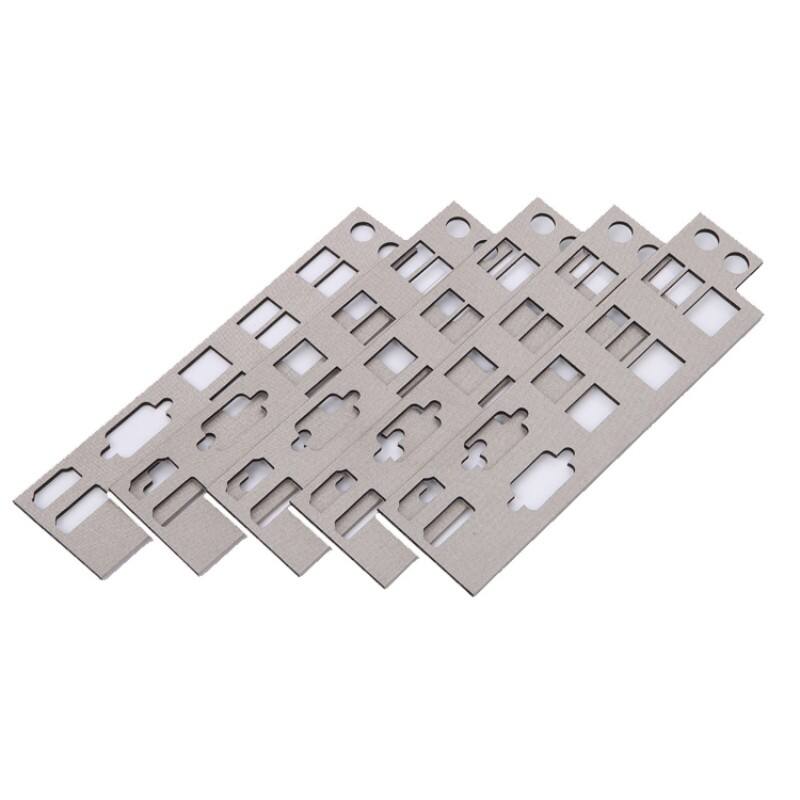
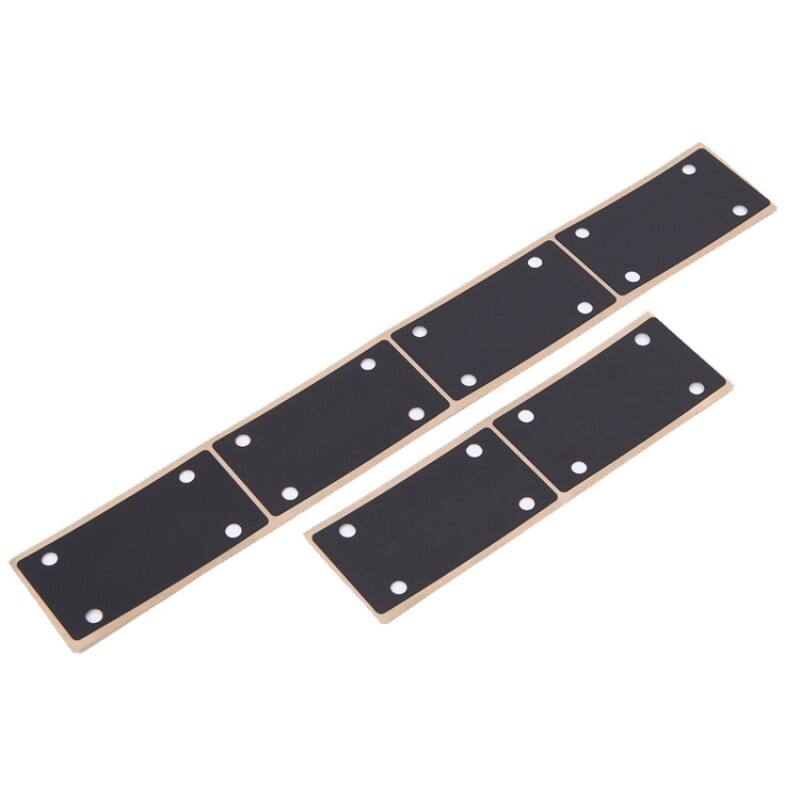
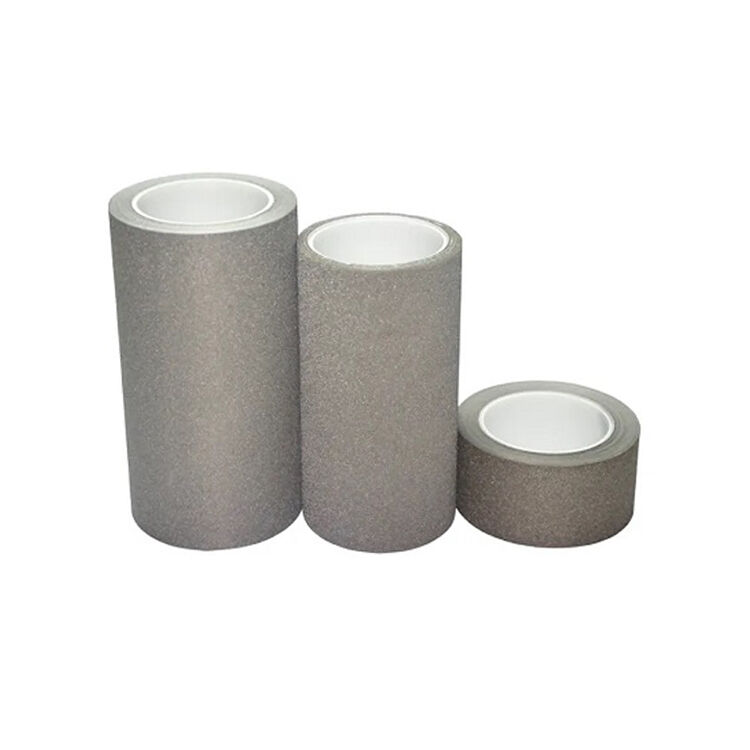
Understanding the mechanical properties of adhesive materials is crucial for engineers and manufacturers seeking optimal bonding solutions in demanding applications. Among these properties, shear strength stands as a critical performance indicator that determines how well an adhesive can withstand forces applied parallel to its bonding surface. When evaluating double-sided tape options for industrial applications, shear strength characteristics often differentiate superior products from standard alternatives, making this parameter essential for decision-making in manufacturing processes.
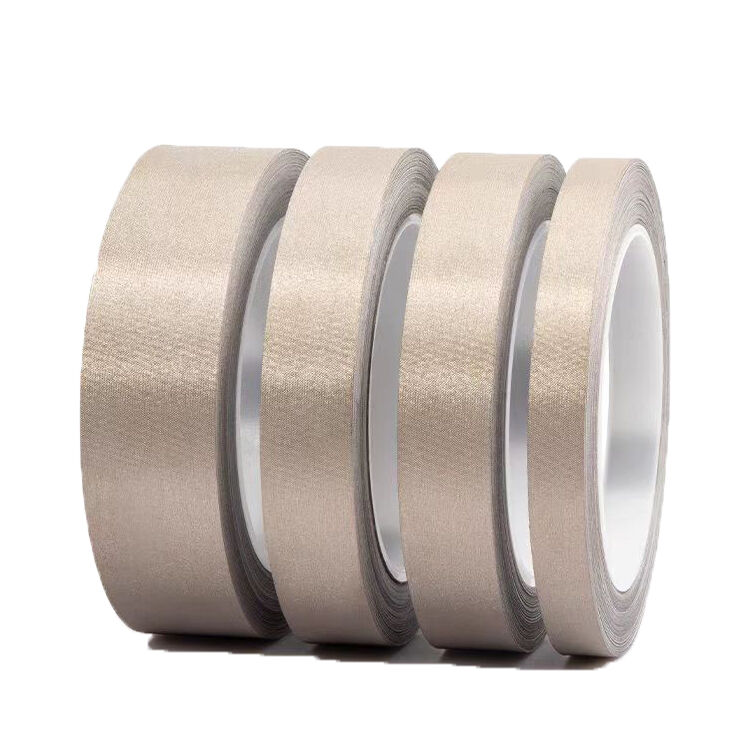
The unique construction of premium double-sided tape incorporates specialized polymer matrices and reinforcement materials that significantly enhance resistance to sliding forces. Unlike conventional adhesives that may fail under lateral stress, advanced double-sided tape formulations maintain their structural integrity even when subjected to continuous shearing motions. This enhanced performance stems from carefully engineered molecular chains that create strong intermolecular bonds while maintaining flexibility under stress conditions.
Material Composition and Structural Benefits
Advanced Polymer Matrix Design
The foundation of superior shear strength in double-sided tape lies within its sophisticated polymer composition. Modern formulations utilize cross-linked acrylic adhesives that form dense networks of molecular chains, creating multiple pathways for stress distribution. This three-dimensional structure allows the double-sided tape to absorb and dissipate shearing forces across its entire bonding area rather than concentrating stress at specific failure points.
Temperature stability plays a crucial role in maintaining shear strength characteristics across varying environmental conditions. Premium double-sided tape incorporates thermally stable polymers that resist softening at elevated temperatures, ensuring consistent performance in applications where thermal cycling occurs. This thermal resistance prevents the adhesive matrix from losing its structural integrity when exposed to heat generated by electronic components or industrial processes.
Reinforcement Technology Integration
Strategic incorporation of reinforcing elements within the adhesive matrix significantly enhances the shear strength capabilities of specialized double-sided tape. Microscopic fibers or particles distributed throughout the adhesive layer create additional anchoring points that resist deformation under lateral forces. These reinforcement elements work synergistically with the base polymer to create a composite structure that outperforms conventional adhesive materials.
The manufacturing process for reinforced double-sided tape involves precise control of reinforcement density and distribution to optimize mechanical properties without compromising flexibility. Advanced production techniques ensure uniform dispersion of strengthening elements throughout the adhesive matrix, preventing weak spots that could lead to premature failure under shear stress conditions.
Performance Characteristics Under Stress
Dynamic Load Response
Superior double-sided tape demonstrates exceptional performance when subjected to dynamic loading conditions that simulate real-world applications. Unlike static testing scenarios, dynamic stress patterns more accurately represent the complex force combinations encountered in industrial environments. The enhanced molecular structure of premium double-sided tape allows it to absorb cyclic loading without experiencing fatigue failure that commonly affects lesser adhesive materials.
Creep resistance represents another critical advantage of high-performance double-sided tape under sustained shear loading. The cross-linked polymer network resists gradual deformation over time, maintaining dimensional stability even when subjected to continuous lateral forces. This characteristic proves essential in applications where long-term reliability is paramount, such as electronic device assembly or structural bonding applications.
Environmental Durability Factors
Environmental exposure can significantly impact the shear strength performance of adhesive materials, making resistance to degradation a key advantage of premium double-sided tape. Moisture resistance prevents water molecules from penetrating the adhesive matrix and weakening intermolecular bonds that provide shear strength. Advanced formulations incorporate hydrophobic elements that repel moisture while maintaining breathability to prevent trapped vapors from compromising bond integrity.
Chemical resistance further enhances the longevity of shear strength performance in challenging environments. The robust polymer chains in high-quality double-sided tape resist degradation from common industrial solvents, oils, and cleaning agents that might compromise conventional adhesives. This chemical stability ensures consistent shear strength performance throughout the service life of bonded assemblies.
Application-Specific Advantages
Electronic Device Integration
In electronic applications, the shear strength advantages of specialized double-sided tape become particularly evident when securing components that experience thermal expansion and contraction cycles. The flexible yet strong bonding characteristics allow the adhesive to accommodate dimensional changes without losing its grip on bonded surfaces. This flexibility prevents stress concentrations that could damage delicate electronic components or create gaps in critical sealing applications.
Conductive variants of double-sided tape offer additional benefits by maintaining electrical continuity while providing mechanical bonding strength. The integration of conductive particles within the adhesive matrix creates pathways for electrical current while preserving the shear strength characteristics essential for secure component attachment. This dual functionality eliminates the need for separate bonding and grounding solutions in electronic assemblies.
Industrial Manufacturing Applications
Manufacturing processes often subject bonded assemblies to vibration, shock, and other dynamic forces that challenge the integrity of adhesive bonds. The superior shear strength of premium double-sided tape provides reliable performance in these demanding environments, reducing the risk of assembly failure and associated downtime. The consistent bonding characteristics enable manufacturers to implement automated application processes with confidence in the reliability of the adhesive performance.
Quality control benefits emerge from the predictable shear strength performance of high-grade double-sided tape. Consistent adhesive properties reduce variability in assembly processes and enable more precise engineering calculations for bond design. This reliability facilitates the development of lighter, more efficient products by allowing engineers to optimize designs based on known adhesive performance parameters.
Comparative Performance Analysis
Traditional Adhesive Limitations
Conventional bonding methods often exhibit limited shear strength capabilities that restrict their applicability in demanding environments. Liquid adhesives may require curing time and specific environmental conditions that complicate manufacturing processes, while their final shear strength characteristics can vary significantly based on application technique and environmental factors during curing. These variables introduce uncertainty that premium double-sided tape eliminates through its consistent, ready-to-use performance characteristics.
Mechanical fasteners provide high strength but create stress concentrations and require precise hole placement that may weaken substrate materials. The distributed loading characteristics of double-sided tape spread forces across the entire bonding area, reducing peak stresses and minimizing the risk of substrate damage. This advantage becomes particularly important when working with thin or fragile materials that cannot accommodate mechanical fastening methods.
Cost-Effectiveness Considerations
The total cost of ownership for bonding solutions extends beyond initial material costs to include application time, equipment requirements, and long-term reliability factors. Premium double-sided tape offers immediate application capability without requiring mixing, curing, or specialized application equipment. This simplicity reduces labor costs and eliminates the potential for application errors that could compromise bond strength or require rework.
Maintenance and replacement considerations favor double-sided tape solutions in applications where periodic service access is required. The reversible nature of many premium adhesive formulations allows for component replacement or repair without damaging bonded substrates, reducing long-term maintenance costs and extending the service life of assemblies.
Testing and Validation Methods
Standardized Testing Protocols
Industry-standard testing methods provide reliable means for evaluating and comparing the shear strength performance of different double-sided tape products. ASTM and ISO testing protocols establish consistent parameters for load application rates, sample preparation, and environmental conditions that ensure reproducible results. These standardized approaches enable engineers to make informed decisions based on quantitative performance data rather than subjective assessments.
Accelerated aging tests reveal how shear strength characteristics may change over extended periods or under challenging environmental conditions. These predictive testing methods help identify potential failure modes and establish realistic service life expectations for bonded assemblies. Understanding long-term performance trends enables more accurate engineering calculations and appropriate safety factors in critical applications.
Quality Assurance Implementation
Incoming inspection procedures for double-sided tape should include verification of shear strength specifications to ensure consistent product quality. Statistical process control methods can track performance variations and identify trends that might indicate manufacturing process changes or raw material variations. This proactive approach to quality management helps maintain reliable bonding performance across production runs.
Application-specific testing protocols may be necessary to validate performance under conditions that differ from standard test methods. Custom testing scenarios can evaluate the effects of specific environmental conditions, loading patterns, or substrate combinations relevant to particular applications. This targeted validation approach provides confidence in adhesive performance for critical applications where standard test data may not fully represent service conditions.
FAQ
How does shear strength differ from tensile strength in double-sided tape applications
Shear strength measures resistance to forces applied parallel to the bonding surface, while tensile strength evaluates resistance to forces perpendicular to the bond line. In most practical applications, shear loading is more common and often determines the overall performance of double-sided tape bonds. The molecular structure and reinforcement methods that enhance shear strength may differ from those optimized for tensile performance, making shear strength a more relevant parameter for most industrial applications.
What environmental factors most significantly impact the shear strength of double-sided tape
Temperature represents the most significant environmental factor affecting shear strength performance, as elevated temperatures can soften adhesive materials and reduce their resistance to deformation. Humidity and chemical exposure also play important roles, particularly in long-term applications where moisture or solvents may gradually penetrate the adhesive matrix. UV radiation can degrade certain polymer chains over time, though this factor primarily affects outdoor or high-intensity lighting applications.
Can the shear strength of double-sided tape be enhanced through surface preparation techniques
Proper surface preparation significantly influences the effective shear strength of double-sided tape bonds by improving the contact area and adhesion quality between the tape and substrate. Cleaning removes contaminants that could create weak interface regions, while surface roughening can increase mechanical interlocking. However, the inherent shear strength of the adhesive material itself remains constant regardless of surface preparation quality.
How do thickness variations in double-sided tape affect shear strength performance
Thicker double-sided tape generally provides greater shear strength due to the increased volume of adhesive material available to resist deformation. However, very thick tapes may be more susceptible to cohesive failure within the adhesive layer rather than adhesive failure at the interface. The optimal thickness depends on the specific application requirements and the balance between flexibility and strength needed for the particular bonding scenario.
Table of Contents
- Material Composition and Structural Benefits
- Performance Characteristics Under Stress
- Application-Specific Advantages
- Comparative Performance Analysis
- Testing and Validation Methods
-
FAQ
- How does shear strength differ from tensile strength in double-sided tape applications
- What environmental factors most significantly impact the shear strength of double-sided tape
- Can the shear strength of double-sided tape be enhanced through surface preparation techniques
- How do thickness variations in double-sided tape affect shear strength performance
