
 EN
EN
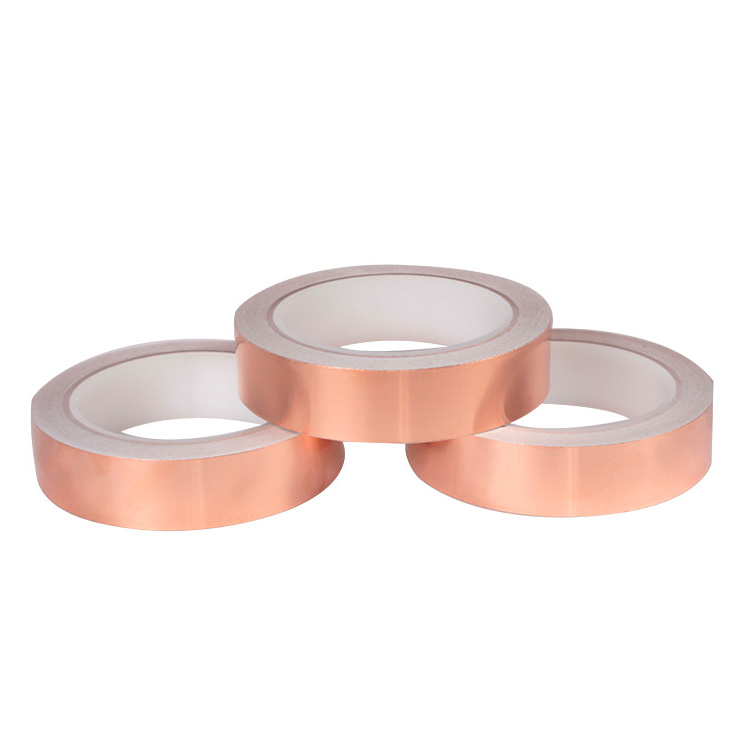
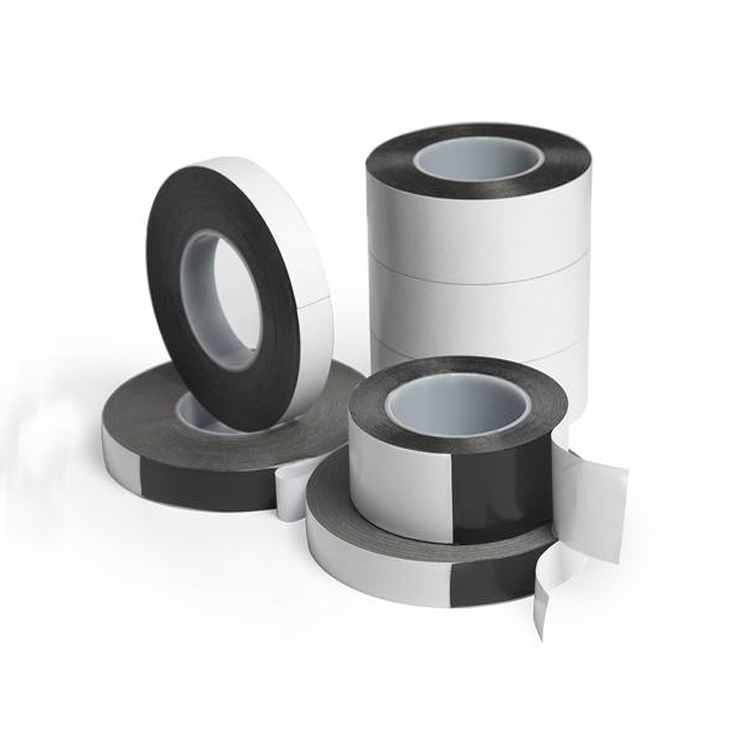
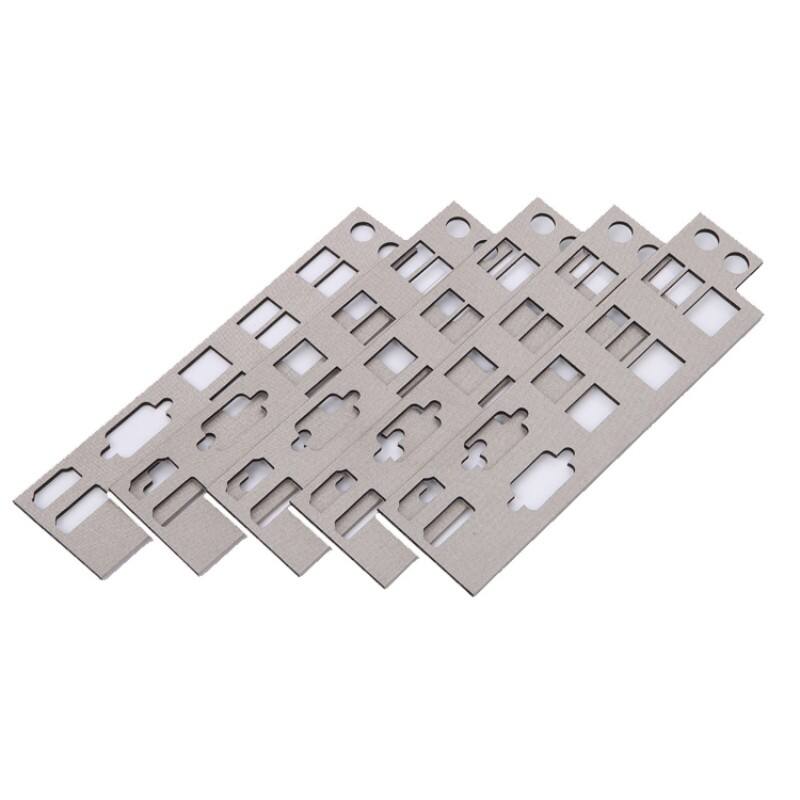
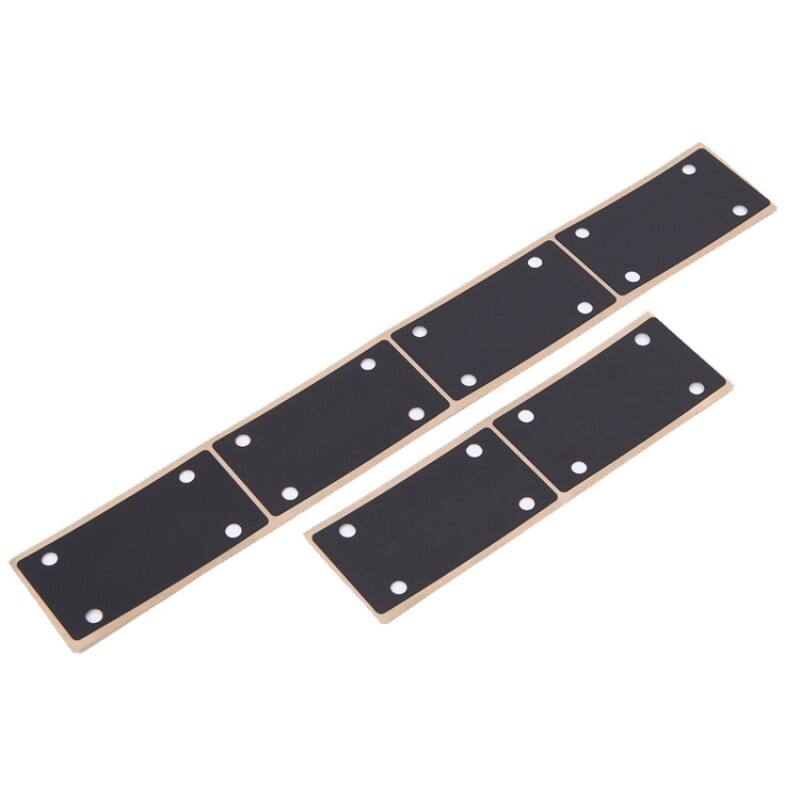
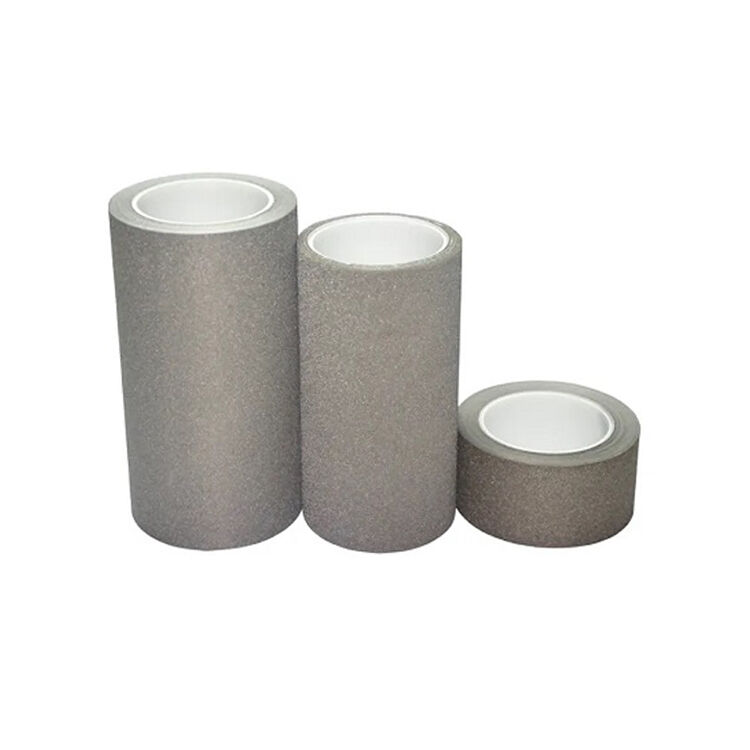
High-grade conductive copper foil tape represents a critical component in modern electronics manufacturing and repair applications. This specialized adhesive material combines the superior electrical conductivity of pure copper with the convenience of pressure-sensitive backing, creating an essential tool for professionals working with electronic circuits, electromagnetic interference shielding, and precision soldering operations. The unique properties of conductive copper foil tape make it indispensable for applications requiring reliable electrical connections, grounding solutions, and electromagnetic compatibility in compact electronic devices.
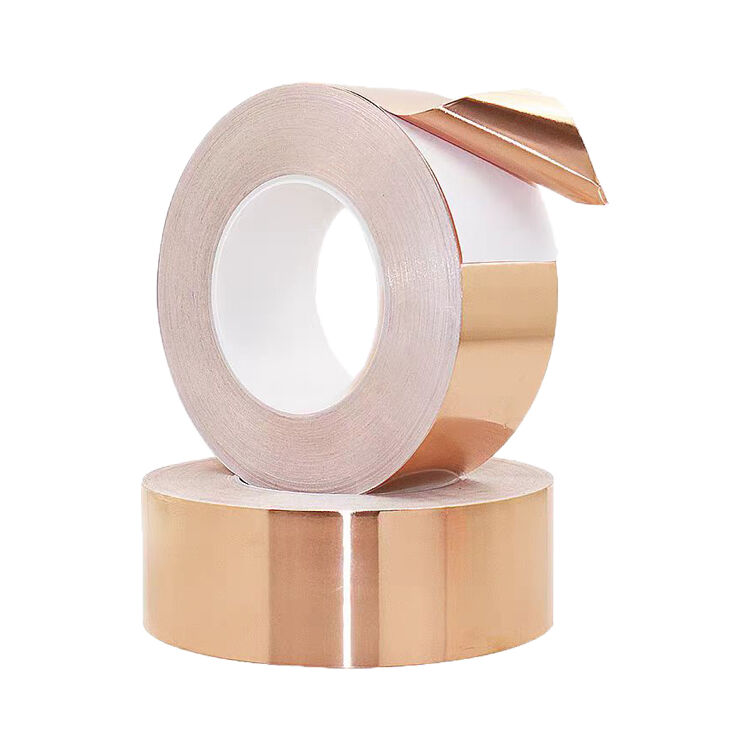
Superior Electrical Conductivity Properties
Enhanced Current Carrying Capacity
The exceptional electrical conductivity of conductive copper foil tape stems from its high-purity copper construction, which provides minimal resistance pathways for electrical current flow. Premium-grade copper materials used in professional-quality tape products typically achieve conductivity levels exceeding 95% of pure copper standards. This superior performance characteristic enables efficient power transmission and signal integrity across various electronic applications, from circuit board repairs to custom electronic assemblies.
Manufacturing processes for high-grade conductive copper foil tape involve precise control of copper purity levels and foil thickness consistency. The resulting material demonstrates excellent current-carrying capacity while maintaining flexibility and conformability to irregular surfaces. These properties make conductive copper foil tape particularly valuable for applications requiring both mechanical flexibility and electrical reliability, such as flexible printed circuit board connections and temporary circuit modifications during prototyping phases.
Low Resistance Performance Metrics
Professional-grade conductive copper foil tape exhibits exceptionally low electrical resistance characteristics, typically measuring less than 0.05 ohms per square inch of surface area. This minimal resistance ensures efficient electrical conduction while preventing voltage drops and power losses that could compromise circuit performance. The consistent resistance properties across the tape surface enable predictable electrical behavior in both DC and AC applications, making it suitable for high-frequency signal transmission and power distribution circuits.
Temperature stability represents another crucial aspect of resistance performance in quality conductive copper foil tape products. Advanced manufacturing techniques ensure that resistance values remain stable across operating temperature ranges from -40°C to 120°C, providing reliable electrical performance in demanding environmental conditions. This temperature stability proves essential for automotive electronics, aerospace applications, and industrial control systems where temperature variations are common operational factors.
Soldering Compatibility and Advantages
Optimal Solder Joint Formation
The soldering benefits of conductive copper foil tape become particularly apparent when forming reliable electrical connections in electronic assemblies. The pure copper surface provides excellent wetting characteristics with standard lead-free and leaded solder alloys, ensuring strong metallurgical bonds between the tape and soldered components. This compatibility eliminates the need for special flux formulations or modified soldering temperatures, streamlining the assembly process while maintaining connection reliability.
Surface preparation requirements for soldering conductive copper foil tape are minimal compared to alternative conductive materials. The clean copper surface readily accepts solder without extensive cleaning or chemical treatment, reducing processing time and material costs in manufacturing environments. Additionally, the thermal conductivity of copper facilitates even heat distribution during soldering operations, preventing localized overheating that could damage sensitive electronic components or adhesive backing materials.
Joint Strength and Durability
Solder joints formed with high-quality conductive copper foil tape demonstrate exceptional mechanical strength and long-term reliability under thermal cycling conditions. The copper material provides a robust foundation for solder attachment, while the tape's flexibility accommodates thermal expansion and contraction without compromising joint integrity. This combination of strength and flexibility makes conductive copper foil tape ideal for applications subjected to vibration, temperature variations, and mechanical stress.
Long-term performance testing of solder joints involving conductive copper foil tape reveals excellent resistance to fatigue failure and corrosion effects. The pure copper composition resists oxidation better than copper alloys, maintaining consistent electrical performance over extended service periods. Professional manufacturers often specify conductive copper foil tape for critical applications where joint reliability directly impacts system safety and performance, such as medical devices and aerospace electronics.
EMI Shielding and Grounding Applications
Electromagnetic Interference Suppression
High-grade conductive copper foil tape serves as an effective electromagnetic interference shielding solution in sensitive electronic equipment and enclosures. The continuous copper surface creates a Faraday cage effect when properly applied, attenuating unwanted electromagnetic radiation across a broad frequency spectrum. This shielding capability proves essential in modern electronics where multiple devices operate in close proximity, potentially creating interference issues that could degrade performance or cause regulatory compliance problems.
Application techniques for EMI shielding with conductive copper foil tape require attention to continuity and overlap details to maintain effective shielding performance. Proper installation involves ensuring electrical continuity across seams and corners, often achieved through soldering connections at critical junction points. The solderable surface of quality conductive copper foil tape facilitates these connection requirements, enabling comprehensive shielding solutions that meet stringent EMI/EMC testing standards.
Grounding System Implementation
Effective grounding systems in electronic equipment often incorporate conductive copper foil tape as a flexible connection medium between chassis components and circuit boards. The tape's ability to conform to irregular surfaces while maintaining excellent electrical contact makes it valuable for establishing reliable ground paths in compact electronic assemblies. Soldering connections to ground points ensures permanent, low-impedance ground paths that remain stable throughout the equipment's operational lifetime.
Ground loop prevention represents another important application where conductive copper foil tape provides significant advantages over rigid grounding methods. The flexible nature of tape connections allows for controlled impedance grounding schemes that minimize ground loop formation while maintaining effective electromagnetic compatibility. Professional system designers frequently specify conductive copper foil tape for critical grounding applications where both electrical performance and mechanical flexibility are required.
Manufacturing and Processing Benefits
Production Efficiency Advantages
Manufacturing processes benefit significantly from the ease of handling and application characteristics of conductive copper foil tape. Unlike traditional copper sheets or wire connections, tape products can be quickly applied using standard dispensing equipment or manual application techniques. This efficiency advantage reduces assembly time and labor costs while maintaining consistent quality standards across production runs. The pressure-sensitive adhesive backing eliminates the need for mechanical fasteners or complex attachment procedures in many applications.
Quality control procedures for conductive copper foil tape applications are straightforward and easily integrated into existing manufacturing workflows. Visual inspection techniques can quickly identify proper placement and adhesion, while electrical testing protocols can verify conductivity and continuity requirements. The solderable surface properties of high-grade conductive copper foil tape ensure that subsequent soldering operations proceed smoothly without special preparation steps or modified process parameters.
Cost-Effectiveness Considerations
Economic benefits of using conductive copper foil tape extend beyond initial material costs to include reduced processing time, simplified tooling requirements, and improved yield rates in manufacturing operations. The versatility of tape products enables standardization of connection methods across diverse product lines, reducing inventory complexity and training requirements for assembly personnel. Additionally, the reworkability of soldered conductive copper foil tape connections facilitates repair and modification operations without extensive disassembly procedures.
Long-term cost analysis often favors conductive copper foil tape solutions due to their reliability and durability characteristics. Reduced warranty claims and field service requirements result from the stable electrical performance and mechanical integrity of properly applied tape connections. These reliability benefits become particularly significant in applications where field service access is limited or costly, such as automotive electronics and industrial control systems installed in remote locations.
Technical Specifications and Performance Standards
Material Composition Requirements
Professional-grade conductive copper foil tape products must meet stringent material composition standards to ensure consistent electrical and mechanical performance. Copper purity levels typically exceed 99.9%, with controlled trace element content that maintains optimal conductivity while providing adequate mechanical strength. The foil thickness specifications usually range from 0.035mm to 0.070mm, depending on application requirements for flexibility and current-carrying capacity. Adhesive backing materials must demonstrate compatibility with soldering temperatures while maintaining long-term adhesion strength.
Quality conductive copper foil tape products undergo comprehensive testing protocols that verify electrical conductivity, adhesion strength, temperature resistance, and chemical compatibility characteristics. These performance standards ensure that tape products will perform reliably across their intended application range while maintaining consistency between production batches. Certification requirements often include compliance with international standards such as IPC specifications for electronic materials and UL recognition for electrical safety applications.
Environmental Performance Criteria
Environmental testing requirements for conductive copper foil tape include evaluation of performance under humidity, temperature cycling, chemical exposure, and UV radiation conditions. High-quality products demonstrate stable electrical properties and adhesion characteristics across temperature ranges from -55°C to 150°C, with minimal degradation after extended exposure periods. Humidity resistance testing ensures that conductive copper foil tape maintains effective electrical performance in high-moisture environments without corrosion or adhesion failure.
Chemical compatibility assessment addresses potential interactions between conductive copper foil tape and common electronic materials such as flux residues, cleaning solvents, and conformal coating materials. Professional-grade products demonstrate resistance to common industrial chemicals while maintaining their electrical and mechanical properties. This chemical stability ensures that conductive copper foil tape connections remain reliable throughout manufacturing processes and operational service periods.
Application Guidelines and Best Practices
Surface Preparation Techniques
Proper surface preparation represents a critical factor in achieving optimal performance from conductive copper foil tape installations. Substrate surfaces should be clean, dry, and free from oils, oxides, or other contaminants that could interfere with adhesion or electrical contact. Standard cleaning procedures typically involve degreasing with appropriate solvents followed by light abrasion to remove oxide layers and improve surface texture for enhanced adhesive bonding.
Temperature considerations during application affect both immediate adhesion and long-term performance of conductive copper foil tape connections. Optimal application temperatures typically range from 18°C to 25°C with relative humidity levels below 60%. These conditions ensure proper adhesive flow and bonding while preventing moisture entrapment that could compromise electrical performance. Post-application pressure application helps achieve maximum contact area and optimal electrical conductivity across the tape interface.
Installation and Connection Methods
Installation techniques for conductive copper foil tape vary depending on application requirements and environmental conditions. Simple applications may require only pressure application and overlap sealing, while critical connections often benefit from soldered reinforcement at key junction points. The solderable surface of quality conductive copper foil tape enables these reinforcement connections without special preparation or modified soldering procedures.
Connection reliability can be enhanced through proper overlap design and mechanical protection measures. Minimum overlap distances of 6mm ensure adequate electrical contact area, while protective covering helps prevent damage from handling or environmental exposure. Professional installation practices include documentation of tape placement and electrical testing to verify performance requirements before final assembly completion.
FAQ
What makes conductive copper foil tape suitable for soldering applications
Conductive copper foil tape is ideal for soldering due to its pure copper composition that provides excellent wetting characteristics with standard solder alloys. The clean copper surface readily accepts solder without extensive preparation, while the material's thermal conductivity ensures even heat distribution during soldering operations. This combination eliminates the need for special flux formulations and prevents localized overheating that could damage components or adhesive backing.
How does the thickness of conductive copper foil tape affect its electrical performance
Thicker conductive copper foil tape generally provides better current-carrying capacity and lower electrical resistance, making it suitable for higher power applications. However, thicker materials may be less flexible and more difficult to conform to irregular surfaces. Standard thickness options range from 0.035mm to 0.070mm, with selection based on balancing electrical requirements against mechanical flexibility needs for specific applications.
Can conductive copper foil tape maintain its properties under high temperature conditions
High-quality conductive copper foil tape maintains stable electrical properties across operating temperatures from -40°C to 120°C, with some specialized products rated for temperatures up to 150°C. The copper material itself has excellent thermal stability, while the adhesive backing is formulated to withstand soldering temperatures without degradation. Temperature cycling tests demonstrate that properly applied tape maintains consistent performance through repeated thermal stress cycles.
What are the key advantages of using conductive copper foil tape over traditional copper wire connections
Conductive copper foil tape offers several advantages over wire connections, including conformability to irregular surfaces, reduced installation time, elimination of mechanical fasteners, and improved EMI shielding coverage. The tape format provides broader contact area for better current distribution and can serve dual purposes as both electrical connection and electromagnetic shielding. Additionally, tape connections are easily reworkable and require less precise positioning compared to discrete wire connections.
Table of Contents
- Superior Electrical Conductivity Properties
- Soldering Compatibility and Advantages
- EMI Shielding and Grounding Applications
- Manufacturing and Processing Benefits
- Technical Specifications and Performance Standards
- Application Guidelines and Best Practices
-
FAQ
- What makes conductive copper foil tape suitable for soldering applications
- How does the thickness of conductive copper foil tape affect its electrical performance
- Can conductive copper foil tape maintain its properties under high temperature conditions
- What are the key advantages of using conductive copper foil tape over traditional copper wire connections
