
 EN
EN
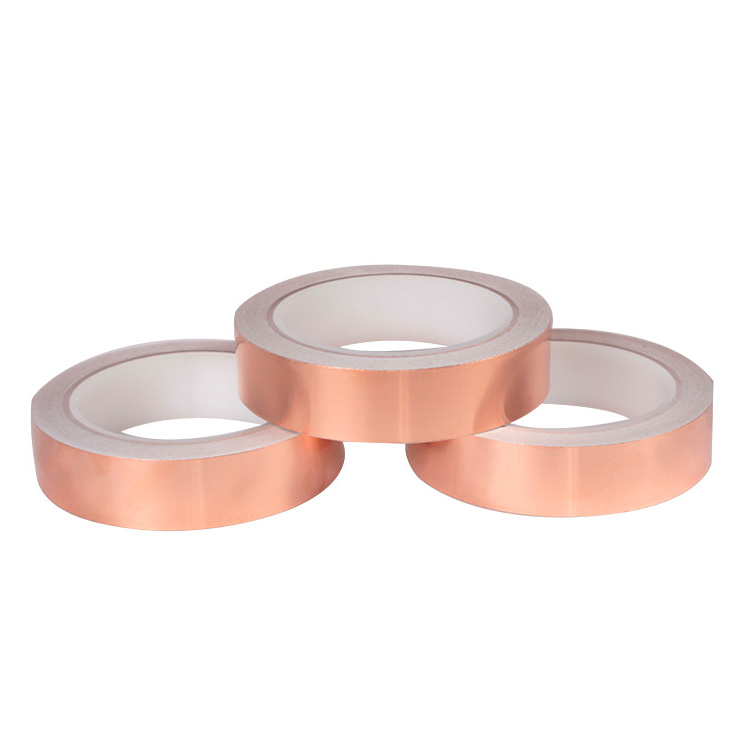
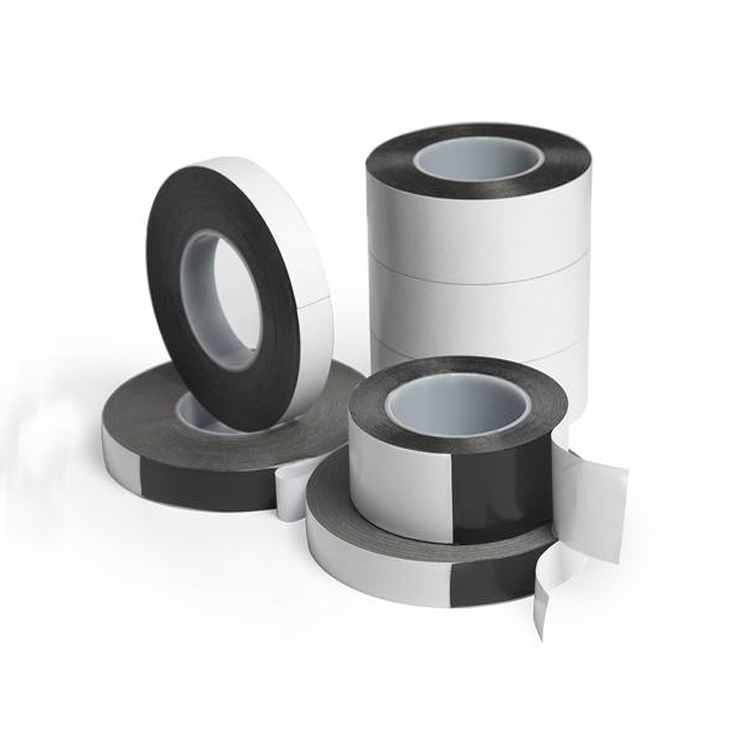
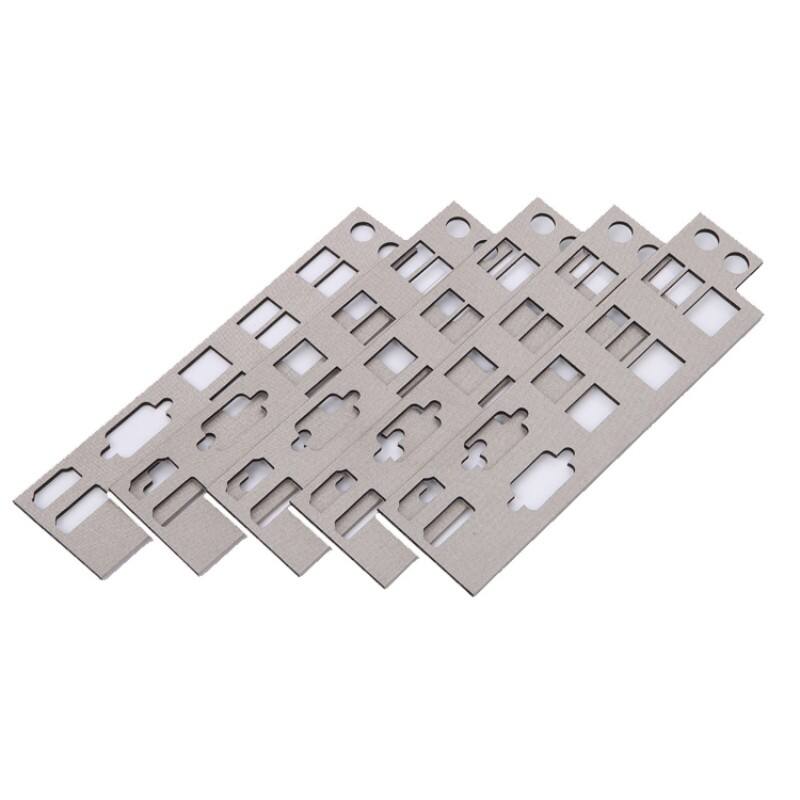
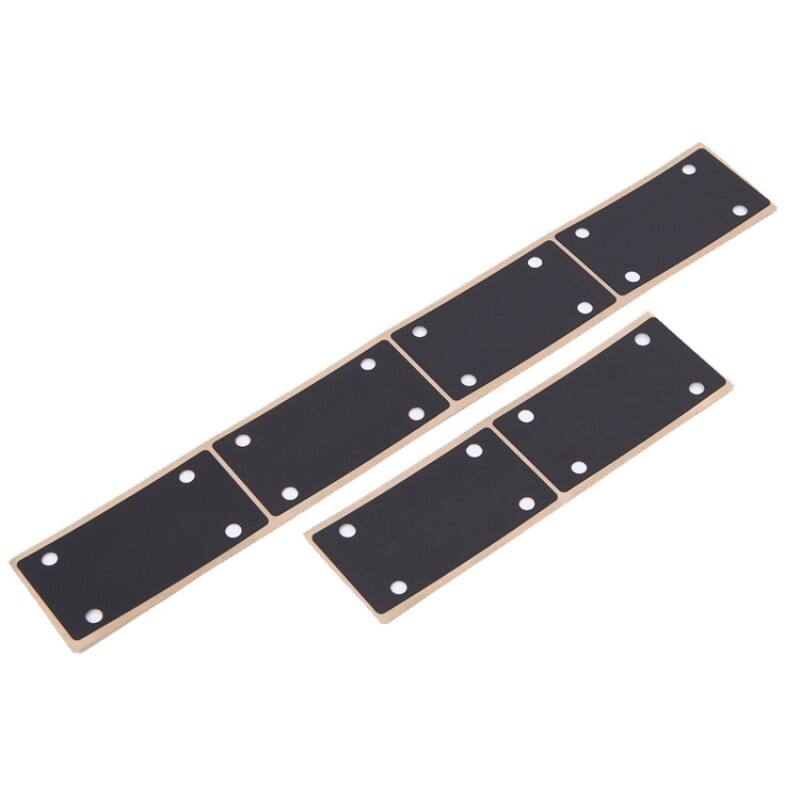
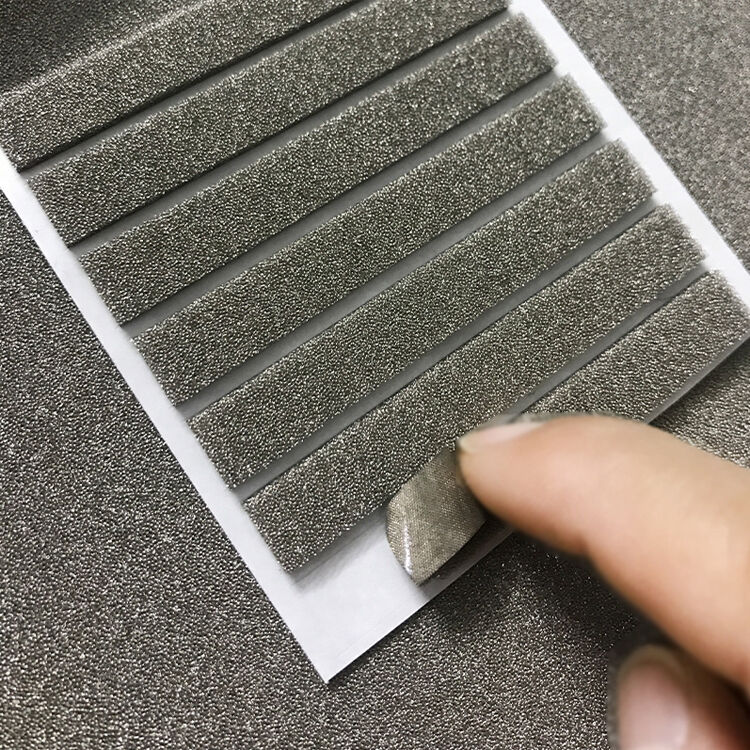
The rapid evolution of wearable technology has created unprecedented demands for materials that can maintain electrical conductivity while enduring the constant flexing, stretching, and environmental stresses inherent in body-worn devices. Among the most critical components enabling this functionality is conductive fabric tape, a specialized material that bridges the gap between traditional rigid electronics and the flexible requirements of modern wearables. This innovative solution offers unique durability advantages that make it indispensable for manufacturers seeking reliable, long-lasting wearable devices.
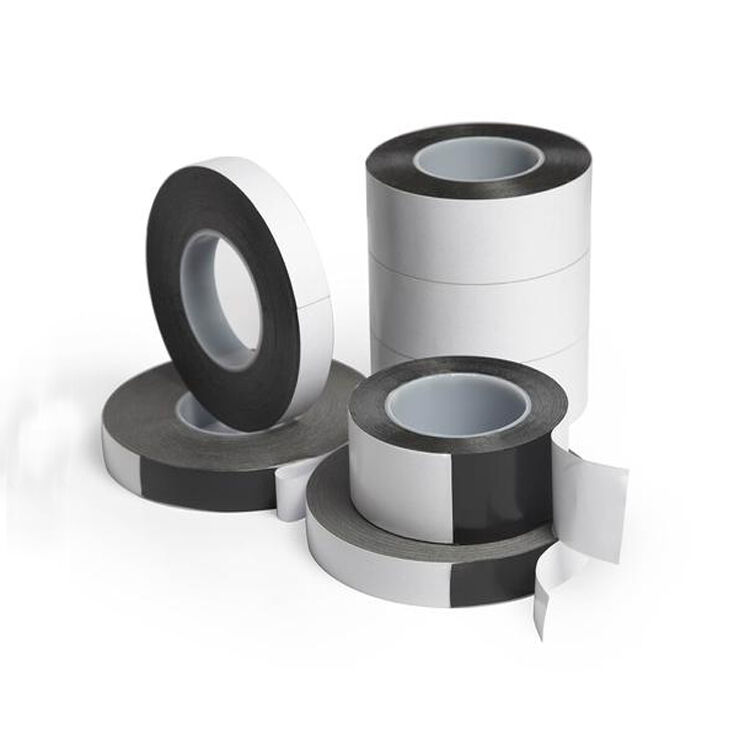
Unlike conventional copper traces or wire connections that can break under repeated stress, conductive fabric tape maintains its electrical properties through thousands of bend cycles. The textile-based construction distributes mechanical stress across the entire fabric structure, preventing the formation of stress concentrations that typically cause failure in rigid conductors. This fundamental design advantage makes conductive fabric tape particularly suitable for applications where traditional electronic interconnects would fail prematurely.
Material Composition and Structural Advantages
Textile-Based Foundation Benefits
The foundation of conductive fabric tape lies in its textile substrate, which provides inherent flexibility and mechanical resilience. The woven or knitted structure creates a network of interconnected conductive pathways that can accommodate significant deformation without losing electrical continuity. This multi-path conductivity ensures that even if individual fibers or connections fail, the overall electrical performance remains stable.
Modern conductive fabric tape incorporates advanced materials such as silver-plated copper fibers, carbon nanotubes, or conductive polymers integrated directly into the textile matrix. These materials are selected not only for their electrical properties but also for their ability to maintain conductivity under mechanical stress. The textile backing material, typically made from durable synthetic fibers like polyester or aramid, provides the mechanical strength needed to withstand repeated flexing and stretching cycles.
Adhesive System Durability
The adhesive system used in conductive fabric tape represents a critical component that directly impacts long-term durability. Advanced acrylic or silicone-based adhesives are formulated to maintain their bonding strength across a wide temperature range while accommodating the mechanical movement inherent in wearable applications. These specialized adhesives resist degradation from body oils, perspiration, and environmental contaminants that typically compromise standard adhesive systems.
The adhesive layer must also maintain its electrical properties while providing mechanical bonding. This dual functionality requires careful engineering to ensure that the adhesive itself contributes to the overall conductivity while maintaining its mechanical integrity over extended periods. The result is a bonding system that becomes an integral part of the electrical pathway rather than simply a mechanical attachment method.
Flexibility and Bend Resistance Characteristics
Flex Life Performance Metrics
One of the most significant durability advantages of conductive fabric tape is its exceptional flex life performance. Laboratory testing demonstrates that high-quality conductive fabric tape can withstand millions of flex cycles without significant degradation in electrical or mechanical properties. This performance far exceeds that of traditional flexible printed circuits or wire-based connections, which typically fail after thousands rather than millions of cycles.
The textile structure of conductive fabric tape distributes mechanical stress more evenly than rigid conductors, preventing the formation of fatigue cracks that lead to failure. When subjected to bending stress, the individual fibers within the tape can move independently, allowing the overall structure to accommodate deformation without creating high-stress concentration points. This behavior results in a more gradual degradation curve rather than the sudden failure typically associated with rigid conductive materials.
Dynamic Loading Response
Wearable devices experience complex loading patterns that include not only simple bending but also twisting, stretching, and compression forces. Conductive fabric tape excels in these multi-directional loading scenarios due to its textile construction, which naturally accommodates movement in multiple planes simultaneously. The interwoven structure allows individual conductive elements to reorient themselves in response to applied forces, maintaining electrical continuity even under complex deformation patterns.
The dynamic response of conductive fabric tape also includes its ability to return to its original configuration after deformation. This elastic recovery characteristic ensures that repeated loading cycles do not result in permanent deformation that could compromise electrical performance or mechanical integrity. The combination of high flex life and excellent recovery properties makes conductive fabric tape ideal for applications requiring reliable performance throughout the device lifetime.
Environmental Resistance and Longevity
Moisture and Humidity Tolerance
Wearable devices must operate reliably in high-humidity environments and may be exposed to perspiration, rain, or other moisture sources. Conductive fabric tape demonstrates superior resistance to moisture-related degradation compared to traditional conductive materials. The textile substrate can be treated with hydrophobic coatings that repel water while maintaining breathability, preventing moisture accumulation that could lead to corrosion or electrical failure.
The conductive elements within the fabric tape are often protected by specialized coatings or encapsulation materials that prevent oxidation and corrosion even in the presence of moisture. Silver-based conductors, commonly used in high-performance applications, may include anti-tarnish treatments that maintain their conductivity over extended periods of exposure to humid conditions. This environmental resistance ensures consistent performance throughout the device's operational life.
Temperature Cycling Durability
Thermal cycling presents significant challenges for electronic materials, as repeated expansion and contraction can lead to mechanical failure and electrical degradation. Conductive fabric tape addresses these challenges through its inherent thermal stability and the thermal expansion matching between the textile substrate and conductive elements. The flexible nature of the textile structure accommodates thermal expansion differences without creating excessive mechanical stress.
Advanced conductive fabric tape formulations incorporate materials selected for their thermal stability and matching thermal expansion coefficients. This engineering approach minimizes thermal stress accumulation during temperature cycling, extending the operational life of the tape in applications exposed to varying environmental conditions. The result is a material that maintains its electrical and mechanical properties across the full range of temperatures typically encountered in wearable applications.
Manufacturing and Processing Advantages
Scalable Production Methods
The manufacturing process for conductive fabric tape leverages established textile production techniques, enabling scalable and cost-effective production. Standard textile manufacturing equipment can be adapted for the production of conductive fabrics, allowing manufacturers to benefit from the economies of scale associated with textile production. This scalability advantage translates to more competitive pricing for high-volume wearable device applications.
The roll-to-roll processing capabilities inherent in textile manufacturing enable continuous production of conductive fabric tape in various widths and specifications. This manufacturing flexibility allows for customization of electrical and mechanical properties to meet specific application requirements while maintaining the durability advantages inherent in the textile-based construction. The ability to incorporate different conductive materials or modify the textile structure during production provides design engineers with multiple options for optimizing performance.
Integration and Assembly Benefits
The tape format of conductive fabric tape simplifies integration into wearable device assemblies compared to alternative interconnection methods. The adhesive backing allows for direct application to various substrate materials without requiring specialized attachment hardware or complex assembly procedures. This simplification reduces manufacturing costs and assembly time while potentially improving reliability by eliminating additional mechanical connections.
The conformable nature of conductive fabric tape enables integration into curved or irregular surfaces commonly found in wearable device designs. Unlike rigid printed circuit boards or discrete wire connections, the tape can follow complex three-dimensional geometries without compromising electrical performance. This geometric flexibility enables designers to optimize device ergonomics and aesthetics without sacrificing electrical functionality or durability.
Performance Optimization Strategies
Design Considerations for Maximum Durability
Maximizing the durability advantages of conductive fabric tape requires careful consideration of design parameters and application methods. The tape width, thickness, and conductor density must be optimized for the specific mechanical and electrical requirements of each application. Wider tapes generally provide better mechanical stability and current-carrying capacity, while thinner profiles may be necessary for applications with strict thickness constraints.
The routing path of conductive fabric tape within the wearable device significantly impacts its long-term durability. Design engineers must consider the expected deformation patterns and ensure that the tape routing minimizes stress concentrations at connection points and transitions. Gradual curves and gentle transitions help maintain the stress-distribution advantages of the textile construction, while sharp bends or abrupt direction changes can create failure points that compromise durability.
Quality Control and Testing Protocols
Ensuring the durability advantages of conductive fabric tape requires comprehensive quality control and testing protocols throughout the manufacturing and integration process. Electrical testing must verify not only initial conductivity but also the stability of electrical properties under mechanical stress and environmental exposure. Mechanical testing protocols should include flex testing, peel strength measurements, and long-term aging studies to validate durability claims.
Advanced testing methods may include accelerated life testing under controlled environmental conditions to predict long-term performance. These tests simulate the cumulative effects of temperature cycling, humidity exposure, and mechanical stress to identify potential failure modes before they occur in actual applications. The results of these testing protocols provide valuable feedback for optimizing both material formulations and application methods to maximize durability benefits.
Future Developments and Innovations
Advanced Material Integration
The future of conductive fabric tape durability lies in the integration of advanced materials and manufacturing techniques that further enhance performance characteristics. Emerging conductive materials such as graphene, carbon nanotubes, and conductive polymers offer the potential for improved conductivity, flexibility, and environmental resistance. These materials can be incorporated into existing textile structures or used to create entirely new conductor configurations that push the boundaries of durability and performance.
Smart materials that can adapt their properties in response to environmental conditions represent another frontier for conductive fabric tape development. Self-healing polymers and shape-memory materials could enable conductive fabric tape that automatically repairs minor damage or adjusts its configuration in response to changing mechanical loads. These adaptive capabilities would further extend the operational life and reliability of wearable devices incorporating such advanced materials.
Manufacturing Process Improvements
Ongoing developments in manufacturing processes promise to enhance both the performance and cost-effectiveness of conductive fabric tape production. Advanced coating techniques, precision textile manufacturing, and automated quality control systems enable more consistent material properties and improved durability characteristics. These manufacturing improvements also support the development of customized solutions tailored to specific application requirements.
The integration of digital manufacturing technologies, including 3D printing and additive manufacturing, may enable new approaches to conductive fabric tape production. These technologies could facilitate the creation of complex conductor patterns or multi-layer structures that further enhance durability and functionality. As these manufacturing capabilities mature, they will likely enable new design possibilities that fully exploit the durability advantages of conductive fabric tape in next-generation wearable applications.
FAQ
How long can conductive fabric tape maintain its electrical properties in wearable applications
High-quality conductive fabric tape can maintain stable electrical properties for several years in typical wearable applications. The textile-based construction provides inherent durability that often exceeds the operational lifetime of the electronic components it connects. Proper design considerations and environmental protection can extend this operational life even further, making conductive fabric tape a reliable long-term solution for wearable device interconnections.
What factors most significantly impact the durability of conductive fabric tape
The primary factors affecting durability include mechanical stress patterns, environmental exposure conditions, and the quality of the adhesive bond. Repeated flexing in high-stress areas, exposure to moisture or corrosive substances, and inadequate surface preparation can all impact long-term performance. However, the textile construction of conductive fabric tape provides inherent resistance to these degradation mechanisms compared to rigid alternatives.
Can conductive fabric tape be repaired or replaced if damaged
Yes, conductive fabric tape can typically be replaced or repaired more easily than rigid interconnection methods. The adhesive backing allows for removal and replacement without damaging the underlying substrate in most cases. However, the exceptional durability of quality conductive fabric tape means that replacement is rarely necessary during the normal operational life of well-designed wearable devices.
How does conductive fabric tape compare to flexible printed circuits in terms of durability
Conductive fabric tape generally offers superior flex life and mechanical durability compared to flexible printed circuits. The textile structure distributes mechanical stress more effectively than the polymer substrates used in flex circuits, resulting in longer operational life under repeated bending and flexing. While flex circuits may offer advantages in terms of precise conductor routing and component integration, conductive fabric tape excels in applications requiring maximum mechanical reliability and durability.
Table of Contents
- Material Composition and Structural Advantages
- Flexibility and Bend Resistance Characteristics
- Environmental Resistance and Longevity
- Manufacturing and Processing Advantages
- Performance Optimization Strategies
- Future Developments and Innovations
-
FAQ
- How long can conductive fabric tape maintain its electrical properties in wearable applications
- What factors most significantly impact the durability of conductive fabric tape
- Can conductive fabric tape be repaired or replaced if damaged
- How does conductive fabric tape compare to flexible printed circuits in terms of durability
