
 EN
EN
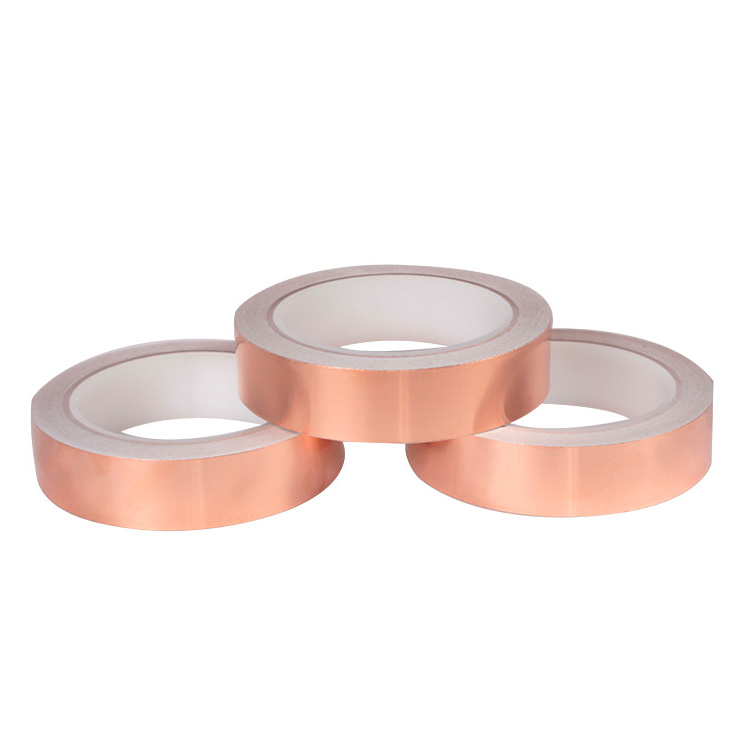
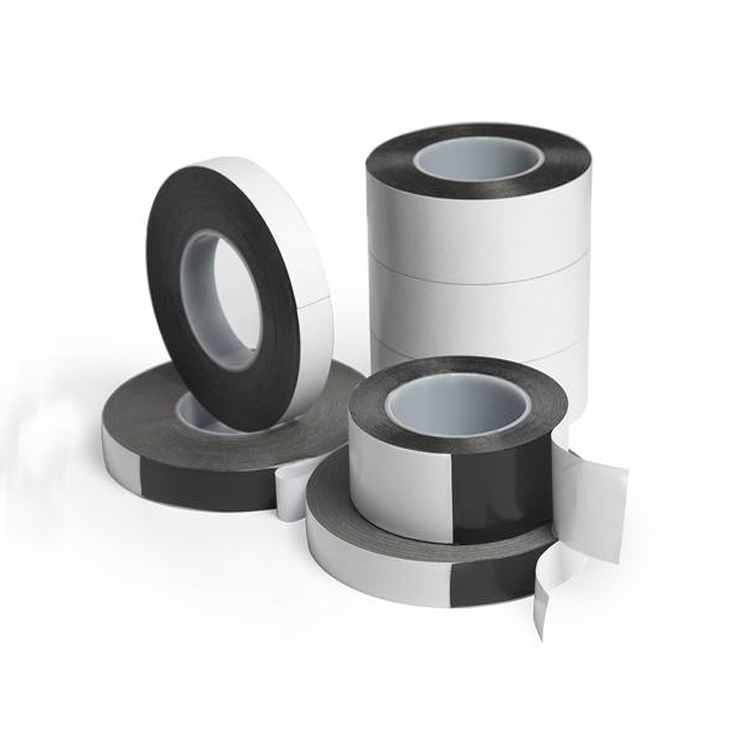
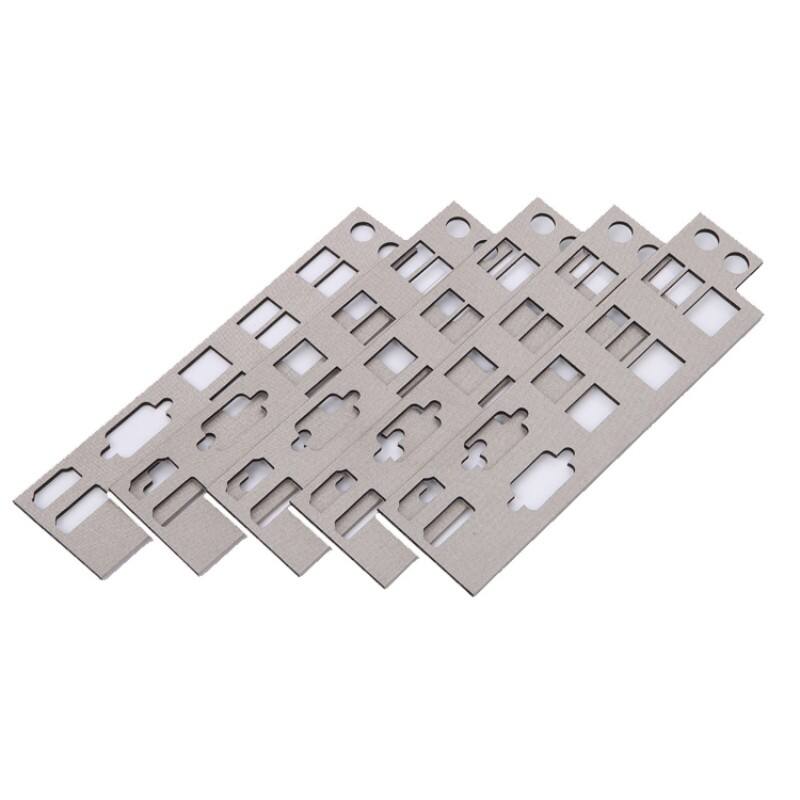
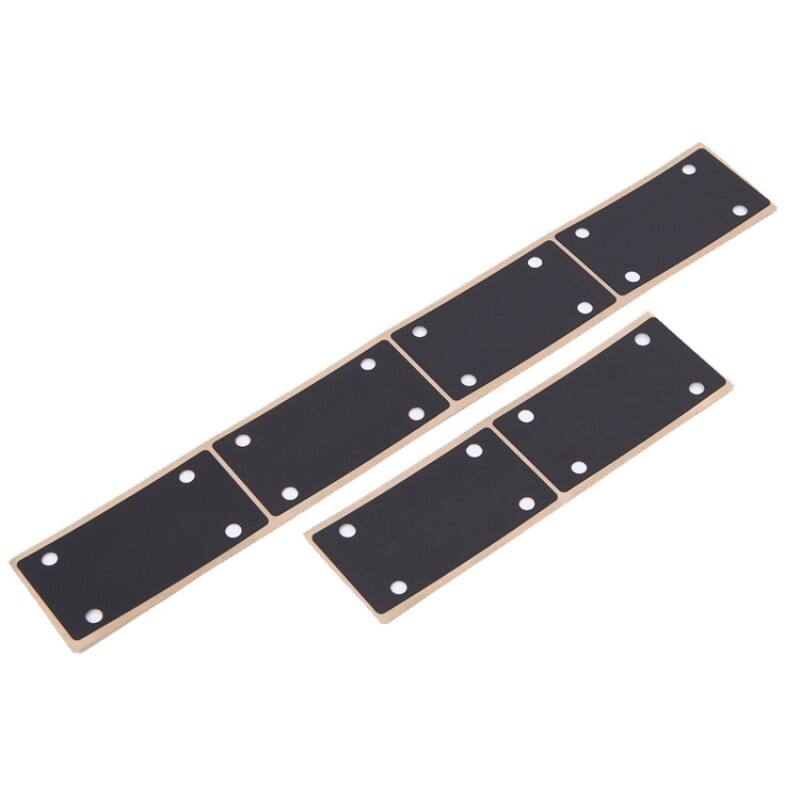
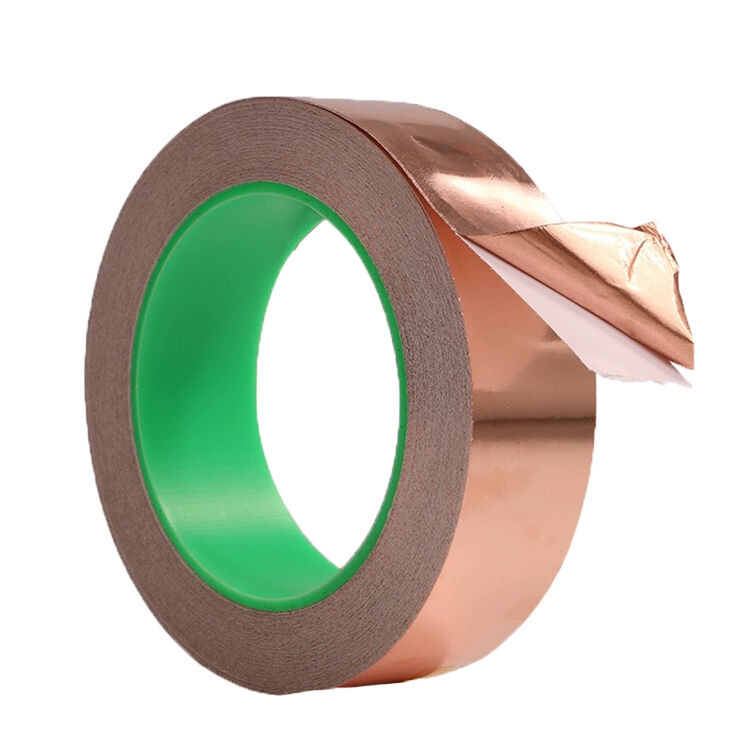
Electrostatic discharge protection has become increasingly critical in modern industrial and commercial environments where sensitive electronic equipment operates daily. When static electricity builds up on surfaces, particularly flooring systems, it can cause devastating damage to electronic components, data loss, and even safety hazards. Copper foil tape emerges as a highly effective solution for creating comprehensive ESD protection systems on floors, offering superior conductivity and reliable grounding capabilities that prevent static charge accumulation across large surface areas.
Understanding Electrostatic Discharge and Floor Protection Requirements
The Science Behind Static Electricity Generation on Floors
Static electricity generation on flooring surfaces occurs through the triboelectric effect, where materials exchange electrons through friction and contact. In environments with low humidity, synthetic materials, and frequent movement of personnel and equipment, floors can accumulate substantial static charges reaching thousands of volts. These charges remain trapped on insulating surfaces until they find a path to ground, potentially causing destructive discharge events that can damage sensitive electronics or create safety hazards for workers.
The accumulation of static charge on floors presents unique challenges because large surface areas are involved, and traditional grounding methods may not provide uniform protection. Copper foil tape addresses these challenges by creating continuous conductive pathways that allow static charges to dissipate safely and consistently across the entire floor surface, maintaining optimal ESD protection levels.
Industry Standards for ESD Floor Protection
Professional ESD protection standards, including ANSI/ESD S20.20 and IEC 61340, specify strict requirements for flooring systems in static-sensitive environments. These standards mandate that floor surfaces maintain surface resistance values between 1x10^6 and 1x10^9 ohms to ensure proper static dissipation without creating electrical hazards. Copper foil tape systems can be engineered to meet these precise resistance requirements through proper installation techniques and grounding configurations.
Compliance with these industry standards requires not only appropriate materials but also proper installation procedures, regular testing, and maintenance protocols. Copper foil tape installations must be designed with appropriate spacing, connections, and grounding points to ensure consistent performance across the protected area while maintaining the required electrical characteristics over time.
Copper Foil Tape Composition and Conductive Properties
Material Science and Electrical Characteristics
High-quality copper foil tape consists of pure copper layers that provide exceptional electrical conductivity, typically achieving resistance values below 0.1 ohms per square inch. The copper material offers superior electron mobility compared to alternative conductive materials, ensuring rapid and efficient static charge dissipation across large floor areas. Advanced copper foil tape formulations may include nickel plating or other surface treatments that enhance corrosion resistance and maintain conductivity over extended periods.
The thickness of copper foil tape directly impacts its electrical performance and durability characteristics. Standard industrial-grade copper foil tape ranges from 1 mil to 5 mils in thickness, with thicker variants providing lower electrical resistance and greater mechanical durability for high-traffic floor applications. The adhesive backing system must also maintain electrical continuity while providing strong mechanical bonding to various flooring substrates.
Adhesive Technology and Substrate Compatibility
Modern copper foil tape utilizes specialized conductive adhesive formulations that maintain electrical continuity between the copper layer and the underlying floor surface. These adhesives are engineered to bond effectively with concrete, vinyl, epoxy, and other common flooring materials while providing long-term durability under foot traffic and environmental conditions. The adhesive system must balance mechanical strength with electrical performance to ensure reliable ESD protection.
Substrate preparation plays a crucial role in copper foil tape performance, requiring clean, smooth surfaces free from contaminants that could compromise electrical contact or adhesive bonding. Proper surface preparation techniques include degreasing, abrading if necessary, and ensuring appropriate moisture levels to optimize the copper foil tape installation and long-term performance characteristics.
Installation Methods for Maximum ESD Effectiveness
Grid Pattern Design and Spacing Considerations
Effective copper foil tape installation for floor ESD protection typically employs grid patterns that create multiple parallel pathways for static dissipation while maintaining uniform electrical coverage across the protected area. Grid spacing of 3 to 6 feet provides optimal balance between material costs and protection effectiveness, ensuring that no point on the floor surface is more than a few feet from a conductive pathway. The copper foil tape strips must be properly interconnected at grid intersections to maintain electrical continuity throughout the system.
Advanced installation techniques may incorporate radial patterns or customized configurations based on specific facility layouts and ESD protection requirements. The design must account for furniture placement, equipment locations, and traffic patterns to ensure optimal coverage while minimizing interference with daily operations. Proper planning during the design phase prevents gaps in protection and ensures efficient material utilization.
Grounding Connection Techniques
Reliable grounding connections are essential for copper foil tape ESD systems to function effectively, requiring multiple connection points to established electrical ground systems throughout the protected area. Professional installations typically include ground connections at least every 30 feet along major tape runs, with additional connections near sensitive equipment or high-traffic areas. The connection hardware must maintain low resistance contact while accommodating potential thermal expansion and mechanical stress from floor movement.
Ground connection methods include mechanical clamps, conductive epoxies, and specialized connector hardware designed specifically for copper foil tape applications. Each connection point must be properly tested to verify electrical continuity and resistance values within specified limits. Regular maintenance and testing of these connections ensures continued ESD protection effectiveness over the system's operational lifetime.
Performance Advantages Over Alternative ESD Floor Solutions
Cost-Effectiveness and Installation Flexibility
Copper foil tape offers significant cost advantages compared to specialized ESD flooring materials or conductive floor coatings, particularly for retrofit installations in existing facilities. The tape can be installed without removing existing flooring materials, minimizing downtime and avoiding the substantial costs associated with complete floor replacement projects. This flexibility makes copper foil tape an attractive solution for facilities requiring immediate ESD protection improvements.
Installation flexibility extends to the ability to create customized protection zones, temporary installations, or modifications to existing ESD systems without major construction work. Copper foil tape can be easily repositioned, extended, or removed as facility requirements change, providing adaptability that rigid flooring solutions cannot match. This versatility proves particularly valuable in research facilities, manufacturing environments, or rental spaces where permanent modifications may not be feasible.
Maintenance Requirements and Longevity
Properly installed copper foil tape systems require minimal ongoing maintenance while providing reliable ESD protection for many years under normal operating conditions. The copper material resists corrosion and maintains electrical properties over time, while quality adhesive systems maintain bonding strength despite foot traffic and cleaning procedures. Regular visual inspections and electrical testing can identify any maintenance needs before they compromise system performance.
Maintenance procedures for copper foil tape installations primarily involve cleaning to remove accumulated dirt or debris that might affect electrical contact with personnel or equipment. Standard commercial cleaning products and methods are generally compatible with copper foil tape systems, though specific cleaning protocols should be established to maintain optimal ESD protection performance while preserving the tape's integrity and appearance.
Applications Across Different Industrial Environments
Electronics Manufacturing and Assembly Facilities
Electronics manufacturing environments represent the most demanding applications for copper foil tape ESD floor protection systems, where even minor static discharge events can destroy sensitive components worth thousands of dollars. These facilities require comprehensive protection covering production areas, storage zones, and quality control spaces to prevent contamination of electronic products throughout the manufacturing process. Copper foil tape installations in these environments must meet stringent cleanliness standards while maintaining precise electrical characteristics.
Assembly line configurations benefit from copper foil tape's ability to create continuous protection paths that follow production workflows, ensuring workers and materials remain grounded throughout manufacturing processes. The tape can be integrated with workstation grounding, conveyor systems, and material handling equipment to create comprehensive ESD protection networks that protect products from initial component handling through final packaging stages.
Laboratory and Research Facilities
Scientific laboratories working with sensitive instrumentation, electronic measurement equipment, or static-sensitive materials require reliable ESD protection that doesn't interfere with experimental procedures or measurement accuracy. Copper foil tape provides the necessary protection while maintaining the clean, professional appearance required in research environments. The installation can be customized to protect specific work areas while avoiding interference with specialized equipment or experimental setups.
Research facilities often have unique requirements for temporary or reconfigurable ESD protection zones, making copper foil tape's installation flexibility particularly valuable. The system can be quickly modified to accommodate new equipment installations, experimental configurations, or changing research requirements without major facility disruptions or significant additional costs.
Testing and Verification Procedures
Initial Installation Testing Methods
Comprehensive testing protocols ensure copper foil tape installations meet specified ESD protection requirements and industry standards for electrical performance. Initial testing includes resistance measurements between tape segments, ground connection verification, and surface resistance mapping across the protected area. Testing equipment must be calibrated to industry standards and operated by qualified personnel familiar with ESD testing procedures and safety requirements.
Documentation of test results provides baseline measurements for future comparison and demonstrates compliance with applicable ESD standards and facility requirements. Test records should include resistance values at multiple points, ground connection integrity, and any deviations from specified performance criteria along with corrective actions taken to address identified issues.
Ongoing Performance Monitoring
Regular performance monitoring ensures copper foil tape systems maintain effective ESD protection throughout their operational lifetime, identifying potential issues before they compromise facility protection. Monitoring protocols typically include periodic resistance testing, visual inspections for physical damage, and verification of ground connection integrity. Testing frequency depends on environmental conditions, traffic levels, and facility criticality requirements.
Advanced monitoring systems may incorporate permanent sensors that continuously monitor electrical characteristics and provide real-time alerts when performance deviates from acceptable ranges. These systems enable proactive maintenance scheduling and help identify trends that might indicate developing problems requiring attention before they affect ESD protection effectiveness.
FAQ
How long does copper foil tape last when installed on floors for ESD protection?
High-quality copper foil tape installations typically provide reliable ESD protection for 5-10 years or longer under normal operating conditions. The actual lifespan depends on factors including foot traffic levels, cleaning procedures, environmental conditions, and installation quality. Regular maintenance and periodic testing help maximize system longevity and ensure continued protection effectiveness throughout the operational period.
Can copper foil tape be installed over existing floor coverings?
Yes, copper foil tape can be installed over most existing floor coverings including vinyl, concrete, epoxy, and tile surfaces. The key requirement is proper surface preparation to ensure good adhesive bonding and electrical contact. Some substrates may require primer application or surface treatment to optimize tape adhesion and electrical performance. Professional assessment of existing flooring conditions helps determine the most appropriate installation approach.
What spacing is recommended between copper foil tape strips for optimal ESD protection?
Industry best practices recommend spacing copper foil tape strips 3-6 feet apart in grid patterns for optimal ESD protection coverage. Closer spacing provides more uniform protection but increases material costs, while wider spacing may create protection gaps in some areas. The specific spacing should be determined based on facility requirements, traffic patterns, and the sensitivity level of equipment being protected.
Is special training required to install copper foil tape ESD floor systems?
While basic copper foil tape installation can be performed by facility maintenance staff, comprehensive ESD floor systems benefit from installation by personnel trained in ESD protection principles and testing procedures. Proper installation requires understanding of grounding techniques, electrical continuity requirements, and testing methods to ensure the system meets performance specifications. Training programs are available through ESD associations and equipment manufacturers to develop necessary competencies.
Table of Contents
- Understanding Electrostatic Discharge and Floor Protection Requirements
- Copper Foil Tape Composition and Conductive Properties
- Installation Methods for Maximum ESD Effectiveness
- Performance Advantages Over Alternative ESD Floor Solutions
- Applications Across Different Industrial Environments
- Testing and Verification Procedures
-
FAQ
- How long does copper foil tape last when installed on floors for ESD protection?
- Can copper foil tape be installed over existing floor coverings?
- What spacing is recommended between copper foil tape strips for optimal ESD protection?
- Is special training required to install copper foil tape ESD floor systems?
