
 EN
EN
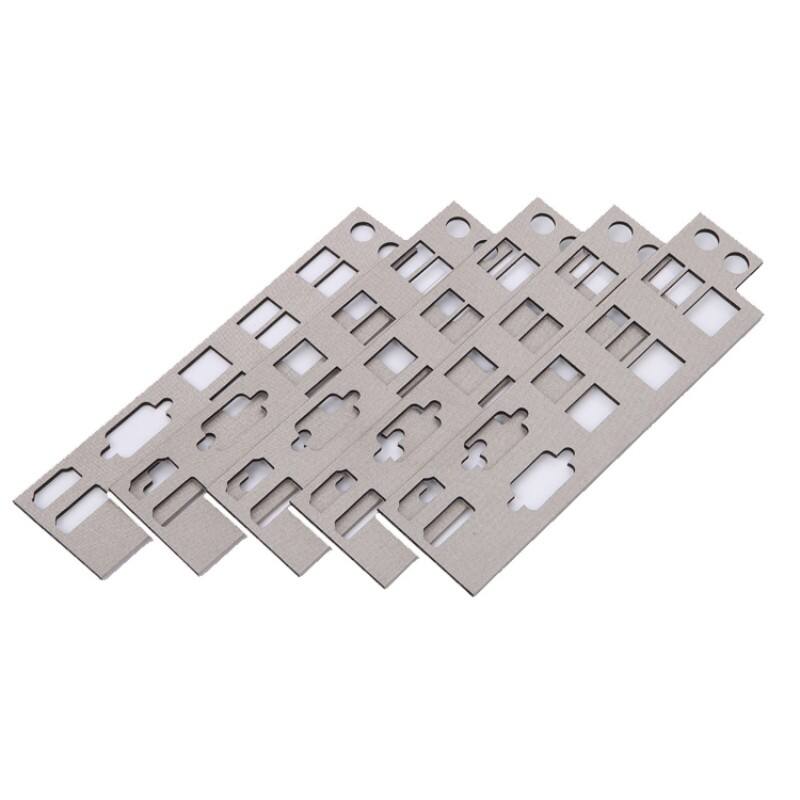
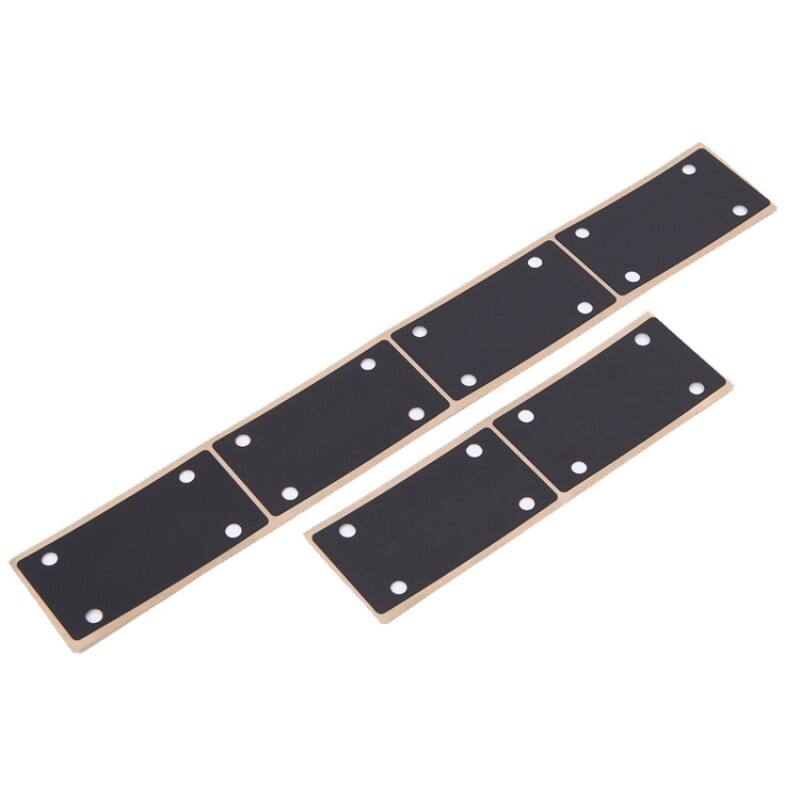
Military equipment operates in increasingly complex electromagnetic environments where reliable performance can mean the difference between mission success and failure. EMI RFI shielding materials serve as critical components that protect sensitive electronic systems from electromagnetic interference and radio frequency interference, ensuring optimal functionality under demanding conditions. These specialized materials form protective barriers that prevent unwanted electromagnetic signals from disrupting communication systems, navigation equipment, and other essential military technologies.
The selection process for appropriate shielding materials requires careful consideration of multiple factors including frequency ranges, environmental conditions, weight constraints, and durability requirements. Military applications demand materials that can withstand extreme temperatures, humidity, vibration, and mechanical stress while maintaining consistent electromagnetic protection. Understanding the fundamental principles behind electromagnetic shielding enables procurement specialists and engineers to make informed decisions that enhance overall system reliability and mission effectiveness.
Understanding Electromagnetic Interference in Military Applications
Sources of EMI in Military Environments
Military operations expose electronic equipment to numerous sources of electromagnetic interference that can compromise system performance. Radar systems generate powerful electromagnetic pulses that can interfere with nearby communication equipment, while radio transmitters operating across multiple frequency bands create complex interference patterns. Electronic warfare systems, both friendly and hostile, introduce additional electromagnetic challenges that require comprehensive shielding solutions to maintain operational security and effectiveness.
Vehicle-mounted systems face particular challenges from engine ignition systems, alternators, and power conversion equipment that generate broadband electromagnetic noise. These internal sources of interference must be carefully managed through proper shielding design to prevent disruption of sensitive navigation, communication, and weapon systems. EMI RFI shielding materials provide essential protection against these internal noise sources while maintaining system integration and accessibility for maintenance operations.
Frequency Range Considerations
Military electromagnetic environments span an extensive frequency spectrum from low-frequency power line harmonics to high-frequency radar and satellite communication signals. Different frequency ranges require specific shielding approaches, with low-frequency applications typically requiring materials with high magnetic permeability, while high-frequency applications benefit from materials with excellent electrical conductivity. Understanding the frequency characteristics of both interference sources and protected equipment helps guide material selection decisions.
Modern military systems increasingly operate across multiple frequency bands simultaneously, requiring EMI RFI shielding materials that provide consistent performance across broad frequency ranges. Materials must demonstrate stable shielding effectiveness from DC through microwave frequencies while maintaining mechanical integrity under operational stresses. This broadband protection requirement often necessitates composite shielding solutions that combine multiple material types to achieve optimal performance characteristics.
Key Performance Characteristics of Shielding Materials
Shielding Effectiveness Metrics
Shielding effectiveness quantifies a material's ability to attenuate electromagnetic fields and serves as the primary performance metric for EMI RFI shielding materials. Measured in decibels, shielding effectiveness indicates the logarithmic reduction in field strength achieved by the shielding material. Military applications typically require shielding effectiveness values ranging from 40 dB to over 100 dB, depending on the sensitivity of protected equipment and the strength of interference sources.
The shielding effectiveness of materials varies with frequency, temperature, and mechanical stress, making it essential to evaluate performance under realistic operating conditions. Standardized test methods such as ASTM D4935 and IEEE 299 provide consistent measurement protocols that enable accurate comparison of different shielding materials. These test results guide selection decisions by providing quantitative data on material performance across relevant frequency ranges and environmental conditions.
Material Conductivity and Permeability
Electrical conductivity and magnetic permeability represent fundamental material properties that determine shielding performance against electric and magnetic fields respectively. High-conductivity materials such as copper and silver provide excellent protection against electric fields and high-frequency electromagnetic radiation through reflection mechanisms. Materials with high magnetic permeability, including certain ferrites and magnetic alloys, effectively attenuate low-frequency magnetic fields through absorption processes.
The optimal selection of EMI RFI shielding materials often requires balancing conductivity and permeability characteristics to achieve desired performance across the entire frequency spectrum of concern. Composite materials that combine conductive and magnetic elements can provide superior broadband shielding performance compared to single-material solutions. Understanding these fundamental properties enables engineers to predict material behavior and optimize shielding system design for specific military applications.
Environmental Durability Requirements
Temperature and Humidity Resistance
Military equipment operates across extreme temperature ranges from arctic conditions below -40°C to desert environments exceeding 70°C, requiring EMI RFI shielding materials that maintain performance under thermal stress. Temperature cycling causes expansion and contraction that can create gaps in shielding coverage or mechanical failure of bonding systems. Materials must demonstrate stable electrical properties and mechanical integrity across operational temperature ranges while resisting degradation from repeated thermal cycling.
Humidity exposure presents additional challenges for shielding materials, particularly those containing ferrous elements that are susceptible to corrosion. High humidity environments can degrade adhesive bonds, promote galvanic corrosion between dissimilar metals, and reduce the conductivity of certain shielding materials. Proper material selection includes evaluation of moisture resistance and the implementation of protective coatings or barrier layers when necessary to maintain long-term performance.
Mechanical Stress and Vibration Tolerance
Military platforms subject electronic equipment to significant mechanical stresses including shock loads, vibration, and flexural deformation that can compromise shielding integrity. EMI RFI shielding materials must maintain electrical continuity and coverage under these dynamic loading conditions while avoiding fatigue failure that could create electromagnetic leakage paths. Flexible shielding materials offer advantages in applications with moving parts or frequent access requirements.
The mechanical properties of shielding materials become particularly critical in aerospace applications where weight constraints demand thin, lightweight materials that must still provide adequate electromagnetic protection. Advanced polymer-based shielding materials offer improved flexibility and vibration resistance compared to traditional metal foils, making them suitable for applications requiring conformability and durability. Proper installation techniques and mechanical design considerations ensure that shielding materials can withstand operational stresses without performance degradation.
Material Types and Selection Criteria
Conductive Fabrics and Textiles
Conductive fabrics represent a versatile category of EMI RFI shielding materials that combine textile flexibility with electromagnetic protection capabilities. These materials typically consist of base fabrics coated or woven with conductive materials such as copper, nickel, or silver to provide electromagnetic shielding properties. Conductive textiles offer excellent conformability for irregular surfaces and provide effective shielding against high-frequency electromagnetic fields while maintaining breathability and handling characteristics.
The selection of conductive fabrics requires consideration of base material properties, conductive coating durability, and environmental resistance characteristics. Polyester and nylon base fabrics provide good mechanical properties and chemical resistance, while specialized coatings ensure long-term conductivity under operational conditions. These materials find particular application in portable shelters, equipment covers, and flexible cable assemblies where traditional rigid shielding solutions prove impractical.
Metallic Foils and Tapes
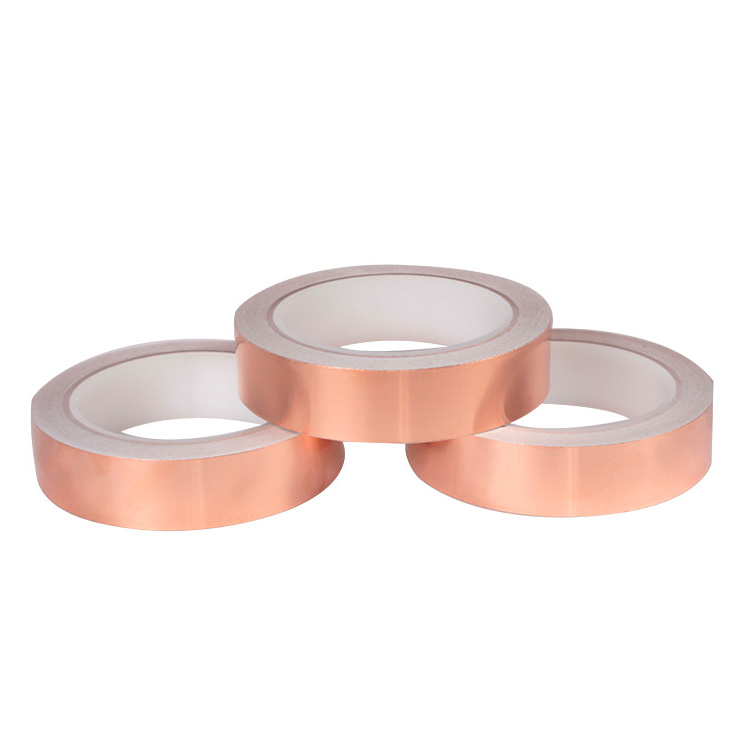
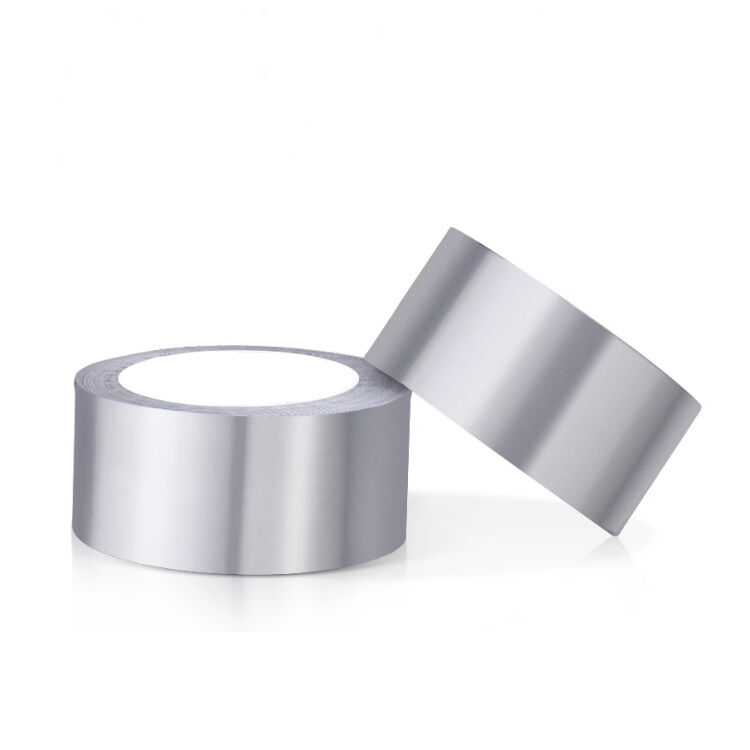
Metallic foils and tapes provide cost-effective shielding solutions with excellent conductivity and proven reliability in military applications. Copper foils offer superior conductivity and corrosion resistance, making them ideal for high-performance applications requiring maximum shielding effectiveness. Aluminum foils provide lightweight alternatives with good shielding performance at reduced cost, though they require careful handling to prevent mechanical damage that could compromise electromagnetic protection.
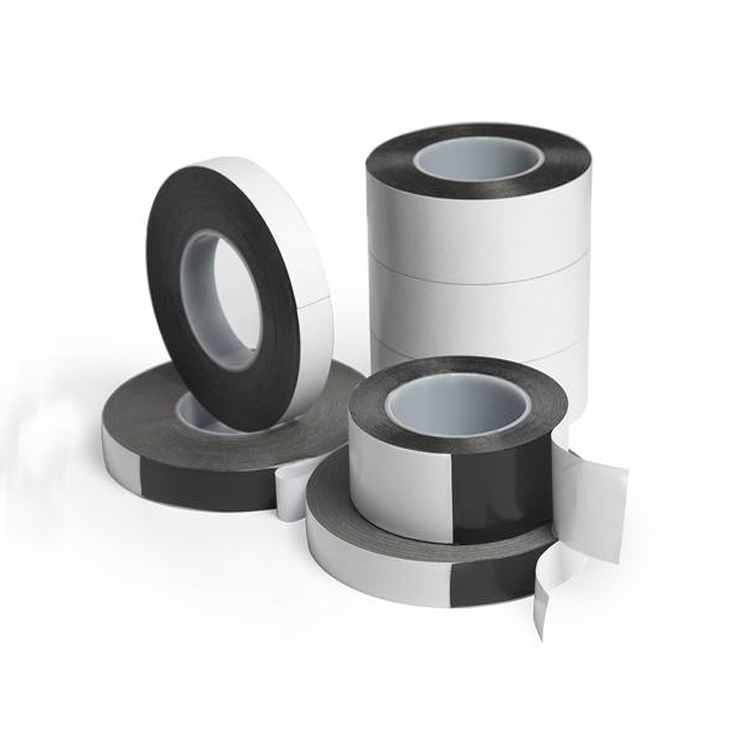
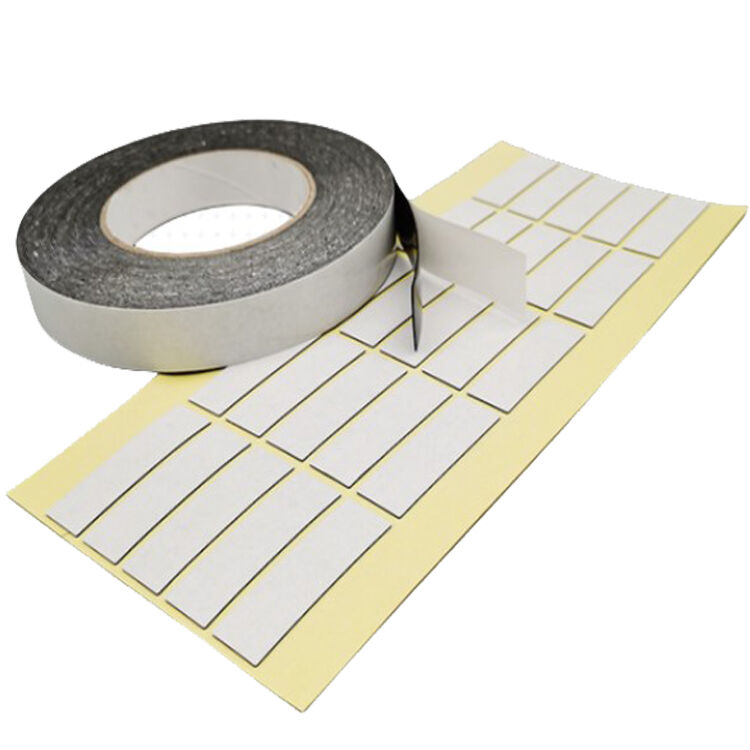
Adhesive-backed metallic tapes simplify installation while providing reliable electromagnetic sealing for joints, seams, and access panels. The selection of appropriate adhesive systems ensures long-term bonding performance under environmental stresses while maintaining the electrical continuity necessary for effective shielding. EMI RFI shielding materials in tape form offer particular advantages for field installation and maintenance operations where precise application and reliable performance are essential.
Installation and Integration Considerations
Surface Preparation and Bonding
Proper surface preparation forms the foundation for effective shielding material installation and long-term performance. Surfaces must be thoroughly cleaned to remove contaminants, oxides, and other materials that could compromise electrical contact or adhesive bonding. The use of appropriate cleaning solvents and surface treatment techniques ensures optimal adhesion and conductivity between shielding materials and substrate surfaces.
Bonding methods for EMI RFI shielding materials include conductive adhesives, mechanical fasteners, and welding techniques depending on application requirements and material characteristics. Conductive adhesives provide convenient installation while maintaining electrical continuity, though their long-term stability requires careful evaluation under operational conditions. Mechanical fastening systems offer superior reliability for high-stress applications but require careful design to avoid creating electromagnetic leakage paths at fastener locations.
Seaming and Continuity Management
Electromagnetic shielding effectiveness depends critically on maintaining electrical continuity across joints, seams, and interfaces between shielding materials. Proper seaming techniques prevent the formation of slot antennas and other electromagnetic leakage paths that could compromise overall shielding performance. Overlapping joints with adequate overlap dimensions and proper bonding ensure reliable electrical contact under environmental stresses and aging effects.
The management of electrical continuity becomes particularly challenging at interfaces between different shielding materials or at locations requiring frequent access for maintenance operations. Removable shielding panels and access covers require specialized sealing techniques such as conductive gaskets or spring contacts to maintain electromagnetic protection while allowing operational access. These interface designs must balance electromagnetic performance with practical maintenance requirements and operational convenience.
Testing and Validation Procedures
Laboratory Testing Standards
Comprehensive testing protocols ensure that selected EMI RFI shielding materials meet performance requirements under relevant operational conditions. Standard test methods such as MIL-STD-461 provide established procedures for evaluating electromagnetic compatibility performance of military equipment and associated shielding materials. These standardized approaches enable consistent evaluation and comparison of different shielding solutions while ensuring compliance with military procurement requirements.
Material testing encompasses both electrical performance characteristics and environmental durability under simulated operational conditions. Accelerated aging tests evaluate long-term stability under temperature cycling, humidity exposure, and mechanical stress conditions that represent extended field deployment scenarios. These comprehensive test protocols provide confidence in material selection decisions and help identify potential performance limitations before deployment in critical military systems.
Field Validation and Performance Monitoring
Field validation testing provides essential verification that laboratory test results translate to actual operational performance under real-world conditions. Electromagnetic compatibility measurements conducted on installed systems verify that EMI RFI shielding materials provide adequate protection against actual interference sources encountered in military environments. These field measurements also identify any installation issues or design modifications needed to optimize shielding performance.
Ongoing performance monitoring enables early detection of shielding degradation that could compromise system reliability over time. Regular inspection and testing protocols help identify maintenance requirements and guide replacement decisions before shielding failure occurs. This proactive approach to shielding system maintenance ensures continued electromagnetic protection throughout the operational life of military equipment and systems.
FAQ
What factors determine the required shielding effectiveness for military applications?
The required shielding effectiveness depends on the sensitivity of protected equipment, the strength and frequency characteristics of interference sources, and operational requirements for system reliability. Military standards such as MIL-STD-461 specify minimum shielding requirements based on equipment classification and operational environment. Critical systems requiring high reliability typically need shielding effectiveness values of 60 dB or higher, while less sensitive applications may operate effectively with 40 dB protection levels.
How do environmental conditions affect the selection of EMI RFI shielding materials?
Environmental conditions including temperature extremes, humidity, salt spray, and mechanical stress significantly influence material selection decisions. Materials must maintain stable electrical properties and mechanical integrity under operational conditions while resisting corrosion, UV degradation, and chemical exposure. Arctic applications require materials that remain flexible at low temperatures, while tropical environments demand enhanced corrosion resistance and moisture protection capabilities.
What are the advantages and disadvantages of different shielding material types?
Metallic foils provide excellent conductivity and shielding effectiveness but may be susceptible to mechanical damage and corrosion. Conductive fabrics offer flexibility and conformability but may have lower shielding effectiveness and durability concerns. Composite materials can provide optimized performance characteristics but at increased cost and complexity. The optimal material selection balances performance requirements with practical considerations such as cost, weight, and installation complexity.
How can shielding performance be maintained over the operational life of military equipment?
Long-term shielding performance requires proper material selection, installation techniques, and ongoing maintenance procedures. Regular inspection of shielding materials, electrical continuity testing, and prompt repair of any damage helps maintain electromagnetic protection over time. Environmental protection measures such as protective coatings and proper sealing prevent degradation from moisture, corrosion, and mechanical wear that could compromise shielding effectiveness during extended field deployment.
Table of Contents
- Understanding Electromagnetic Interference in Military Applications
- Key Performance Characteristics of Shielding Materials
- Environmental Durability Requirements
- Material Types and Selection Criteria
- Installation and Integration Considerations
- Testing and Validation Procedures
-
FAQ
- What factors determine the required shielding effectiveness for military applications?
- How do environmental conditions affect the selection of EMI RFI shielding materials?
- What are the advantages and disadvantages of different shielding material types?
- How can shielding performance be maintained over the operational life of military equipment?
