
 EN
EN
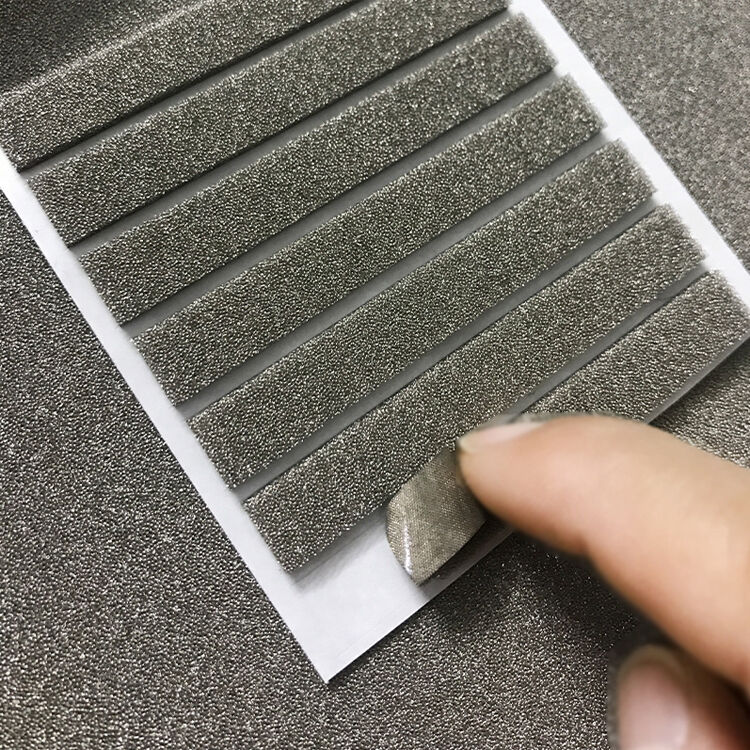
The aerospace industry operates under some of the most stringent electromagnetic interference requirements in modern engineering. Aircraft systems must function flawlessly in environments where multiple electronic systems operate simultaneously, creating complex electromagnetic fields that can disrupt critical operations. Custom shielding EMI solutions have become essential for protecting sensitive avionics equipment, communication systems, and flight control mechanisms from electromagnetic interference that could compromise safety and performance. Understanding the complexity of these electromagnetic challenges requires specialized expertise that goes far beyond standard commercial EMI protection approaches.
Understanding Aerospace EMI Challenges
Complex Electromagnetic Environments in Aircraft
Modern aircraft contain hundreds of electronic systems operating across various frequency ranges, from navigation equipment to entertainment systems. These systems generate electromagnetic fields that can interfere with each other, creating a complex web of potential interference sources. The confined space of an aircraft amplifies these challenges, as electromagnetic waves reflect off metallic surfaces and create standing wave patterns that can amplify interference at specific frequencies. Custom shielding EMI solutions must account for these unique propagation characteristics to provide effective protection.
The regulatory environment adds another layer of complexity to aerospace EMI management. Aviation authorities require comprehensive testing and certification for all electromagnetic compatibility aspects of aircraft systems. These requirements extend beyond simple interference suppression to include detailed analysis of system interactions, worst-case scenario modeling, and long-term reliability assessments. Expert consultation becomes crucial for navigating these regulatory frameworks while developing effective shielding strategies.
Critical System Protection Requirements
Flight-critical systems demand the highest levels of electromagnetic protection, as any interference could potentially compromise aircraft safety. Navigation systems, flight control computers, and communication equipment must maintain functionality even in the presence of strong electromagnetic fields from weather radar, external radio transmissions, or onboard system emissions. Custom shielding EMI solutions for these applications require precise engineering to maintain signal integrity while providing robust interference protection.
The miniaturization trend in aerospace electronics creates additional challenges for EMI protection. Smaller components operate at higher frequencies and generate more concentrated electromagnetic fields, requiring sophisticated shielding approaches that maintain effectiveness without adding excessive weight or volume. Expert designers must balance these competing requirements while ensuring compliance with aerospace quality and reliability standards.
Specialized Materials and Design Considerations
Advanced Conductive Materials for Aerospace Applications
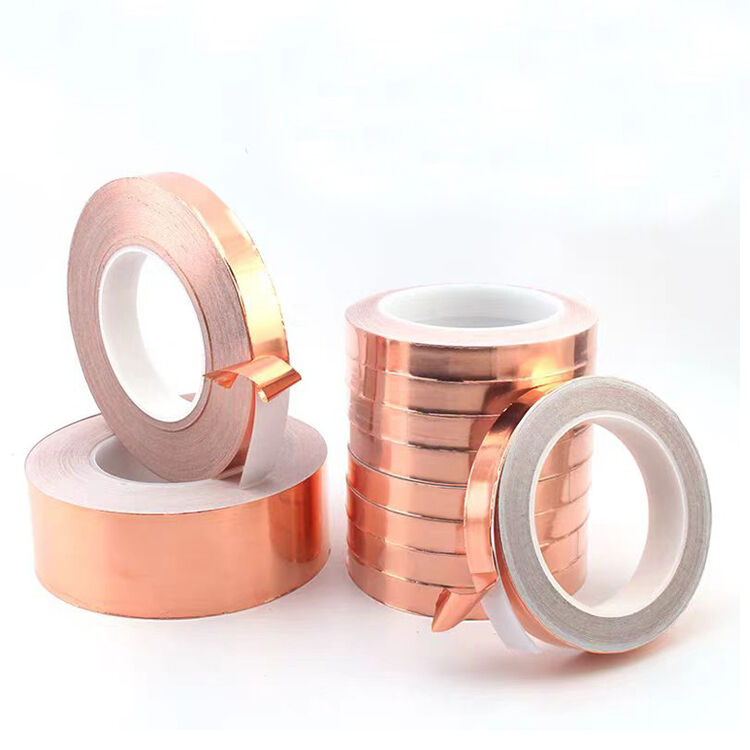
Aerospace environments demand materials that can withstand extreme temperature variations, pressure changes, and mechanical stresses while maintaining consistent electromagnetic properties. Traditional copper-based shielding materials may not perform adequately under these conditions, requiring specialized alloys and composite materials designed specifically for aerospace applications. Custom shielding EMI solutions often incorporate flame-retardant materials that meet strict aviation fire safety requirements while providing superior electromagnetic performance.
Material selection extends beyond electromagnetic properties to include considerations such as galvanic compatibility, outgassing characteristics, and long-term stability. Expert consultation helps identify materials that meet all these requirements while optimizing performance for specific electromagnetic frequency ranges. The selection process requires detailed knowledge of material science, electromagnetic theory, and aerospace certification requirements.
Weight and Space Optimization Strategies
Every gram of weight in aerospace applications translates to increased fuel consumption and reduced payload capacity, making weight optimization a critical aspect of custom shielding EMI solutions design. Expert designers employ advanced modeling techniques to minimize shielding material usage while maintaining required protection levels. These approaches often involve complex geometric optimizations and multi-layered shielding strategies that maximize effectiveness per unit weight.
Space constraints in aircraft design require innovative approaches to EMI shielding integration. Custom solutions must conform to irregular shapes, accommodate thermal expansion, and provide accessibility for maintenance without compromising electromagnetic protection. Expert consultation helps develop creative solutions that address these geometric challenges while maintaining manufacturing feasibility and cost-effectiveness.
Testing and Validation Methodologies
Comprehensive EMI Testing Protocols
Aerospace EMI testing requires sophisticated measurement techniques that accurately characterize electromagnetic performance across wide frequency ranges and under various environmental conditions. Custom shielding EMI solutions must undergo rigorous testing protocols that simulate real-world aircraft environments, including temperature cycling, vibration testing, and electromagnetic field exposure at various angles and polarizations. Expert testing facilities possess specialized equipment and knowledge necessary to conduct these comprehensive evaluations.
The interpretation of EMI test results requires deep understanding of electromagnetic theory and aerospace application requirements. Small variations in test conditions can significantly impact results, and expert analysis is essential for distinguishing between meaningful performance differences and measurement artifacts. This expertise becomes particularly important when optimizing custom shielding EMI solutions for specific aircraft platforms and operational environments.
Regulatory Compliance and Certification
Aerospace EMI certification involves multiple regulatory bodies with overlapping but distinct requirements. Federal Aviation Administration standards, European Aviation Safety Agency regulations, and military specifications each have unique testing protocols and acceptance criteria. Expert consultation helps navigate these complex regulatory landscapes while developing custom shielding EMI solutions that meet all applicable requirements without unnecessary over-engineering.
The certification process often requires detailed documentation of design rationale, material properties, and testing methodologies. Expert engineers understand the level of detail required for regulatory submissions and can provide the technical justification necessary for successful certification. This expertise helps avoid costly design iterations and certification delays that can significantly impact project timelines and budgets.
Manufacturing and Quality Control Excellence
Precision Manufacturing Techniques
Manufacturing custom shielding EMI solutions for aerospace applications requires precision techniques that ensure consistent electromagnetic performance across production batches. Expert manufacturers employ specialized processes such as precision stamping, controlled atmosphere brazing, and automated assembly techniques that maintain tight tolerances on critical dimensions. These manufacturing capabilities are essential for achieving repeatable electromagnetic performance in high-volume production environments.
Quality control systems for aerospace EMI shielding must address both electromagnetic performance and mechanical reliability. Expert manufacturers implement comprehensive testing protocols that verify electromagnetic properties, mechanical strength, and environmental resistance for every production unit. This level of quality assurance requires sophisticated measurement equipment and trained personnel with deep understanding of both electromagnetic principles and aerospace quality standards.
Supply Chain Management and Traceability
Aerospace applications require complete traceability of materials and manufacturing processes, from raw material sources through final product delivery. Expert suppliers maintain detailed records that document material certifications, process parameters, and quality test results for every component. This traceability system enables rapid response to any quality issues and provides the documentation necessary for aerospace certification maintenance.
Supply chain reliability becomes critical for custom shielding EMI solutions used in aircraft production programs. Expert suppliers develop redundant sourcing strategies and maintain strategic inventory levels to ensure consistent material availability. This supply chain expertise helps prevent production delays and ensures long-term availability of replacement parts throughout aircraft service life.
Cost-Effectiveness and Long-Term Value
Total Cost of Ownership Optimization
While initial costs of custom shielding EMI solutions may appear higher than standard alternatives, expert consultation often reveals significant long-term cost advantages. Properly designed custom solutions typically offer superior reliability, longer service life, and reduced maintenance requirements that provide substantial total cost of ownership benefits. Expert analysis can quantify these long-term advantages and justify the investment in custom EMI shielding solutions.
The cost of electromagnetic interference failures in aerospace applications can be catastrophic, potentially involving aircraft grounding, expensive repairs, and regulatory penalties. Expert-designed custom shielding EMI solutions help minimize these risks by providing robust protection that prevents interference-related failures. This risk mitigation value often far exceeds the incremental cost of custom solutions compared to standard alternatives.
Scalability and Future Adaptation
Expert consultation helps develop custom shielding EMI solutions that can adapt to evolving technology requirements and regulatory changes. Forward-looking design approaches consider potential frequency band expansions, power level increases, and integration with emerging technologies such as 5G communications and advanced radar systems. This adaptability helps protect long-term investments in aircraft platforms and avoids costly redesign efforts.
Scalability considerations become important for aircraft manufacturers producing multiple variants or planning production volume increases. Expert designers develop custom shielding EMI solutions with manufacturing flexibility that enables cost-effective scaling while maintaining electromagnetic performance consistency. This scalability expertise helps optimize manufacturing investments and production efficiency across product lifecycles.
Innovation and Future Technologies
Advanced Simulation and Modeling Capabilities
Modern EMI shielding design relies heavily on sophisticated computer modeling and simulation tools that predict electromagnetic performance before physical prototyping. Expert engineers utilize advanced finite element analysis software, electromagnetic field solvers, and multi-physics simulation platforms to optimize custom shielding EMI solutions design. These computational tools enable exploration of complex geometries and material combinations that would be impractical to evaluate through physical testing alone.
The accuracy of electromagnetic simulations depends critically on proper model setup, material property characterization, and boundary condition definition. Expert practitioners possess the experience necessary to develop accurate simulation models and interpret results correctly. This expertise helps avoid design errors that could lead to performance shortfalls or unnecessary over-engineering of custom EMI shielding solutions.
Integration with Emerging Aerospace Technologies
The aerospace industry continues to evolve with new technologies such as electric propulsion, autonomous flight systems, and advanced materials. These emerging technologies create new electromagnetic interference challenges that require innovative shielding approaches. Expert consultation helps identify potential interference sources early in the development process and develop custom shielding EMI solutions that address these novel challenges.
Integration with digital aircraft systems requires EMI shielding solutions that protect high-speed digital signals while maintaining data integrity. Expert designers understand the unique requirements of digital systems and can develop custom solutions that provide appropriate protection without degrading signal quality. This expertise becomes increasingly important as aircraft systems become more digitized and interconnected.
FAQ
What makes aerospace EMI requirements different from other industries
Aerospace EMI requirements are significantly more stringent than most other industries due to safety-critical applications and regulatory oversight. Aircraft systems must function reliably in environments with multiple high-power transmitters, lightning strikes, and extreme environmental conditions. Custom shielding EMI solutions for aerospace must meet strict certification requirements and provide consistent performance throughout extended service life under harsh conditions.
How do experts determine the optimal shielding configuration for specific aircraft systems
Experts use comprehensive electromagnetic analysis combining computer modeling, system-level testing, and operational environment characterization to determine optimal shielding configurations. This process involves analyzing frequency spectra of potential interference sources, signal sensitivity requirements, and physical constraints to develop custom shielding EMI solutions that provide adequate protection while minimizing weight and cost impacts.
What are the typical timelines for developing custom aerospace EMI shielding solutions
Development timelines for custom shielding EMI solutions in aerospace typically range from six months to two years depending on complexity and certification requirements. Expert consultation during early design phases can significantly accelerate development by identifying optimal approaches and avoiding design iterations. Proper planning and expert involvement help ensure projects meet schedule milestones while achieving required performance objectives.
How do custom solutions compare to standard EMI shielding products in terms of cost and performance
While custom shielding EMI solutions typically have higher initial costs than standard products, they often provide superior long-term value through optimized performance, reduced weight, and improved reliability. Expert analysis can quantify the total cost of ownership advantages including reduced maintenance, improved system performance, and risk mitigation that often justify the investment in custom solutions for aerospace applications.
Table of Contents
- Understanding Aerospace EMI Challenges
- Specialized Materials and Design Considerations
- Testing and Validation Methodologies
- Manufacturing and Quality Control Excellence
- Cost-Effectiveness and Long-Term Value
- Innovation and Future Technologies
-
FAQ
- What makes aerospace EMI requirements different from other industries
- How do experts determine the optimal shielding configuration for specific aircraft systems
- What are the typical timelines for developing custom aerospace EMI shielding solutions
- How do custom solutions compare to standard EMI shielding products in terms of cost and performance
