
 EN
EN
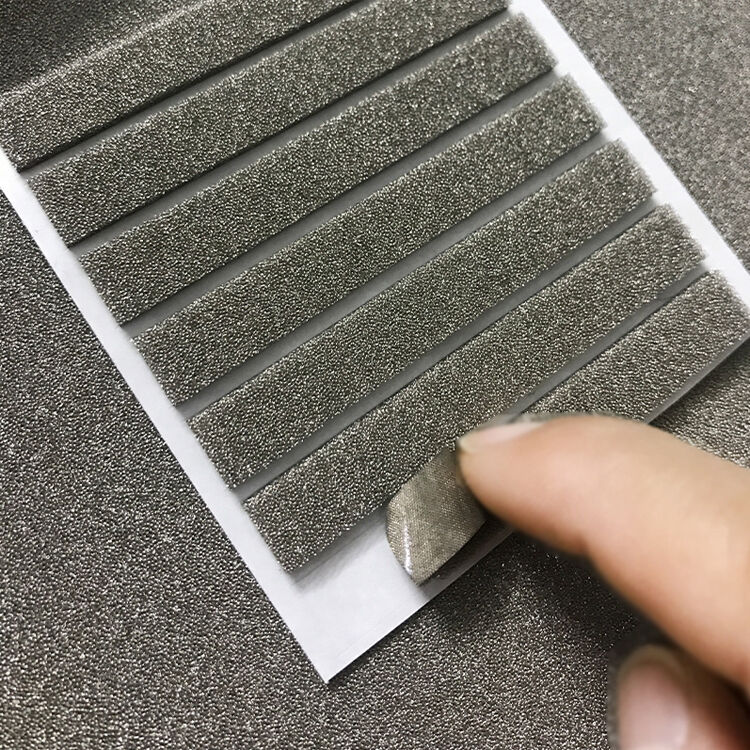
Electromagnetic interference (EMI) shielding represents one of the most critical challenges in modern electronics manufacturing, where effective grounding solutions determine the difference between compliant products and costly redesigns. A nickel-copper conductive foam gasket provides superior electrical continuity and mechanical flexibility, addressing multiple grounding requirements simultaneously in demanding industrial applications. These specialized gaskets combine the corrosion resistance of nickel plating with the excellent conductivity of copper substrates, creating reliable long-term performance in harsh environmental conditions. Understanding the comprehensive grounding benefits of these advanced materials enables engineers to make informed decisions when selecting EMI shielding solutions for critical electronic systems.
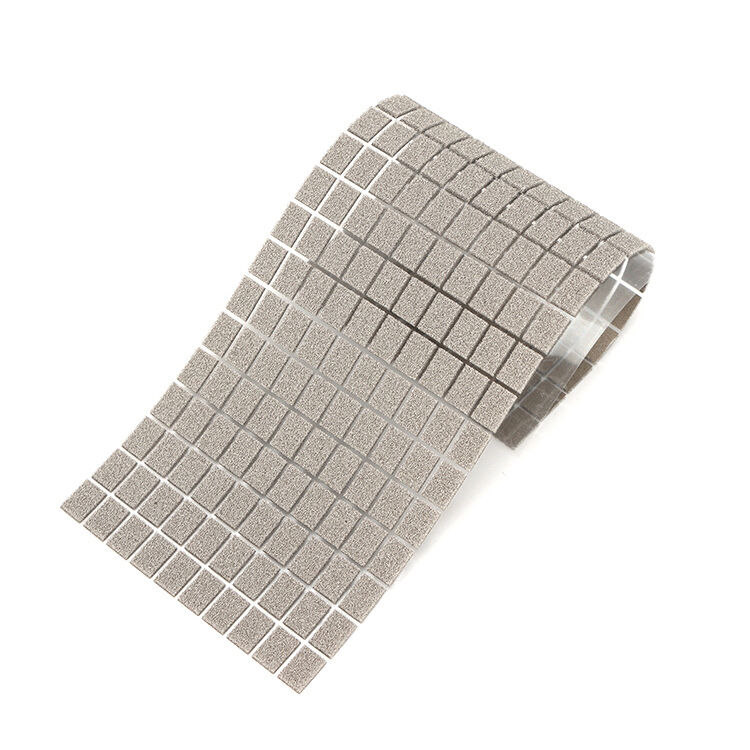
Fundamental Grounding Principles and Electrical Performance
Low Electrical Resistance Characteristics
The primary advantage of a nickel-copper conductive foam gasket lies in its exceptionally low electrical resistance, typically measuring less than 0.05 ohms across standardized test conditions. This minimal resistance ensures effective current flow between mating surfaces, preventing voltage differentials that could compromise system performance or create safety hazards. The copper core provides the bulk conductivity, while the nickel coating maintains surface integrity against oxidation and corrosion that would otherwise increase contact resistance over time.
Surface resistance measurements demonstrate consistent performance across temperature ranges from -40°C to +125°C, maintaining stable electrical properties throughout typical industrial operating conditions. The foam structure creates multiple contact points per unit area, distributing current flow and reducing localized heating effects that could degrade gasket performance. This distributed contact pattern ensures reliable grounding even when surface irregularities or contamination affect individual contact points.
Ground Plane Continuity Maintenance
Effective ground plane continuity requires seamless electrical connection across enclosure interfaces, where traditional solid gaskets may create gaps due to manufacturing tolerances or thermal expansion. A nickel-copper conductive foam gasket compresses to accommodate surface variations while maintaining electrical contact, ensuring uninterrupted ground plane performance. This flexibility prevents the formation of slot antennas or apertures that could compromise EMI shielding effectiveness.
The compressible nature allows these gaskets to maintain contact pressure across varying gap dimensions, compensating for assembly tolerances without requiring excessive closure forces. Ground plane integrity remains consistent even under dynamic loading conditions, such as vibration or thermal cycling, where rigid gaskets might lose contact. This reliability proves essential in applications where intermittent grounding could trigger system malfunctions or safety concerns.
EMI Shielding Performance and Frequency Response
Broadband Shielding Effectiveness
EMI shielding requirements span multiple frequency ranges, from low-frequency power line harmonics through microwave communications bands, demanding materials with consistent attenuation across this broad spectrum. A nickel-copper conductive foam gasket delivers superior shielding effectiveness exceeding 60 dB across frequencies from 10 MHz to 18 GHz when properly installed. The conductive foam structure creates a Faraday cage effect while accommodating mechanical tolerances that could compromise solid gasket performance.
High-frequency performance benefits from the skin effect characteristics of the nickel-copper coating, where electromagnetic fields penetrate only the surface layer of conductive materials. The multiple contact points created by the foam structure ensure continuous current paths even at microwave frequencies, preventing resonances or standing wave patterns that could reduce shielding effectiveness. This broadband performance eliminates the need for frequency-specific gasket solutions in multi-function electronic systems.
Attenuation Stability Under Environmental Stress
Environmental factors including humidity, temperature cycling, and chemical exposure can significantly degrade EMI shielding performance over time, particularly in outdoor or industrial installations. The nickel coating provides exceptional corrosion resistance, maintaining surface conductivity even under prolonged exposure to salt spray, industrial chemicals, or high humidity conditions. This environmental stability ensures consistent shielding performance throughout the product lifecycle.
Accelerated aging tests demonstrate minimal degradation in shielding effectiveness after 1000 hours of environmental stress testing, including temperature cycling between -40°C and +85°C with 95% relative humidity exposure. The nickel-copper conductive foam gasket maintains its electrical properties while retaining mechanical flexibility, preventing the brittleness that often affects alternative materials under similar conditions.
Mechanical Properties and Installation Advantages
Compression and Recovery Characteristics
Mechanical performance directly impacts both installation ease and long-term reliability, where excessive compression forces can damage components while insufficient pressure compromises electrical contact. A nickel-copper conductive foam gasket provides controlled compression characteristics, typically achieving 50-70% compression at moderate closure forces while maintaining adequate contact pressure for reliable electrical connection. This controlled compression prevents over-stress of sensitive components while ensuring effective sealing and grounding.
Recovery properties ensure the gasket returns to near-original thickness when compression is removed, enabling repeated assembly and disassembly without performance degradation. This elasticity proves valuable during manufacturing, testing, and field service operations where enclosures require frequent access. The foam structure maintains its resilience through hundreds of compression cycles, providing consistent performance throughout the product service life.
Conformability to Surface Irregularities
Real-world manufacturing tolerances and surface finishes create irregularities that can compromise gasket effectiveness, particularly in cost-sensitive applications where precision machining may not be economically feasible. The compressible foam structure conforms to surface variations, scratches, and minor imperfections while maintaining electrical continuity across the interface. This conformability reduces manufacturing costs by relaxing surface finish requirements without compromising performance.
Microscopic analysis reveals how the foam structure deforms around surface features, creating intimate contact even with surfaces exhibiting 32-63 microinch finish ratings typical of standard machining operations. This adaptability eliminates the need for specialized surface preparation or precision tolerances required by solid conductive gaskets, reducing both manufacturing complexity and component costs.
Long-Term Reliability and Performance Stability
Corrosion Resistance and Material Stability
Long-term reliability depends on material stability under operating conditions, where galvanic corrosion, oxidation, or chemical degradation could compromise both electrical and mechanical performance. The nickel coating provides excellent corrosion resistance while maintaining compatibility with aluminum, steel, and other common enclosure materials. This compatibility prevents galvanic corrosion that could increase contact resistance or create mechanical failure points over time.
Material stability testing demonstrates consistent performance after extended exposure to industrial atmospheres, including sulfur compounds, chlorides, and organic solvents commonly encountered in manufacturing environments. The copper substrate remains protected from oxidation while the nickel surface maintains its conductivity and corrosion resistance, ensuring reliable grounding performance throughout the expected product lifecycle.
Thermal Cycling Performance
Temperature variations create mechanical stress through differential thermal expansion, potentially compromising gasket integrity or electrical continuity in applications experiencing wide temperature ranges. A nickel-copper conductive foam gasket maintains its electrical and mechanical properties across temperature ranges from -55°C to +150°C, accommodating thermal cycling without permanent deformation or performance degradation. This thermal stability proves essential in automotive, aerospace, and industrial applications where temperature extremes are common.
Thermal expansion coefficients closely match those of common enclosure materials, minimizing stress concentrations that could affect gasket performance or enclosure integrity. The foam structure provides internal stress relief, preventing the buildup of thermal stresses that might cause solid gaskets to crack or lose contact pressure during temperature cycling.
Application-Specific Benefits and Implementation
Telecommunications and Data Center Applications
High-frequency communications equipment requires exceptional EMI shielding to prevent interference between channels and ensure signal integrity, where even minor grounding discontinuities can create significant performance issues. A nickel-copper conductive foam gasket provides the consistent electrical performance necessary for telecommunications equipment, maintaining shielding effectiveness across the frequency ranges used by 5G, WiFi, and other wireless communication systems.
Data center applications benefit from the reliable grounding provided by these gaskets, particularly in high-density server installations where electromagnetic compatibility becomes increasingly challenging. The gaskets help maintain ground plane integrity across multiple enclosure interfaces, preventing ground loops and ensuring proper operation of sensitive digital circuits operating at high clock frequencies.
Automotive and Transportation Systems
Automotive electronic systems face unique challenges including vibration, temperature cycling, and exposure to automotive fluids, requiring gaskets that maintain performance under these harsh conditions. The mechanical flexibility of a nickel-copper conductive foam gasket provides vibration isolation while maintaining electrical continuity, preventing intermittent grounding issues that could affect engine management, safety systems, or infotainment functions.
Electric vehicle applications particularly benefit from the superior grounding performance, where high-voltage systems require reliable EMI shielding to prevent interference with vehicle communications and safety systems. The gaskets maintain their performance characteristics despite exposure to battery cooling fluids, road salt, and the wide temperature ranges experienced in automotive applications.
Cost-Effectiveness and Economic Benefits
Manufacturing and Assembly Advantages
Manufacturing costs extend beyond material prices to include installation complexity, quality control requirements, and potential rework expenses associated with EMI compliance testing failures. A nickel-copper conductive foam gasket simplifies installation by eliminating the need for precise torque specifications or complex assembly procedures required by some alternative shielding solutions. The forgiving compression characteristics reduce the likelihood of installation errors while maintaining consistent performance.
Quality control benefits from the predictable performance characteristics, where consistent electrical properties reduce the variability in EMI testing results. This consistency helps manufacturers achieve regulatory compliance more reliably, reducing the risk of costly design iterations or product delays associated with EMI compliance issues discovered late in the development cycle.
Lifecycle Cost Considerations
Total cost of ownership includes initial material costs, installation expenses, maintenance requirements, and replacement frequency over the product lifecycle. The durability and environmental stability of nickel-copper conductive foam gaskets minimize maintenance requirements while providing reliable performance throughout typical product lifespans of 10-20 years. This longevity reduces lifecycle costs compared to alternative materials requiring periodic replacement or maintenance.
Field service benefits include simplified replacement procedures when maintenance is required, where the gasket properties allow for easy removal and installation without specialized tools or extensive disassembly. This serviceability reduces both direct maintenance costs and system downtime, particularly important in critical applications where availability requirements are stringent.
FAQ
What compression ratio should be used for optimal performance?
A nickel-copper conductive foam gasket typically performs optimally at 50-70% compression, providing adequate contact pressure for reliable electrical connection while avoiding over-compression that could damage the foam structure. This compression range ensures consistent performance across manufacturing tolerances while maintaining gasket longevity through repeated assembly cycles.
How does environmental exposure affect long-term grounding performance?
The nickel coating provides excellent corrosion resistance, maintaining stable electrical properties even after extended exposure to industrial atmospheres, salt spray, and high humidity conditions. Testing demonstrates minimal change in contact resistance after 1000 hours of accelerated environmental stress, ensuring reliable grounding performance throughout typical product lifecycles.
What frequency range provides effective EMI shielding?
Nickel-copper conductive foam gaskets deliver superior shielding effectiveness exceeding 60 dB across frequencies from 10 MHz to 18 GHz when properly installed. This broadband performance covers most commercial and industrial EMI requirements, eliminating the need for frequency-specific gasket solutions in multi-function electronic systems.
Can these gaskets be used with different enclosure materials?
The nickel coating ensures compatibility with aluminum, steel, and other common enclosure materials while preventing galvanic corrosion that could compromise long-term performance. This material compatibility simplifies design decisions and reduces the risk of electrochemical reactions that might affect electrical or mechanical properties over time.
Table of Contents
- Fundamental Grounding Principles and Electrical Performance
- EMI Shielding Performance and Frequency Response
- Mechanical Properties and Installation Advantages
- Long-Term Reliability and Performance Stability
- Application-Specific Benefits and Implementation
- Cost-Effectiveness and Economic Benefits
- FAQ
