
 EN
EN
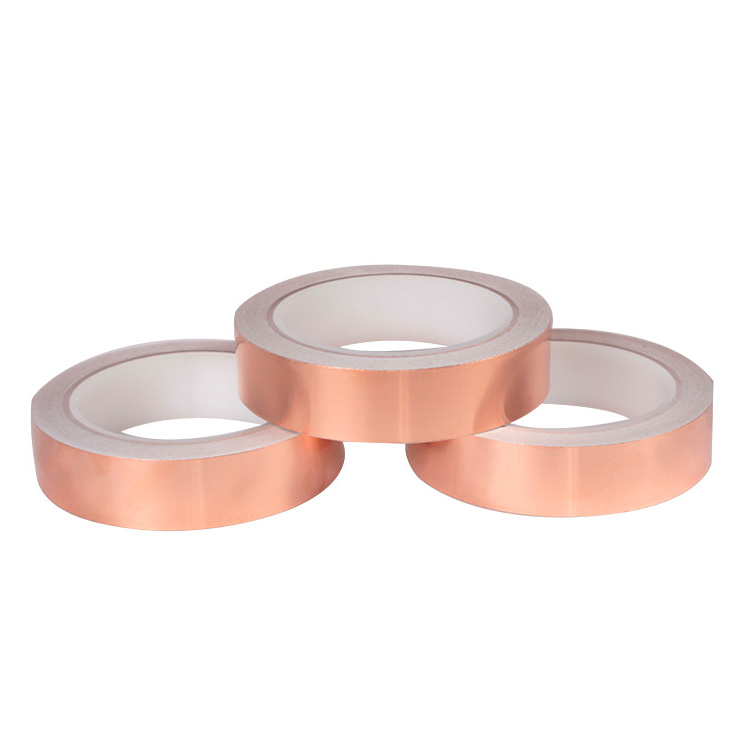
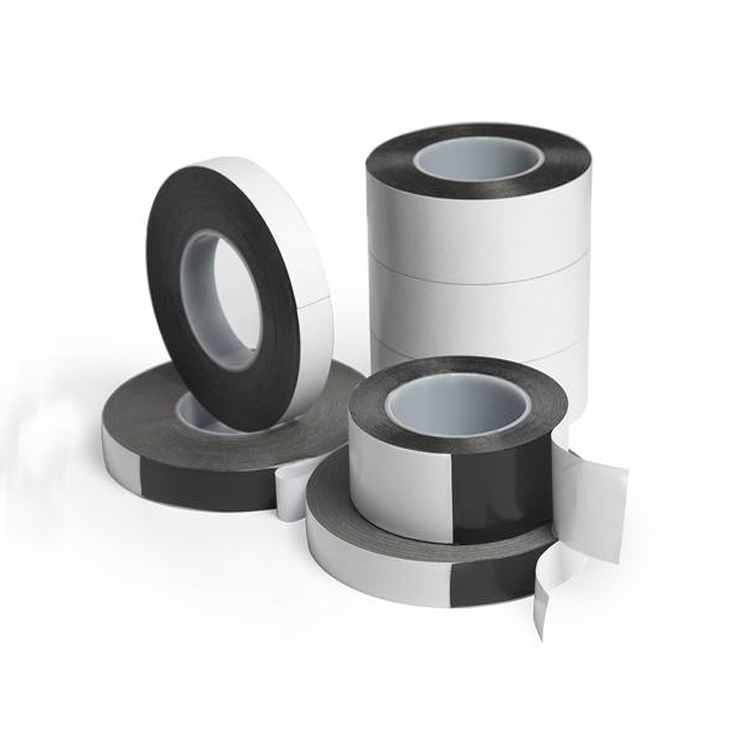
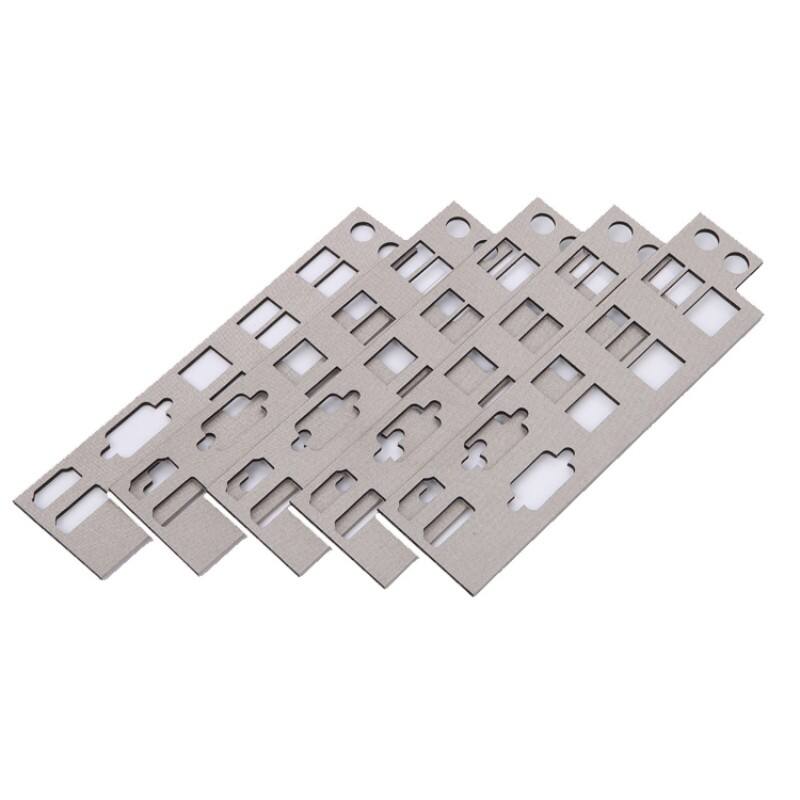
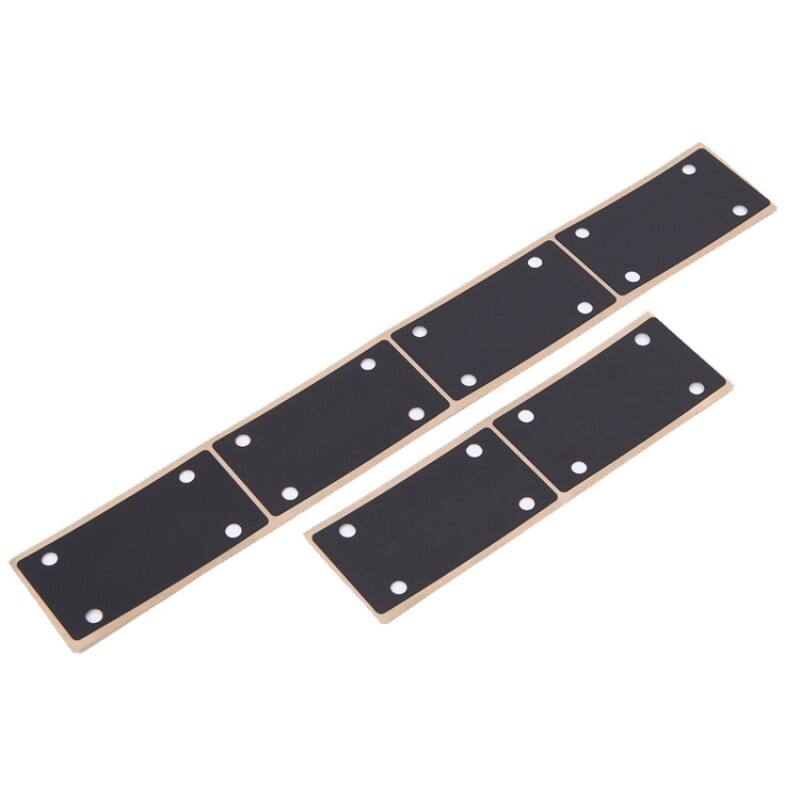
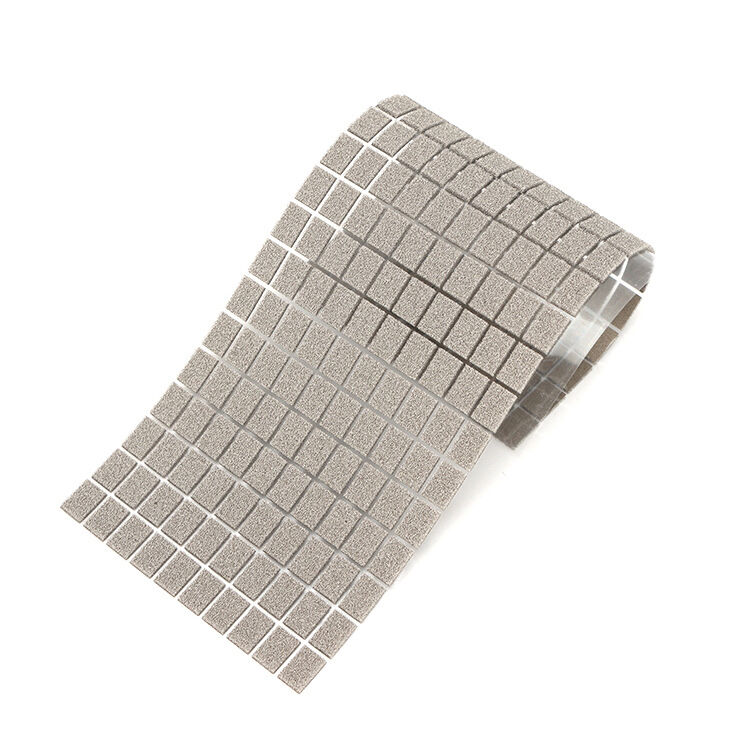
Selecting the appropriate EMI shielding tape for flexible cable assemblies represents a critical decision that directly impacts the electromagnetic compatibility and overall performance of electronic systems. In today's increasingly complex electronic environment, engineers must navigate through numerous technical specifications, material properties, and application requirements to identify the optimal shielding solution. The proliferation of high-frequency devices, wireless communications, and compact electronic designs has intensified the need for effective electromagnetic interference mitigation strategies. Understanding the fundamental characteristics of EMI shielding tape becomes essential for achieving reliable system performance while maintaining design flexibility and cost-effectiveness.
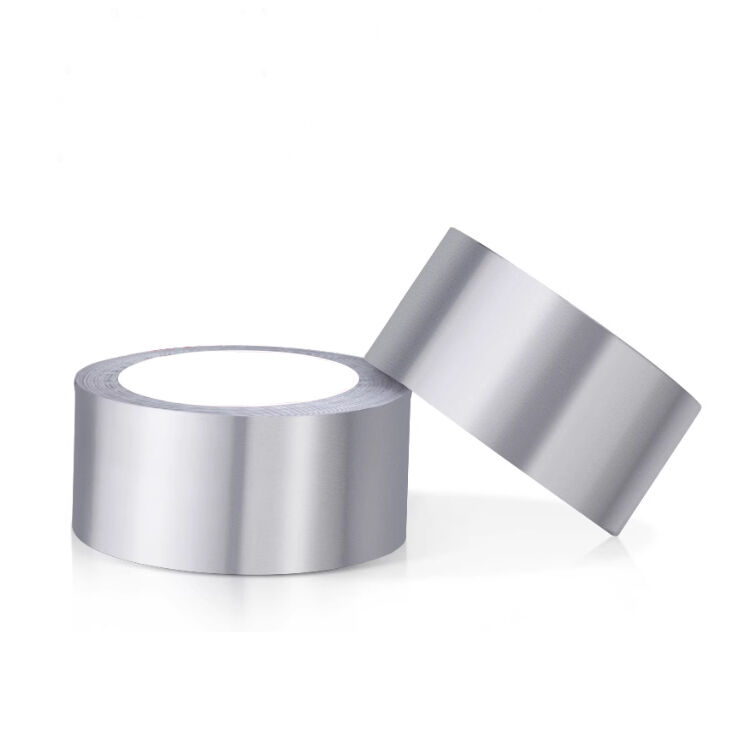
Understanding EMI Shielding Fundamentals
Electromagnetic Interference Sources and Impact
Electromagnetic interference originates from various sources including switching power supplies, digital circuits, wireless transmitters, and external environmental factors. These interference sources generate unwanted electromagnetic energy that can couple into sensitive circuits through conductive, inductive, or radiative mechanisms. The impact of EMI on flexible cable assemblies manifests as signal degradation, data corruption, system malfunctions, and potential regulatory compliance issues. Modern electronic systems operating at higher frequencies and power levels create more challenging EMI environments, requiring sophisticated shielding approaches to maintain signal integrity and system reliability.
The coupling mechanisms between interference sources and victim circuits determine the effectiveness requirements for EMI shielding tape applications. Conductive coupling occurs through direct electrical connections or shared impedances, while inductive coupling results from magnetic field interactions between circuits. Radiative coupling involves electromagnetic wave propagation from source to victim circuits, particularly problematic at higher frequencies where wavelengths become comparable to circuit dimensions. Understanding these coupling mechanisms enables engineers to specify appropriate shielding effectiveness levels and select EMI shielding tape with suitable attenuation characteristics for specific frequency ranges and application environments.
Shielding Effectiveness Principles
Shielding effectiveness quantifies the ability of EMI shielding tape to attenuate electromagnetic energy transmission between source and victim circuits. The fundamental mechanisms contributing to shielding effectiveness include reflection losses, absorption losses, and multiple reflection corrections. Reflection losses occur at the impedance discontinuity between free space and the shielding material, with effectiveness dependent on the material's surface impedance and the impedance of the propagating electromagnetic wave. High conductivity materials typically provide excellent reflection losses, particularly effective against electric field dominated interference sources common in near-field applications.
Absorption losses result from electromagnetic energy dissipation within the shielding material as electromagnetic fields induce currents that encounter material resistance. The absorption effectiveness depends on material thickness, conductivity, and permeability, with frequency-dependent characteristics that influence material selection decisions. Multiple reflection corrections account for re-reflections between shielding material interfaces, becoming significant when material thickness approaches electromagnetic wavelengths. Proper EMI shielding tape selection requires balancing these mechanisms to achieve target attenuation levels while considering practical constraints such as thickness, flexibility, and cost considerations in flexible cable assembly applications.
Material Properties and Performance Characteristics
Conductive Material Options
The conductive layer represents the primary electromagnetic barrier in EMI shielding tape designs, with material selection significantly impacting performance, cost, and application suitability. Copper provides excellent conductivity and corrosion resistance, making it suitable for demanding environments requiring high shielding effectiveness across broad frequency ranges. The superior electrical properties of copper enable thin-profile designs while maintaining excellent attenuation characteristics, particularly beneficial for flexible cable assemblies with space constraints. However, copper's higher cost and potential oxidation concerns in certain environments must be considered during material evaluation processes.
Aluminum offers cost-effective EMI shielding performance with adequate conductivity for many applications, though requiring careful consideration of galvanic compatibility and environmental stability. The lightweight characteristics of aluminum provide advantages in aerospace and portable applications where weight reduction represents a critical design parameter. Nickel-based conductive materials deliver excellent corrosion resistance and magnetic permeability benefits, enhancing shielding effectiveness against magnetic field sources. Silver-coated materials provide superior conductivity and environmental stability but at premium costs typically reserved for high-performance applications. The selection of conductive materials for EMI shielding tape requires balancing electrical performance, environmental compatibility, and cost considerations specific to each application.
Substrate and Adhesive Considerations
The substrate material provides mechanical support and determines the flexibility, durability, and environmental resistance characteristics of EMI shielding tape. Polyester substrates offer excellent dimensional stability, chemical resistance, and temperature performance suitable for demanding industrial applications. The superior mechanical properties of polyester enable reliable performance under mechanical stress, vibration, and temperature cycling conditions commonly encountered in flexible cable assemblies. Polyimide substrates provide exceptional temperature resistance and flexibility, making them ideal for aerospace and high-temperature applications requiring sustained performance under extreme conditions.
Adhesive selection significantly influences the long-term reliability and performance stability of EMI shielding tape installations. Conductive adhesives provide continuous electrical connection between the tape and substrate surfaces, minimizing contact resistance that could degrade shielding effectiveness. Acrylic-based adhesives deliver excellent environmental resistance and aging characteristics, maintaining adhesion strength and electrical properties over extended operating periods. Silicone adhesives provide superior temperature resistance and flexibility but may exhibit higher outgassing characteristics that require consideration in sensitive applications. The adhesive system must also demonstrate compatibility with cable jacket materials to prevent degradation or delamination issues that could compromise electromagnetic protection performance.
Application-Specific Selection Criteria
Frequency Range Requirements
The operating frequency range of the electronic system determines the electromagnetic characteristics and shielding effectiveness requirements for EMI shielding tape selection. Low-frequency applications typically encounter predominantly magnetic field coupling, requiring materials with high permeability to achieve effective attenuation. The skin depth phenomenon at low frequencies necessitates thicker conductive layers or higher permeability materials to achieve adequate absorption losses. EMI shielding tape designed for low-frequency applications often incorporates ferrite-loaded materials or specialized magnetic alloys to enhance magnetic field attenuation characteristics while maintaining flexibility for cable assembly applications.
High-frequency applications present different challenges where electromagnetic wave propagation and electric field coupling dominate the interference mechanisms. The reduced skin depth at high frequencies enables thinner conductive layers to achieve effective shielding, though material uniformity and surface quality become more critical factors. EMI shielding tape for high-frequency applications requires careful attention to conductive layer continuity, surface roughness, and impedance discontinuities that could create reflection inefficiencies or resonance effects. Broadband applications spanning multiple frequency decades require EMI shielding tape with consistent performance characteristics across the entire operating spectrum, often necessitating specialized material combinations or multi-layer constructions.
Environmental and Mechanical Requirements
Environmental conditions significantly influence EMI shielding tape selection, with temperature, humidity, chemical exposure, and mechanical stress factors affecting long-term performance and reliability. High-temperature applications require materials with stable electrical and mechanical properties across the operating temperature range, including considerations for thermal expansion, adhesive stability, and conductive layer integrity. The coefficient of thermal expansion matching between the EMI shielding tape and cable assembly materials helps minimize mechanical stress and delamination risks during temperature cycling. Chemical resistance becomes critical in applications involving exposure to solvents, fuels, or corrosive atmospheres that could degrade tape materials or compromise electromagnetic protection effectiveness.
Mechanical flexibility requirements influence substrate selection and construction techniques for EMI shielding tape used in dynamic cable assembly applications. Repeated flexing, bending, and torsional movements generate mechanical stress that must not compromise the conductive layer integrity or create electrical discontinuities. The fatigue resistance characteristics of both substrate and conductive materials determine the operational life expectancy under dynamic conditions. EMI shielding tape for robotics, automotive, and aerospace applications requires enhanced mechanical durability to withstand vibration, shock, and repetitive motion without performance degradation. Environmental sealing considerations may necessitate additional protective measures or specialized adhesive systems to prevent moisture ingress that could affect electrical performance or material stability.
Installation and Performance Optimization
Application Techniques and Best Practices
Proper installation techniques significantly impact the electromagnetic performance and reliability of EMI shielding tape applications in flexible cable assemblies. Surface preparation represents a critical first step, requiring clean, dry, and contamination-free surfaces to ensure optimal adhesion and electrical contact. The surface roughness and texture affect both adhesive bonding and electrical conductivity, with smoother surfaces generally providing better electrical contact but potentially reducing mechanical adhesion. EMI shielding tape installation requires consistent pressure application to eliminate air bubbles and ensure uniform contact across the entire surface area, preventing localized electrical discontinuities that could compromise shielding effectiveness.
Overlap techniques and seam treatments determine the continuity of electromagnetic protection along cable assembly lengths. Proper overlap dimensions ensure electrical continuity without creating excessive bulk or mechanical stress concentrations. The orientation of overlaps relative to flexing directions influences mechanical durability and electrical stability under dynamic conditions. EMI shielding tape seams require careful attention to conductive adhesive coverage and contact pressure to maintain electrical continuity across joints. Ground connection strategies must establish low-impedance paths between the shielded cable assembly and system ground references, with consideration for ground loop prevention and electromagnetic compatibility with other system components.
Testing and Validation Methods
Performance validation of EMI shielding tape installations requires appropriate test methods and measurement techniques to verify electromagnetic protection effectiveness. Shielding effectiveness measurements typically employ standardized test fixtures and procedures such as ASTM D4935 or IEEE 299, though modifications may be necessary for flexible cable assembly configurations. Transfer impedance testing provides valuable insights into the low-frequency magnetic field shielding performance, particularly relevant for power and signal cables carrying significant current levels. The test frequency range must encompass the entire spectrum of interest, with sufficient resolution to identify resonances or performance variations that could affect system operation.
Field strength measurements before and after EMI shielding tape installation provide practical validation of electromagnetic protection improvements in actual operating environments. Near-field measurements help characterize the local electromagnetic environment and validate shielding effectiveness against specific interference sources. Environmental testing verifies the stability of EMI shielding tape performance under temperature cycling, humidity exposure, mechanical stress, and chemical exposure conditions representative of the intended application. Long-term reliability assessment requires accelerated aging tests and periodic performance monitoring to ensure sustained electromagnetic protection throughout the expected service life. Documentation of test results and performance criteria enables quality control and provides baseline references for future installations or troubleshooting activities.
Cost-Benefit Analysis and Selection Framework
Economic Considerations
The economic evaluation of EMI shielding tape options requires comprehensive analysis of initial material costs, installation expenses, and long-term operational benefits. Premium materials such as silver-coated or specialized alloy conductors command higher initial costs but may provide superior performance and durability that justify the investment in critical applications. The cost-per-unit-area varies significantly among different EMI shielding tape constructions, with thicker materials or specialized substrates typically requiring higher investments. Volume considerations affect pricing structures, with larger procurement quantities often enabling negotiated pricing advantages that improve project economics. The total cost analysis must include installation labor, specialized tools, and training requirements that could impact overall project expenses.
Operational benefits derived from effective EMI shielding tape implementation include reduced electromagnetic compatibility issues, improved system reliability, and decreased maintenance requirements. The cost of EMI-related system failures, including downtime, repair expenses, and potential regulatory penalties, often exceeds the investment in proper electromagnetic protection measures. Life-cycle cost analysis considers material degradation rates, replacement intervals, and performance maintenance requirements over the expected service life. EMI shielding tape with superior environmental resistance and mechanical durability may provide lower total ownership costs despite higher initial material expenses. The economic framework should also consider potential system performance improvements, such as enhanced signal quality or expanded operating margins, that could provide additional value beyond basic electromagnetic protection.
Decision Matrix Development
A structured decision matrix facilitates objective EMI shielding tape selection by weighting various performance criteria according to application-specific priorities. Technical performance factors include shielding effectiveness across relevant frequency ranges, mechanical flexibility, temperature resistance, and environmental compatibility. The relative importance of each criterion depends on specific application requirements, with high-reliability applications typically emphasizing performance stability and environmental resistance over cost considerations. Supplier qualifications, including quality certifications, technical support capabilities, and delivery reliability, represent important evaluation factors that could influence long-term project success.
The decision matrix should incorporate quantitative performance data where available, supplemented by qualitative assessments of factors such as supplier reputation and technology roadmaps. EMI shielding tape selection often involves trade-offs between conflicting requirements, such as cost versus performance or thickness versus flexibility, requiring careful prioritization of design objectives. Risk assessment considerations include material availability, supplier stability, and technology obsolescence factors that could affect long-term support and replacement part availability. The final selection process should document the rationale and assumptions underlying the decision to facilitate future evaluations and provide guidance for similar applications. Regular review and updating of selection criteria helps incorporate lessons learned and technology advances that could influence future EMI shielding tape specifications.
FAQ
What factors determine the required shielding effectiveness for EMI shielding tape?
The required shielding effectiveness depends on the electromagnetic environment, sensitive circuit requirements, and regulatory compliance standards. Key factors include interference source strength and frequency characteristics, victim circuit susceptibility levels, coupling mechanisms between source and victim, and applicable EMC standards. Engineers typically perform electromagnetic compatibility analysis to determine target attenuation levels, considering safety margins and worst-case operating conditions. The shielding effectiveness specification should address both electric and magnetic field components across the relevant frequency spectrum, with typical requirements ranging from 40-80 dB depending on application criticality and environmental severity.
How does cable flexibility affect EMI shielding tape performance?
Cable flexibility requirements significantly influence EMI shielding tape selection, as mechanical stress from bending and flexing can compromise conductive layer integrity and electrical continuity. Dynamic applications require materials with superior fatigue resistance and construction techniques that accommodate mechanical deformation without creating electrical discontinuities. The substrate flexibility, conductive material ductility, and adhesive elasticity must be matched to the expected mechanical duty cycle. Specialized flexible constructions may incorporate serpentine conductor patterns, elastic substrates, or segmented designs to maintain electrical performance under repeated mechanical stress while preserving electromagnetic protection effectiveness.
What are the key differences between copper and aluminum EMI shielding tape?
Copper EMI shielding tape provides superior electrical conductivity, corrosion resistance, and broad-spectrum electromagnetic performance compared to aluminum alternatives. Copper maintains stable electrical properties across wide temperature ranges and offers excellent compatibility with various environmental conditions. However, copper typically costs more and exhibits higher density than aluminum options. Aluminum EMI shielding tape delivers adequate performance for many applications at lower cost and reduced weight, making it suitable for cost-sensitive or weight-critical applications. The selection between copper and aluminum depends on performance requirements, environmental conditions, cost constraints, and mechanical considerations specific to each flexible cable assembly application.
How important is the adhesive system in EMI shielding tape performance?
The adhesive system plays a crucial role in EMI shielding tape performance by establishing electrical continuity between the conductive layer and substrate surface while providing mechanical attachment. Conductive adhesives minimize contact resistance and ensure electromagnetic protection continuity, particularly important for high-frequency applications where impedance discontinuities can degrade effectiveness. The adhesive must maintain stable electrical and mechanical properties throughout the operating temperature range and environmental exposure conditions. Long-term adhesive reliability prevents delamination or electrical degradation that could compromise electromagnetic protection. Proper adhesive selection considers surface compatibility, environmental resistance, outgassing characteristics, and electrical conductivity requirements specific to the flexible cable assembly application.
