
 EN
EN
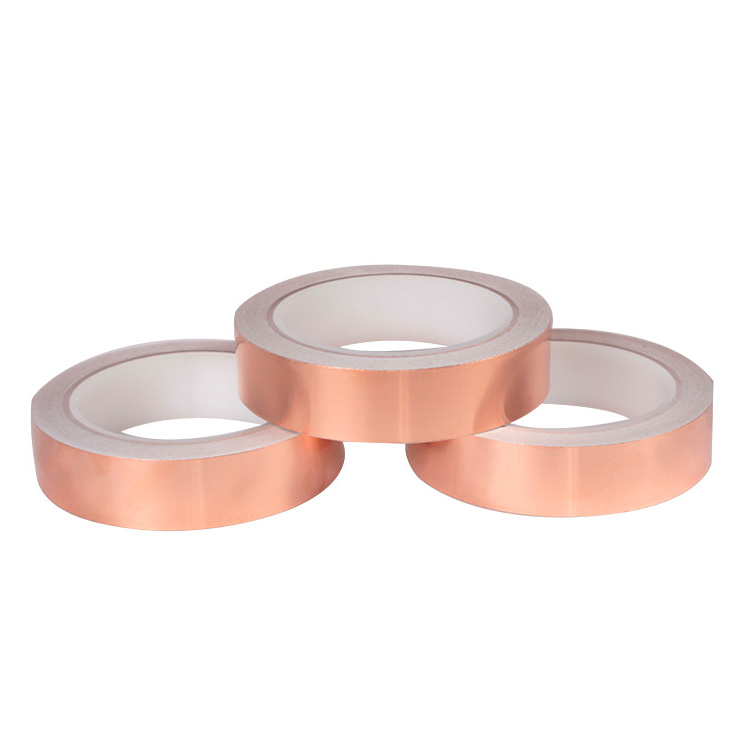
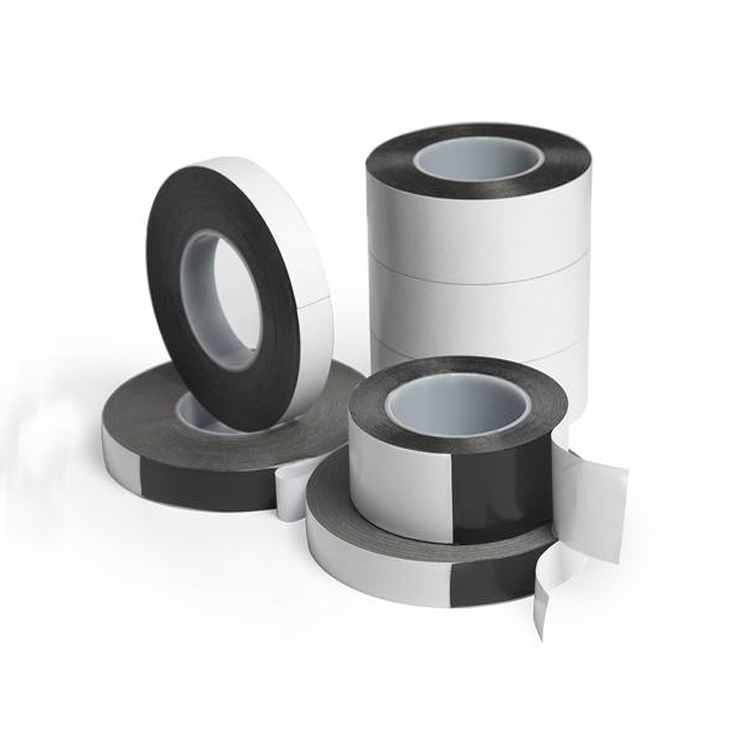
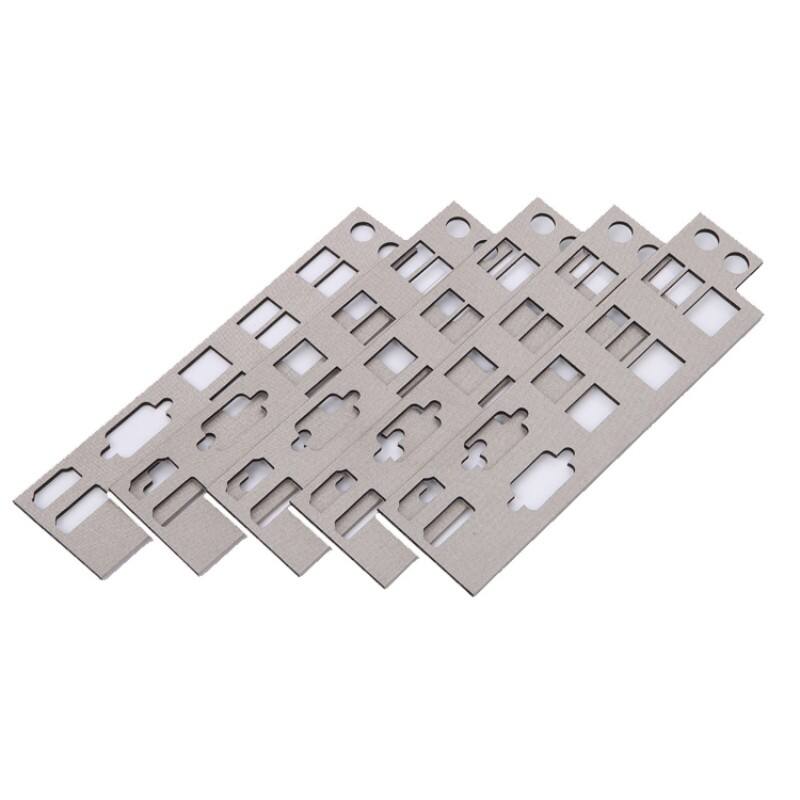
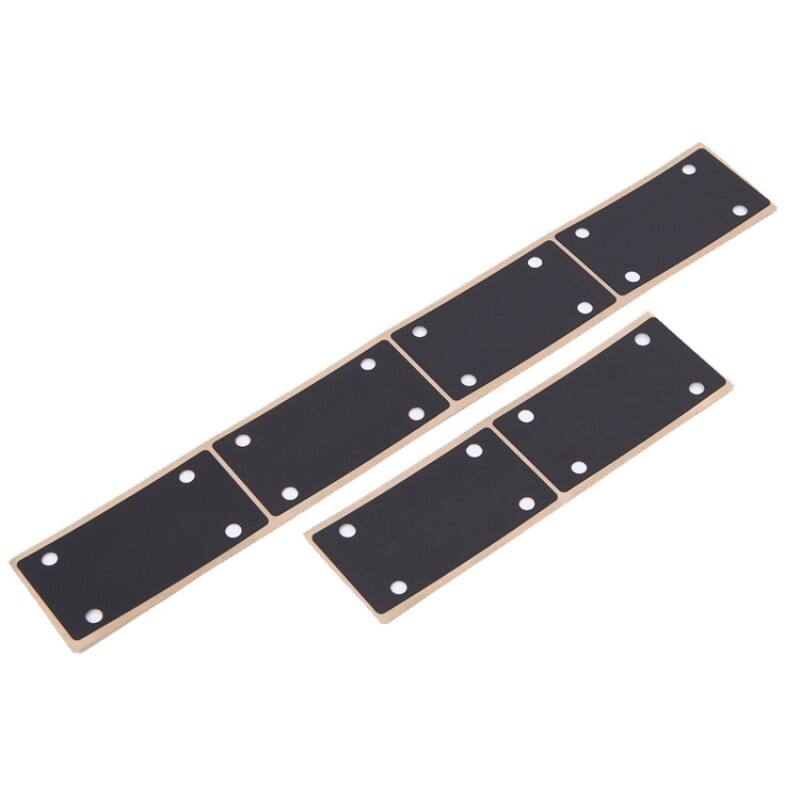
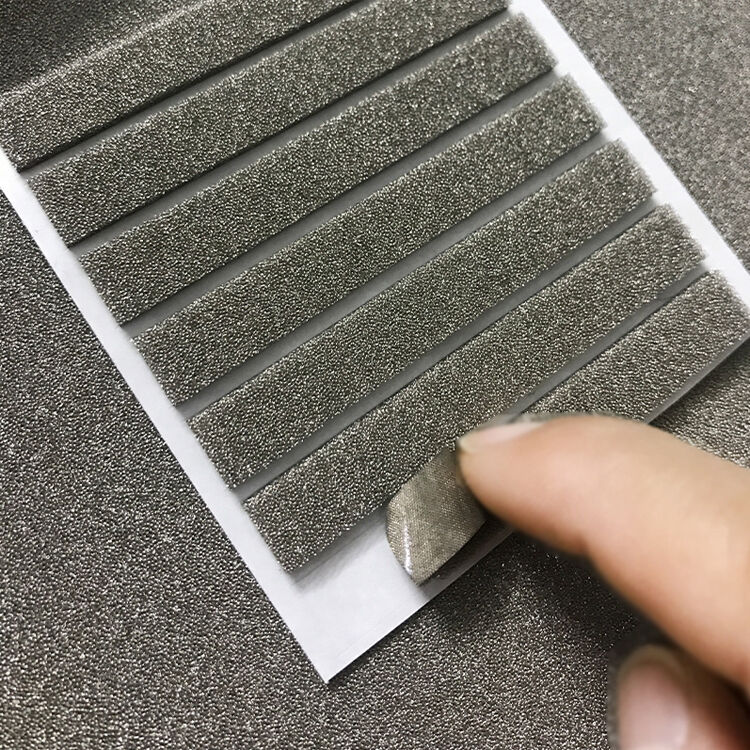
Electronic equipment cabinets and enclosures face constant challenges from electromagnetic interference, making effective shielding solutions essential for optimal performance. Engineers and designers increasingly turn to specialized materials that provide both electrical conductivity and mechanical flexibility. Among these solutions, fabric-over-foam EMI gasket foam has emerged as a preferred choice for cabinet door applications, offering superior sealing capabilities and electromagnetic shielding effectiveness.
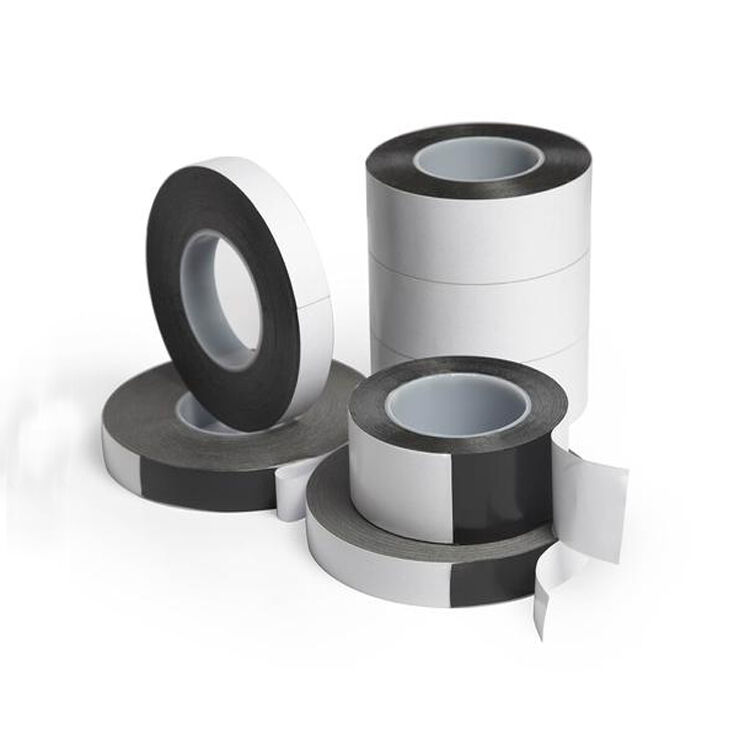
The unique construction of fabric-over-foam EMI gasket foam combines the compressibility of foam substrates with the conductivity of metallic fabrics, creating an optimal balance for cabinet door sealing applications. This dual-layer approach addresses both the physical and electrical requirements necessary for effective electromagnetic interference suppression. Modern electronic systems demand increasingly sophisticated shielding solutions that can adapt to varying door compression levels while maintaining consistent electrical contact.
Cabinet door applications present specific challenges that require specialized gasket materials capable of withstanding repeated compression cycles while maintaining their shielding effectiveness. The fabric-over-foam EMI gasket foam construction provides the necessary durability and performance characteristics that traditional solid gaskets often cannot achieve. Understanding these advantages helps engineers make informed decisions about electromagnetic shielding solutions for their specific applications.
Superior Compression Characteristics
Foam Core Flexibility
The foam substrate in fabric-over-foam EMI gasket foam provides exceptional compression characteristics that adapt to various door tolerances and surface irregularities. Unlike rigid metallic gaskets, the foam core allows for significant compression without permanent deformation, ensuring consistent sealing performance over thousands of open-close cycles. This flexibility proves particularly valuable in cabinet applications where door alignment may vary due to manufacturing tolerances or thermal expansion.
Polyurethane and silicone foam substrates commonly used in fabric-over-foam EMI gasket foam formulations offer different compression ratios and recovery characteristics. Engineers can select specific foam densities and compositions based on their application requirements, including the expected compression force and frequency of door operation. The foam core's ability to conform to irregular surfaces ensures optimal contact with both the cabinet frame and door surfaces.
Temperature stability represents another critical advantage of quality foam substrates used in fabric-over-foam EMI gasket foam applications. Many foam formulations maintain their compression characteristics across wide temperature ranges, ensuring consistent performance in various operating environments. This thermal stability prevents gasket failure due to compression set or material degradation in extreme temperature conditions.
Compression Set Resistance
Long-term compression set resistance distinguishes high-quality fabric-over-foam EMI gasket foam from inferior alternatives, ensuring sustained performance throughout the gasket's operational life. The foam core's molecular structure and cross-linking density directly influence its ability to recover from compression, making material selection crucial for demanding applications. Premium foam substrates maintain their original thickness and compression characteristics even after extended periods under load.
Testing protocols for compression set resistance typically involve subjecting fabric-over-foam EMI gasket foam samples to specific compression ratios at elevated temperatures for extended periods. These standardized tests help engineers predict gasket performance in real-world applications and select appropriate materials for their specific requirements. Understanding compression set data enables proper gasket sizing and installation procedures.
Environmental factors such as humidity, chemical exposure, and UV radiation can affect compression set resistance in certain foam formulations. High-quality fabric-over-foam EMI gasket foam products incorporate stabilizers and additives that minimize environmental degradation, ensuring consistent compression characteristics throughout the gasket's service life. Proper material specification based on environmental conditions prevents premature gasket failure.
Electromagnetic Shielding Performance
Conductive Fabric Properties
The conductive fabric layer in fabric-over-foam EMI gasket foam provides the primary electromagnetic shielding capability through various metallic coating or weaving techniques. Silver-plated copper fabrics offer excellent conductivity and corrosion resistance, making them ideal for high-performance applications requiring superior shielding effectiveness. Nickel-plated fabrics provide cost-effective alternatives for applications with moderate shielding requirements.
Fabric weave patterns and density significantly influence the shielding effectiveness of fabric-over-foam EMI gasket foam products. Tighter weaves generally provide better shielding performance but may reduce flexibility and compressibility. Engineers must balance shielding requirements with mechanical performance needs when selecting fabric specifications for their applications.
Surface conductivity measurements help quantify the electrical performance of conductive fabrics used in fabric-over-foam EMI gasket foam construction. These measurements, typically expressed in ohms per square, indicate the fabric's ability to conduct electrical current across its surface. Lower resistance values generally correlate with better shielding performance, though other factors such as contact resistance also influence overall effectiveness.
Shielding Effectiveness Measurements
Standardized testing methods such as ASTM D4935 provide reliable measurements of shielding effectiveness for fabric-over-foam EMI gasket foam materials across various frequency ranges. These tests typically evaluate both reflection and absorption losses, providing comprehensive data on electromagnetic interference suppression capabilities. Understanding test methodologies helps engineers interpret specification data and make appropriate material selections.
Frequency-dependent shielding characteristics of fabric-over-foam EMI gasket foam require consideration across the entire electromagnetic spectrum relevant to specific applications. Low-frequency magnetic fields may require different fabric constructions compared to high-frequency electric fields, influencing material selection decisions. Multi-layer fabric constructions can provide enhanced shielding across broader frequency ranges.
Real-world shielding performance often differs from laboratory test results due to installation factors such as gasket compression, surface preparation, and contact resistance. Proper installation procedures and quality control measures ensure that fabric-over-foam EMI gasket foam achieves its specified shielding effectiveness in actual applications. Regular performance verification through field measurements helps validate installation quality.
Installation and Durability Advantages
Adhesive Systems
Modern fabric-over-foam EMI gasket foam products often incorporate pressure-sensitive adhesive systems that simplify installation and ensure proper positioning during cabinet assembly. Acrylic-based adhesives provide excellent long-term bonding strength while maintaining removability for maintenance or replacement procedures. The adhesive selection must complement both the gasket material and the cabinet surface materials for optimal performance.
Temperature resistance of adhesive systems used with fabric-over-foam EMI gasket foam becomes critical in applications involving elevated operating temperatures or thermal cycling. High-temperature adhesives maintain their bonding strength and prevent gasket migration even under extreme thermal conditions. Proper adhesive specification ensures reliable gasket retention throughout the equipment's operational life.
Release liner systems protect the adhesive during storage and handling while providing easy removal during installation of fabric-over-foam EMI gasket foam products. Silicone-treated papers or films ensure clean adhesive transfer without contamination or residue. Proper liner design facilitates accurate gasket placement and reduces installation time in production environments.
Service Life Considerations
Long-term durability of fabric-over-foam EMI gasket foam depends on multiple factors including material quality, environmental conditions, and mechanical stress levels. High-quality materials with appropriate additives and stabilizers can provide service lives exceeding ten years in typical cabinet applications. Understanding degradation mechanisms helps engineers specify appropriate maintenance intervals and replacement procedures.
Mechanical wear from repeated door operation represents a primary failure mode for fabric-over-foam EMI gasket foam in cabinet applications. Abrasion-resistant fabric treatments and reinforcement layers can extend service life in high-cycle applications. Proper gasket sizing and compression limits prevent excessive wear while maintaining sealing effectiveness.
Environmental aging of fabric-over-foam EMI gasket foam materials occurs through various mechanisms including oxidation, UV degradation, and chemical attack. Stabilizer packages incorporated into foam formulations slow these degradation processes and maintain material properties over extended periods. Regular inspection protocols help identify aging-related performance degradation before gasket failure occurs.
Application-Specific Benefits
Cabinet Door Requirements
Cabinet door applications demand fabric-over-foam EMI gasket foam solutions that can accommodate varying door weights and closing forces while maintaining consistent sealing performance. The compressible nature of foam substrates distributes loading evenly across gasket surfaces, reducing stress concentrations that could cause premature failure. This load distribution capability proves particularly valuable in large cabinet doors with significant weight.
Tolerance accommodation represents a critical advantage of fabric-over-foam EMI gasket foam in cabinet door applications where manufacturing variations and thermal expansion create irregular sealing surfaces. The foam core's ability to conform to these variations ensures continuous electrical contact around the entire door perimeter. This conformability eliminates the need for precision machining or additional sealing measures.
Aesthetic considerations in visible cabinet applications benefit from the clean appearance and consistent profile of properly installed fabric-over-foam EMI gasket foam. The material's ability to maintain its shape and appearance over time contributes to the overall professional appearance of finished equipment. Color-matching options allow integration with various cabinet finishes and design requirements.
Maintenance and Replacement
Maintenance procedures for fabric-over-foam EMI gasket foam typically involve periodic cleaning and inspection to ensure continued performance in cabinet door applications. Non-abrasive cleaning methods preserve the conductive fabric integrity while removing accumulated contaminants that could affect electrical contact. Regular maintenance extends gasket service life and maintains optimal shielding effectiveness.
Replacement procedures for aged or damaged fabric-over-foam EMI gasket foam require careful removal of old material and surface preparation before installing new gaskets. Adhesive residue removal techniques must not damage cabinet surfaces while ensuring proper bonding of replacement materials. Standardized replacement procedures minimize downtime and ensure consistent installation quality.
Inventory management for fabric-over-foam EMI gasket foam replacement parts requires consideration of material shelf life and storage conditions. Proper storage in controlled environments preserves adhesive performance and prevents material degradation. Rotation of stock based on manufacturing dates ensures optimal performance from replacement gaskets.
Cost-Effectiveness Analysis
Initial Investment Considerations
The initial cost of fabric-over-foam EMI gasket foam may exceed that of simpler gasket materials, but the total cost of ownership often favors this advanced solution when considering installation labor, maintenance requirements, and service life. Simplified installation procedures reduce assembly time and associated labor costs in production environments. The material's conformability eliminates the need for precision surface preparation or secondary sealing operations.
Volume purchasing advantages for fabric-over-foam EMI gasket foam become significant in high-production cabinet manufacturing operations where consistent material quality and availability are critical. Long-term supply agreements with qualified manufacturers ensure material consistency and competitive pricing. Standardization on proven gasket solutions reduces procurement complexity and inventory requirements.
Performance reliability of quality fabric-over-foam EMI gasket foam reduces warranty costs and field service requirements compared to inferior gasket materials that may fail prematurely. The material's proven track record in demanding applications provides confidence in long-term performance and customer satisfaction. Reduced failure rates translate directly to lower total ownership costs.
Long-term Value Proposition
Extended service life characteristics of properly specified fabric-over-foam EMI gasket foam create significant value through reduced replacement frequency and associated maintenance costs. The material's durability under repeated compression cycles exceeds that of many alternative gasket materials, particularly in high-usage cabinet applications. This longevity reduces lifecycle costs and improves equipment reliability.
Maintenance cost reductions achieved through fabric-over-foam EMI gasket foam implementation stem from the material's consistent performance and reduced failure rates. Predictable maintenance intervals allow for planned servicing rather than emergency repairs, reducing overall maintenance costs. The material's reliability contributes to improved equipment uptime and productivity.
Performance consistency of fabric-over-foam EMI gasket foam over its service life maintains electromagnetic shielding effectiveness without degradation, ensuring continued compliance with regulatory requirements. This consistency eliminates the need for frequent performance verification or premature replacement due to shielding degradation. Regulatory compliance assurance provides additional value in certified equipment applications.
FAQ
What makes fabric-over-foam EMI gasket foam more effective than solid metallic gaskets
Fabric-over-foam EMI gasket foam provides superior conformability to irregular surfaces and tolerance variations compared to solid metallic gaskets, ensuring consistent electrical contact around the entire seal perimeter. The foam core allows for significant compression without permanent deformation, while the conductive fabric maintains excellent shielding effectiveness. This combination delivers both mechanical flexibility and electrical performance that solid gaskets cannot match in many applications.
How long can fabric-over-foam EMI gasket foam maintain its shielding effectiveness
High-quality fabric-over-foam EMI gasket foam can maintain its shielding effectiveness for ten years or more when properly specified and installed in typical cabinet applications. The conductive fabric layer resists corrosion and wear, while stabilizers in the foam substrate prevent degradation from environmental factors. Regular inspection and proper maintenance help ensure continued performance throughout the gasket's service life.
What compression ratio should be used when installing fabric-over-foam EMI gasket foam
Optimal compression ratios for fabric-over-foam EMI gasket foam typically range from 25% to 50% of the original thickness, depending on the specific foam formulation and application requirements. Excessive compression can damage the conductive fabric or cause compression set in the foam core, while insufficient compression may result in inadequate electrical contact. Manufacturer specifications should always be consulted for specific compression recommendations based on the chosen material and application.
Can fabric-over-foam EMI gasket foam withstand outdoor environmental conditions
Specialty formulations of fabric-over-foam EMI gasket foam incorporate UV stabilizers, weather-resistant foam substrates, and corrosion-resistant fabric treatments that enable outdoor use in many applications. However, environmental protection through proper enclosure design remains important for maximizing service life. Consultation with manufacturers regarding specific environmental requirements ensures appropriate material selection for outdoor applications.
Table of Contents
- Superior Compression Characteristics
- Electromagnetic Shielding Performance
- Installation and Durability Advantages
- Application-Specific Benefits
- Cost-Effectiveness Analysis
-
FAQ
- What makes fabric-over-foam EMI gasket foam more effective than solid metallic gaskets
- How long can fabric-over-foam EMI gasket foam maintain its shielding effectiveness
- What compression ratio should be used when installing fabric-over-foam EMI gasket foam
- Can fabric-over-foam EMI gasket foam withstand outdoor environmental conditions
