
 EN
EN
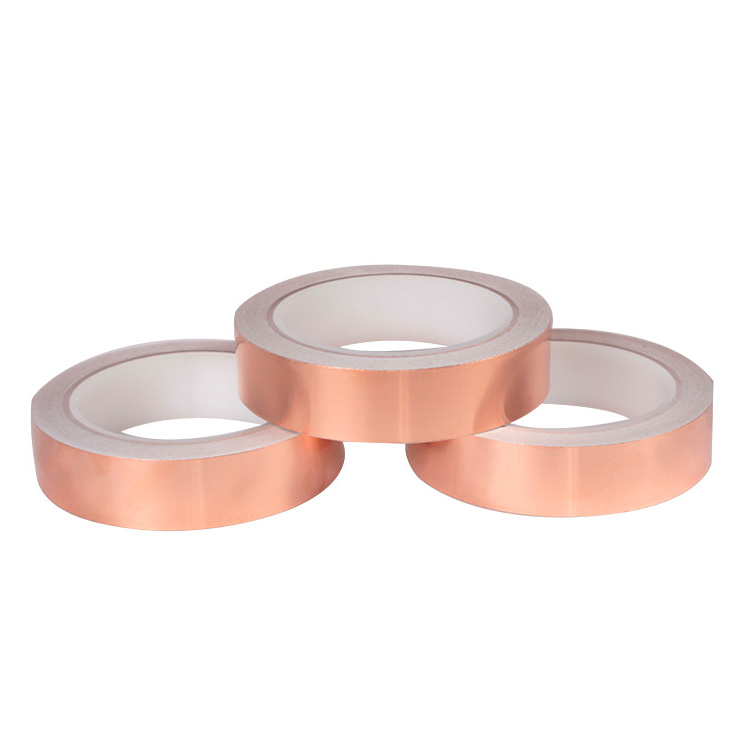
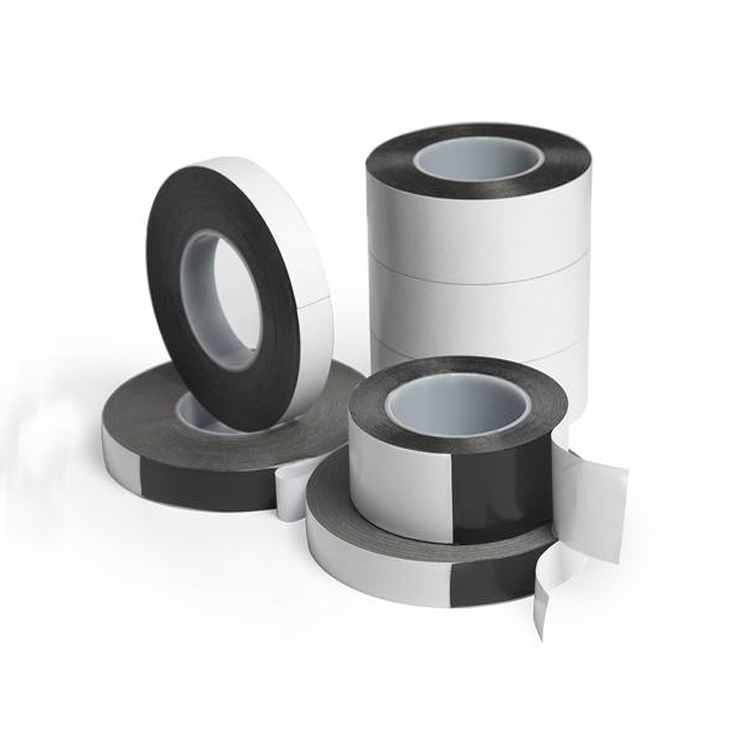
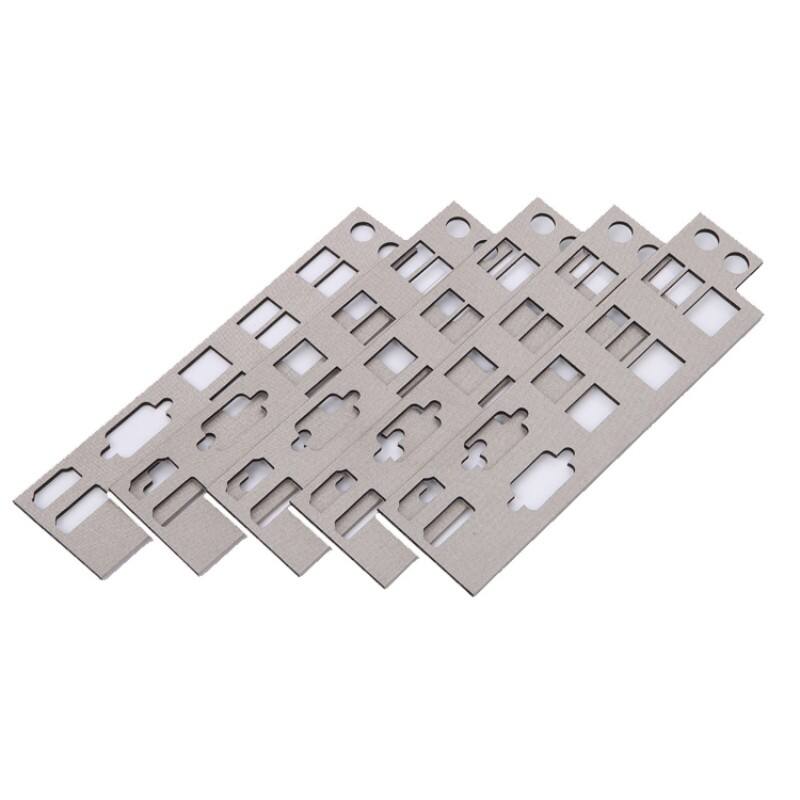
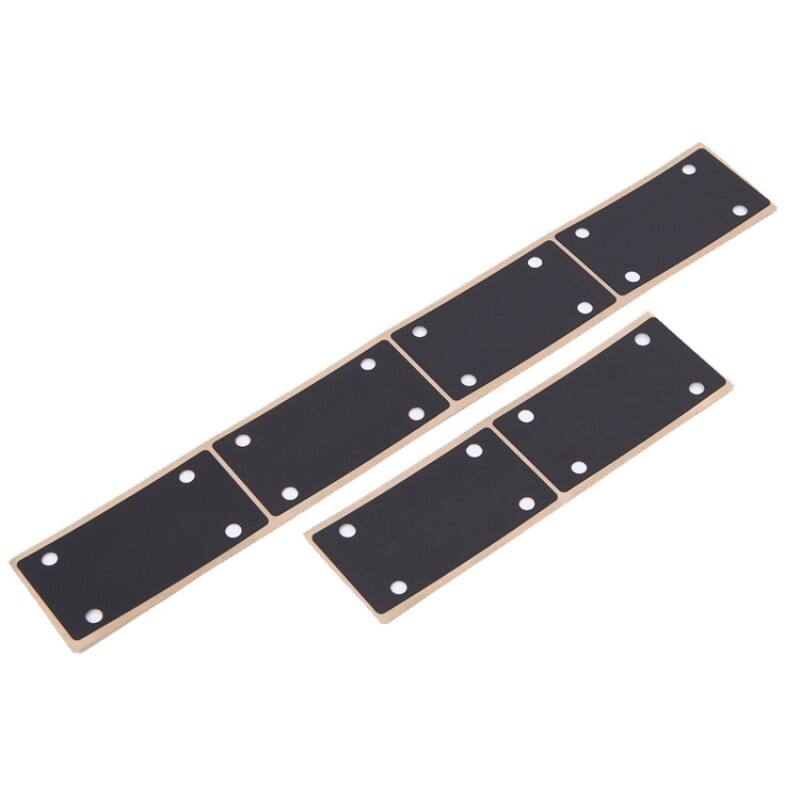
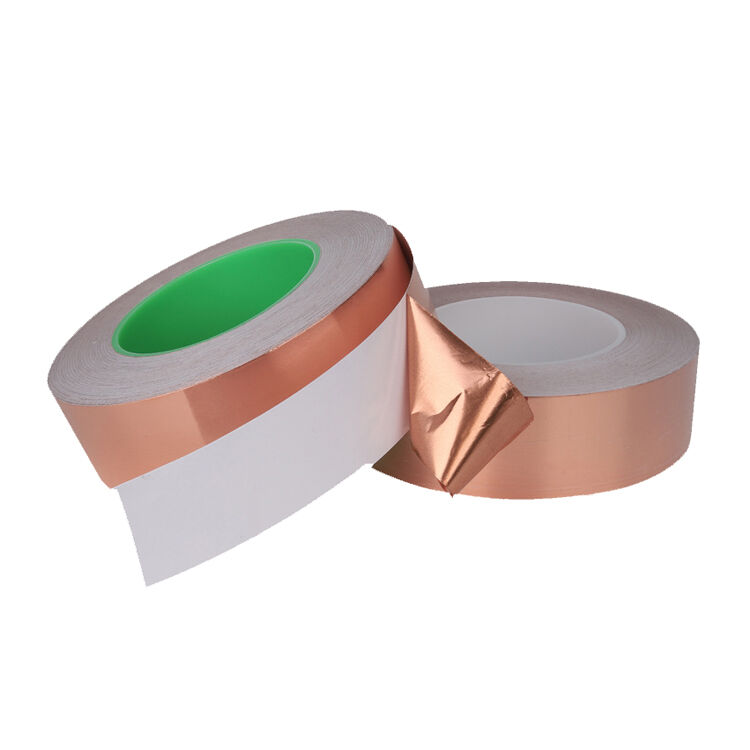
Electronic grounding applications require materials that deliver exceptional conductivity, durability, and precision performance. When it comes to securing reliable electrical connections in sensitive electronic environments, conductive copper foil tape emerges as an indispensable solution for engineers and technicians worldwide. This specialized adhesive material combines the superior electrical properties of copper with flexible application capabilities, making it essential for PCB shielding, electromagnetic interference suppression, and critical grounding operations.
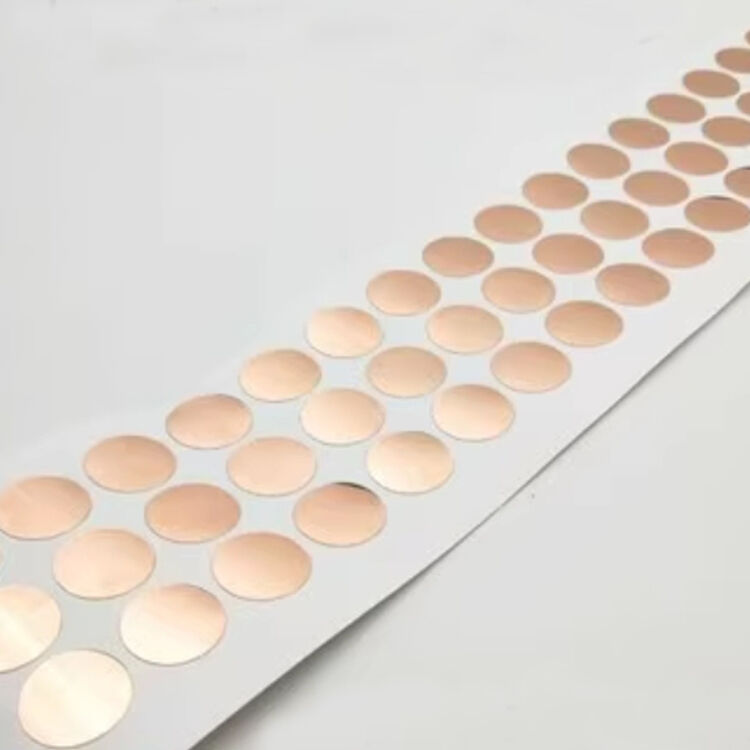
The growing complexity of modern electronic devices demands materials that can maintain consistent performance under challenging operational conditions. Conductive copper foil tape addresses these requirements by providing excellent electrical continuity while offering the flexibility needed for intricate installation processes. Its unique construction allows for precise application in tight spaces, curved surfaces, and irregular geometries commonly found in advanced electronic assemblies.
Understanding Conductive Copper Foil Tape Properties
Material Composition and Structure
The foundation of effective conductive copper foil tape lies in its carefully engineered material composition. High-quality copper foil serves as the primary conductive element, typically ranging from 0.035mm to 0.070mm in thickness depending on specific application requirements. This copper layer undergoes specialized treatment processes to enhance its electrical properties and ensure consistent conductivity across the entire surface area.
Beneath the copper layer, a conductive adhesive system provides both mechanical bonding and electrical continuity. Unlike standard adhesives that act as insulators, conductive adhesives contain metallic particles or conductive polymers that maintain electrical pathways through the bond line. This dual-function approach eliminates the need for mechanical fasteners in many applications while preserving essential electrical characteristics.
Electrical Performance Characteristics
Superior electrical performance distinguishes premium conductive copper foil tape from conventional alternatives. Surface resistivity typically measures less than 0.05 ohms per square, ensuring minimal resistance to electrical flow. This low resistance characteristic proves crucial in high-frequency applications where even minor impedance variations can significantly impact signal integrity and system performance.
The tape's ability to maintain consistent electrical properties across temperature variations makes it suitable for demanding environmental conditions. Quality conductive copper foil tape retains its electrical characteristics across temperature ranges from -40°C to +125°C, accommodating the thermal cycling commonly encountered in electronic equipment operation.
Applications in Electronic Grounding Systems
PCB Shielding and EMI Suppression
Printed circuit board applications represent one of the most critical uses for conductive copper foil tape in modern electronics. The tape serves as an effective electromagnetic interference shield, creating Faraday cage environments that protect sensitive circuits from external interference. When properly applied, it forms continuous conductive barriers that redirect unwanted electromagnetic energy away from critical circuit paths.
Installation on PCB assemblies requires precise placement to achieve optimal shielding effectiveness. The tape's conformable nature allows it to follow complex board geometries while maintaining intimate contact with grounding points. This flexibility proves essential when working with multilayer boards containing components of varying heights and orientations.
Cable Shielding and Termination
Cable assembly applications benefit significantly from the versatile properties of conductive copper foil tape. The material provides an effective method for creating shield terminations and establishing reliable ground connections in coaxial and shielded twisted pair cables. Its ability to conform to round cable geometries while maintaining consistent electrical contact makes it invaluable for field installation and repair operations.
The tape's adhesive system creates gas-tight seals that prevent corrosion and maintain long-term electrical integrity. This characteristic proves particularly important in outdoor installations or environments with high humidity levels where traditional connection methods might degrade over time.
Installation Techniques and Best Practices
Surface Preparation Requirements
Achieving optimal performance from conductive copper foil tape requires proper surface preparation techniques. Clean, dry surfaces free from oils, oxidation, and contaminants provide the foundation for reliable adhesion and electrical contact. Isopropyl alcohol cleaning followed by thorough drying ensures removal of residual films that could compromise both mechanical and electrical performance.
Surface roughness considerations play an important role in application success. While the conductive adhesive can accommodate minor surface irregularities, excessive roughness may create air gaps that interrupt electrical continuity. Light abrasion with fine-grit materials can improve adhesion on smooth surfaces without damaging the substrate material.
Application Methods and Tools
Professional installation of conductive copper foil tape requires appropriate tools and techniques to achieve consistent results. Roller application tools help eliminate air bubbles while ensuring uniform pressure distribution across the adhesive interface. This approach proves particularly important when working with large surface areas where trapped air could create electrical discontinuities.
Temperature considerations during installation affect both immediate handling characteristics and long-term performance. Room temperature application typically provides optimal results, though some formulations accommodate installation at elevated temperatures when process requirements demand such conditions. Proper curing time allows the adhesive system to develop full bond strength and electrical performance.
Comparative Analysis with Alternative Solutions
Traditional Grounding Methods
Conventional grounding approaches often rely on mechanical fasteners, braided straps, or wire connections to establish electrical continuity. While these methods provide reliable performance in many applications, they may introduce complexity, weight, and space requirements that challenge modern electronic design constraints. Conductive copper foil tape offers simplified installation procedures that reduce assembly time and eliminate the need for specialized fastening hardware.
Cost analysis frequently favors tape-based solutions when considering total installation expenses. Reduced labor requirements, elimination of fastener costs, and simplified inventory management contribute to overall economic advantages. The tape's ability to conform to irregular surfaces also reduces the need for custom brackets or mounting hardware in challenging installation scenarios.
Other Conductive Tape Options
Alternative conductive tape materials include aluminum foil tapes, conductive fabric tapes, and metalized polyester films. Each option presents specific advantages and limitations that influence selection decisions. Copper-based solutions generally provide superior electrical performance and corrosion resistance compared to aluminum alternatives, particularly in environments with moisture or chemical exposure.
Aluminum foil tapes offer lower material costs but may experience galvanic corrosion when used with copper-based components. This electrochemical reaction can degrade electrical performance over time and create maintenance requirements. Conductive copper foil tape eliminates these compatibility concerns while providing enhanced durability in demanding service environments.
Quality Considerations and Selection Criteria
Performance Standards and Testing
Industry standards provide important guidelines for evaluating conductive copper foil tape quality and performance characteristics. Military specifications such as MIL-T-81309 establish requirements for electrical, mechanical, and environmental properties that ensure reliable operation in critical applications. Commercial standards like ASTM D1000 address adhesion strength, temperature resistance, and other performance parameters relevant to electronic applications.
Testing protocols verify key performance characteristics including surface resistivity, adhesion strength, temperature cycling resistance, and environmental durability. These standardized evaluations provide objective data for comparing different products and ensuring compatibility with specific application requirements. Quality manufacturers typically provide comprehensive test data to support product selection decisions.
Environmental Resistance Properties
Long-term reliability in electronic applications demands resistance to various environmental factors that could degrade performance. Premium conductive copper foil tape incorporates corrosion-resistant treatments that maintain electrical properties despite exposure to humidity, temperature cycling, and chemical contaminants. These protective measures extend service life and reduce maintenance requirements in challenging operating environments.
Ultraviolet radiation resistance becomes important in applications with potential sun exposure or high-intensity lighting conditions. Specialized formulations include UV-stable components that prevent degradation of the adhesive system and copper layer. This enhanced durability ensures consistent performance throughout the expected service life of the electronic equipment.
Cost-Effectiveness and Economic Benefits
Initial Investment Analysis
While premium conductive copper foil tape may require higher initial material costs compared to basic alternatives, comprehensive economic analysis reveals significant long-term value advantages. Reduced installation time directly translates to lower labor costs, particularly important in high-volume production environments where assembly efficiency impacts overall profitability.
The elimination of mechanical fasteners and associated hardware reduces both material costs and inventory complexity. Simplified procurement processes and reduced part count contribute to streamlined supply chain management. These operational advantages often offset higher tape costs while providing additional benefits in terms of design flexibility and manufacturing efficiency.
Long-Term Value Proposition
Maintenance cost considerations strongly favor high-quality conductive copper foil tape solutions. The material's inherent reliability reduces the likelihood of field failures and associated repair expenses. When failures do occur, tape-based connections typically allow for easier repair procedures compared to soldered or mechanically fastened alternatives.
Extended service life characteristics provide additional economic benefits through reduced replacement frequency. Quality conductive copper foil tape maintains performance specifications for years under normal operating conditions, eliminating the need for preventive maintenance programs required by some alternative grounding methods.
FAQ
What thickness options are available for conductive copper foil tape
Conductive copper foil tape typically comes in thickness ranges from 0.035mm to 0.070mm for the copper layer, with total thickness including adhesive ranging from 0.05mm to 0.10mm. Thicker options provide enhanced mechanical durability and current-carrying capacity, while thinner versions offer improved conformability for complex geometries and tight spaces.
How does temperature affect the performance of conductive copper foil tape
Quality conductive copper foil tape maintains stable electrical and mechanical properties across temperature ranges from -40°C to +125°C. The conductive adhesive system and copper layer are engineered to accommodate thermal expansion and contraction without losing electrical continuity or adhesion strength, ensuring reliable performance in demanding thermal environments.
Can conductive copper foil tape be used for permanent installations
Yes, conductive copper foil tape is designed for permanent installation applications. The conductive adhesive forms strong, lasting bonds with properly prepared surfaces and maintains electrical performance for years under normal operating conditions. However, the tape can be removed if necessary, though this process may require careful heating and solvent cleaning to avoid substrate damage.
What surface preparation is required before applying conductive copper foil tape
Proper surface preparation involves cleaning with isopropyl alcohol to remove oils, dirt, and oxidation, followed by thorough drying. Surfaces should be smooth and free from contaminants that could interfere with adhesion. Light abrasion may be beneficial on very smooth surfaces to improve mechanical bonding, while ensuring the substrate remains clean and dry before tape application.
