
 EN
EN
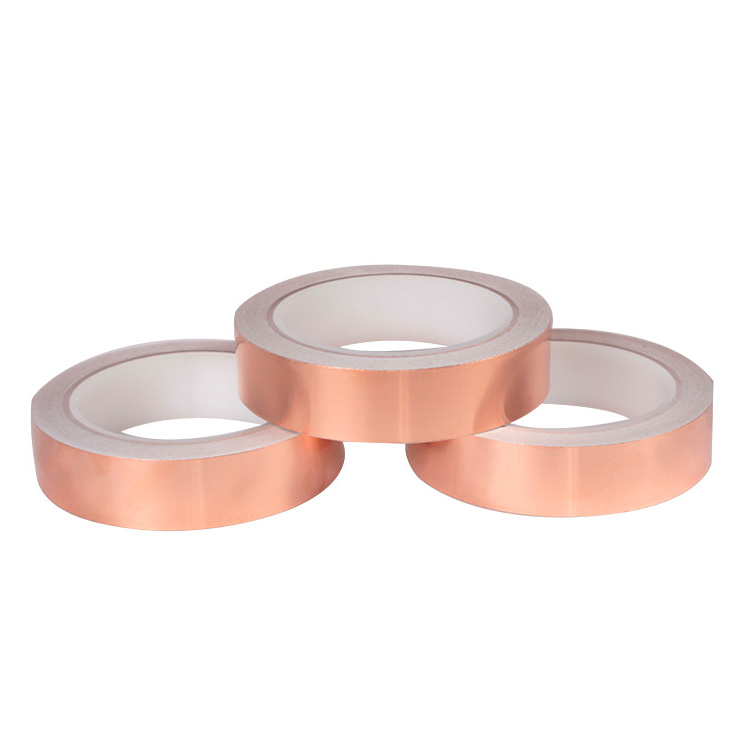
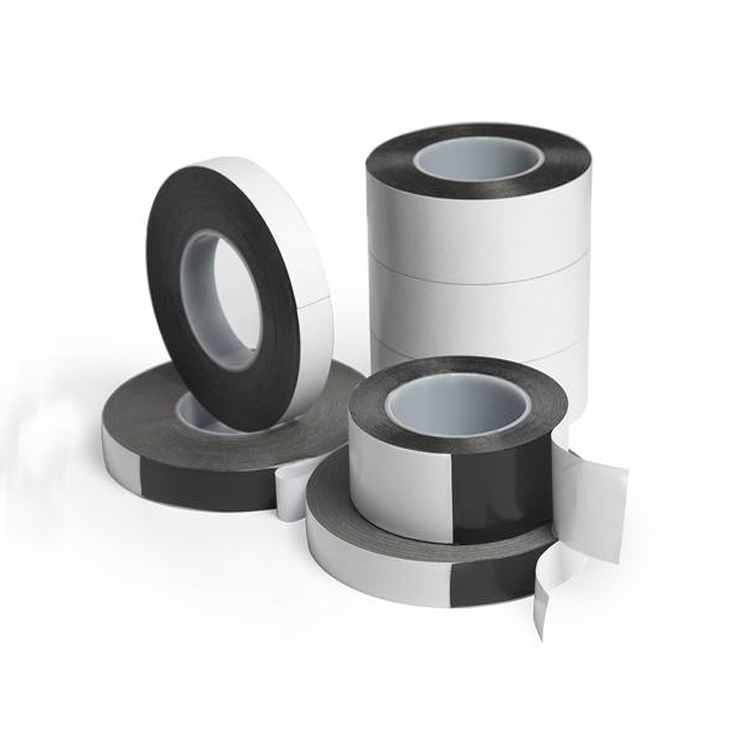
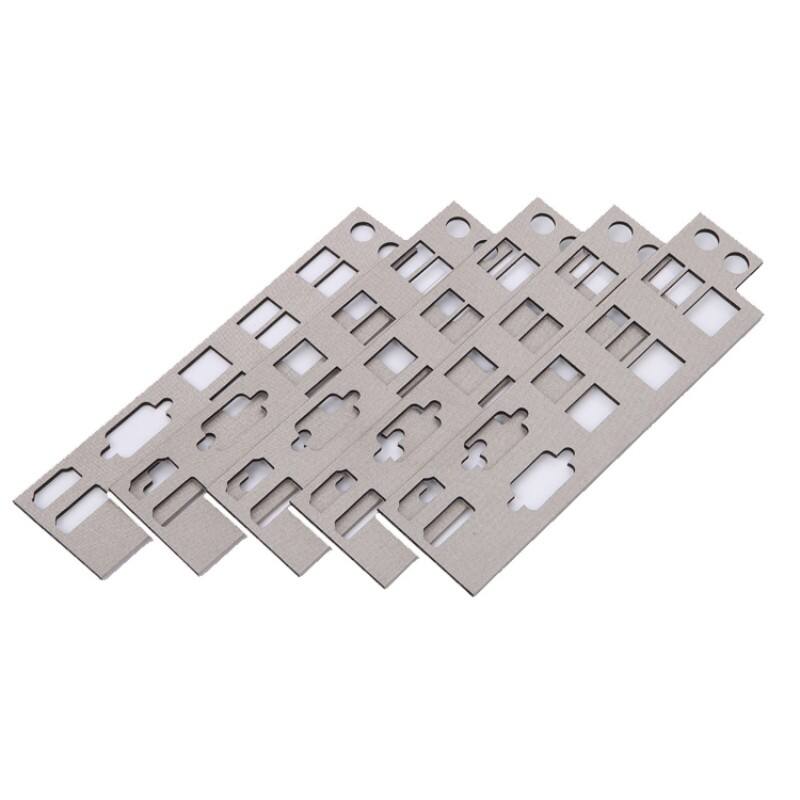
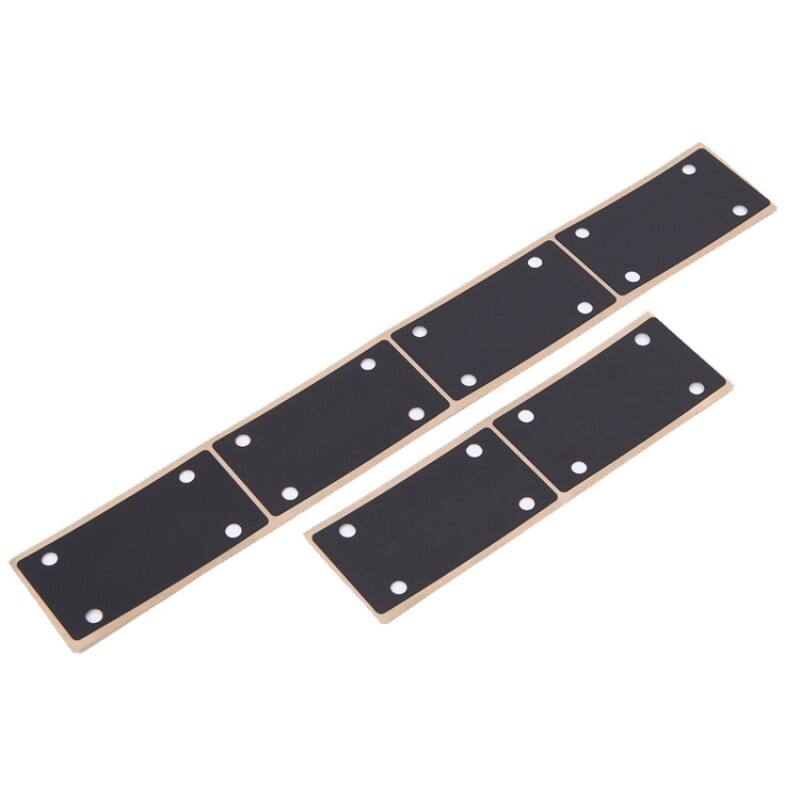
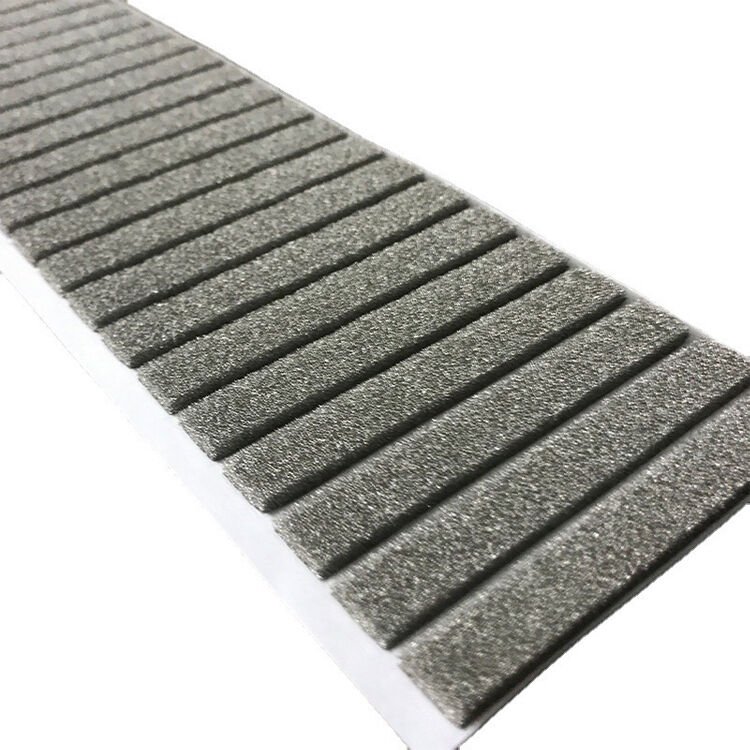
Selecting the appropriate conductive fabric tape for cable harness wrapping is a critical decision that significantly impacts electromagnetic interference shielding effectiveness and overall system performance. In modern electronic applications, proper cable management requires careful consideration of materials that provide both mechanical protection and electrical conductivity. The choice of conductive fabric tape directly influences signal integrity, EMI suppression, and long-term reliability of electronic systems. Engineers must evaluate multiple factors including conductivity requirements, environmental conditions, and installation parameters to ensure optimal performance.
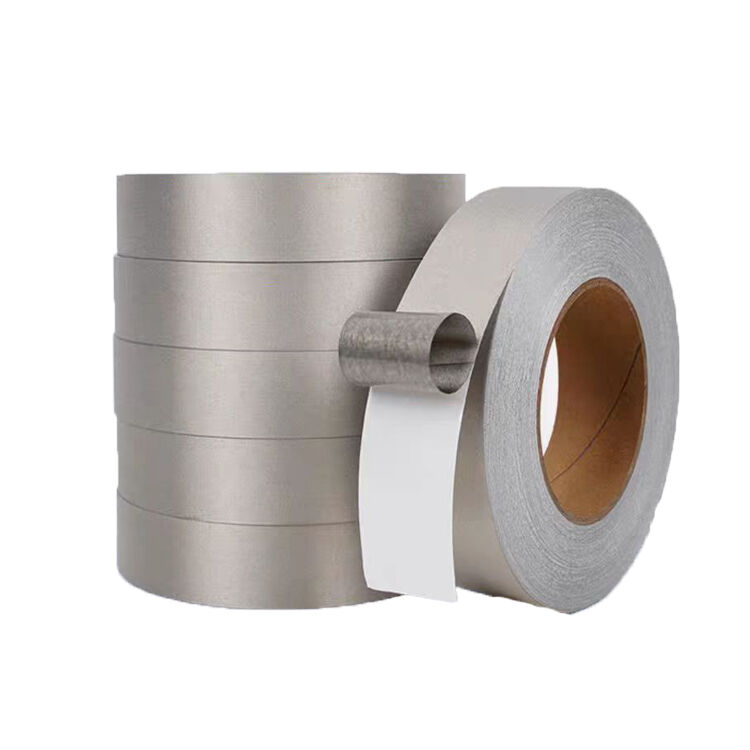
Understanding Conductive Fabric Tape Fundamentals
Material Composition and Conductive Properties
The foundation of effective conductive fabric tape lies in its material composition, which typically combines a textile substrate with conductive elements such as copper, silver, or nickel particles. These conductive materials are integrated into the fabric structure through various methods including plating, coating, or weaving conductive fibers directly into the base material. The conductive fabric tape must maintain consistent electrical properties across its entire surface while providing sufficient mechanical strength for wrapping applications.
Surface resistivity represents a crucial parameter when evaluating conductive fabric tape performance. High-quality tapes typically exhibit surface resistivity values below 0.1 ohms per square, ensuring effective electrical continuity and EMI shielding capabilities. The conductive layer distribution affects both shielding effectiveness and mechanical durability, requiring careful balance between conductivity and flexibility.
Adhesive System Considerations
The adhesive system in conductive fabric tape plays a vital role in maintaining long-term performance and reliable electrical contact. Conductive adhesives incorporate metallic particles or carbon fillers to preserve electrical continuity through the adhesive layer. Non-conductive adhesives may be suitable for specific applications where electrical isolation between tape layers is desired while maintaining overall shielding effectiveness.
Temperature resistance of the adhesive system determines operational reliability across varying environmental conditions. High-performance conductive fabric tape utilizes adhesive formulations that maintain bonding strength and electrical properties across temperature ranges from -40°C to +125°C or higher, depending on specific application requirements.
EMI Shielding Performance Evaluation
Shielding Effectiveness Measurements
Quantifying the electromagnetic shielding performance of conductive fabric tape requires standardized testing methods that evaluate attenuation across relevant frequency ranges. IEEE 299 and ASTM D4935 standards provide established protocols for measuring shielding effectiveness, typically expressing results in decibels of attenuation. Effective conductive fabric tape should demonstrate consistent performance across frequency ranges from 10 MHz to 10 GHz or higher.
The shielding mechanism in conductive fabric tape operates through reflection, absorption, and multiple internal reflections of electromagnetic energy. Surface conductivity primarily governs reflection losses, while material thickness and magnetic properties influence absorption characteristics. Understanding these mechanisms enables proper selection based on specific EMI threats and frequency characteristics.
Frequency Response Characteristics
Different conductive fabric tape formulations exhibit varying frequency response characteristics that must align with specific application requirements. Low-frequency applications may prioritize magnetic shielding properties, while high-frequency applications emphasize electric field attenuation. The fabric weave structure and conductive particle distribution significantly influence frequency-dependent performance characteristics.
Resonant effects within the conductive fabric tape structure can create frequency-dependent variations in shielding effectiveness. Proper material selection considers these resonances to ensure consistent performance across the intended operational frequency range while avoiding degradation at critical frequencies.
Environmental and Mechanical Requirements
Temperature and Humidity Resistance
Environmental conditions significantly impact the long-term performance of conductive fabric tape in cable harness applications. Temperature cycling can cause differential expansion between the fabric substrate and conductive elements, potentially leading to crack formation or conductivity degradation. High-quality conductive fabric tape incorporates flexible conductive materials and adhesive systems that accommodate thermal stress without compromising electrical or mechanical properties.
Humidity exposure presents additional challenges through potential corrosion of conductive elements and adhesive degradation. Moisture ingress can create galvanic corrosion between dissimilar metals within the conductive fabric tape structure. Proper material selection includes consideration of corrosion-resistant conductive materials and moisture-barrier properties of the fabric substrate and adhesive system.
Mechanical Durability and Flexibility
Cable harness applications require conductive fabric tape that maintains electrical and mechanical integrity under repeated flexing, vibration, and mechanical stress. The fabric substrate must provide sufficient tensile strength and tear resistance while preserving conductivity under mechanical deformation. Woven fabric substrates typically offer superior mechanical properties compared to non-woven alternatives, though specific application requirements may favor different construction methods.
Abrasion resistance becomes particularly important in applications where wrapped cable harnesses experience relative motion or contact with other components. The conductive fabric tape surface must resist wear while maintaining electrical continuity and preventing exposure of underlying cable components. Surface treatments and protective coatings may enhance abrasion resistance without compromising electrical performance.
Installation and Application Considerations
Wrapping Techniques and Overlap Requirements
Proper installation techniques significantly influence the effectiveness of conductive fabric tape in cable harness applications. Overlap percentage affects both shielding continuity and mechanical security, with typical recommendations ranging from 50% to 75% overlap depending on specific performance requirements. Consistent overlap maintains uniform shielding effectiveness along the entire cable length while ensuring mechanical integrity under stress.
Wrapping tension must be carefully controlled to achieve proper adhesion without over-stressing the cable components or conductive fabric tape. Excessive tension can damage delicate cable components or create stress concentrations that lead to premature failure. Insufficient tension may result in poor adhesion and inadequate shielding performance due to air gaps or loose contact.
Surface Preparation and Compatibility
Surface preparation prior to conductive fabric tape application ensures optimal adhesion and electrical contact. Clean, dry surfaces free from oils, dust, or other contaminants provide the best foundation for reliable bonding. Some cable jacket materials may require surface treatment or primer application to achieve adequate adhesion with specific conductive fabric tape adhesive systems.
Compatibility between the conductive fabric tape adhesive and underlying cable materials prevents adverse chemical reactions that could compromise performance or reliability. Compatibility testing should evaluate both immediate bonding effectiveness and long-term stability under anticipated environmental conditions. Material incompatibility can lead to adhesive failure, cable jacket degradation, or formation of corrosive compounds.
Performance Testing and Validation
Electrical Testing Protocols
Comprehensive testing validates conductive fabric tape performance across relevant parameters including surface resistivity, shielding effectiveness, and electrical continuity. Four-point probe measurements provide accurate surface resistivity values while eliminating contact resistance effects. Shielding effectiveness testing requires specialized equipment and test fixtures that simulate actual application conditions while maintaining measurement accuracy.
Continuity testing verifies electrical connection integrity across wrapped surfaces and overlap regions. High-resolution resistance measurements can detect potential failure points or areas of degraded conductivity that might compromise overall performance. Regular testing during production and installation ensures consistent quality and identifies potential issues before they affect system operation.
Accelerated Life Testing
Accelerated aging tests evaluate long-term performance characteristics of conductive fabric tape under accelerated environmental conditions. Temperature cycling, humidity exposure, and mechanical stress testing provide insights into expected service life and potential failure modes. These tests help establish appropriate safety factors and maintenance schedules for critical applications.
Thermal aging tests subject conductive fabric tape samples to elevated temperatures for extended periods while monitoring changes in electrical and mechanical properties. UV exposure testing evaluates degradation effects from solar radiation in outdoor applications. Salt spray testing assesses corrosion resistance in marine or industrial environments where chloride exposure is expected.
Cost-Effectiveness and Value Analysis
Initial Cost Versus Long-Term Performance
Evaluating conductive fabric tape options requires comprehensive cost analysis that considers both initial material costs and long-term performance implications. Higher-quality conductive fabric tape may command premium pricing but deliver superior durability, reliability, and performance that reduce overall lifecycle costs. Maintenance requirements, replacement frequency, and potential downtime costs significantly impact total cost of ownership calculations.
Performance-based value analysis compares different conductive fabric tape options based on their ability to meet specific technical requirements rather than initial cost alone. Superior shielding effectiveness may justify higher material costs in applications where EMI compliance is critical. Enhanced durability reduces maintenance costs and improves system reliability in demanding environments.
Supply Chain and Availability Considerations
Reliable supply chain access ensures consistent availability of selected conductive fabric tape materials throughout the product lifecycle. Single-source dependencies create risk of supply disruptions that could impact production schedules or maintenance operations. Evaluating multiple qualified suppliers provides flexibility and reduces supply chain risk while maintaining quality standards.
Lead times and minimum order quantities influence inventory planning and project scheduling requirements. Specialized conductive fabric tape formulations may require extended lead times or large minimum orders that affect cash flow and inventory carrying costs. Standard products with shorter lead times provide greater flexibility but may compromise specific performance requirements.
Application-Specific Selection Guidelines
Aerospace and Defense Applications
Aerospace applications demand conductive fabric tape that meets stringent performance, reliability, and certification requirements. Flame resistance, outgassing characteristics, and compatibility with aircraft materials become critical selection factors. Military specifications often dictate specific performance parameters and testing requirements that must be satisfied for qualified usage.
Weight considerations in aerospace applications may favor lightweight conductive fabric tape formulations that minimize overall system weight while maintaining required performance characteristics. High altitude and temperature extremes require materials that maintain properties across wide environmental ranges without degradation or failure.
Automotive Electronics Integration
Automotive applications present unique challenges including temperature cycling, vibration exposure, and chemical compatibility with automotive fluids. Conductive fabric tape must withstand underhood temperature extremes while maintaining flexibility at low temperatures. Automotive EMI requirements continue to evolve with increasing electronic content and wireless communication systems.
Cost pressures in automotive applications require careful balance between performance requirements and material costs. High-volume applications may justify custom conductive fabric tape formulations optimized for specific automotive requirements while maintaining cost competitiveness. Automotive qualification processes ensure long-term reliability and compliance with industry standards.
FAQ
What surface resistivity value should I target for effective EMI shielding in cable harness applications
For effective EMI shielding in cable harness wrapping, target conductive fabric tape with surface resistivity below 0.1 ohms per square. This level ensures adequate electrical continuity and reflection of electromagnetic energy across most frequency ranges. Lower resistivity values provide better shielding performance, but values below 0.01 ohms per square typically offer diminishing returns relative to cost increases.
How does overlap percentage affect shielding effectiveness when wrapping cable harnesses
Overlap percentage directly impacts shielding continuity and overall effectiveness. Recommended overlap ranges from 50% to 75% depending on performance requirements and application criticality. Insufficient overlap creates gaps that compromise shielding integrity, while excessive overlap increases material usage and cost without proportional performance benefits. Consistent overlap throughout the wrapped length maintains uniform shielding characteristics.
Can conductive fabric tape maintain performance in high-vibration environments
High-quality conductive fabric tape can maintain performance in vibration-prone applications when properly selected and installed. Look for tape with flexible conductive elements and robust adhesive systems designed for dynamic applications. Proper wrapping technique with appropriate tension and overlap ensures mechanical integrity under vibration stress. Consider additional strain relief measures for severe vibration environments.
What temperature range should conductive fabric tape withstand for industrial cable harness applications
Industrial applications typically require conductive fabric tape capable of operating from -40°C to +125°C or higher depending on specific environmental conditions. The adhesive system and conductive elements must maintain properties across this temperature range without degradation. Consider higher temperature ratings for applications near heat sources or in extreme industrial environments where temperature excursions beyond normal ranges may occur.
Table of Contents
- Understanding Conductive Fabric Tape Fundamentals
- EMI Shielding Performance Evaluation
- Environmental and Mechanical Requirements
- Installation and Application Considerations
- Performance Testing and Validation
- Cost-Effectiveness and Value Analysis
- Application-Specific Selection Guidelines
-
FAQ
- What surface resistivity value should I target for effective EMI shielding in cable harness applications
- How does overlap percentage affect shielding effectiveness when wrapping cable harnesses
- Can conductive fabric tape maintain performance in high-vibration environments
- What temperature range should conductive fabric tape withstand for industrial cable harness applications
