
 EN
EN
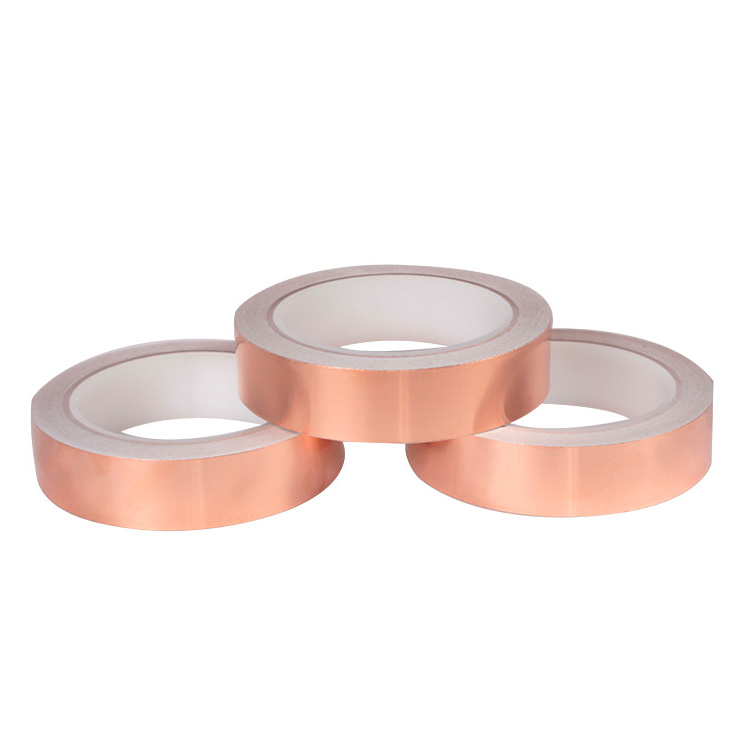
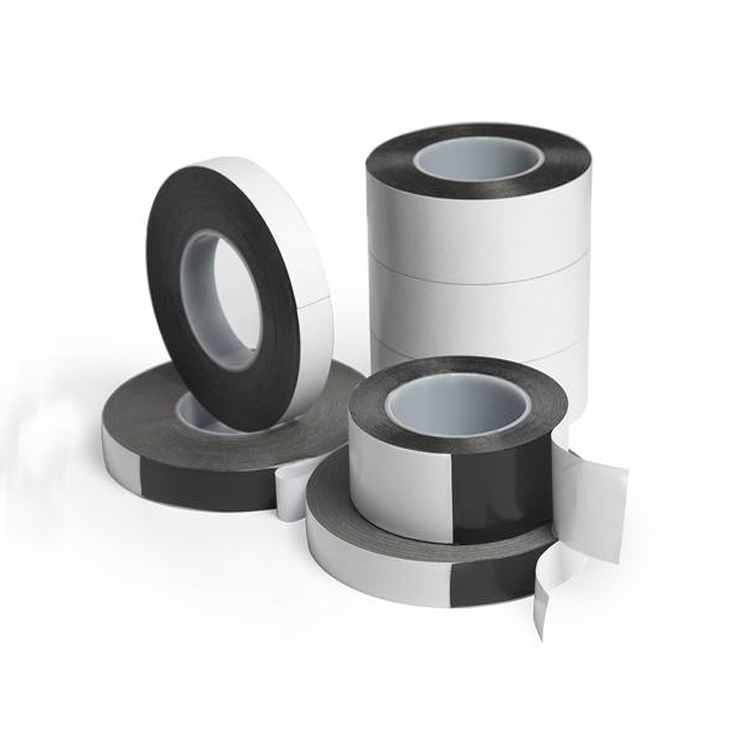
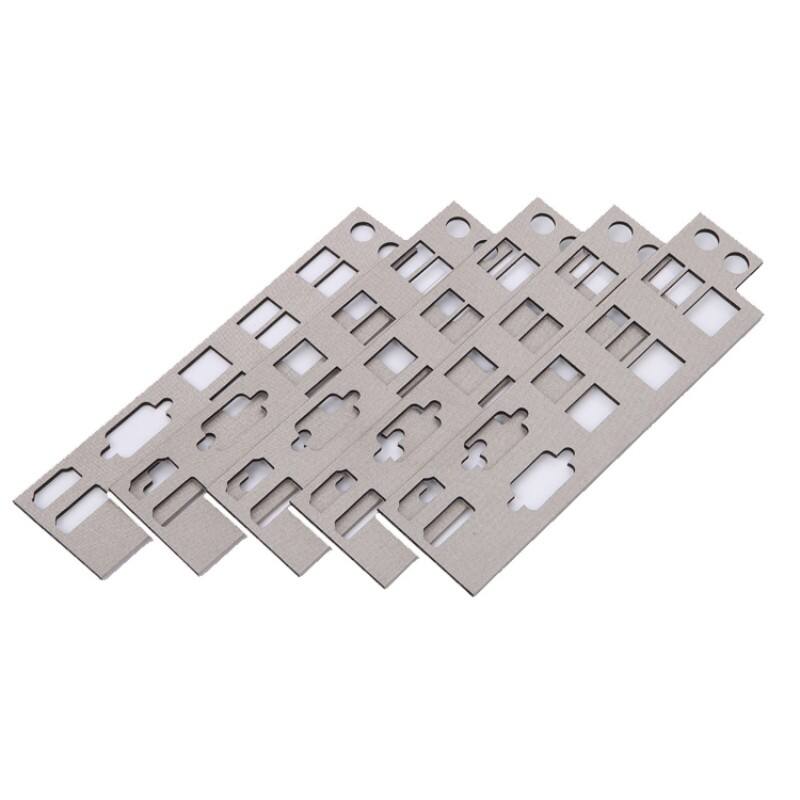
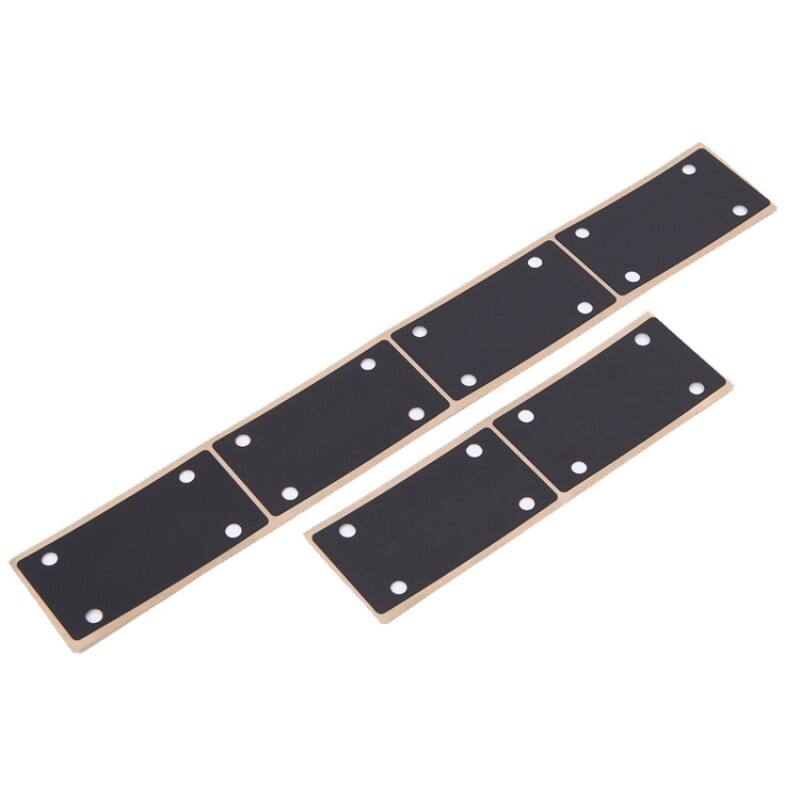
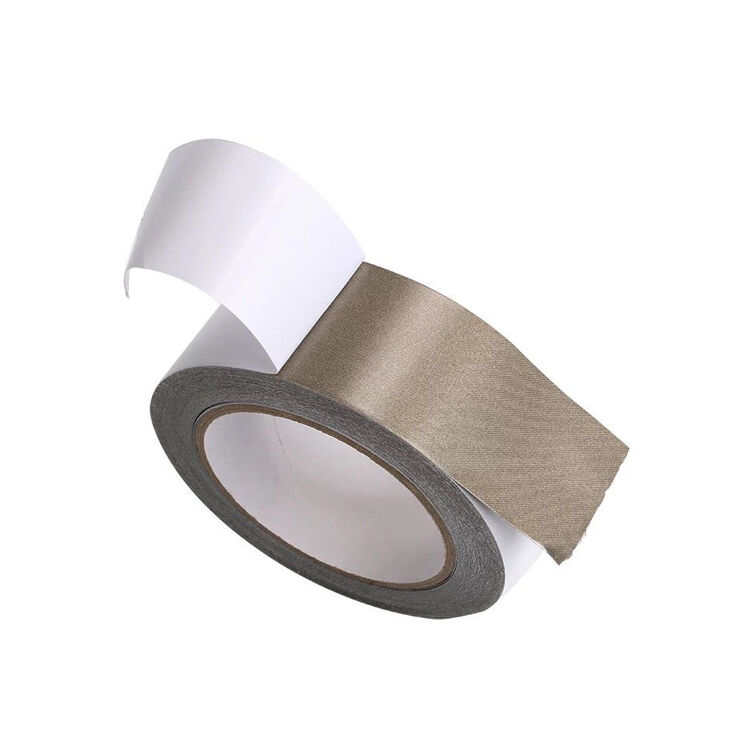
In today's rapidly evolving electronic landscape, effective electromagnetic interference shielding has become critical for maintaining device performance and regulatory compliance. Conductive sponge tape represents a sophisticated solution that addresses two fundamental challenges simultaneously: gap filling and EMI protection. This innovative material combines the flexibility of foam technology with the conductivity required for electromagnetic shielding, making it an essential component in modern electronic design and manufacturing processes.
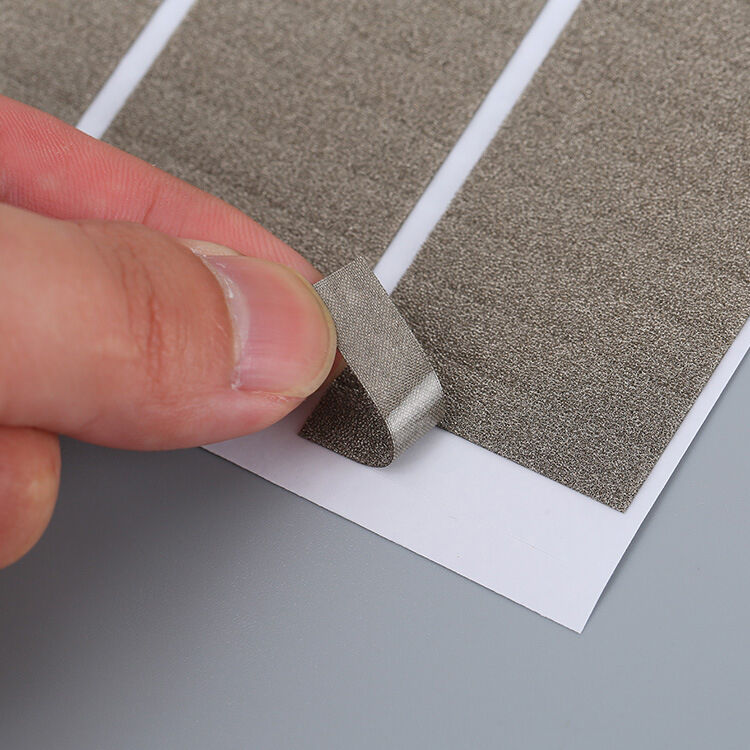
The unique properties of conductive sponge tape make it particularly valuable in applications where traditional rigid shielding materials cannot provide adequate coverage or conform to irregular surfaces. Its compressible nature allows it to maintain consistent electrical contact even under varying mechanical stress, while its adhesive backing ensures reliable installation across diverse substrate materials. Understanding how this material achieves its dual functionality requires examining both its physical structure and electromagnetic properties.
Material Composition and Structure
Conductive Foam Matrix Design
The foundation of conductive sponge tape lies in its carefully engineered foam matrix, typically constructed from polyurethane or silicone-based materials. This cellular structure provides the compressibility essential for gap filling applications while maintaining structural integrity under repeated compression cycles. The foam density is precisely controlled to balance flexibility with durability, ensuring the material can conform to irregular surfaces without compromising its shielding effectiveness over time.
Advanced manufacturing processes create uniform cell distribution throughout the foam matrix, preventing weak points that could compromise performance. The open-cell structure allows for optimal compression characteristics, enabling the conductive sponge tape to fill gaps ranging from minimal clearances to several millimeters effectively. This adaptability makes it suitable for applications where dimensional tolerances vary or where thermal expansion and contraction occur.
Conductive Element Integration
The electromagnetic shielding capability of conductive sponge tape stems from the integration of conductive elements within the foam matrix. Most commonly, this involves copper, silver, or nickel-coated particles that are uniformly distributed throughout the material. These conductive elements create a continuous electrical path across the foam surface, enabling effective EMI shielding while maintaining the material's compressible properties.
The selection of conductive materials depends on specific application requirements, including frequency range, environmental conditions, and cost considerations. Silver-based formulations typically offer superior conductivity and corrosion resistance, making them ideal for high-performance applications. Copper-based alternatives provide excellent shielding effectiveness at more economical price points, while nickel coatings offer enhanced durability in harsh environmental conditions.
EMI Shielding Mechanisms
Electromagnetic Wave Attenuation
The primary EMI shielding mechanism of conductive sponge tape involves the attenuation of electromagnetic waves through reflection, absorption, and multiple internal reflections. When electromagnetic energy encounters the conductive surface, a portion is immediately reflected back to the source, preventing penetration into sensitive electronic components. The conductive particles within the foam matrix create multiple reflection points, further enhancing the overall shielding effectiveness.
Absorption occurs as electromagnetic energy propagates through the conductive foam structure, where it is converted to heat energy through eddy current losses. The cellular structure of the foam enhances this absorption mechanism by creating multiple path lengths for electromagnetic waves, increasing the opportunity for energy dissipation. This dual mechanism of reflection and absorption enables conductive sponge tape to achieve shielding effectiveness levels comparable to rigid metallic enclosures.
Frequency Response Characteristics
The shielding effectiveness of conductive sponge tape varies with frequency, exhibiting optimal performance across specific electromagnetic spectrum ranges. Lower frequencies typically experience primarily reflective shielding, while higher frequencies benefit from increased absorption within the foam matrix. This frequency-dependent behavior makes proper material selection critical for applications targeting specific electromagnetic interference sources.
Testing protocols typically evaluate shielding effectiveness across frequency ranges from 10 MHz to 18 GHz, covering most commercial and military electromagnetic compatibility requirements. The material thickness and compression ratio significantly influence frequency response, with thicker sections generally providing enhanced low-frequency performance. Understanding these characteristics enables engineers to optimize conductive sponge tape selection for specific interference mitigation requirements.
Gap Filling Performance
Compression and Recovery Properties
The gap filling capability of conductive sponge tape relies on its ability to compress under applied force while maintaining electrical continuity across the contact interface. Typical compression ratios range from 25% to 75% of the original thickness, depending on the foam formulation and density. This wide compression range allows the material to accommodate significant dimensional variations while maintaining consistent sealing pressure.
Recovery characteristics ensure that the conductive sponge tape returns to its original thickness when compressive forces are removed, preventing permanent deformation that could compromise long-term performance. The elastic memory of the foam matrix enables repeated compression cycles without significant performance degradation, making it suitable for applications involving frequent assembly and disassembly operations.
Surface Conformability
One of the most significant advantages of conductive sponge tape is its ability to conform to irregular surfaces and complex geometries. Unlike rigid gaskets or solid conductive materials, the flexible foam structure allows intimate contact with textured surfaces, curved profiles, and areas with surface imperfections. This conformability ensures continuous electrical contact across the entire sealing interface.
The adhesive backing typically incorporated into conductive sponge tape designs enhances surface conformability by providing secure attachment to various substrate materials. Pressure-sensitive adhesives are formulated to maintain bond strength across temperature variations while allowing for material expansion and contraction. This combination of mechanical conformability and adhesive attachment ensures reliable gap sealing in dynamic operating environments.
Application Methods and Installation
Surface Preparation Requirements
Proper installation of conductive sponge tape begins with thorough surface preparation to ensure optimal adhesion and electrical contact. Surfaces must be clean, dry, and free from oils, oxidation, or other contaminants that could interfere with both adhesive bonding and electrical conductivity. Standard cleaning procedures typically involve degreasing followed by light abrasion to promote adhesive adhesion.
For applications requiring maximum shielding effectiveness, surface treatment may include the application of conductive primers or surface coatings to enhance electrical contact. These treatments are particularly important when working with non-conductive substrates or surfaces with protective coatings that could impede current flow. Proper surface preparation significantly impacts both immediate performance and long-term reliability of the conductive sponge tape installation.
Installation Techniques
The installation process for conductive sponge tape varies depending on application requirements and substrate materials. For permanent installations, the adhesive backing provides sufficient bonding strength for most applications, requiring only firm pressure during application to ensure complete contact. Temporary installations may utilize mechanical fasteners or clamping mechanisms to maintain compression without relying on adhesive bonding.
Critical applications often require specific compression levels to optimize both sealing and shielding performance. Installation guidelines typically specify target compression ratios and the corresponding force requirements to achieve optimal performance. Proper tooling and measurement techniques ensure consistent installation across multiple units, maintaining quality control in production environments.
Performance Optimization Strategies
Thickness Selection Criteria
Selecting the appropriate thickness for conductive sponge tape applications requires balancing several competing factors including gap dimensions, compression requirements, and shielding effectiveness targets. Thicker materials generally provide superior low-frequency shielding and greater gap filling capability but may require higher closing forces and occupy more space within the assembly.
Engineering guidelines typically recommend selecting material thickness to achieve 25-50% compression under normal operating conditions. This compression range ensures adequate sealing pressure while preserving the material's elastic properties for long-term performance. Applications with significant dimensional tolerances may require thicker materials to accommodate worst-case gap conditions while maintaining minimum compression levels.
Environmental Considerations
The operating environment significantly influences conductive sponge tape performance and longevity. Temperature variations affect both the foam matrix properties and the electrical characteristics of the conductive elements. High temperatures may reduce compression force and potentially degrade adhesive bonding, while low temperatures can increase material stiffness and reduce conformability.
Humidity and chemical exposure also impact material performance, particularly regarding corrosion resistance of the conductive elements and degradation of the foam matrix. Material selection must consider these environmental factors to ensure acceptable performance over the intended service life. Protective coatings or upgraded material formulations may be necessary for harsh environment applications.
Testing and Validation Methods
Shielding Effectiveness Measurement
Validating the EMI shielding performance of conductive sponge tape requires standardized testing protocols that accurately measure electromagnetic attenuation across relevant frequency ranges. Common test methods include ASTM D4935 for flat sheet materials and IEEE 299 for installed gasket configurations. These tests provide quantitative data on shielding effectiveness that can be used for design validation and performance comparison.
Testing typically involves measuring electromagnetic field strength on both sides of the material under controlled conditions. The ratio of incident to transmitted energy provides the shielding effectiveness value, typically expressed in decibels. Proper test setup is critical for obtaining accurate results, including appropriate termination of test fixtures and elimination of flanking paths that could compromise measurement validity.
Mechanical Property Assessment
The gap filling performance of conductive sponge tape is evaluated through mechanical testing that characterizes compression, recovery, and durability properties. Compression-deflection testing measures the force required to achieve specific compression levels, providing data necessary for assembly design and closure force calculations. This information is essential for ensuring adequate sealing pressure without over-compressing the material.
Long-term performance is assessed through fatigue testing that subjects the material to repeated compression cycles while monitoring changes in thickness, compression force, and electrical properties. These tests simulate actual service conditions and provide data on material degradation rates and expected service life. Environmental testing may be incorporated to evaluate performance under temperature, humidity, and chemical exposure conditions representative of actual operating environments.
FAQ
What compression ratio should be used for optimal conductive sponge tape performance
For optimal performance, conductive sponge tape should be compressed to 25-50% of its original thickness under normal operating conditions. This compression range ensures adequate electrical contact and sealing pressure while preserving the material's elastic properties for long-term reliability. Higher compression ratios may be acceptable for temporary applications, but extended compression beyond 75% can lead to permanent deformation and reduced performance over time.
How does temperature affect conductive sponge tape shielding effectiveness
Temperature variations can impact both the foam matrix properties and electrical conductivity of conductive sponge tape. Higher temperatures may reduce compression force and potentially affect adhesive bonding, while extremely low temperatures can increase material stiffness. However, most quality formulations maintain stable electrical properties across typical operating temperature ranges. For critical applications, temperature-specific testing should be conducted to verify performance under actual operating conditions.
Can conductive sponge tape be reused after removal
The reusability of conductive sponge tape depends on the specific formulation and application conditions. Materials with mechanical attachment methods (screws, clips) generally offer better reusability compared to adhesive-backed versions. However, repeated compression cycles and potential adhesive residue may compromise performance in subsequent installations. For applications requiring frequent disassembly, consider using thicker materials or mechanical attachment methods to maximize reusability potential.
What factors determine the shielding effectiveness frequency response
The frequency response of conductive sponge tape shielding effectiveness is primarily determined by material thickness, conductive element type and distribution, and foam density. Lower frequencies typically rely more on reflection mechanisms, while higher frequencies benefit from absorption within the foam matrix. Thicker materials generally provide better low-frequency performance, while the type and concentration of conductive particles influence high-frequency attenuation. Proper material selection requires matching these characteristics to the specific frequency ranges of concern in each application.
