
 EN
EN
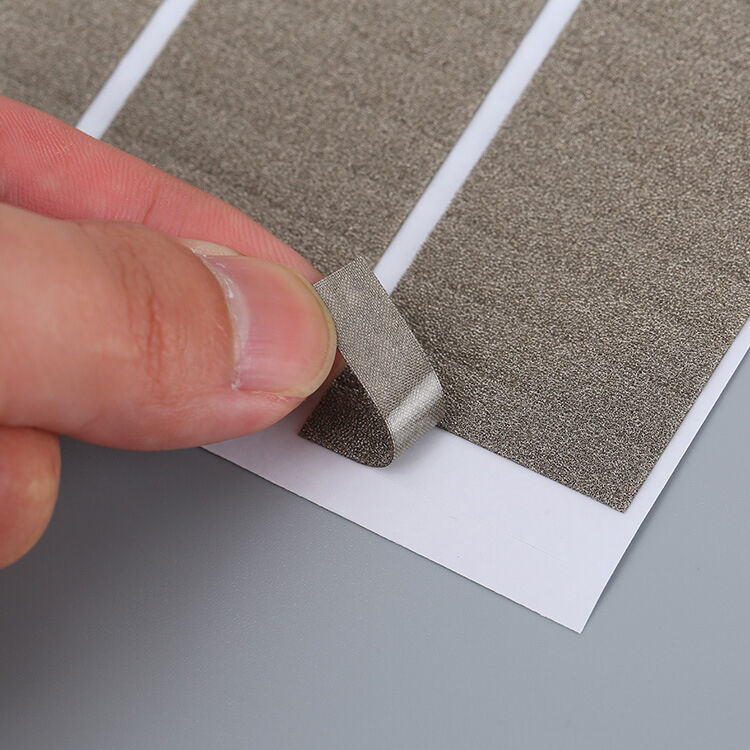
Understanding the surface resistance characteristics of ESD conductive foam is critical for electronics manufacturers, assembly facilities, and cleanroom operations that require reliable electrostatic discharge protection. Surface resistance properties determine how effectively conductive foam materials dissipate static charges, protect sensitive components, and maintain consistent electrical performance across various environmental conditions. These resistance values directly impact the foam's ability to prevent catastrophic ESD events that can damage integrated circuits, semiconductors, and other electronic assemblies during handling, storage, and transportation processes.
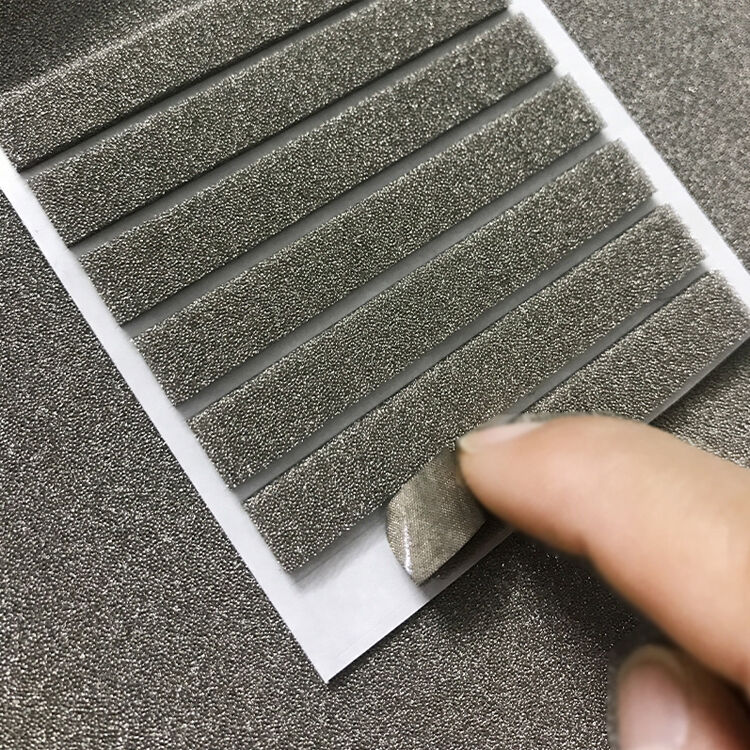
The surface resistance benefits of professional-grade ESD conductive foam extend beyond basic static control to encompass predictable charge dissipation rates, temperature stability, and long-term performance reliability. Manufacturing operations depend on these controlled resistance properties to establish proper grounding paths, maintain consistent ESD protection levels, and comply with industry standards such as ANSI/ESD S20.20 and IEC 61340 series specifications. When selecting conductive foam solutions, understanding how surface resistance values translate into practical protection benefits enables informed decisions about material specifications, application methods, and quality assurance protocols.
Surface Resistance Fundamentals in ESD Conductive Foam Applications
Electrical Properties and Charge Dissipation Mechanisms
Surface resistance in ESD conductive foam materials typically ranges from 10^3 to 10^11 ohms per square, with most industrial applications requiring values between 10^4 and 10^8 ohms for optimal electrostatic discharge protection. This resistance range ensures rapid charge dissipation without creating excessive current flow that could damage sensitive electronic components. The conductive pathways within the foam structure provide controlled electrical connectivity that allows static charges to flow safely to ground potential while maintaining mechanical cushioning properties essential for component protection.
The charge dissipation mechanism in quality ESD conductive foam depends on uniformly distributed conductive particles or coatings that create interconnected electrical networks throughout the cellular structure. These networks enable consistent surface resistance values across the entire foam surface, eliminating potential charge accumulation points that could lead to sudden discharge events. Professional manufacturers achieve this uniformity through precise material formulations and controlled manufacturing processes that ensure reliable electrical performance across temperature variations and humidity changes.
Temperature coefficient characteristics of surface resistance in ESD conductive foam materials determine performance stability in varying environmental conditions. High-quality conductive foams maintain consistent resistance values across operating temperature ranges from -40°C to +85°C, ensuring reliable ESD protection in diverse industrial environments. This temperature stability prevents resistance drift that could compromise protection effectiveness or create unpredictable electrical behavior during critical assembly operations.
Measurement Standards and Verification Methods
Accurate surface resistance measurement in ESD conductive foam requires standardized test methods that account for material thickness, compression effects, and electrode contact conditions. ASTM D257 and IEC 62631-3-2 standards provide established procedures for measuring surface resistivity using concentric ring electrodes or parallel bar electrodes under controlled environmental conditions. These measurement protocols ensure consistent results across different testing facilities and enable reliable comparison of material specifications from various suppliers.
Environmental factors significantly influence surface resistance measurements, with relative humidity being the most critical variable affecting conductive foam performance. Testing protocols typically specify measurement conditions at 23°C ± 2°C temperature and 50% ± 5% relative humidity to ensure reproducible results. Understanding these measurement conditions helps manufacturers interpret specification data and predict actual performance in their specific operating environments.
Quality assurance programs for ESD conductive foam materials include regular resistance monitoring using calibrated equipment and documented procedures that verify continued compliance with specified resistance ranges. Incoming material inspection, periodic sampling during storage, and pre-use verification testing ensure that surface resistance properties remain within acceptable limits throughout the material lifecycle. These verification programs help prevent ESD protection failures that could result from material degradation or contamination.
Industrial Benefits of Controlled Surface Resistance Properties
Component Protection and Damage Prevention
Controlled surface resistance in ESD conductive foam provides predictable charge dissipation rates that prevent sudden electrostatic discharge events capable of causing immediate or latent damage to sensitive electronic components. Gate oxide damage in MOSFET devices, junction damage in bipolar transistors, and metallization failures in integrated circuits can occur with discharge energies as low as several hundred volts, making consistent resistance properties essential for comprehensive component protection strategies.
The gradual charge dissipation enabled by properly specified surface resistance values eliminates high-current discharge events while maintaining sufficient conductivity to prevent charge accumulation. This balanced approach protects both extremely sensitive devices rated for Human Body Model (HBM) thresholds below 100 volts and more robust components that can withstand higher discharge energies. Consistent resistance properties across the foam surface ensure uniform protection regardless of component placement or orientation within the packaging system.
Long-term reliability benefits of controlled surface resistance include prevention of latent damage that may not manifest until components experience thermal or electrical stress during actual operation. ESD conductive foam with stable resistance properties helps maintain component quality throughout extended storage periods and multiple handling cycles, reducing field failure rates and warranty costs associated with ESD-induced degradation.
Manufacturing Process Integration and Workflow Efficiency
Surface resistance specifications in ESD conductive foam enable seamless integration with automated manufacturing equipment and robotic handling systems that require predictable electrical characteristics for proper operation. Pick-and-place machines, automated test equipment, and conveyor systems depend on consistent grounding paths provided by conductive foam materials to maintain ESD protection throughout high-volume production processes.
Workflow efficiency improvements result from standardized surface resistance values that eliminate the need for frequent resistance verification testing during production operations. When ESD conductive foam materials maintain specified resistance ranges consistently, operators can focus on core manufacturing tasks without interruption for electrical testing or material replacement. This reliability reduces production downtime and increases overall equipment effectiveness in high-volume electronics assembly environments.
Quality control simplification occurs when surface resistance properties remain stable and predictable across different foam batches and storage conditions. Manufacturers can establish sampling protocols and acceptance criteria based on statistical process control methods, reducing inspection overhead while maintaining confidence in ESD protection effectiveness. Consistent material properties enable lean manufacturing approaches that minimize inventory requirements and reduce material handling complexity.
Technical Specifications and Performance Parameters
Resistance Range Classifications and Application Suitability
Dissipative ESD conductive foam materials with surface resistance values between 10^4 and 10^11 ohms per square provide controlled charge dissipation suitable for most electronics handling applications. This resistance range ensures sufficient conductivity to prevent static charge buildup while limiting current flow to safe levels that won't damage sensitive components. Materials within this specification range meet requirements for Class 1 and Class 2 ESD sensitive devices according to JEDEC standards.
Conductive grade ESD conductive foam with surface resistance below 10^4 ohms per square offers rapid charge dissipation for applications requiring immediate grounding of high-energy static charges. These materials are suitable for handling extremely sensitive components, high-voltage circuit assemblies, and situations where rapid charge neutralization is critical for process control. However, the increased conductivity requires careful application to prevent excessive current flow through sensitive device junctions.
Static dissipative materials with resistance values above 10^11 ohms per square provide gradual charge dissipation over extended time periods, making them suitable for long-term storage applications and environments where slow, controlled discharge rates are preferred. These materials offer excellent mechanical properties and chemical resistance while providing adequate ESD protection for moderately sensitive components in controlled environments.
Environmental Stability and Durability Factors
Humidity independence in surface resistance properties ensures consistent ESD conductive foam performance across varying environmental conditions typical of electronics manufacturing facilities. High-quality materials maintain specified resistance values within ±1 decade across relative humidity ranges from 10% to 90%, preventing protection degradation during seasonal changes or facility ventilation variations. This stability eliminates the need for environmental conditioning or resistance adjustment procedures.
Chemical resistance properties of ESD conductive foam materials affect long-term surface resistance stability when exposed to cleaning solvents, flux residues, and other chemicals common in electronics manufacturing environments. Materials with excellent chemical resistance maintain consistent electrical properties despite repeated exposure to isopropyl alcohol, acetone, and other cleaning agents used in component preparation and assembly processes.
Mechanical durability factors including compression recovery, tear resistance, and surface abrasion tolerance influence how well ESD conductive foam materials maintain their specified surface resistance properties during repeated use cycles. High-quality foams retain electrical characteristics even after thousands of compression/recovery cycles, ensuring long-term cost effectiveness and reliable ESD protection throughout extended service life.
Quality Assurance and Compliance Considerations
Testing Protocols and Certification Requirements
Comprehensive testing protocols for ESD conductive foam surface resistance verification include initial qualification testing, incoming material inspection, and periodic monitoring throughout the material lifecycle. These protocols typically incorporate ASTM D257 test methods with specific electrode configurations, applied voltages, and environmental conditioning requirements that ensure consistent and repeatable measurement results across different testing facilities and equipment configurations.
Certification requirements for ESD conductive foam materials may include third-party testing verification, statistical process control documentation, and traceability records that demonstrate consistent compliance with specified surface resistance ranges. Many quality management systems require certificate of compliance documentation that includes test data, measurement uncertainty estimates, and calibration traceability for all testing equipment used in resistance verification procedures.
Periodic re-qualification testing ensures that ESD conductive foam materials continue to meet surface resistance specifications throughout their intended service life. These testing programs typically include accelerated aging studies, environmental exposure testing, and mechanical stress evaluation to verify that resistance properties remain stable under actual use conditions. Documentation of these test results supports quality assurance programs and regulatory compliance requirements.
Documentation and Traceability Systems
Material traceability systems for ESD conductive foam include batch identification, resistance test data, and chain of custody documentation that enables tracking of surface resistance properties from manufacturing through end-use applications. These systems support root cause analysis when ESD protection failures occur and enable rapid identification of potentially affected materials when specification deviations are discovered.
Quality documentation requirements typically include statistical summaries of resistance measurements, control charts showing resistance stability over time, and exception reports documenting any instances where materials failed to meet specified resistance criteria. This documentation supports continuous improvement efforts and provides objective evidence of quality system effectiveness for auditing purposes.
Change control procedures for ESD conductive foam specifications ensure that any modifications to surface resistance requirements are properly evaluated, documented, and implemented with appropriate validation testing. These procedures prevent unintended changes that could compromise ESD protection effectiveness and ensure that all stakeholders are informed of specification updates that might affect their applications or processes.
FAQ
How does surface resistance affect ESD protection effectiveness in conductive foam?
Surface resistance directly determines how quickly static charges dissipate from components placed on ESD conductive foam. Optimal resistance values between 10^4 and 10^8 ohms ensure rapid charge dissipation without creating excessive current flow that could damage sensitive electronics. Lower resistance provides faster discharge but may risk overcurrent damage, while higher resistance may allow charge accumulation that leads to sudden discharge events.
What environmental factors can change the surface resistance of ESD conductive foam?
Temperature and humidity are the primary environmental factors affecting surface resistance in ESD conductive foam materials. High humidity typically decreases resistance due to moisture absorption, while low humidity increases resistance. Temperature changes can also affect resistance values, particularly in materials that rely on conductive coatings rather than volumetric conductivity. Quality materials maintain stable resistance across normal operating ranges of -10°C to +60°C and 20% to 80% relative humidity.
How often should surface resistance be tested in ESD conductive foam materials?
Surface resistance testing frequency depends on the criticality of applications and material usage patterns. Incoming material inspection should verify resistance compliance for each batch, while in-use materials should be tested monthly or quarterly depending on exposure conditions. High-volume production environments may require weekly testing, while storage applications might need only semi-annual verification. Critical applications should include resistance monitoring as part of daily quality checks.
Can surface resistance values change during the service life of ESD conductive foam?
Yes, surface resistance can change over time due to mechanical wear, chemical exposure, contamination, and material aging effects. Proper storage in clean, controlled environments minimizes these changes, but periodic testing is essential to verify continued compliance with resistance specifications. Quality ESD conductive foam materials are designed to maintain stable resistance properties for several years under normal industrial use conditions, but monitoring programs should track any trends that might indicate material degradation.
Table of Contents
- Surface Resistance Fundamentals in ESD Conductive Foam Applications
- Industrial Benefits of Controlled Surface Resistance Properties
- Technical Specifications and Performance Parameters
- Quality Assurance and Compliance Considerations
-
FAQ
- How does surface resistance affect ESD protection effectiveness in conductive foam?
- What environmental factors can change the surface resistance of ESD conductive foam?
- How often should surface resistance be tested in ESD conductive foam materials?
- Can surface resistance values change during the service life of ESD conductive foam?
