
 EN
EN


Selecting the right EMI shielding gasket for harsh environmental conditions requires understanding both electromagnetic compatibility requirements and the material science behind effective shielding. An EMI shielding gasket serves a dual purpose: it blocks unwanted electromagnetic interference while simultaneously sealing equipment enclosures against moisture, temperature extremes, salt spray, and chemical exposure. The performance of your EMI shielding gasket directly impacts both device reliability and regulatory compliance, making the selection process critical for industrial and defense applications where failure is not an option.
The challenge of selecting an EMI shielding gasket intensifies in harsh environments where temperature fluctuations, humidity, salt air, and chemical exposure continuously test material integrity. Traditional foam or elastomer gaskets may degrade rapidly under these conditions, losing their shielding effectiveness and creating gaps that allow electromagnetic leakage. Understanding how to evaluate gasket materials, construction methods, and compliance standards ensures your enclosure maintains both electromagnetic containment and environmental protection throughout its operational life, preventing costly failures and downtime in critical industrial systems.
Understanding EMI Shielding Gasket Material Composition
Core Material Selection for EMI Shielding Gaskets
The foundation of any effective EMI shielding gasket lies in its conductive core material. Silicone foam with embedded conductive particles forms the basis of premium gaskets, offering superior compression set resistance compared to standard closed-cell foams. The conductive layer in an EMI shielding gasket must maintain electrical continuity even when compressed repeatedly, which is why materials incorporating silver-plated copper particles or nickel-coated fibers are preferred. When selecting an EMI shielding gasket, verify that the conductive component maintains its properties across your full operating temperature range, as thermal cycling can cause conductive particles to separate from the base material.
Protective Outer Layers and Durability
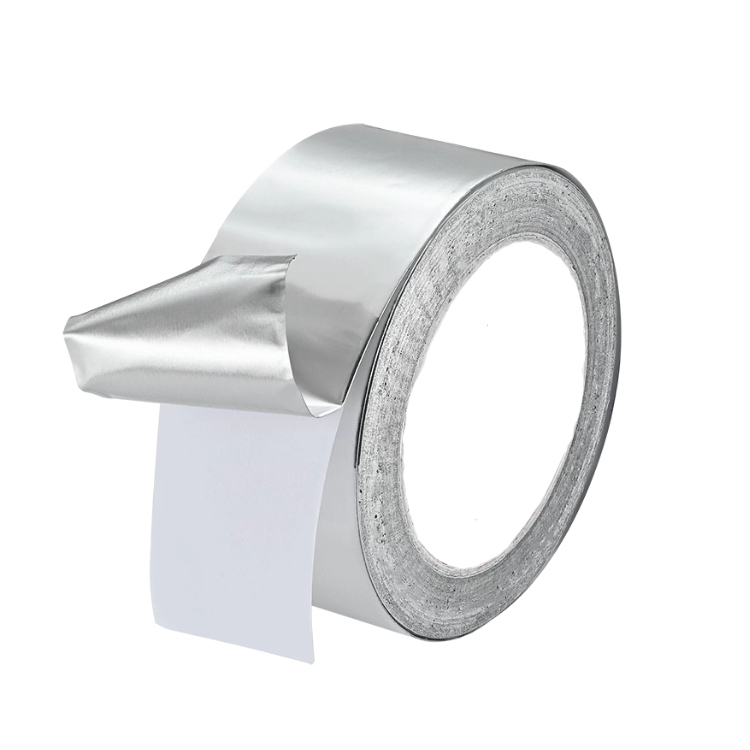
High-performance EMI shielding gaskets include protective facing materials that shield the core from direct environmental exposure. aluminum foil tape or polyimide film outer layers provide a critical barrier against salt spray, moisture intrusion, and chemical attack. An EMI shielding gasket with multiple protective layers offers extended service life in coastal or industrial environments where corrosive agents threaten bare conductive materials. The selection of an EMI shielding gasket should prioritize gaskets featuring UV-resistant and ozone-resistant facing materials, particularly for outdoor or partially enclosed installations subject to environmental degradation.
Performance Standards and Compliance Requirements
Shielding Effectiveness Metrics for EMI Gaskets
When evaluating an EMI shielding gasket for harsh environments, shielding effectiveness measured in decibels represents the critical performance metric. An EMI shielding gasket must achieve minimum shielding effectiveness across the frequency range relevant to your application, typically 100 MHz to 10 GHz for most commercial and military devices. Military specifications such as MIL-DTL-83528 and aerospace standards like AS6171 define minimum performance thresholds that premium gasket formulations must meet. Your selected EMI shielding gasket should be tested and certified to the specific standards applicable to your industry, whether telecommunications, medical device manufacturing, aerospace, or defense contracting.
Environmental Testing and Validation
Harsh environmental conditions demand that your EMI shielding gasket undergo rigorous validation testing before deployment. Salt spray resistance testing to ASTM B117 standards confirms that an EMI shielding gasket maintains its conductive properties after extended exposure to corrosive salt atmospheres. Temperature cycling tests ensure that an EMI shielding gasket does not lose compression set or electromagnetic containment after repeated thermal stress. When selecting an EMI shielding gasket, request documentation showing performance retention after environmental chamber testing, including measurements of shielding effectiveness degradation after salt spray exposure, thermal cycling, and humidity cycling.
Selection Criteria and Installation Considerations
Assessing Gasket Compression and Contact Pressure
An EMI shielding gasket must be compressed sufficiently to create reliable electrical contact with the enclosure surfaces while maintaining environmental sealing. The compression percentage of an EMI shielding gasket directly affects both shielding effectiveness and sealing performance, with typical applications requiring 20 to 30 percent compression. When selecting an EMI shielding gasket, calculate the required cross-sectional diameter based on your enclosure's flange depth and expected deflection under operational conditions. An undersized EMI shielding gasket will not achieve adequate contact pressure, resulting in electromagnetic leakage and potential environmental ingress, while an oversized gasket may extrude or degrade prematurely.
Integration with Enclosure Design and Maintenance
The robustness of an EMI shielding gasket installation depends not only on gasket material selection but also on the mechanical design of the enclosure. Flanges that properly retain an EMI shielding gasket during thermal cycling and vibration ensure consistent performance throughout the device lifecycle. When selecting an EMI shielding gasket, verify that your enclosure features adequate edge radius and flange contact surface smoothness to prevent gasket tearing or localized deformation. Consideration of maintenance accessibility is critical; harsh environment applications benefit from selecting an EMI shielding gasket design that allows field replacement without disassembling the entire enclosure, minimizing downtime during preventive maintenance cycles.
FAQ
What shielding effectiveness level should an EMI shielding gasket achieve for outdoor industrial applications?
Outdoor industrial applications typically require an EMI shielding gasket achieving minimum shielding effectiveness of 60 to 80 dB across the relevant frequency spectrum, depending on the specific electromagnetic environment. Military and aerospace applications may demand 100 dB or higher. An EMI shielding gasket selected for harsh outdoor conditions should be certified to applicable military or industry standards and should demonstrate shielding effectiveness retention after salt spray and thermal cycling testing.
How does an EMI shielding gasket maintain electrical conductivity in extreme temperature conditions?
An EMI shielding gasket maintains electrical conductivity through embedded conductive particles distributed uniformly throughout the core silicone foam, creating a conductive matrix that remains stable across temperature extremes from -55°C to +200°C or beyond. The selection of an EMI shielding gasket should prioritize formulations using silver-plated copper or nickel-coated particles with high thermal stability. The silicone base material itself remains elastically flexible and electrically conductive across this temperature range, preventing the gasket from becoming brittle or losing conductive continuity.
Can an EMI shielding gasket be reused after enclosure disassembly and reassembly?
The reusability of an EMI shielding gasket depends on the specific gasket type and the compression forces applied during installation. Many premium EMI shielding gaskets designed for harsh environments feature excellent compression set recovery, allowing limited reuse if the gasket remains undamaged and the original compression percentage is maintained. However, best practice in critical applications recommends replacing an EMI shielding gasket during routine maintenance cycles rather than attempting reuse, particularly when the gasket has been exposed to salt spray, extreme temperatures, or chemical exposure that may have degraded material properties.
