
 EN


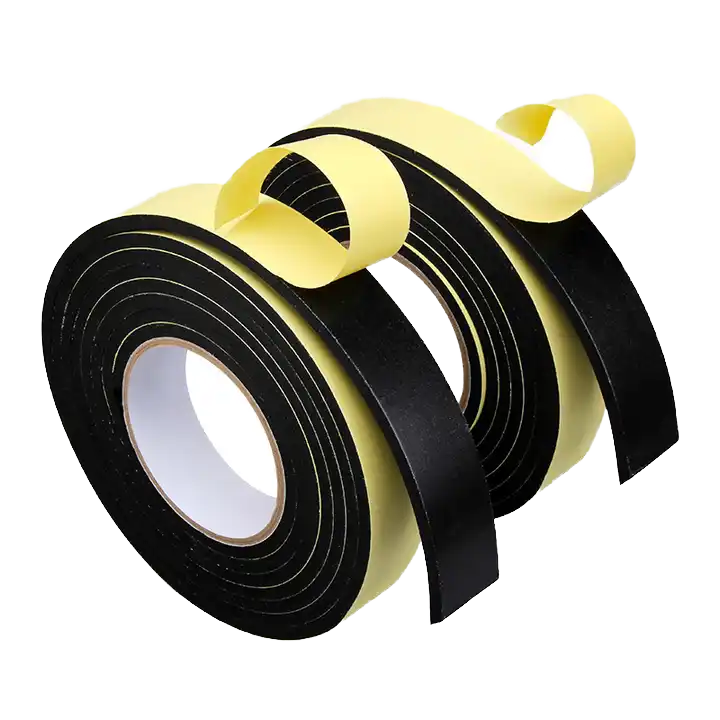
Vibration control in industrial machinery represents a critical engineering challenge that directly impacts equipment longevity, operational efficiency, and worker safety. Polyurethane-based materials, particularly waterproof foam tape solutions, have emerged as highly effective damping materials for reducing unwanted vibration transmission. Understanding how these materials work and why they perform so well can help industrial facilities make informed decisions about equipment protection and maintenance strategies.

Industrial machinery generates vibrations across a wide frequency range, from low-frequency oscillations caused by rotating shafts to high-frequency vibrations from impact events and dynamic loading. Waterproof foam tape addresses this challenge by converting mechanical vibration energy into heat through internal material friction and molecular motion, effectively isolating equipment from structural vibration paths.
Material Science Behind Polyurethane Foam Damping
Energy Absorption Mechanisms in Foam Structures
Polyurethane foam possesses a cellular structure that makes it exceptionally effective for vibration control in industrial applications. The interconnected or closed-cell network creates multiple pathways for energy dissipation, with waterproof foam tape specifically engineered to maintain performance even in humid or wet industrial environments. When vibration energy encounters the foam matrix, the material undergoes micro-deformations that dissipate energy through internal friction rather than transmitting it to adjacent structures.
The damping performance of waterproof foam tape depends on several material properties, including density, cell structure, and elasticity. Higher-density formulations provide better vibration isolation for heavy machinery, while optimized foam composition ensures consistent damping across broad frequency ranges. Industrial facilities increasingly prefer waterproof foam tape solutions because they maintain damping effectiveness even when exposed to coolants, moisture, and temperature fluctuations typical in manufacturing environments.
Frequency Response and Resonance Control
One critical advantage of polyurethane foam for machinery vibration control involves its ability to address resonance conditions. When equipment operates near its natural frequency, vibration amplification can occur, potentially causing accelerated wear and structural failure. Waterproof foam tape provides tunable damping that suppresses resonance peaks across multiple frequency bands, protecting machinery from catastrophic vibration scenarios. This frequency-dependent performance makes waterproof foam tape particularly valuable for complex industrial systems with multiple vibration sources.
Industrial Applications and Installation Methods
Equipment Isolation and Mounting Solutions
Polyurethane foam damping finds extensive application in machinery mounting systems where vibration isolation is essential. Waterproof foam tape serves as a flexible interface between equipment bases and structural foundations, decoupling vibration transmission paths. Industrial applications range from precision CNC machinery requiring minimal vibration to heavy industrial presses where massive dynamic loads generate intense vibration patterns. The waterproof foam tape installation process typically involves applying the material to contact surfaces, providing immediate vibration isolation without requiring equipment downtime or complex modifications.
Manufacturing facilities implement waterproof foam tape in motor mounts, bearing housings, and drive shaft supports where vibration damping directly affects operational performance and component lifespan. The material's flexibility allows installation on irregular surfaces, curved equipment profiles, and complex geometries where conventional rigid isolators prove inadequate. Waterproof foam tape maintains adhesive properties and elastic performance across industrial temperature ranges, ensuring consistent damping in facilities with variable thermal conditions.
Acoustic and Structural Vibration Control
Beyond equipment protection, polyurethane foam damping through waterproof foam tape provides acoustic benefits that improve workplace environments. Vibration-generated noise transmission through machinery frames and connected structures creates occupational health concerns and productivity challenges. Waterproof foam tape strategically applied to vibration sources and transmission paths reduces both radiated noise and structure-borne sound, creating safer and more comfortable industrial workspaces. This dual benefit of equipment protection and noise reduction makes waterproof foam tape a cost-effective solution for comprehensive vibration management.
Performance Considerations and Selection Criteria
Environmental Durability and Material Specifications
Industrial environments present harsh conditions that challenge traditional damping materials, but polyurethane foam engineered as waterproof foam tape maintains performance under demanding circumstances. Chemical resistance, thermal stability, and moisture impermeability represent critical specifications when selecting damping materials for manufacturing facilities. Waterproof foam tape formulations incorporating closed-cell structures resist water absorption, preventing degradation from coolant exposure, humid conditions, and washdown procedures common in industrial settings. Material certifications and performance testing data help facility managers confirm that waterproof foam tape meets their specific operational requirements.
The durability advantage of polyurethane foam damping solutions extends equipment service intervals and reduces maintenance costs associated with vibration-induced wear. Waterproof foam tape maintains elastic recovery properties over extended operating periods, ensuring consistent damping performance throughout its operational lifespan. Industrial facilities benefit from improved predictability in equipment maintenance schedules when implementing polyurethane foam damping strategies, as the material's stability reduces unexpected vibration-related failures.
Cost-Benefit Analysis and Implementation ROI
Polyurethane foam damping through waterproof foam tape represents a cost-effective vibration control approach compared to complex mechanical isolation systems or replacement equipment. The material's affordability combined with straightforward installation methodology reduces implementation costs for existing machinery modifications. Waterproof foam tape application requires minimal specialized equipment or technical expertise, enabling rapid deployment across multiple equipment installations without extensive downtime. Industrial facilities experience rapid return on investment through extended equipment lifespan, reduced maintenance requirements, and improved operational reliability achieved through effective vibration damping.
FAQ
How does polyurethane foam compare to other vibration damping materials?
Polyurethane foam offers superior balance between damping performance, cost-effectiveness, and installation simplicity compared to rubber isolators or cork-based solutions. Waterproof foam tape specifically provides moisture resistance that traditional materials lack, making it ideal for industrial environments with coolant exposure or humidity concerns. The material's tunable properties allow customization for specific frequency ranges and load conditions, providing flexibility that rigid isolators cannot match.
Can waterproof foam tape withstand high-temperature industrial environments?
Modern polyurethane foam formulations maintain damping effectiveness across temperature ranges typical in industrial machinery areas. Waterproof foam tape engineered with thermal-stable polymers resists degradation from heat exposure, though extreme temperature conditions may require specialized formulations. Industrial facilities should verify material specifications against their specific thermal operating conditions to ensure consistent vibration damping performance throughout equipment service life.
What maintenance is required for polyurethane foam damping systems?
Waterproof foam tape requires minimal maintenance compared to traditional vibration isolation methods, primarily involving periodic inspection for adhesive degradation or physical damage. Industrial environments should monitor foam integrity during routine equipment maintenance, replacing waterproof foam tape if material compression or delamination becomes evident. Preventive maintenance focusing on inspection rather than active servicing makes polyurethane foam damping systems highly cost-effective for long-term vibration control applications.
