
 EN
EN


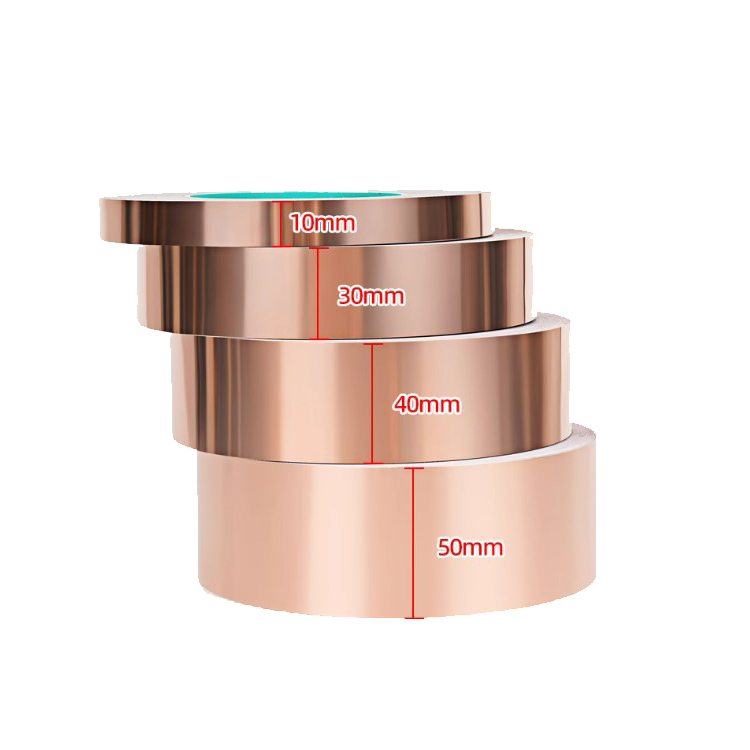
Server racks operate in demanding environments where electromagnetic interference (EMI) and radio frequency interference (RFI) pose constant threats to data integrity and system reliability. One of the most effective solutions for managing these challenges is the strategic application of conductive copper foil tape at input and output ports. This specialized material creates a protective barrier that significantly reduces unwanted electromagnetic emissions and prevents external interference from compromising critical server communications. Understanding how conductive copper foil tape enhances I/O shielding is essential for IT managers, facility engineers, and data center operators who need to maintain peak performance and compliance standards.
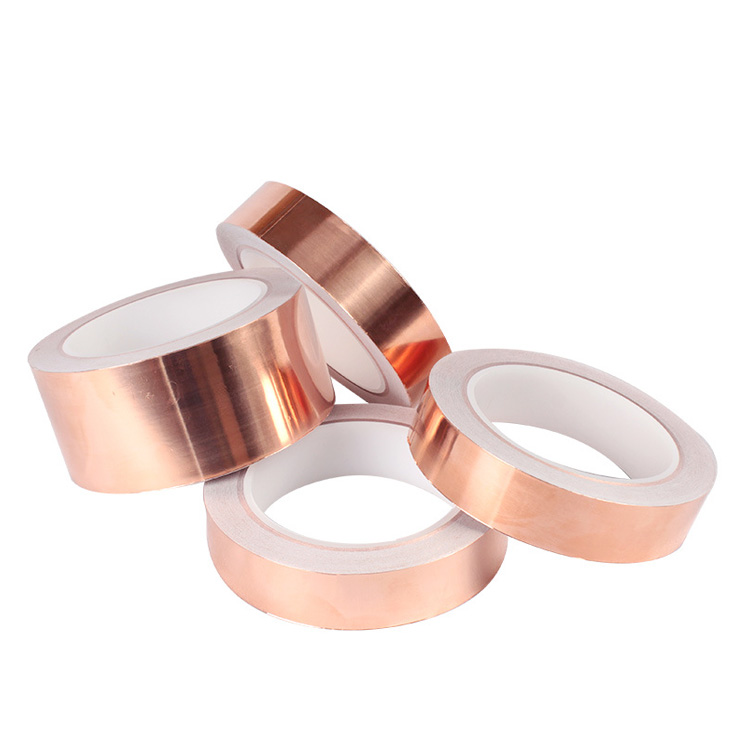
The role of conductive copper foil tape in modern data centers extends beyond simple signal protection. As server racks become denser and operate at higher frequencies, the need for reliable electromagnetic shielding becomes more critical. Conductive copper foil tape provides a cost-effective, easy-to-install solution that meets industry standards and regulatory requirements. This guide explores the mechanisms, installation practices, and measurable benefits of using conductive copper foil tape to optimize I/O shielding performance in server environments.
How Conductive Copper Foil Tape Works in I/O Shielding
Electromagnetic Interference Reduction
Conductive copper foil tape operates by creating a Faraday cage effect around exposed I/O connections, absorbing and redirecting electromagnetic energy away from sensitive signal pathways. When conductive copper foil tape is properly applied around server I/O ports, it establishes a continuous conductive barrier that attenuates EMI at frequencies ranging from kilohertz to gigahertz ranges. The copper material itself has high conductivity, allowing rapid dissipation of electromagnetic charge to ground. This characteristic makes conductive copper foil tape particularly effective at preventing cross-talk between adjacent signal lines and reducing radiated emissions that could affect neighboring equipment. The adhesive backing on most commercial conductive copper foil tape formulations ensures secure, long-term contact with server chassis and connectors, maintaining shielding integrity throughout the system lifecycle.
Signal Integrity Preservation
High-speed data transmission in server racks depends on maintaining clean signal pathways without interference degradation. Conductive copper foil tape maintains signal integrity by suppressing noise that could corrupt data packets or reduce transmission speed. When installed around Ethernet ports, USB connectors, and fiber optic ports, conductive copper foil tape minimizes capacitive and inductive coupling effects that naturally occur in densely packed rack environments. The conductive copper foil tape creates a low-impedance path that shunts unwanted signals to ground rather than allowing them to contaminate valid data streams. This preservation of signal quality directly translates to higher uptime, fewer transmission errors, and improved overall data center reliability.
Installation and Application Methods for Conductive Copper Foil Tape
Proper Preparation and Surface Conditioning
Successful application of conductive copper foil tape begins with thorough surface preparation on server chassis and connector housings. Any dust, oxidation, or residual material on the target surface reduces adhesion and diminishes the electrical effectiveness of conductive copper foil tape. Industrial-grade cleaning using isopropyl alcohol and lint-free wipes creates an optimal surface for conductive copper foil tape application. The substrate must be completely dry before installation, as moisture underneath conductive copper foil tape can promote corrosion and degrade performance over time. Temperature and humidity conditions at the time of application also matter, as extreme conditions can affect how well the conductive copper foil tape bonds to the surface. Proper pre-installation preparation ensures that conductive copper foil tape remains in place and maintains continuous electrical contact with the shielded surfaces.
Strategic Wrapping Techniques
Applying conductive copper foil tape requires understanding port geometry and electromagnetic vulnerability patterns. Technicians typically wrap conductive copper foil tape around connector bodies in overlapping spirals, ensuring complete coverage without gaps that could allow EMI leakage. The overlap between successive wraps of conductive copper foil tape should be at least one-quarter inch to maintain continuous conductivity and prevent electromagnetic bypass routes. For rectangular I/O connectors, conductive copper foil tape application follows the perimeter in complete loops, with special attention to corner areas where field concentration tends to occur. Vertical server rack installations benefit from applying conductive copper foil tape in horizontal bands that follow the natural cable routing and prevent tape peeling from gravity stress. This methodical approach to wrapping conductive copper foil tape maximizes shielding performance while minimizing installation time and material waste.
Performance Benefits and Industry Compliance Standards
Measurable EMI Attenuation Results
Field testing demonstrates that properly installed conductive copper foil tape can reduce radiated EMI by 20 to 40 decibels (dB) depending on frequency range and specific installation geometry. Server facilities implementing conductive copper foil tape have documented reductions in electromagnetic compatibility (EMC) test failures and improved certification outcomes. The effectiveness of conductive copper foil tape varies with frequency, typically providing greater attenuation at higher frequencies where impedance becomes the limiting factor. Data center operators using conductive copper foil tape consistently report fewer spontaneous connection drops and reduced packet retransmission rates across high-density rack configurations. These measurable improvements directly reduce operational expenses by decreasing troubleshooting time and eliminating unnecessary equipment replacement cycles. The return on investment for conductive copper foil tape implementation often occurs within the first year of operation through reduced downtime and maintenance burden.
Regulatory and Certification Requirements
International standards including FCC Part 15, CE marking requirements, and ISO 11801 specifications address electromagnetic shielding in data environments. Conductive copper foil tape helps facilities achieve and maintain compliance with these regulatory frameworks by demonstrating continuous, verifiable shielding integrity. Third-party audits and certification bodies increasingly recognize conductive copper foil tape as a validated shielding enhancement method that satisfies compliance documentation requirements. Organizations operating in regulated industries such as healthcare, finance, and telecommunications benefit from the documented EMI reduction that conductive copper foil tape provides. Implementing conductive copper foil tape creates an auditable record of shielding measures and demonstrates due diligence in electromagnetic management practices. This regulatory alignment protects organizations from potential fines and licensing challenges while enhancing overall facility credibility.
FAQ
What makes conductive copper foil tape superior to other shielding materials?
Conductive copper foil tape combines superior electrical conductivity, ease of application, and cost-effectiveness compared to alternative shielding approaches. Unlike permanent shielding modifications, conductive copper foil tape can be applied to existing equipment without disrupting operations, and it accommodates future port reconfigurations. The copper material resists corrosion better than aluminum in humid data center environments, ensuring long-term performance reliability. Conductive copper foil tape also provides better peel strength and adhesion consistency compared to generic conductive tapes, making it a preferred choice for mission-critical applications.
How often should conductive copper foil tape be inspected and replaced?
Regular inspection of conductive copper foil tape should occur during routine data center maintenance cycles, typically quarterly or biannually depending on facility conditions. Environmental factors such as temperature fluctuations, vibration from equipment operation, and cable movement can gradually degrade conductive copper foil tape adhesion over years. Most professionally installed conductive copper foil tape maintains full effectiveness for three to five years under normal data center conditions. Facilities experiencing higher vibration levels or unstable environmental conditions may require more frequent conductive copper foil tape replacement to maintain optimal shielding performance. Visual signs of lifting edges, discoloration, or visible adhesive deterioration indicate that conductive copper foil tape renewal should be scheduled.
Can conductive copper foil tape be used on all server port types?
Conductive copper foil tape is suitable for most standard server I/O ports including RJ-45 Ethernet connectors, USB headers, serial ports, and management console connections. Fiber optic ports and optical transceivers require careful conductive copper foil tape application to avoid interfering with optical alignment or generating heat that could affect performance. High-density micro connectors sometimes present challenges for conductive copper foil tape application due to spacing constraints, though careful wrapping techniques can address most situations. Consulting equipment manufacturers regarding conductive copper foil tape compatibility ensures that specific port configurations receive appropriate shielding without compromising connector functionality or creating warranty issues.
