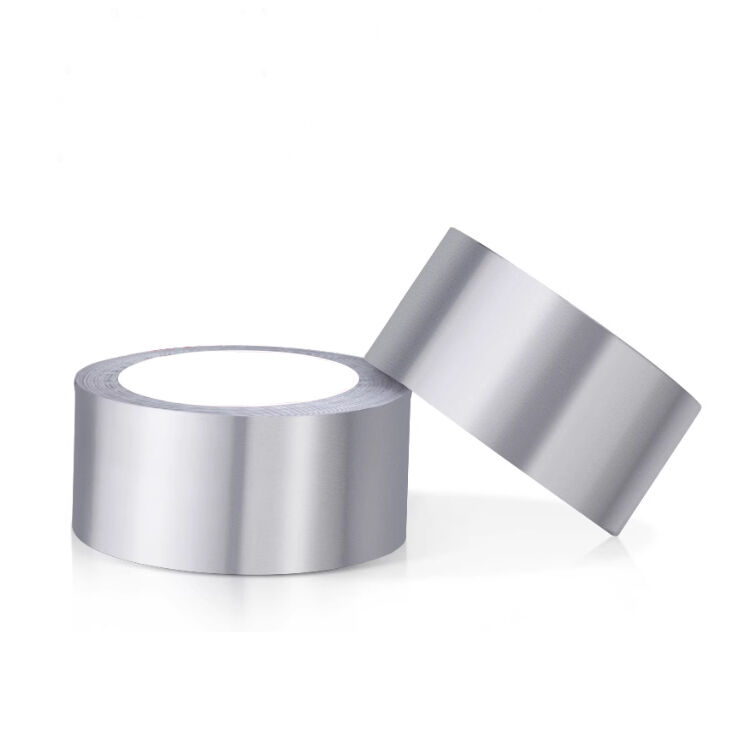
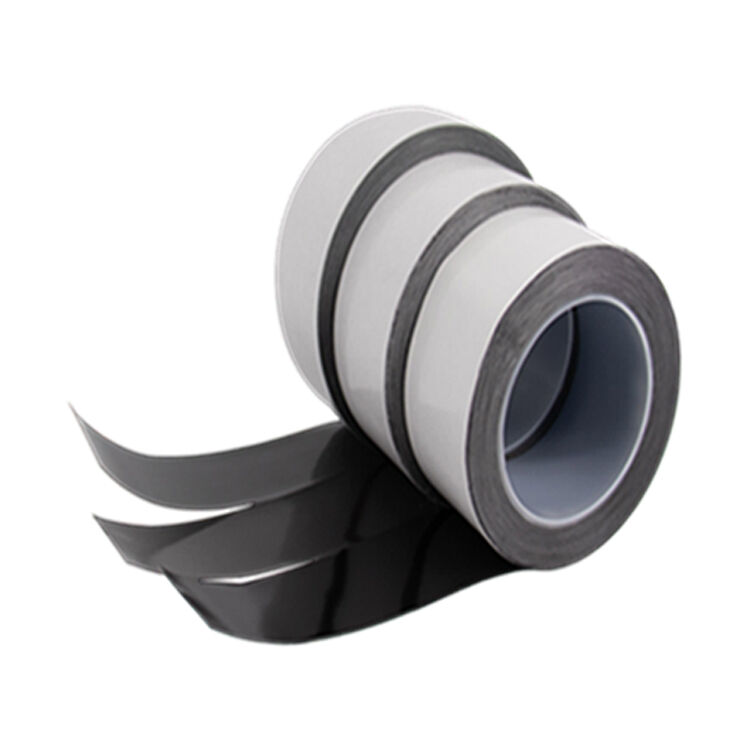
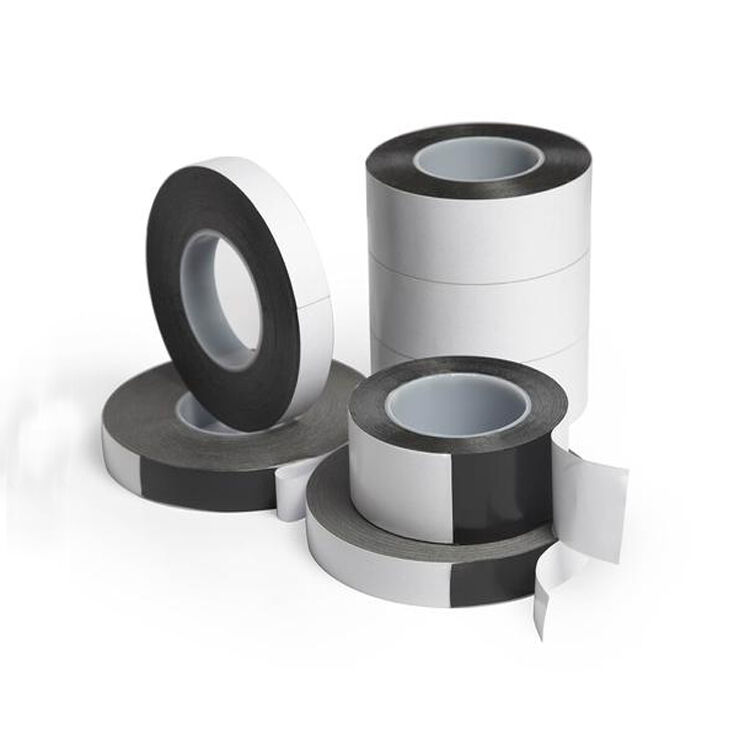
emi shielding tape
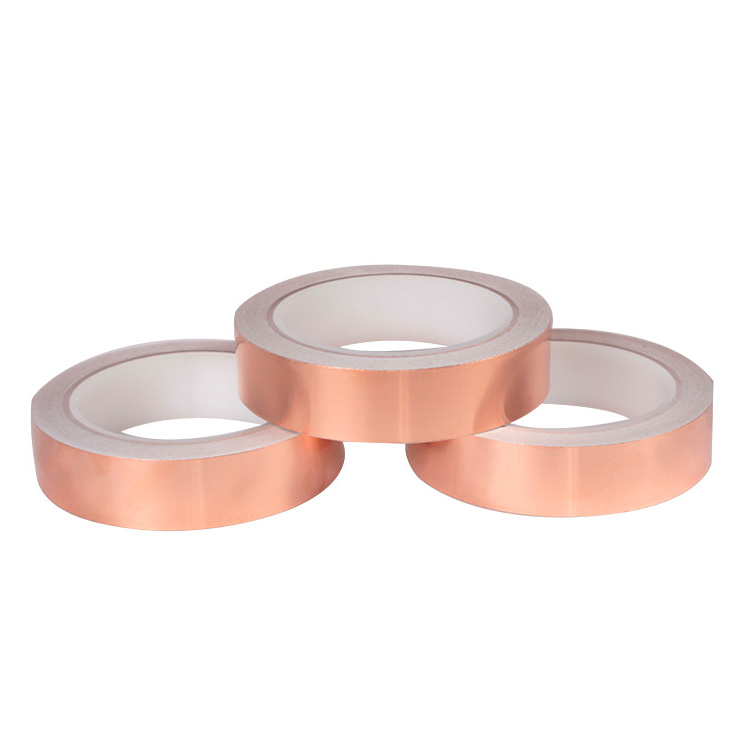
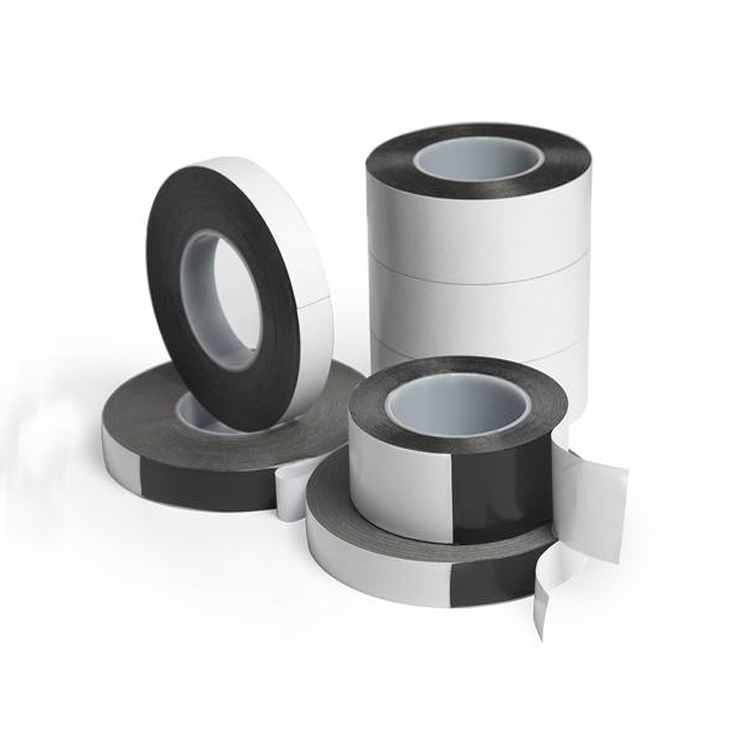
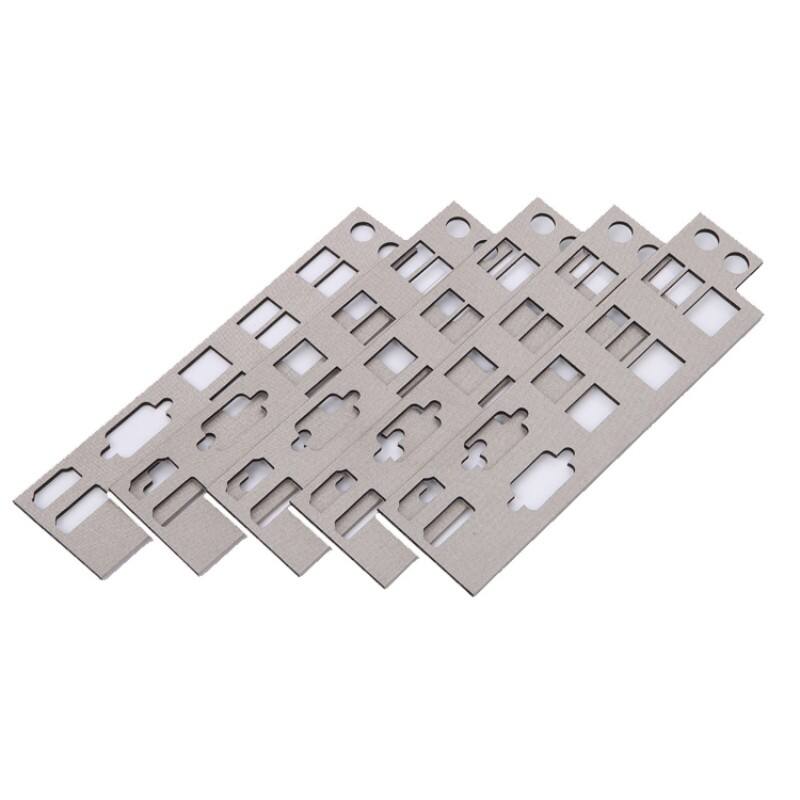
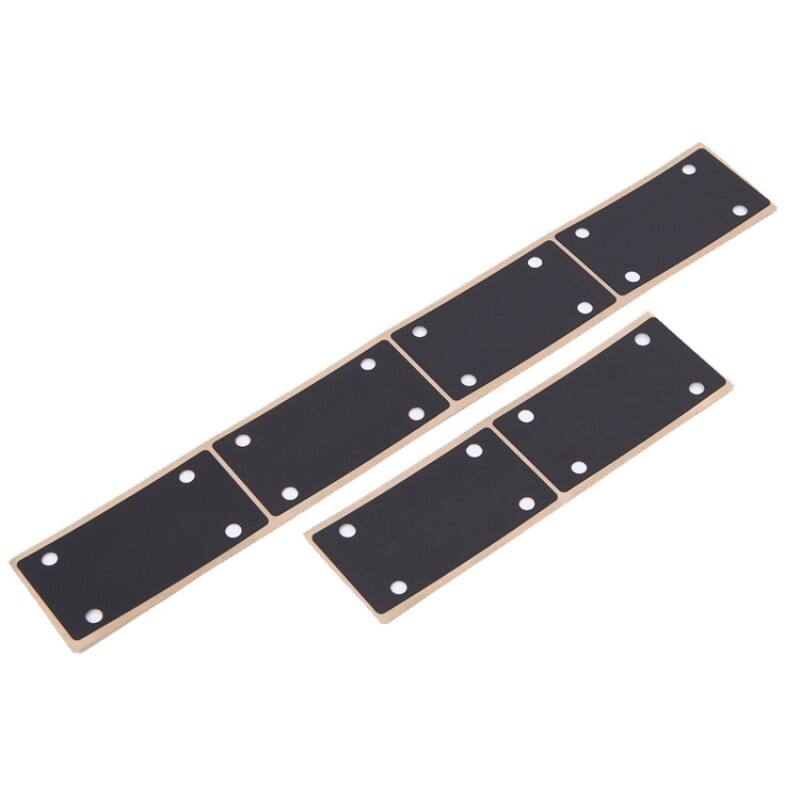
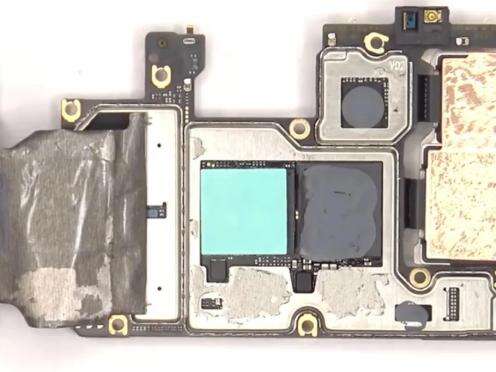
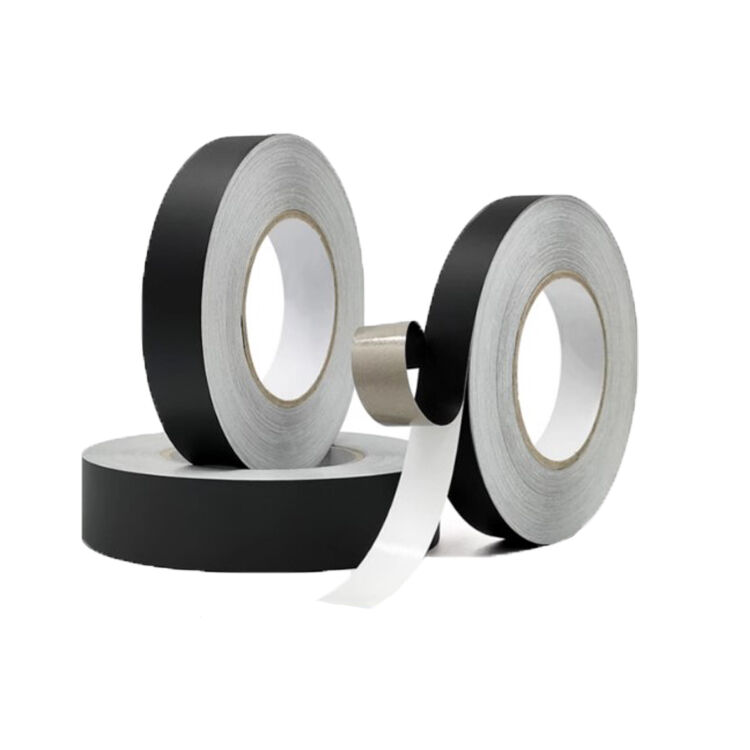
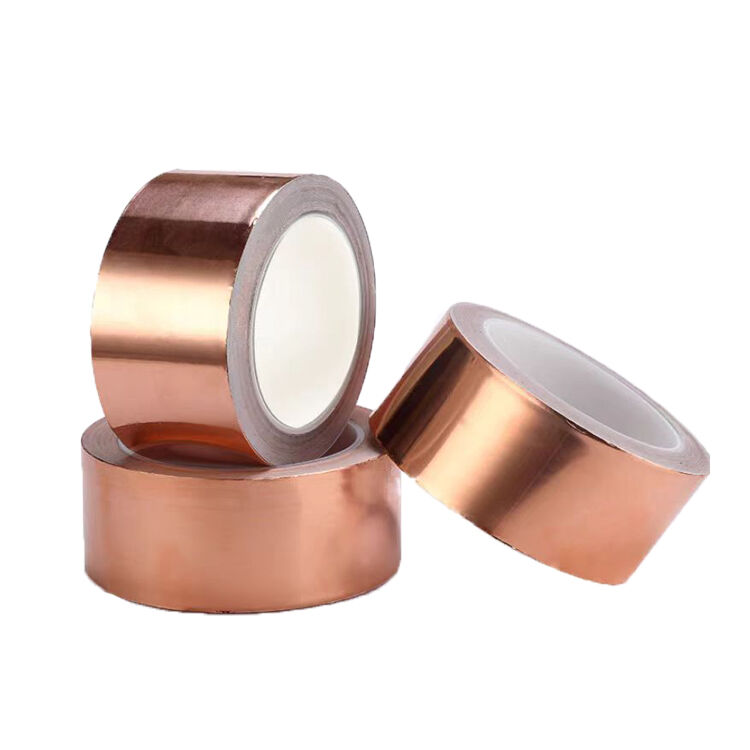
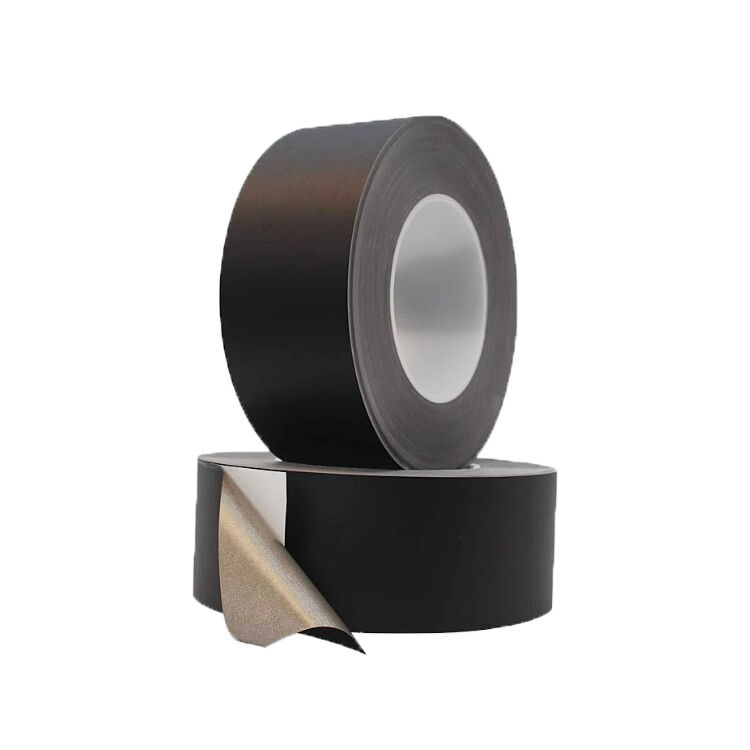
EMI shielding tape represents a critical technological solution for managing electromagnetic interference in modern electronic devices and systems. This specialized tape consists of conductive materials designed to create effective barriers against unwanted electromagnetic radiation. The primary function of emi shielding tape involves blocking, absorbing, or redirecting electromagnetic energy that could otherwise disrupt sensitive electronic components or cause compliance issues with regulatory standards. The tape typically features a conductive layer made from materials such as copper, aluminum, nickel, or conductive fabric, combined with an adhesive backing that enables easy application to various surfaces. Technological features of emi shielding tape include excellent conductivity properties, flexible construction that conforms to irregular shapes, and robust adhesive systems that maintain long-term bonding performance. The shielding effectiveness varies depending on the material composition, thickness, and frequency range, with most professional-grade tapes offering attenuation levels between 40dB to 100dB across different electromagnetic spectrums. Applications for emi shielding tape span numerous industries and use cases. In consumer electronics, manufacturers apply this tape to smartphone housings, tablet computers, and gaming devices to prevent interference between internal components and ensure FCC compliance. Automotive applications include electric vehicle battery management systems, advanced driver assistance systems, and infotainment units where electromagnetic compatibility is essential for safe operation. Medical device manufacturers rely on emi shielding tape for MRI equipment, patient monitoring systems, and implantable devices where electromagnetic interference could pose serious health risks. Aerospace and defense sectors utilize high-performance variants for satellite communications, radar systems, and military electronics that must operate reliably in electromagnetically challenging environments. The tape also finds extensive use in industrial automation, telecommunications infrastructure, and renewable energy systems where electromagnetic compatibility requirements are increasingly stringent.




 EN
EN