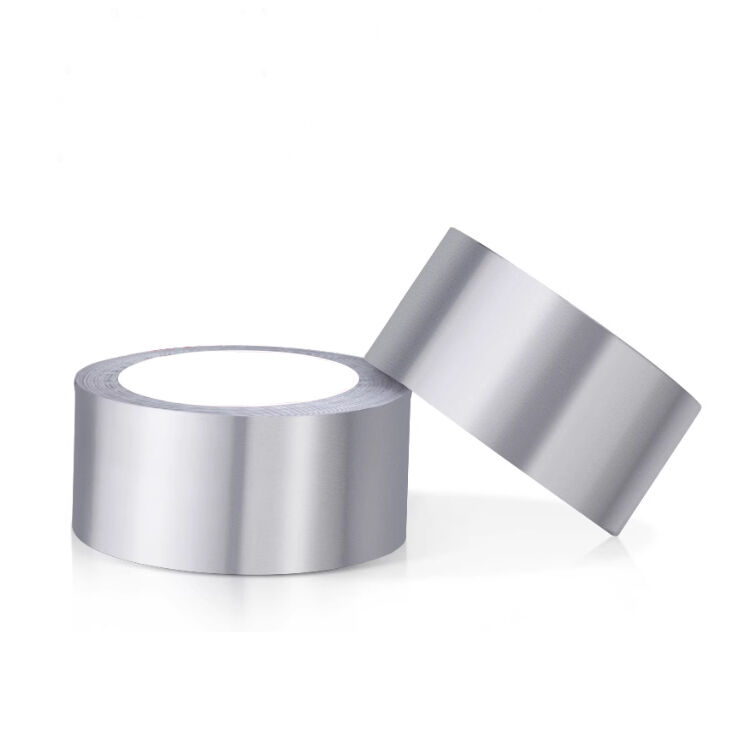
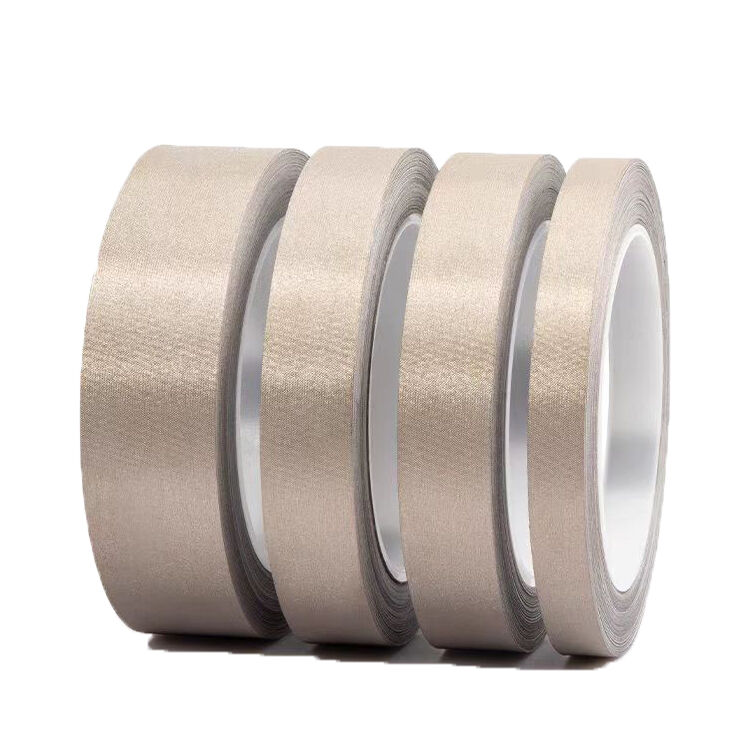
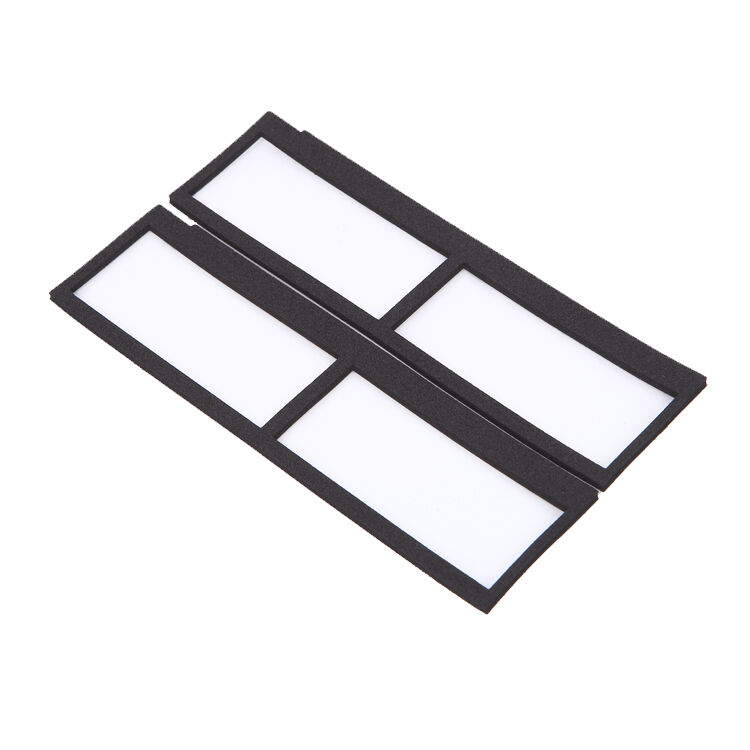
copper tape emi shielding
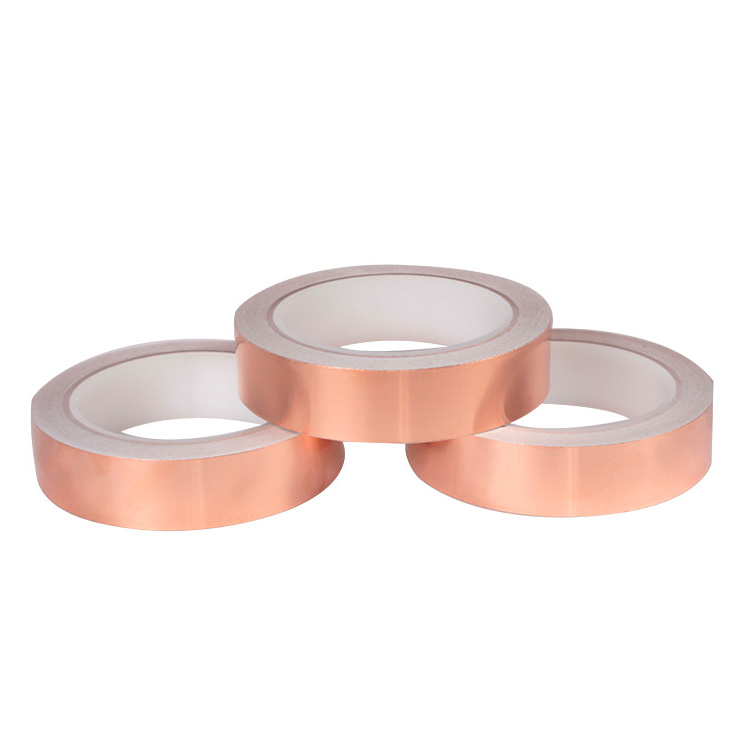
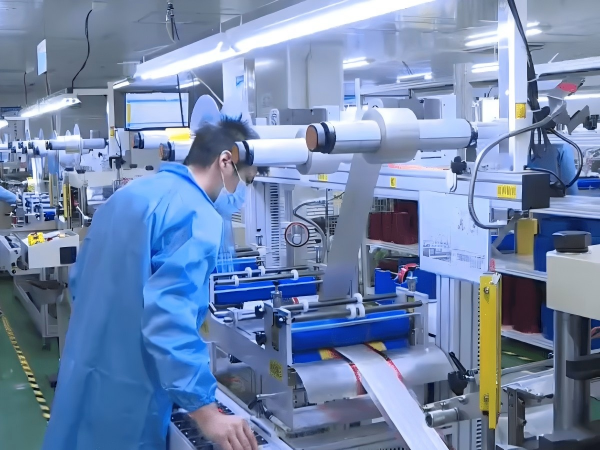
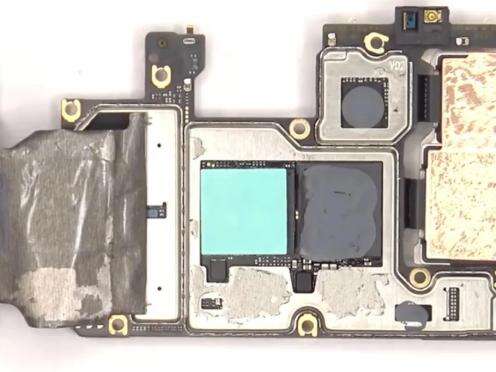
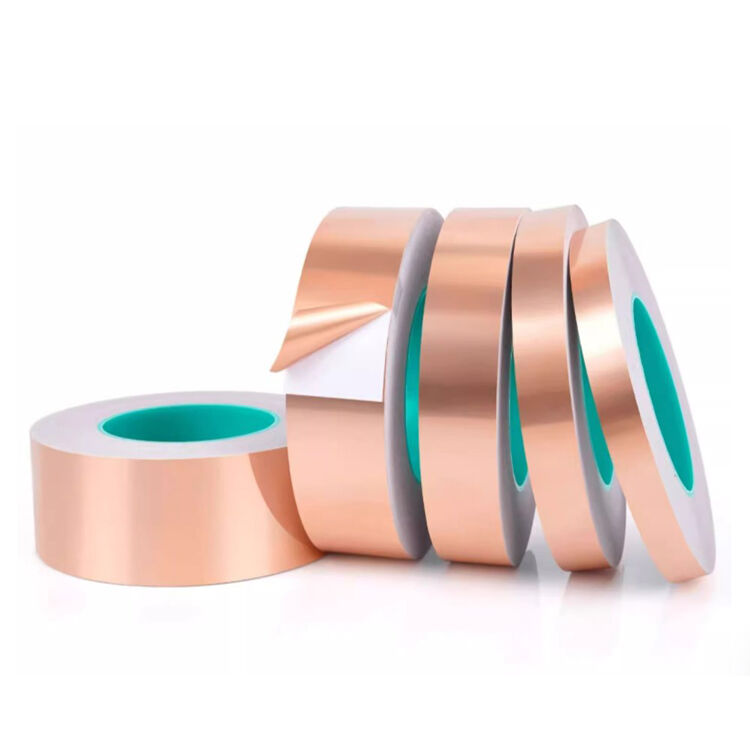
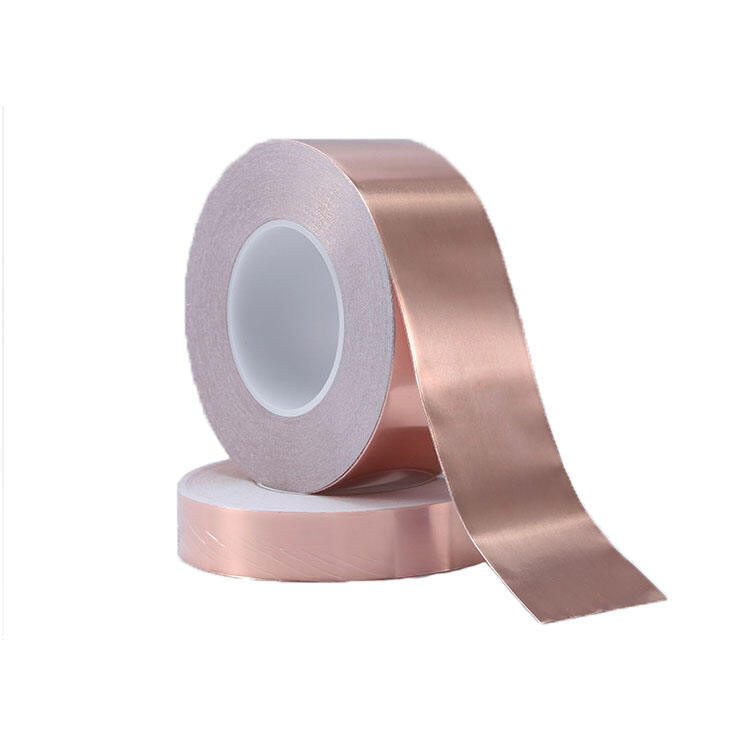
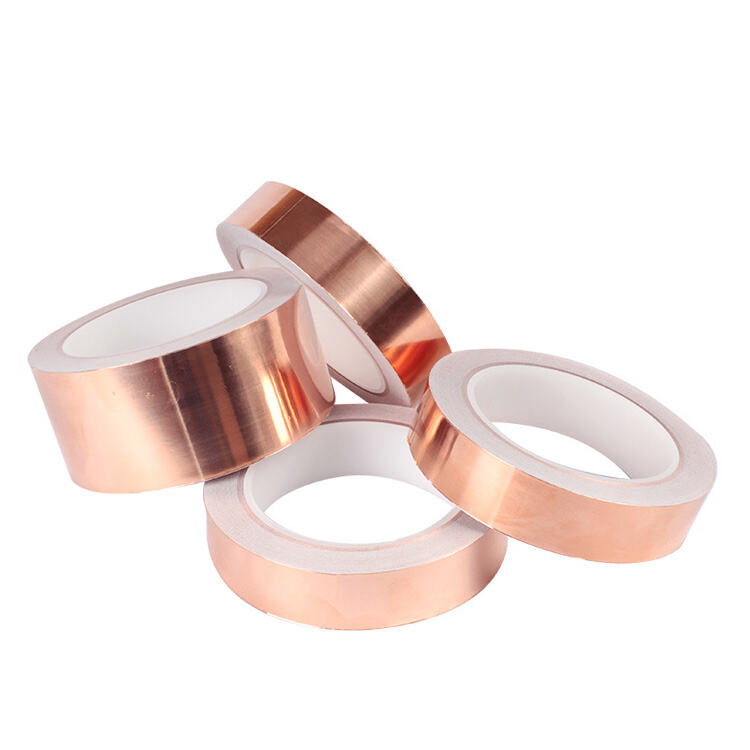
Copper tape emi shielding represents a critical component in modern electronic protection, offering exceptional electromagnetic interference mitigation capabilities across diverse industries. This specialized shielding solution combines the inherent conductivity properties of copper with advanced adhesive backing systems to create an effective barrier against unwanted electromagnetic radiation. The primary function of copper tape emi shielding involves blocking, absorbing, and redirecting electromagnetic fields that can disrupt sensitive electronic equipment and compromise signal integrity. Manufacturing processes utilize high-purity copper materials that maintain consistent thickness and conductivity levels, ensuring reliable performance across various frequency ranges. The technological framework incorporates precision-engineered adhesive formulations that provide strong bonding characteristics while maintaining electrical continuity throughout the shielding structure. Modern copper tape emi shielding systems demonstrate remarkable effectiveness in frequencies ranging from low-frequency power line interference to high-frequency radio communications, making them versatile solutions for comprehensive electromagnetic protection. Applications span numerous sectors including telecommunications infrastructure, medical device manufacturing, aerospace engineering, automotive electronics, and consumer electronics production. The installation process requires minimal specialized equipment, allowing technicians to apply copper tape emi shielding directly onto circuit boards, enclosures, cables, and other components requiring protection. Quality copper tape emi shielding maintains structural integrity under varying temperature conditions, humidity levels, and mechanical stress factors commonly encountered in operational environments. Advanced manufacturing techniques ensure consistent copper grain structure and surface smoothness, contributing to optimal electromagnetic field attenuation performance. The material composition typically includes oxygen-free copper elements that resist oxidation and maintain long-term conductivity characteristics essential for sustained shielding effectiveness.




 EN
EN