High-Performance Conductive Foam Gasket Material - EMI Shielding Solutions

All Categories

Get a Free Quote

Our representative will contact you soon.
Email
Name
Company Name
Message
0/1000

conductive foam gasket material

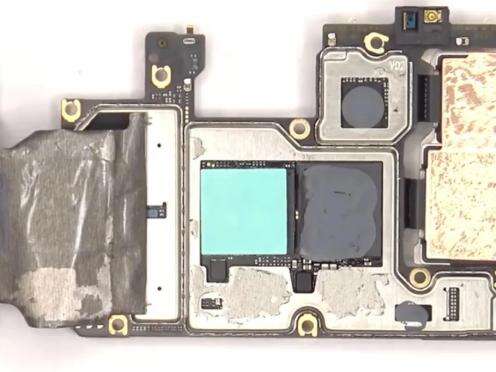
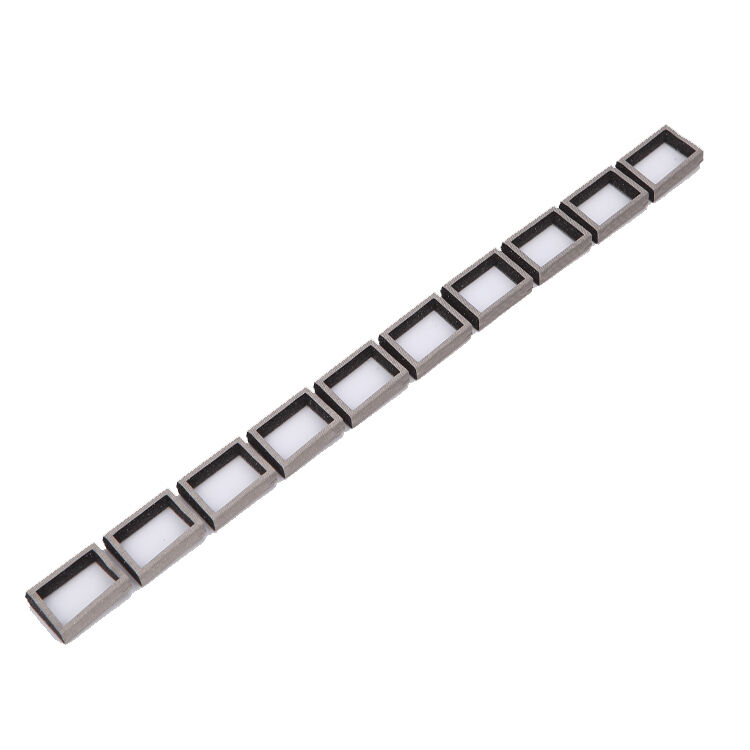
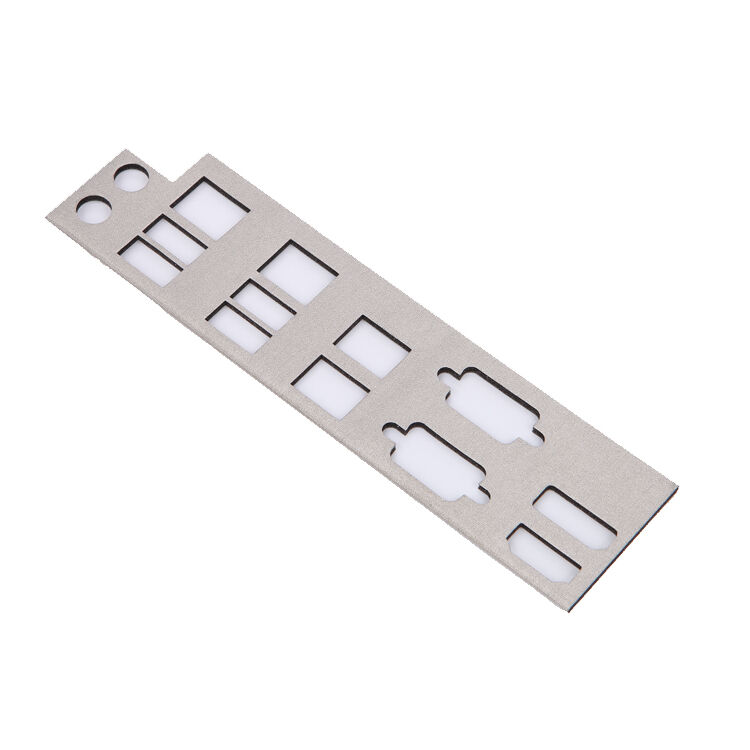
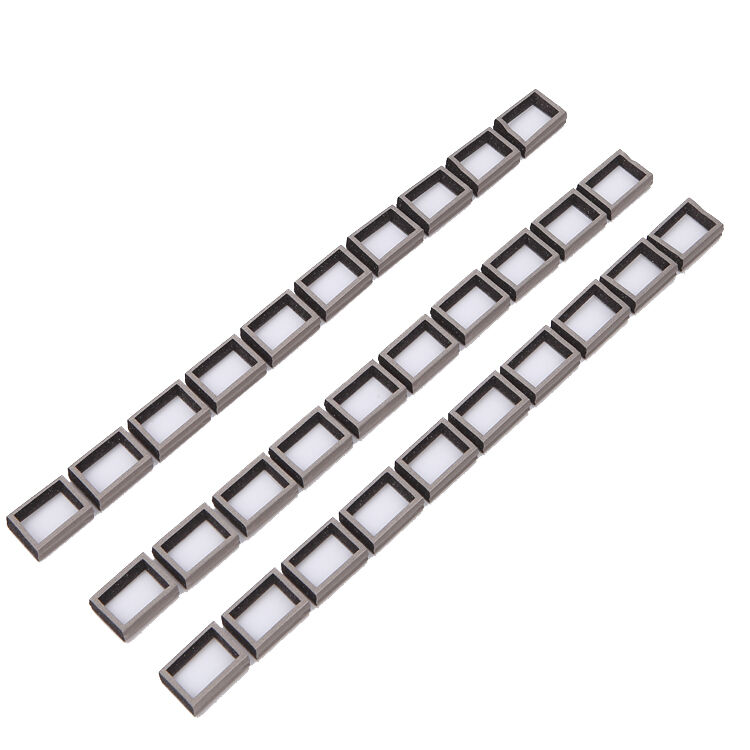
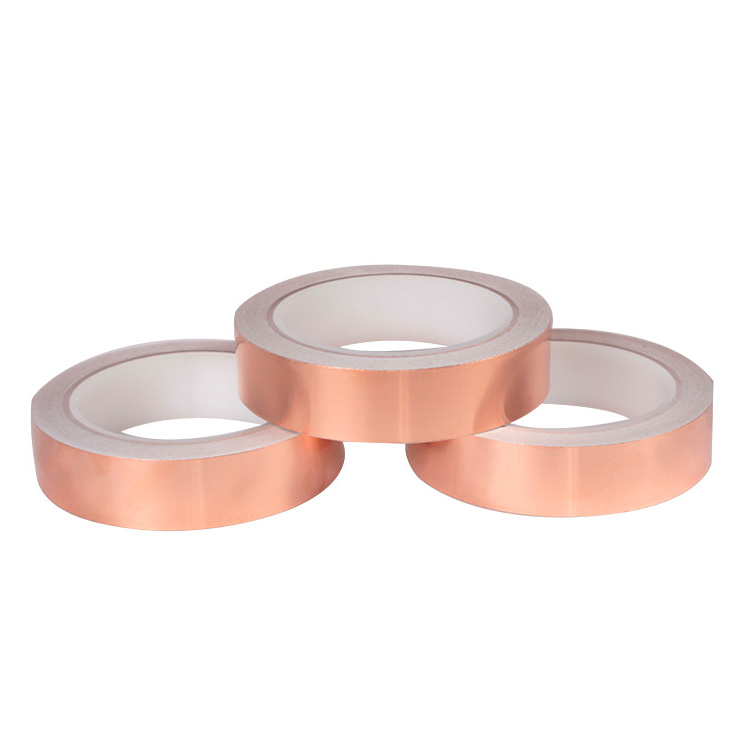
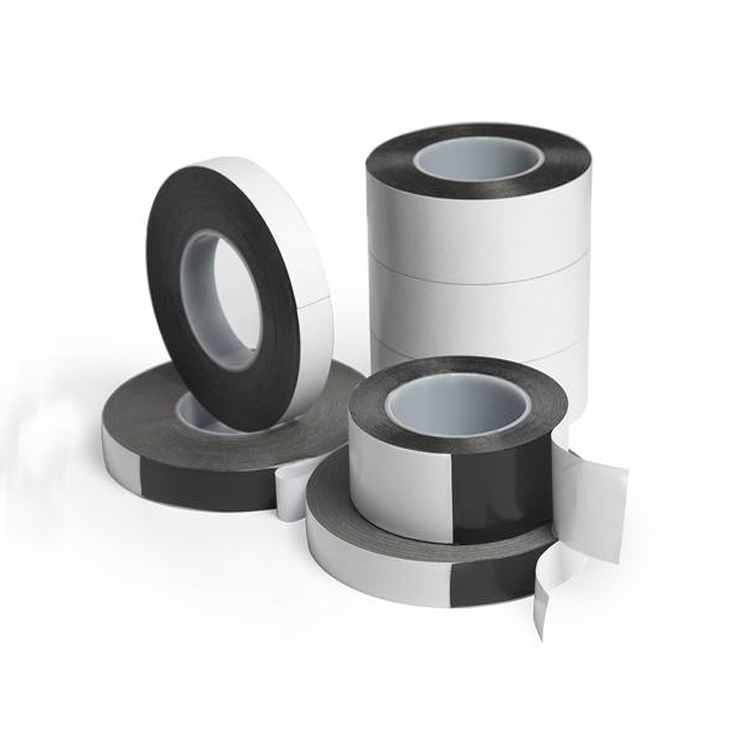
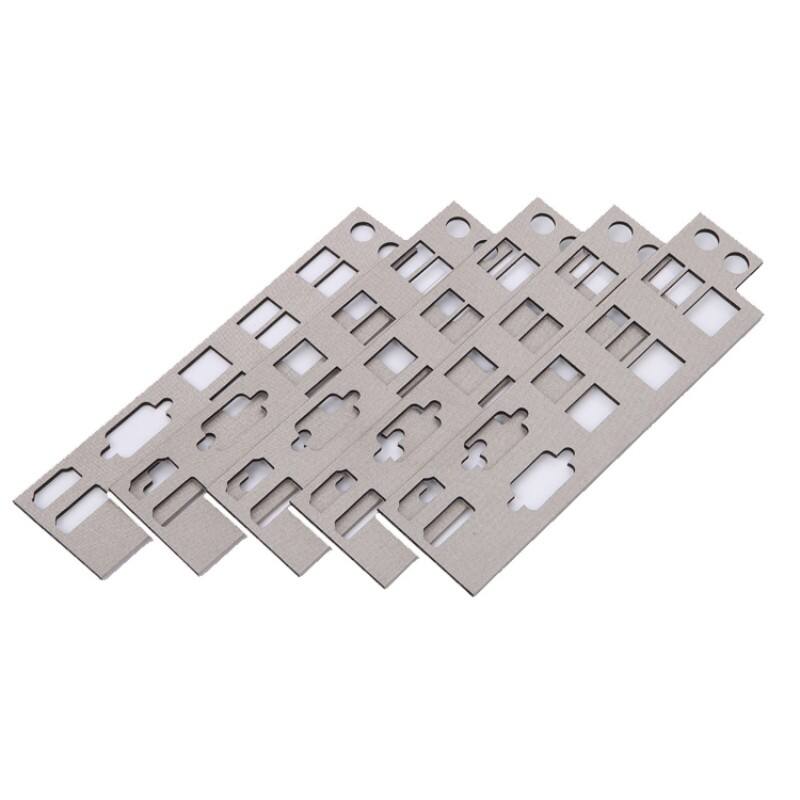
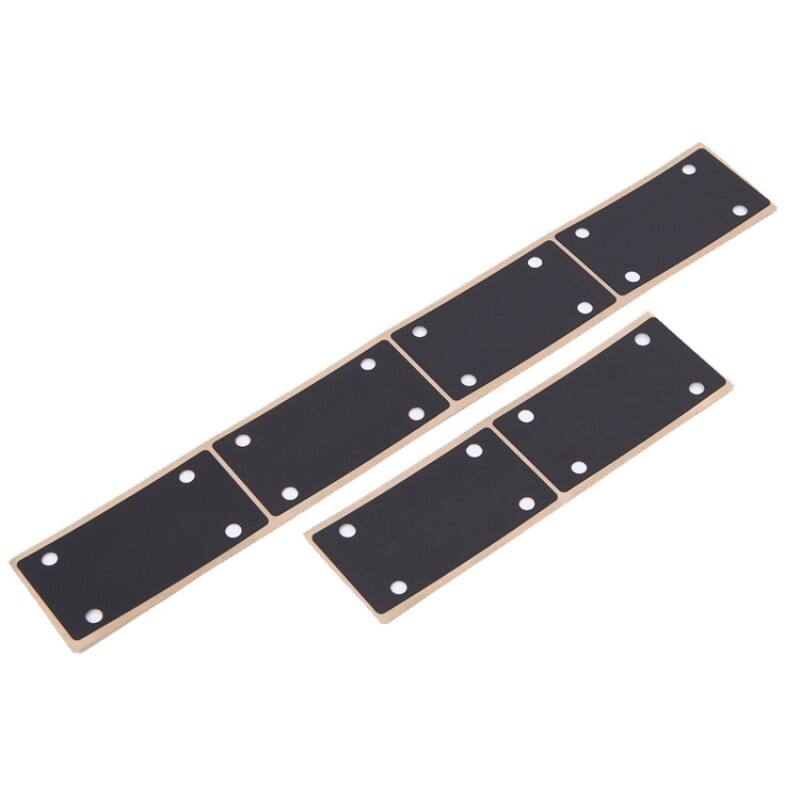
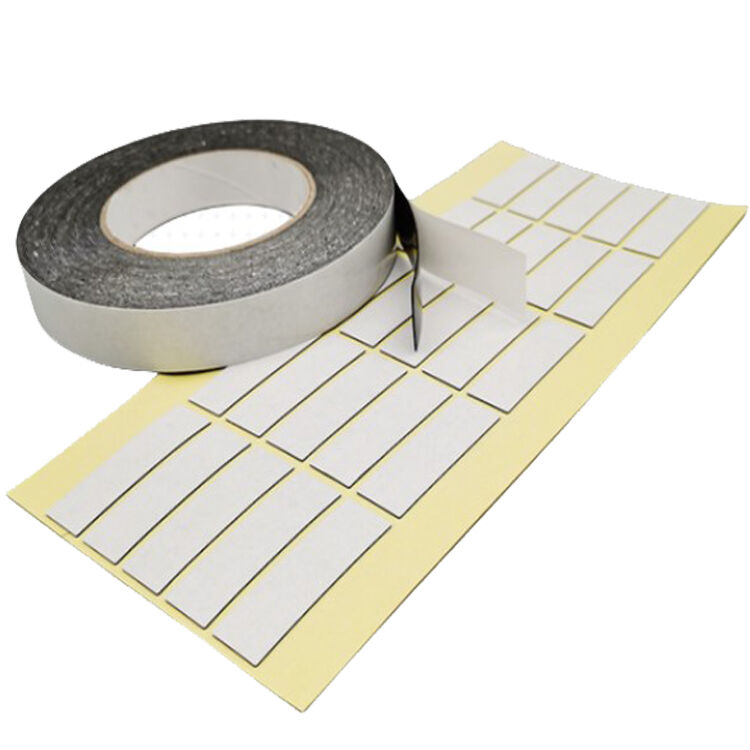
Conductive foam gasket material represents a revolutionary solution in electromagnetic interference (EMI) and radio frequency interference (RFI) shielding applications. This specialized material combines the flexibility and compressibility of traditional foam with enhanced electrical conductivity properties, creating an effective barrier against electromagnetic interference while maintaining excellent sealing capabilities. The primary function of conductive foam gasket material centers on providing reliable electromagnetic shielding in electronic enclosures, preventing unwanted electromagnetic emissions from escaping and blocking external interference from entering sensitive electronic components. The technological foundation of this material involves incorporating conductive particles, fibers, or coatings into a foam substrate, typically made from polyurethane, silicone, or other polymer bases. These conductive elements include silver, copper, nickel, or carbon particles that create continuous electrical pathways throughout the foam structure. The manufacturing process ensures uniform distribution of these conductive elements, resulting in consistent electrical performance across the entire gasket surface. Key technological features include excellent compression recovery, maintaining electrical continuity under repeated compression cycles, and the ability to conform to irregular surfaces while preserving shielding effectiveness. The material demonstrates remarkable versatility in thickness options, ranging from thin sheets for compact applications to thicker profiles for heavy-duty sealing requirements. Temperature resistance varies depending on the base foam material, with specialized formulations capable of operating in extreme temperature environments. Applications for conductive foam gasket material span across numerous industries, including telecommunications equipment housings, medical device enclosures, military and aerospace electronics, automotive electronic control units, and consumer electronics. In telecommunications, these gaskets ensure proper EMI shielding in cellular base stations, routers, and communication cabinets. Medical applications require stringent electromagnetic compatibility standards, making conductive foam gasket material essential for MRI equipment, patient monitoring devices, and diagnostic instruments. The aerospace industry relies on these materials for avionics systems, radar equipment, and satellite components where electromagnetic interference could compromise critical operations. Automotive applications include electronic control modules, infotainment systems, and electric vehicle battery management systems where electromagnetic compatibility is crucial for proper vehicle operation and safety compliance.


New Product Releases

Conductive foam gasket material offers numerous compelling advantages that make it the preferred choice for electromagnetic interference shielding applications across diverse industries. The primary benefit lies in its exceptional electromagnetic shielding effectiveness, providing reliable protection against unwanted electromagnetic interference while maintaining consistent performance over extended periods. Unlike rigid metallic gaskets, conductive foam gasket material adapts to surface irregularities and manufacturing tolerances, ensuring complete contact and optimal shielding performance even on imperfect surfaces. This flexibility eliminates the need for perfect machining tolerances, reducing manufacturing costs while improving overall system reliability. The compression characteristics of conductive foam gasket material allow for easy installation and replacement, significantly reducing maintenance time and labor costs. Technicians can quickly install these gaskets without specialized tools or complex procedures, making them ideal for applications requiring frequent access to electronic enclosures. The material compresses under standard closure forces, creating an effective seal that maintains its properties throughout multiple compression cycles. Cost-effectiveness represents another major advantage, as conductive foam gasket material typically costs less than traditional metallic alternatives while providing comparable or superior shielding performance. The manufacturing process allows for efficient production of large quantities, resulting in favorable pricing for volume applications. Additionally, the lightweight nature of foam-based gaskets reduces overall system weight, particularly important in aerospace and portable electronic applications where weight considerations are critical. Durability and longevity distinguish conductive foam gasket material from other sealing solutions. The material resists environmental factors such as humidity, temperature variations, and chemical exposure, maintaining its electrical and mechanical properties over extended service life. This reliability reduces replacement frequency and associated maintenance costs, providing long-term value for system operators. Customization capabilities allow manufacturers to tailor conductive foam gasket material to specific application requirements, including custom shapes, sizes, conductivity levels, and environmental resistance properties. This flexibility enables optimized solutions for unique applications, ensuring maximum performance and cost-effectiveness. The material also demonstrates excellent compatibility with automated assembly processes, supporting high-volume manufacturing operations while maintaining consistent quality standards. Environmental considerations favor conductive foam gasket material, as many formulations use environmentally friendly materials and manufacturing processes. The absence of heavy metals in some variants makes them suitable for applications requiring environmental compliance, while recyclability options support sustainable manufacturing practices.

Practical Tips

Shenzhen Johan Material Technology Co., Ltd. Has Obtained a Patent for Shielding Cover Structure for Circuit Boards

05

Dec

Shenzhen Johan Material Technology Co., Ltd. Has Obtained a Patent for Shielding Cover Structure for Circuit Boards

View More
Shenzhen New Horizon

21

Nov

Shenzhen New Horizon "Released and Broadcasted on Shenzhen Television - Shenzhen Johan Material Technology Co., Ltd

View More
New Product | Johan High Performance Aluminum Foil Tape, the Best Choice for Electromagnetic Shielding

05

Feb

New Product | Johan High Performance Aluminum Foil Tape, the Best Choice for Electromagnetic Shielding

View More
Unitedas One, Moving Forward Courageously ShenzhenJohanMaterial Technology Co., Ltd. 2026 Annual Ceremony and Awards Ceremony

05

Feb

Unitedas One, Moving Forward Courageously ShenzhenJohanMaterial Technology Co., Ltd. 2026 Annual Ceremony and Awards Ceremony

View More

Get a Free Quote

Our representative will contact you soon.
Email
Name
Company Name
Message
0/1000

conductive foam gasket material

Superior Electromagnetic Shielding Performance Across Frequency Ranges

Superior Electromagnetic Shielding Performance Across Frequency Ranges

Conductive foam gasket material delivers exceptional electromagnetic shielding effectiveness across a broad spectrum of frequencies, making it indispensable for modern electronic applications. The shielding performance typically ranges from 60 to 120 decibels across frequencies from DC to several gigahertz, depending on the specific formulation and thickness of the material. This impressive shielding capability results from the carefully engineered conductive pathways created by metallic particles or fibers distributed throughout the foam matrix. The three-dimensional conductive network ensures electromagnetic energy absorption and reflection, effectively preventing interference from penetrating electronic enclosures. Unlike traditional metallic gaskets that may experience performance degradation at specific frequencies due to resonance effects, conductive foam gasket material maintains consistent shielding effectiveness across wide frequency bands. This broadband performance makes it particularly valuable in applications involving multiple electronic systems operating at different frequencies within the same enclosure. The material effectively shields against both electric and magnetic field components of electromagnetic interference, providing comprehensive protection for sensitive electronic circuits. Advanced formulations incorporate specialized conductive fillers optimized for specific frequency ranges, allowing engineers to select materials tailored to their exact shielding requirements. The foam structure also contributes to shielding performance by creating multiple reflection and absorption points for electromagnetic energy, enhancing overall effectiveness compared to solid conductive materials. Testing standards such as ASTM D4935 and IEEE 299 validate the shielding performance of conductive foam gasket material, providing quantifiable data for engineering design decisions. The material maintains its shielding properties even under compression, ensuring reliable performance throughout the operational life of the gasket. Temperature variations, humidity exposure, and mechanical stress do not significantly impact the electromagnetic shielding effectiveness, making conductive foam gasket material suitable for demanding environmental conditions. This consistent performance enables designers to meet stringent electromagnetic compatibility requirements while maintaining design flexibility and cost-effectiveness in their electronic systems.
Exceptional Mechanical Properties and Compression Characteristics

Exceptional Mechanical Properties and Compression Characteristics

The mechanical properties of conductive foam gasket material set it apart from other sealing solutions, offering unique compression characteristics that ensure reliable sealing and electrical continuity under varying mechanical loads. The foam structure provides excellent compression recovery, typically maintaining 80-95 percent of its original thickness after repeated compression cycles, ensuring long-term sealing effectiveness and electrical performance. This compression recovery capability prevents permanent deformation that could compromise the gasket seal or create gaps that allow electromagnetic interference penetration. The material demonstrates controlled compression force deflection characteristics, meaning it compresses predictably under applied loads while maintaining sufficient force to ensure proper electrical contact between mating surfaces. This controlled compression behavior allows engineers to specify precise closure forces without risk of over-compression that could damage the gasket or under-compression that might compromise sealing performance. The cellular structure of conductive foam gasket material provides excellent conformability to surface irregularities, including scratches, machining marks, and minor surface imperfections that are common in manufactured enclosures. This conformability ensures complete surface contact and eliminates potential leak paths for electromagnetic interference, even on surfaces with relatively poor finish quality. The material accommodates manufacturing tolerances typical in sheet metal fabrication, electronic enclosure production, and casting processes, reducing the need for expensive precision machining operations. Tensile strength and tear resistance properties ensure the gasket maintains structural integrity during installation and operation, preventing fragmentation or failure that could compromise system performance. The material typically exhibits tensile strengths ranging from 20 to 200 pounds per square inch, depending on the foam density and formulation, providing adequate strength for most sealing applications while maintaining flexibility for easy installation. Elongation properties allow the material to stretch and conform during installation without permanent damage, accommodating slight misalignments or dimensional variations in mating components. The compression set resistance ensures the gasket maintains its original dimensions and sealing properties over extended periods, even under constant compression loads in closed enclosures.
Versatile Environmental Resistance and Temperature Stability

Versatile Environmental Resistance and Temperature Stability

Conductive foam gasket material exhibits remarkable environmental resistance and temperature stability, making it suitable for demanding applications across diverse operating conditions. Temperature performance ranges vary depending on the base foam material, with silicone-based formulations operating effectively from -65°C to +200°C, while specialized high-temperature variants can withstand continuous exposure up to 300°C without degradation of electrical or mechanical properties. This temperature stability ensures consistent electromagnetic shielding performance and sealing effectiveness across the entire operating temperature range, critical for applications in automotive, aerospace, and industrial environments where temperature extremes are common. The material demonstrates excellent resistance to thermal cycling, maintaining its properties through repeated heating and cooling cycles without cracking, hardening, or loss of conductivity. Low-temperature performance remains stable, with the foam retaining flexibility and compression characteristics even at extremely cold temperatures, making it suitable for outdoor telecommunications equipment, satellite applications, and Arctic environment installations. Chemical resistance properties protect the conductive foam gasket material from degradation when exposed to common industrial chemicals, cleaning solvents, hydraulic fluids, and environmental contaminants. The closed-cell structure of many formulations prevents fluid absorption that could compromise electrical properties or lead to dimensional changes over time. UV resistance in outdoor-rated formulations prevents degradation from solar radiation exposure, maintaining material properties and appearance in applications such as outdoor electronic enclosures, antenna systems, and solar panel junction boxes. Humidity resistance ensures stable performance in high-moisture environments, preventing corrosion of conductive elements or degradation of the foam substrate that could compromise sealing or shielding effectiveness. Salt spray resistance meets stringent marine and coastal environment requirements, making the material suitable for shipboard electronics, offshore platforms, and coastal telecommunications infrastructure. The material also demonstrates excellent resistance to ozone exposure, preventing cracking and degradation that can occur with some rubber materials in high-ozone environments. Flame retardant formulations meet various fire safety standards, including UL 94 ratings, ensuring compliance with safety regulations in commercial and industrial applications. These comprehensive environmental resistance properties eliminate the need for additional protective measures in many applications, simplifying system design while ensuring long-term reliability and performance in challenging operating conditions.

Get a Free Quote

Our representative will contact you soon.
Email
Name
Company Name
Message
0/1000