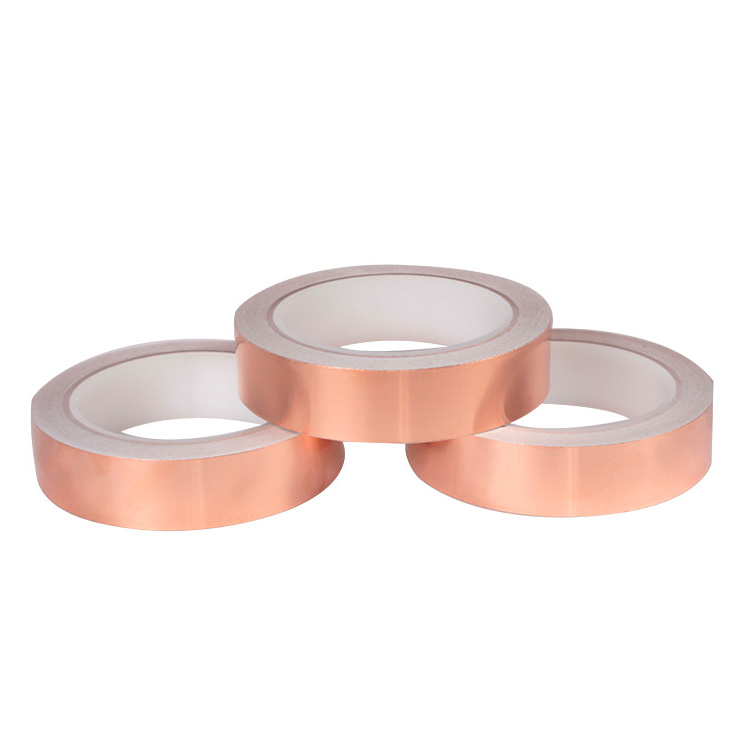
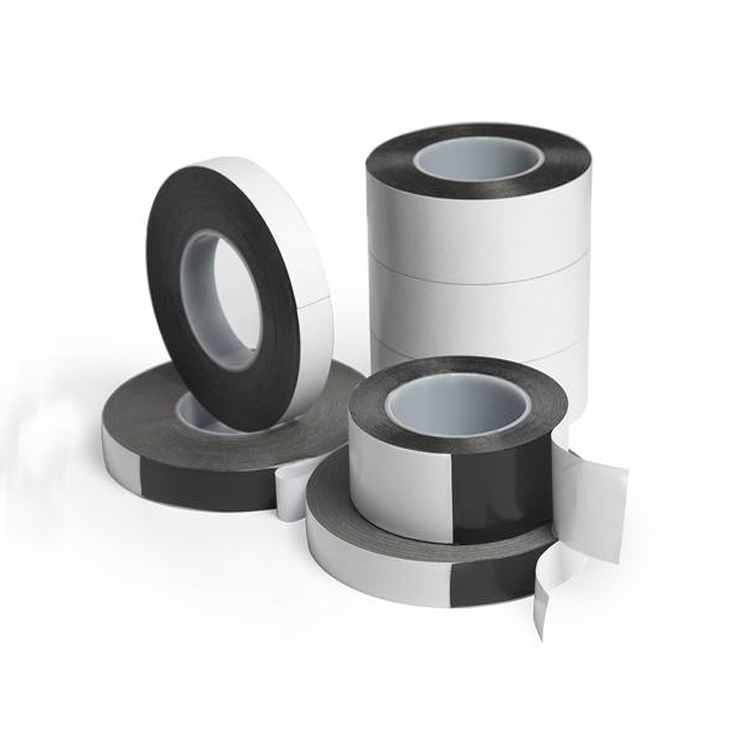
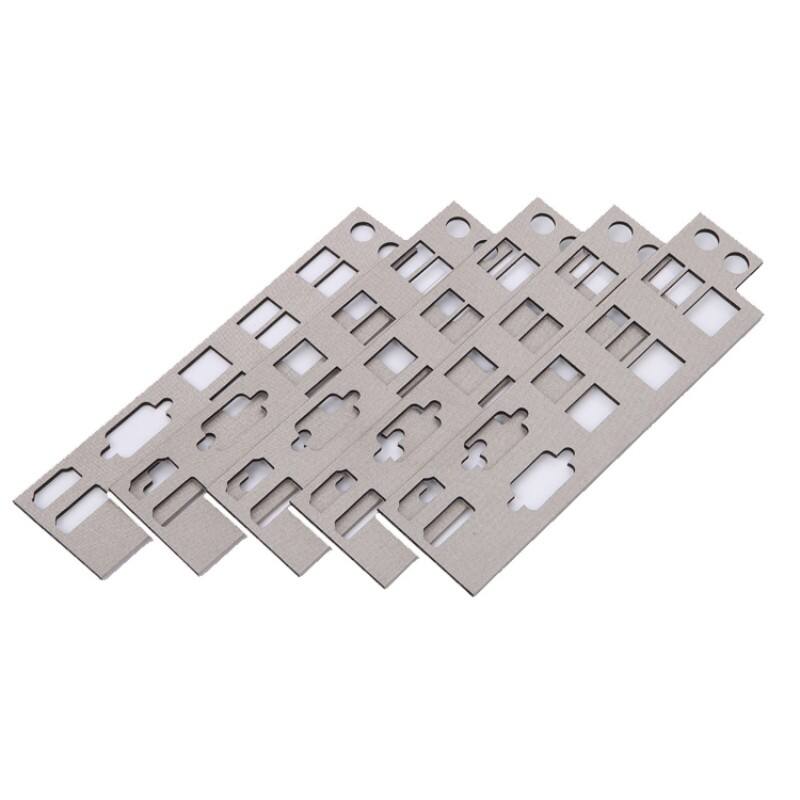
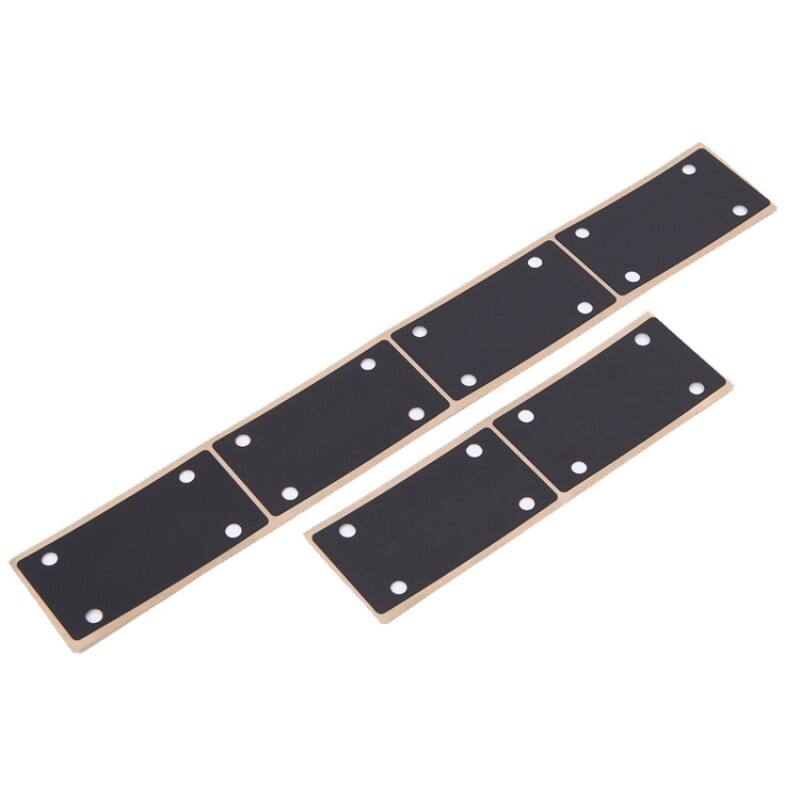
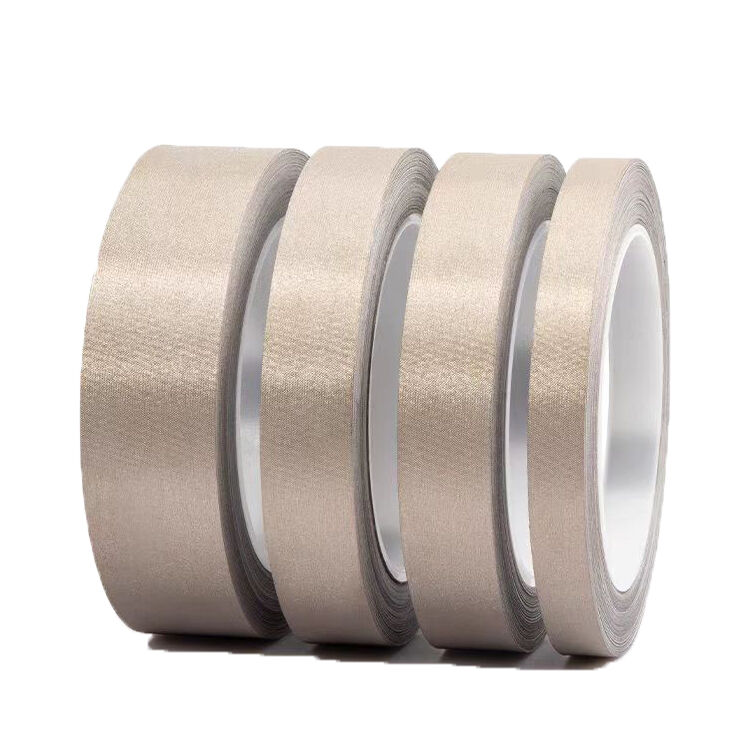
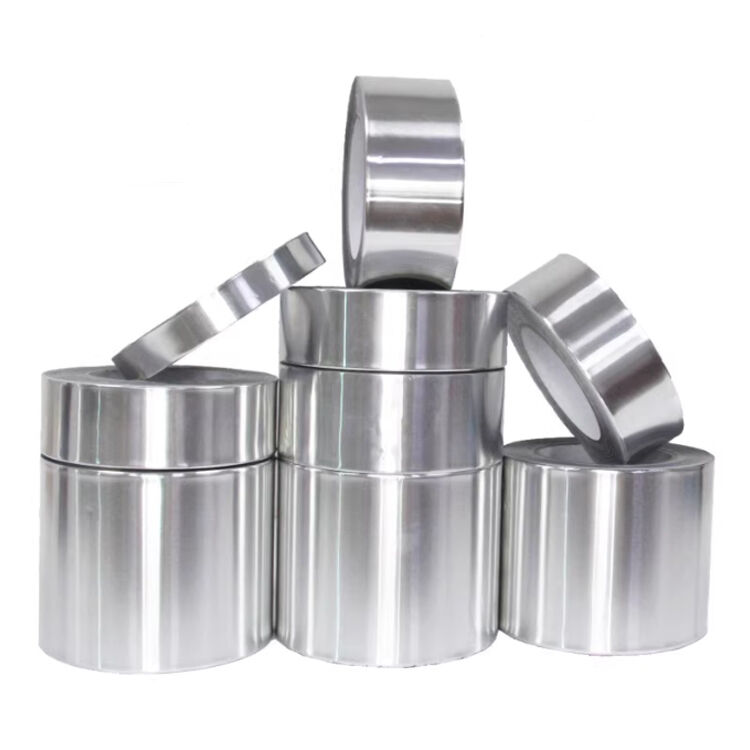
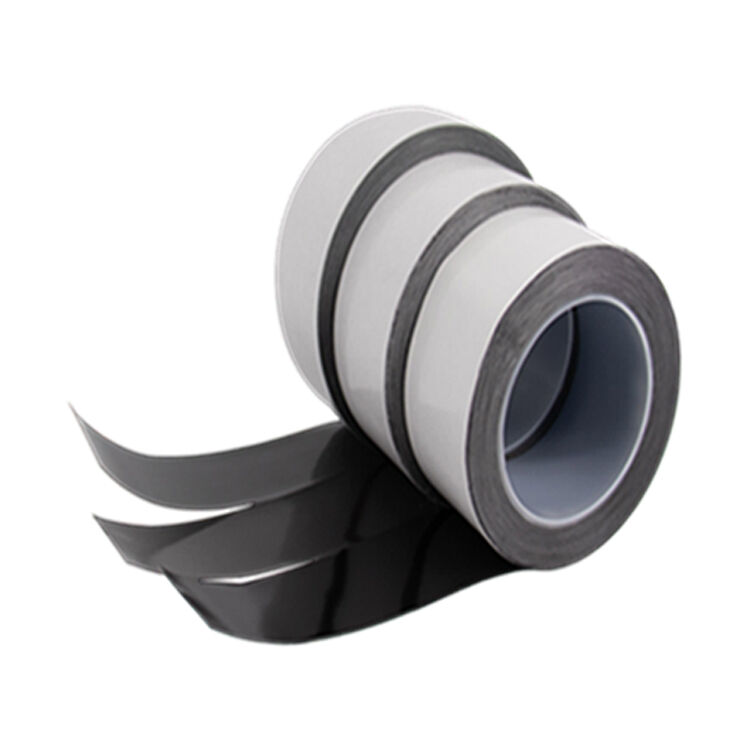
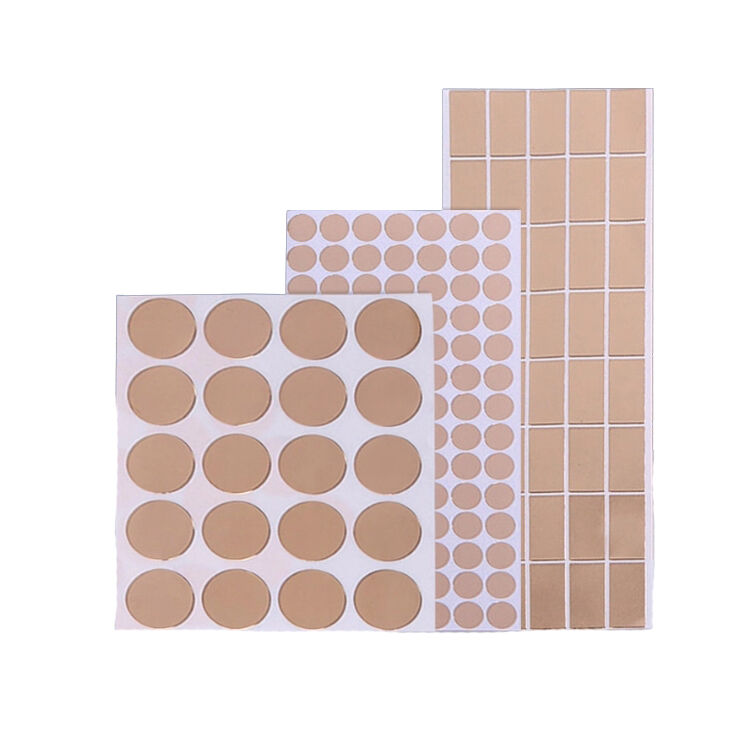
aluminum foil tape for sealing
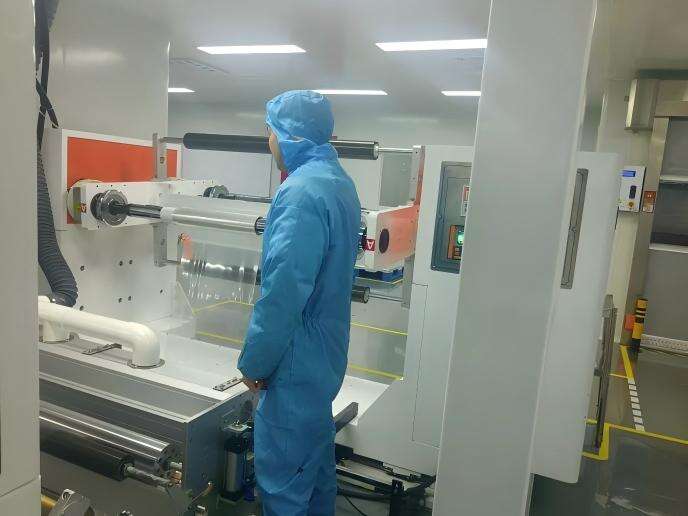
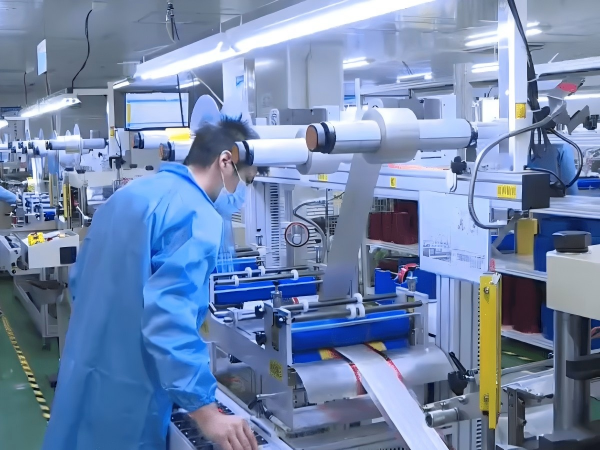
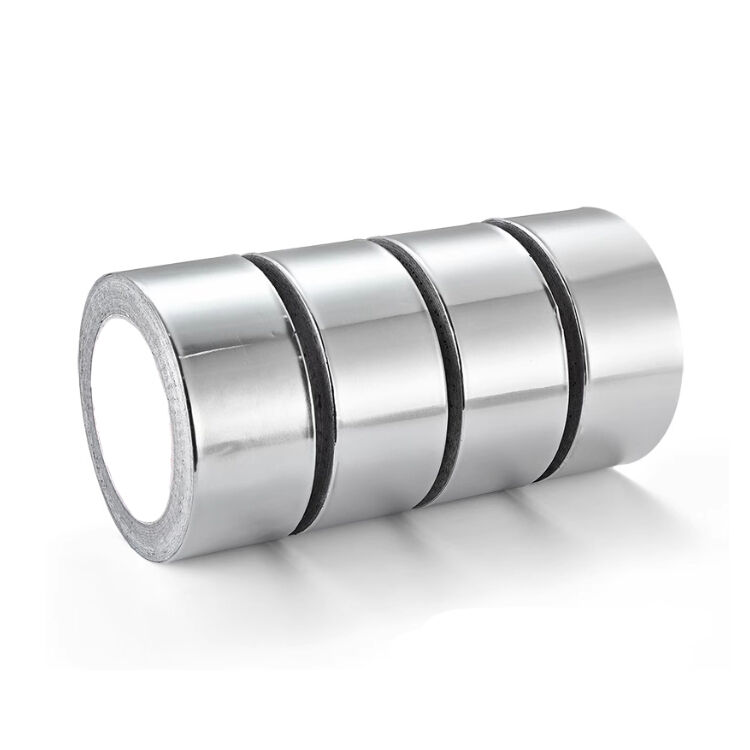
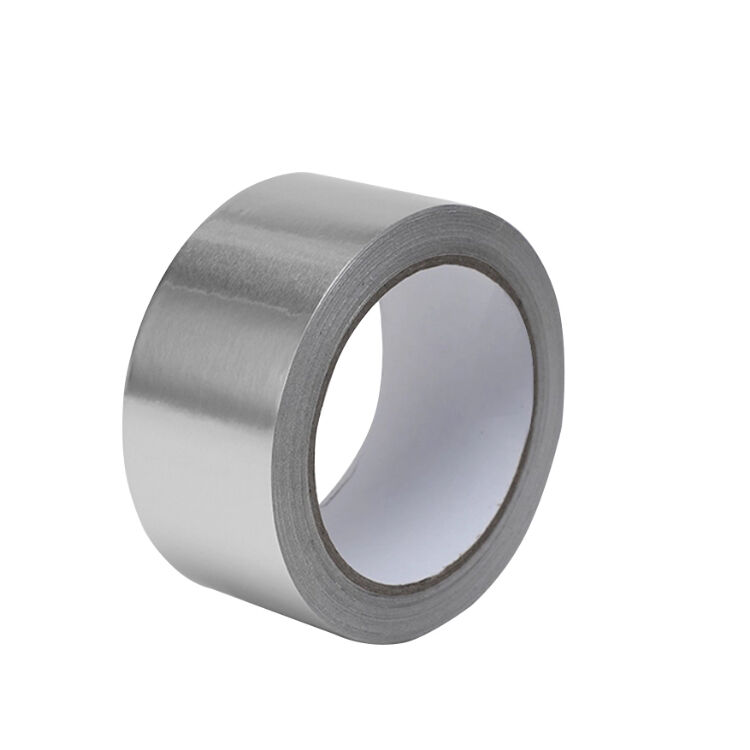
Aluminum foil tape for sealing represents a versatile adhesive solution engineered for demanding industrial and residential applications. This specialized tape combines the inherent properties of aluminum foil with high-performance adhesive technology to create an effective barrier against moisture, heat, chemicals, and electromagnetic interference. The aluminum foil tape for sealing consists of a thin aluminum backing material laminated with a pressure-sensitive adhesive that bonds strongly to various substrates including metal, plastic, glass, and painted surfaces. The manufacturing process involves precise coating techniques that ensure uniform adhesive distribution across the foil surface, creating consistent bonding characteristics throughout the tape length. Modern aluminum foil tape for sealing incorporates advanced metallization processes that enhance the aluminum layer's reflective properties while maintaining flexibility and conformability. The tape typically features thickness measurements ranging from 2 to 10 mils, with the aluminum component providing structural integrity and barrier properties. Key technological features include excellent thermal conductivity, superior moisture resistance, and outstanding chemical compatibility with most industrial environments. The adhesive system employed in aluminum foil tape for sealing utilizes acrylic or rubber-based formulations designed to maintain bond strength across wide temperature ranges, typically from -40°F to 250°F. Applications span numerous industries including HVAC systems, automotive manufacturing, aerospace components, electrical equipment, and construction projects. In HVAC installations, aluminum foil tape for sealing serves as ductwork connector, preventing air leakage and maintaining system efficiency. Automotive applications utilize this tape for heat shielding, vibration damping, and electromagnetic compatibility solutions. The construction industry relies on aluminum foil tape for sealing vapor barriers, insulation joints, and weatherproofing applications where moisture exclusion remains critical for building performance and longevity.


 EN
EN