
 EN
EN
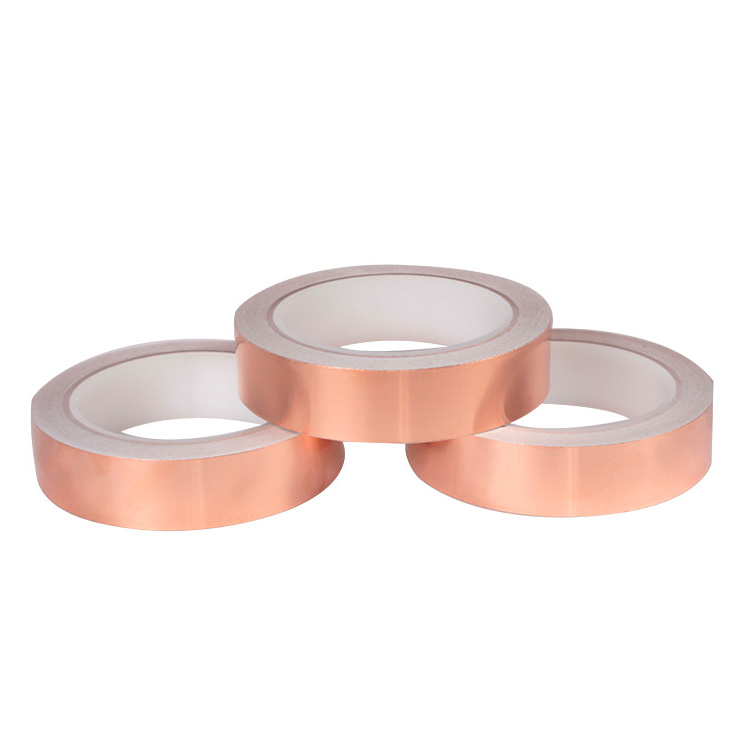
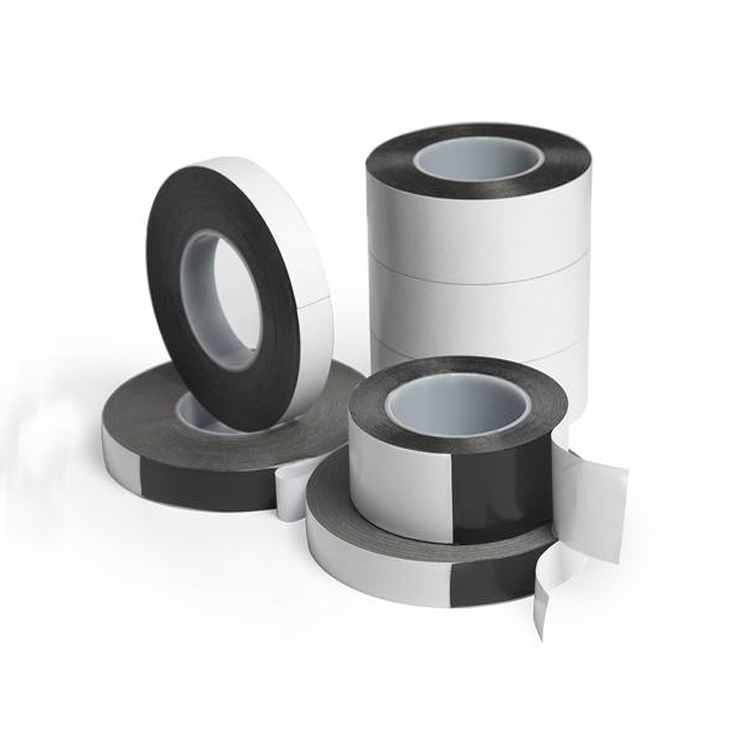
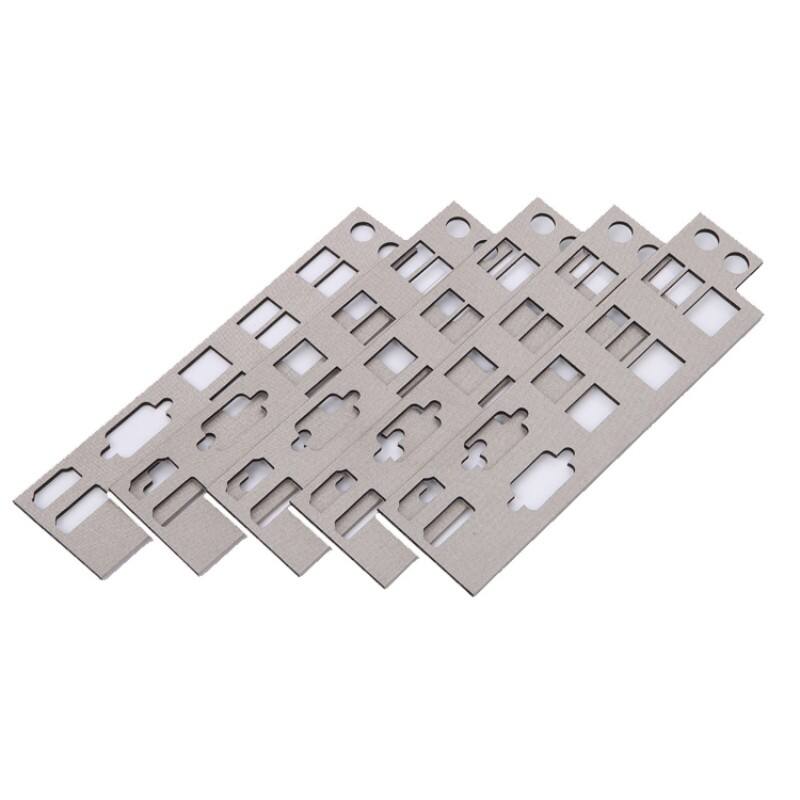
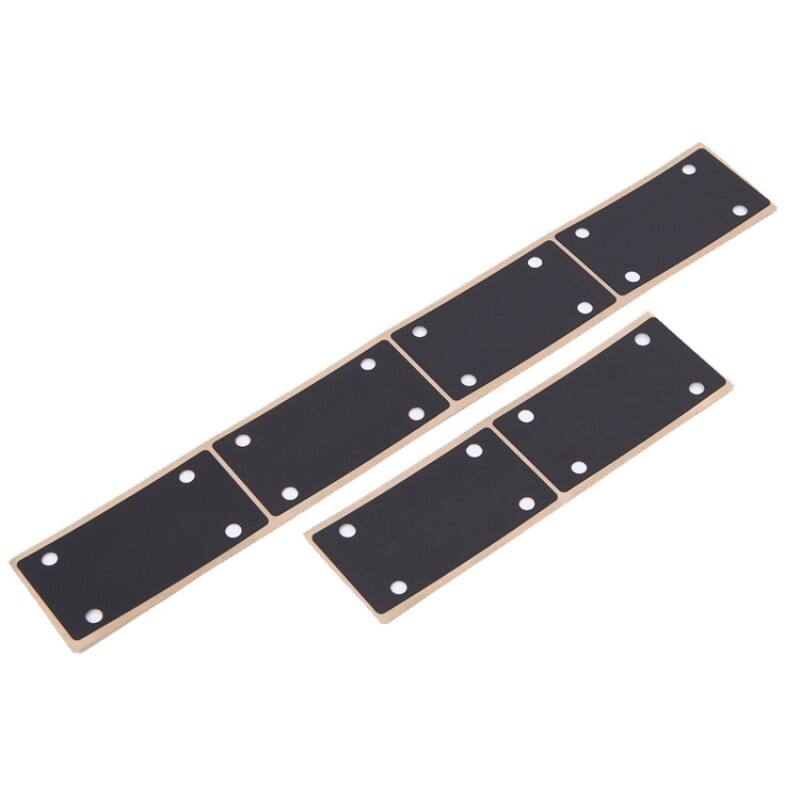
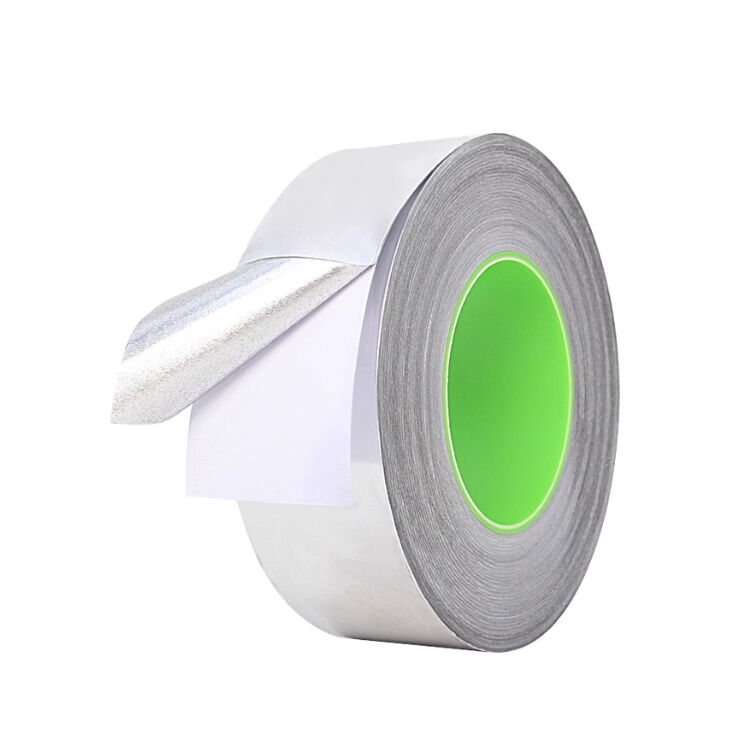
La selezione della guarnizione EMI appropriata per ambienti industriali ad alta temperatura richiede un'attenta valutazione della stabilità termica, dell'efficacia della schermatura elettromagnetica e della resistenza meccanica. Gli impianti industriali che utilizzano forni, apparecchiature per la generazione di energia, linee di produzione automobilistica e sistemi aerospaziali devono affrontare sfide specifiche, nelle quali la soppressione delle interferenze elettromagnetiche e la resistenza al calore estremo devono coesistere. Una scelta inadeguata della guarnizione EMI può causare un precoce degrado del materiale, una riduzione delle prestazioni di schermatura e costosi guasti degli equipaggiamenti. Comprendere l’interazione tra soglie di temperatura, composizione del materiale, caratteristiche di compressione e condizioni ambientali di installazione costituisce la base per una corretta specifica delle guarnizioni EMI in condizioni termiche gravose.
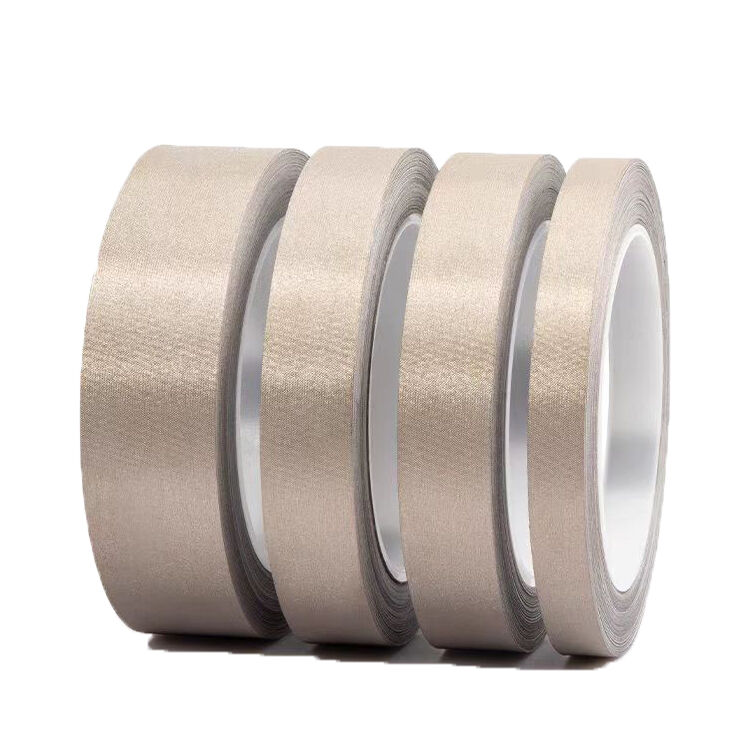
Le applicazioni industriali ad alta temperatura richiedono guarnizioni EMI progettate con materiali specializzati che mantengano la continuità elettromagnetica resistendo a un’esposizione termica prolungata senza subire variazioni dimensionali, fuoriuscite di gas (outgassing) o perdita di resilienza. Il processo di selezione prevede l’abbinamento dei materiali di base delle guarnizioni, delle tecnologie di riempitivi conduttivi, dei sistemi adesivi e delle geometrie di progettazione a specifiche fasce di temperatura, ai requisiti di attenuazione in frequenza e alle configurazioni degli involucri. Questa guida completa esamina i fattori decisionali critici, i principi della scienza dei materiali, i criteri di prova delle prestazioni e le strategie pratiche di implementazione necessarie per specificare guarnizioni EMI in grado di garantire una schermatura affidabile in ambienti industriali caratterizzati da temperature elevate.
Comprensione dei requisiti prestazionali legati alla temperatura per le guarnizioni EMI
Definizione delle soglie di alta temperatura nei contesti industriali
Gli ambienti industriali ad alta temperatura coprono un ampio spettro operativo che influenza in modo significativo la scelta dei materiali per guarnizioni EMI. Le applicazioni che operano tra 125 °C e 200 °C rientrano nella categoria delle temperature moderatamente elevate, comune nell’elettronica automobilistica, nei controlli motori industriali e nelle custodie di alimentatori. Gli ambienti con temperature superiori a 200 °C fino a 300 °C costituiscono condizioni termiche severe, riscontrabili nell’avionica aerospaziale, nei controllori di forni industriali e nelle apparecchiature per processi metallurgici. Comprendere in quale punto di questo continuum di temperature ricade la propria applicazione influisce direttamente sulla scelta dei materiali per guarnizioni EMI ancora idonei e su quelli che subiranno un degrado accelerato o un completo guasto.
Le specifiche di temperatura per le guarnizioni EMI devono tenere conto sia delle temperature operative continue sia degli sbalzi termici transitori. Molti processi industriali prevedono riscaldamenti ciclici, nei quali le apparecchiature subiscono ripetuti cicli di espansione e contrazione termica. Una guarnizione EMI classificata per un funzionamento continuo a 150 °C potrebbe guastarsi prematuramente se sottoposta a frequenti cicli termici tra la temperatura ambiente e temperature elevate, a causa della fatica meccanica. Lo squilibrio del coefficiente di espansione termica tra il materiale della guarnizione e il substrato dell’involucro genera concentrazioni di tensione che, nel tempo, compromettono sia l’integrità meccanica sia la continuità elettrica.
Oltre i limiti assoluti di temperatura, la durata dell'esposizione termica influisce in modo fondamentale sulla longevità delle prestazioni delle guarnizioni EMI. Escursioni termiche di breve durata durante l'avviamento dell'apparecchiatura o in condizioni di guasto possono essere tollerabili anche quando le temperature di picco superano la classificazione continua della guarnizione. Al contrario, un'esposizione prolungata a temperature prossime al limite termico del materiale accelera l'ossidazione, la scissione delle catene polimeriche e la migrazione dei riempitivi conduttivi. La definizione di profili termici realistici, che tengano conto delle temperature massime, delle temperature operative medie, dei tempi di permanenza e delle frequenze di ciclo, costituisce la base per una corretta selezione del materiale della guarnizione EMI e per una previsione accurata della vita utile attesa.
Stabilità della schermatura elettromagnetica sotto sollecitazione termica
La funzione principale di qualsiasi guarnizione EMI consiste nel creare una schermatura elettromagnetica continua lungo le giunzioni delle custodie e i giunti tra i pannelli. L'esposizione a temperature elevate mette alla prova questa prestazione fondamentale attraverso diversi meccanismi di degradazione. I rivestimenti conduttivi o le particelle metalliche incorporate, che garantiscono l'efficacia dello schermo, possono migrare all'interno della matrice polimerica a temperature elevate, generando microfessure che riducono la conducibilità superficiale. Questo fenomeno diventa particolarmente problematico nelle guarnizioni EMI che utilizzano substrati placcati in argento o elastomeri riempiti con nichel quando operano vicino ai loro limiti di stabilità termica.
Le misurazioni dell'efficacia dello schermo, generalmente effettuate a temperatura ambiente, potrebbero non prevedere con precisione le prestazioni nelle effettive condizioni operative. Un Guarnizione EMI dimostrare un'attenuazione di 80 dB a 25 °C potrebbe comportare una prestazione ridotta a soli 60 dB a 175 °C a causa dell'espansione termica che riduce la pressione di contatto, dell'ossidazione delle superfici conduttive o dell'instabilità dimensionale che genera interstizi d'aria. La specifica di guarnizioni EMI per applicazioni ad alta temperatura richiede prove di validazione effettuate alle effettive temperature di funzionamento su tutto lo spettro di frequenze rilevante, al fine di garantire la conformità ai requisiti di compatibilità elettromagnetica nell'intero campo operativo dell'apparecchiatura.
La natura della schermatura elettromagnetica dipendente dalla frequenza aggiunge un ulteriore livello di complessità negli ambienti termici. I campi magnetici a bassa frequenza richiedono meccanismi di schermatura diversi rispetto alle onde piane ad alta frequenza, e gli effetti termici possono influenzare tali meccanismi in modo differenziato. Le guarnizioni in tessuto conduttivo, che mantengono l’integrità del contatto fisico, spesso conservano meglio la schermatura a bassa frequenza sotto sollecitazione termica rispetto ai design basati su schiuma, che potrebbero subire un’alterazione per compressione permanente. Comprendere le specifiche fasce di frequenza che richiedono attenuazione e il modo in cui l’esposizione termica influenza i meccanismi di schermatura all’interno di tali fasce garantisce una corretta selezione della tecnologia delle guarnizioni EMI.
Mantenimento delle proprietà meccaniche a temperature elevate
Le caratteristiche prestazionali meccaniche definiscono in che misura una guarnizione EMI mantiene la pressione di contatto e la continuità di tenuta attraverso le interfacce di giunzione sotto carichi operativi e condizioni termiche. La forza di compressione per deflessione, nota anche come resistenza al ritiro per compressione, misura la capacità della guarnizione di mantenere un recupero elastico dopo una compressione prolungata a temperature elevate. Le guarnizioni EMI che subiscono un significativo ritiro per compressione perdono progressivamente la pressione di contatto, causando una continuità elettrica intermittente e una riduzione dell’efficacia di schermatura. Le guarnizioni EMI in silicone ad alta temperatura e in fluorosilicone presentano generalmente una resistenza al ritiro per compressione superiore rispetto agli elastomeri convenzionali quando sottoposte a sollecitazioni termiche prolungate.
Anche le proprietà di resistenza a trazione e allungamento si degradano con l'esposizione termica, influenzando la capacità della guarnizione EMI di adattarsi a superfici irregolari e di compensare le tolleranze dell'involucro. I materiali che mantengono un'adeguata flessibilità e conformabilità a temperature elevate garantiscono un contatto elettrico costante, nonostante imperfezioni superficiali o lievi disallineamenti nei componenti accoppiati. La temperatura di transizione vetrosa delle guarnizioni EMI a base polimerica rappresenta una soglia critica alla quale i materiali passano da un comportamento flessibile a uno rigido, riducendo drasticamente la loro efficacia nel mantenere un contatto continuo attraverso le interfacce di giunzione.
La resistenza adesiva rappresenta un ulteriore fattore meccanico da considerare per le guarnizioni EMI in ambienti termici. Gli adesivi a pressione comunemente utilizzati per fissare le guarnizioni alle superfici dell’involucro spesso perdono tack e resistenza al distacco a temperature superiori a 100–150 °C, a seconda della formulazione. Gli adesivi acrilici ad alte temperature o i sistemi a base di silicone offrono una stabilità termica superiore, ma potrebbero richiedere una preparazione della superficie o l’applicazione di un primer per garantire un’adeguata resistenza adesiva. I metodi di fissaggio meccanico, come clip o elementi di fissaggio, costituiscono alternative che eliminano i limiti termici degli adesivi, ma introducono una maggiore complessità di installazione e potenziali problemi di corrosione galvanica alle interfacce tra metalli dissimili.
Criteri di selezione dei materiali per la stabilità termica e le prestazioni EMI
Opzioni di materiale di supporto e relative capacità termiche
Il materiale del substrato che costituisce la struttura di base di una guarnizione EMI ne determina fondamentalmente la temperatura massima di esercizio e il comportamento meccanico sotto sollecitazione termica. I substrati in gomma siliconica dominano le applicazioni di guarnizioni EMI ad alta temperatura grazie alla loro eccezionale stabilità termica, mantenendo flessibilità e resilienza su un intervallo di temperatura compreso tra -60 °C e +200 °C nelle formulazioni standard. Le varianti in fluorosilicone estendono questa capacità fino a 225 °C, offrendo nel contempo una resistenza migliorata a carburanti, oli e sostanze chimiche aggressive comuni negli ambienti industriali. La resistenza intrinseca all’ossidazione dei polimeri siliconici previene il degrado fragile che colpisce gli elastomeri organici convenzionali a temperature elevate.
I substrati in tessuto di poliestere rivestiti con materiali conduttivi offrono un’ulteriore soluzione per guarnizioni EMI ad alta temperatura, particolarmente adatta per applicazioni che richiedono profili ultra-sottili e una conformabilità eccezionale. Il poliestere tessuto mantiene la stabilità dimensionale fino a circa 150 °C e fornisce un supporto meccanicamente robusto per rivestimenti metallici o per particelle conduttive incorporate. Queste guarnizioni EMI basate su tessuto eccellono in applicazioni con geometrie complesse, giochi di tolleranza ridotti o esigenze di forza di compressione minima. La struttura del tessuto distribuisce uniformemente lo sforzo meccanico, riducendo la probabilità di guasti localizzati in condizioni di cicli termici.
I materiali fluoropolimerici, tra cui il PTFE e il FEP, rappresentano la categoria di prestazioni termiche più elevata per le guarnizioni EMI, resistendo a temperature operative continue superiori a 260 °C senza degradazione. Tuttavia, i fluoropolimeri presentano sfide nelle applicazioni di schermatura elettromagnetica a causa delle loro proprietà intrinsecamente isolanti e della bassa energia superficiale, che rende difficoltosa l’adesione dei rivestimenti conduttivi. Le guarnizioni EMI che utilizzano substrati in fluoropolimero incorporano tipicamente una rete metallica integrata o un rinforzo in filo intrecciato per ottenere l’efficacia di schermatura necessaria. Questi design sacrificano uno spessore maggiore e una minore flessibilità in cambio di un’eccezionale capacità termica nelle applicazioni a temperature estreme.
Tecnologie di riempitivi conduttivi per lo schermatura ad alta temperatura
Il componente conduttivo che fornisce schermatura elettromagnetica in una guarnizione EMI deve mantenere la continuità elettrica e la conducibilità superficiale durante l’esposizione termica, senza subire migrazione, ossidazione o perdita di efficienza di contatto. I riempitivi di grafite rivestiti in nichel dispersi all’interno di matrici elastomeriche offrono un’eccellente stabilità termica fino a 200 °C, garantendo al contempo prestazioni di schermatura economicamente vantaggiose per requisiti di attenuazione moderati. Il rivestimento in nichel protegge il nucleo di grafite dall’ossidazione, mentre la geometria delle particelle crea multipli percorsi conduttivi che rimangono efficaci anche qualora le singole particelle subiscano un leggero spostamento a temperature elevate.
Le particelle di rame argentato e d'argento rappresentano opzioni premium di riempitivo conduttivo per guarnizioni EMI che richiedono la massima efficacia di schermatura in applicazioni ad alta temperatura. L'argento presenta una conducibilità elettrica superiore e una maggiore resistenza all'ossidazione rispetto ad altri metalli, mantenendo una bassa resistenza di contatto anche a temperature elevate. Tuttavia, la migrazione dell'argento attraverso le matrici polimeriche a temperature superiori a 150 °C può generare preoccupazioni in termini di affidabilità nelle applicazioni a lungo termine. Le guarnizioni EMI destinate a un'esposizione prolungata ad alte temperature utilizzano spesso scaglie di alluminio rivestite con argento o particelle di nichel placcate con argento, che offrono un buon compromesso tra conducibilità, stabilità termica e considerazioni economiche.
Le strutture in tessuto conduttivo che incorporano fili metallici intrecciati o fibre tessili metalliche offrono soluzioni intrinsecamente stabili per guarnizioni EMI in ambienti ad alta temperatura. I fili in acciaio inossidabile o monel intrecciati nelle strutture tessili mantengono la continuità elettrica tramite contatto meccanico, anziché tramite conduzione particella-a-particella, eliminando così i problemi legati alla migrazione del riempitivo o alla degradazione termica della conducibilità. Queste guarnizioni EMI dimostrano prestazioni di schermatura costanti su ampie gamme di temperatura, ma richiedono una forza di compressione adeguata per garantire un contatto affidabile metallo-su-metallo in tutti i punti di interfaccia. La struttura tessile offre inoltre un’eccellente resilienza per applicazioni soggette a cicli termici ripetuti o a vibrazioni meccaniche.
Compatibilità del sistema adesivo con gli ambienti termici
Lo strato adesivo che fissa una guarnizione EMI alle superfici dell'involucro deve mantenere l'integrità del fissaggio sull'intero intervallo di temperatura operativa, evitando al contempo il rilascio di gas (outgassing) che potrebbe contaminare componenti elettronici sensibili o generare residui conduttivi. Gli adesivi acrilici standard a base di pressione presentano generalmente un limite superiore di temperatura compreso tra 120 °C e 150 °C, a seconda della formulazione; oltre tale soglia, perdono la capacità adesiva, si ammorbidiscono eccessivamente o subiscono il trasferimento dell'adesivo sulle superfici di accoppiamento. Sistemi acrilici ad alte prestazioni, specificamente formulati per garantire stabilità termica, estendono questo intervallo fino a circa 180 °C grazie al reticolamento polimerico e all'aggiunta di cariche che migliorano la stabilità dimensionale.
Gli adesivi in silicone offrono la più ampia gamma di resistenza termica per il fissaggio delle guarnizioni EMI, mantenendo l’adesione e la resistenza coesiva da -60 °C a oltre 260 °C nelle formulazioni premium. Tuttavia, gli adesivi in silicone richiedono generalmente una polimerizzazione termica o una vulcanizzazione prolungata a temperatura ambiente per raggiungere la massima resistenza di incollaggio, complicando i processi produttivi rispetto ai sistemi a pressione sensibili immediatamente tacky. L’elevata affidabilità a lungo termine delle guarnizioni EMI incollate con silicone in applicazioni ad alta temperatura compensa questa complessità di installazione nelle applicazioni critiche, dove un eventuale cedimento dell’adesivo comprometterebbe sia la schermatura elettromagnetica sia l’integrità dell’apparecchiatura.
I metodi alternativi di fissaggio eliminano completamente le limitazioni termiche degli adesivi, introducendo però diverse considerazioni progettuali. Le guarnizioni EMI trattenute meccanicamente mediante clip, guide o montaggio a compressione evitano i problemi di degrado termico, ma richiedono caratteristiche specifiche nel design dell’involucro per ospitare gli elementi di ritenzione. Le formulazioni adesive conduttive contenenti particelle metalliche assolvono sia la funzione di incollaggio sia quella di percorsi aggiuntivi di messa a terra, ma devono essere valutate in termini di stabilità termica e di potenziale rischio di cortocircuiti o di loop di terra indesiderati. La scelta tra guarnizioni EMI con supporto adesivo e guarnizioni EMI trattenute meccanicamente bilancia comodità di installazione, requisiti prestazionali termici e vincoli specifici del design dell’involucro.
Valutazione dei fattori di compatibilità ambientale e chimica
Resistenza all’ossidazione e considerazioni sull’esposizione atmosferica
Gli ambienti industriali ad alta temperatura spesso comportano condizioni atmosferiche che accelerano il degrado delle guarnizioni EMI oltre agli effetti puramente termici. La disponibilità di ossigeno a temperature elevate favorisce la scissione ossidativa delle catene nei substrati polimerici, l’indurimento degli elastomeri e la formazione di strati ossidici isolanti sulle superfici conduttive. Le guarnizioni EMI che operano in ambienti aperti ad alta temperatura presentano caratteristiche di invecchiamento significativamente diverse rispetto a materiali identici impiegati in condizioni sigillate e povere di ossigeno. I substrati in silicone e fluorosilicone mostrano una resistenza all’ossidazione superiore rispetto alle gomme organiche, mantenendo le proprietà meccaniche e la conducibilità elettrica in atmosfere ossidanti a temperature elevate.
I trattamenti superficiali conduttivi sui guarnizioni EMI richiedono una valutazione della suscettibilità all'ossidazione nelle effettive condizioni di funzionamento. I rivestimenti conduttivi in rame e alluminio non protetti formano rapidamente strati ossidici isolanti a temperature superiori a 100 °C in ambienti atmosferici, riducendo drasticamente l'efficacia della schermatura. I rivestimenti in nichel e argento offrono intrinsecamente una maggiore resistenza all'ossidazione, mentre le placcature in metalli nobili, come l'oro, garantiscono la massima protezione a un costo premium. Lo spessore e l'integrità dei rivestimenti metallici protettivi influenzano direttamente la resistenza all'ossidazione: strati sottili ottenuti mediante sputtering offrono una minore protezione rispetto a rivestimenti più spessi realizzati con elettrodeposizione o proiezione a fiamma.
L'interazione tra umidità e alte temperature crea condizioni particolarmente aggressive per i materiali delle guarnizioni EMI, attraverso meccanismi di idrolisi e corrosione accelerata. Il vapore acqueo che penetra nelle matrici polimeriche può catalizzare le reazioni di degradazione del polimero a temperature elevate, contemporaneamente promuovendo la corrosione galvanica alle interfacce dei riempitivi conduttivi. Le guarnizioni EMI destinate ad ambienti industriali ad alta temperatura con elevata umidità devono incorporare materiali di substrato idrofobici, come i fluorosiliconi, e utilizzare riempitivi conduttivi resistenti alla corrosione, quali grafite rivestita in nichel o fibre di acciaio inossidabile. Comprendere l’intero profilo di esposizione ambientale — compresi temperatura, umidità e composizione atmosferica — garantisce una selezione realistica dei materiali per le guarnizioni EMI e una previsione accurata della loro durata operativa.
Requisiti di resistenza chimica negli ambienti industriali
Molte applicazioni industriali ad alta temperatura prevedono l'esposizione a oli, solventi, agenti detergenti o prodotti chimici di processo che possono degradare i materiali delle guarnizioni EMI indipendentemente dagli effetti termici. Negli ambienti di produzione automobilistica, le guarnizioni EMI sono comunemente esposte a fluidi idraulici, oli da taglio e detergenti a base di solventi a temperature elevate. I substrati in fluorosilicone offrono una resistenza superiore ai fluidi a base di petrolio rispetto ai siliconi standard, mantenendo al contempo un'elevata resistenza alle alte temperature. Le guarnizioni EMI per apparecchiature destinate alla lavorazione chimica potrebbero richiedere substrati in fluoropolimero, come Viton o PTFE, in grado di resistere ad acidi, basi e solventi organici aggressivi a temperature elevate.
La compatibilità tra i materiali delle guarnizioni EMI e le finiture superficiali dell'involucro o i processi di pulizia richiede una valutazione per prevenire degradazioni impreviste o fallimenti dell'adesione. I rivestimenti di conversione cromata, l'alluminio anodizzato e le superfici verniciate a polvere presentano ciascuno ambienti chimici diversi che interagiscono con i substrati delle guarnizioni e con i sistemi adesivi. Protocolli di pulizia aggressivi che impiegano detergenti alcalini o solventi forti possono attaccare i materiali delle guarnizioni, indebolire i legami adesivi o rimuovere i rivestimenti conduttivi. La specifica di guarnizioni EMI per applicazioni industriali ad alta temperatura richiede la comprensione completa del profilo di esposizione chimica, inclusi i prodotti chimici utilizzati per la preparazione della superficie, i fluidi operativi del processo e gli agenti di pulizia per la manutenzione.
Le caratteristiche di degassificazione dei materiali per guarnizioni EMI diventano critiche in ambienti chiusi ad alta temperatura, dove i composti volatilizzati possono condensarsi su componenti elettronici o ottici sensibili. I siliconi a basso peso molecolare e i solventi residui delle formulazioni adesive si volatilizzano facilmente a temperature elevate, potenzialmente causando contaminazione dei contatti o malfunzionamenti per tracciamento superficiale sugli isolanti. Le guarnizioni EMI destinate ad applicazioni elettroniche in ambienti chiusi ad alta temperatura devono impiegare formulazioni a bassa degassificazione, validate mediante analisi termogravimetrica e prove di materiale condensabile volatile. Comprendere la relazione tra temperatura di funzionamento, caratteristiche di ventilazione dell’involucro e comportamento di degassificazione della guarnizione garantisce la compatibilità con i componenti interni sensibili.
Sicurezza antincendio e considerazioni sulla infiammabilità
Le attrezzature industriali che operano a temperature elevate devono spesso rispettare i regolamenti sulla sicurezza antincendio, che impongono limiti di infiammabilità sui materiali interni, inclusi i guarnizioni EMI. Il collaudo standard UL 94 classifica l’infiammabilità dei materiali da V-0 (massima resistenza alla fiamma) fino a V-2 e HB, in base al comportamento durante la combustione, alla propagazione della fiamma e alle caratteristiche di gocciolamento. Molte guarnizioni EMI a base di silicone raggiungono naturalmente la classe V-0 senza l’aggiunta di ritardanti di fiamma, grazie alla formazione di una cenere di silice isolante durante la combustione, che spegne autonomamente le fiamme. Tuttavia, gli additivi conduttivi e gli strati adesivi possono compromettere le classificazioni di infiammabilità, rendendo necessario il collaudo dell’intera guarnizione assemblata, anziché basarsi esclusivamente sulla classificazione del materiale di supporto.
I ritardanti di fiamma alogeni comunemente utilizzati nei materiali elettronici sono soggetti a restrizioni normative sempre più stringenti a causa dei rischi per l'ambiente e la salute. Le guarnizioni EMI per applicazioni ad alta temperatura impiegano in misura crescente sistemi ritardanti di fiamma privi di alogeni, basati su composti fosforici, idrossido di alluminio o polimeri intrinsecamente resistenti alla fiamma, come il polieterimmide. L’interazione tra gli additivi ritardanti di fiamma e le cariche conduttive richiede una formulazione accurata per evitare di compromettere sia le prestazioni di sicurezza antincendio sia l’efficacia della schermatura elettromagnetica. Le guarnizioni EMI che soddisfano contemporaneamente i requisiti di funzionamento ad alta temperatura e quelli di infiammabilità rigorosi spesso presentano un prezzo premium, a causa dello sviluppo specializzato della formulazione richiesto.
La prova dell'indice di ossigeno limite (LOI) fornisce una caratterizzazione aggiuntiva del comportamento al fuoco delle guarnizioni EMI misurando la concentrazione minima di ossigeno necessaria per sostenere la combustione. I materiali con valori LOI superiori al 28% dimostrano una resistenza superiore alle fiamme e un ridotto potenziale di propagazione dell’incendio negli equipaggiamenti chiusi. Le guarnizioni EMI ad alta temperatura per applicazioni aerospaziali richiedono generalmente la conformità agli standard di infiammabilità FAR 25.853, inclusi i test di combustione verticale e i limiti di velocità di rilascio di calore. Comprendere le specifiche normative in materia di sicurezza antincendio applicabili alla propria applicazione industriale garantisce che la selezione delle guarnizioni EMI includa prestazioni di infiammabilità adeguate, evitando di riscontrare problemi di conformità solo durante i test finali di certificazione del prodotto.
Prove di prestazione e validazione per applicazioni ad alta temperatura
Protocolli di invecchiamento accelerato e prove di ciclatura termica
La validazione delle prestazioni della guarnizione EMI per applicazioni industriali ad alta temperatura richiede protocolli di prova completi che simulino le effettive condizioni operative e accelerino i meccanismi di invecchiamento per prevedere l'affidabilità a lungo termine. La prova di invecchiamento termico prevede l'esposizione di campioni di guarnizione a temperature elevate per periodi prolungati, tipicamente da 500 a 2000 ore, seguita dalla valutazione delle proprietà meccaniche, dell'efficacia di schermatura e della stabilità dimensionale rispetto a campioni di controllo non invecchiati. La relazione di Arrhenius consente di accelerare l'invecchiamento termico eseguendo le prove a temperature superiori rispetto a quelle previste nelle condizioni operative, applicando fattori di correzione matematica per prevedere l'invecchiamento equivalente a temperature di servizio più basse.
I test di ciclatura termica sottopongono le guarnizioni EMI a ripetute escursioni di temperatura tra condizioni ambiente e condizioni elevate, al fine di valutarne la resistenza alla fatica e la stabilità dimensionale sotto sollecitazioni di espansione e contrazione. Protocolli rappresentativi di ciclatura potrebbero prevedere da 100 a 500 cicli tra 25 °C e la temperatura massima di funzionamento, con tempi di permanenza (dwell times) e velocità di transizione appropriate, coerenti con il comportamento effettivo dell’equipaggiamento. La misurazione del cedimento per compressione (compression set) dopo la ciclatura termica fornisce una valutazione quantitativa della capacità della guarnizione di mantenere la pressione di contatto durante l’intero ciclo di vita operativo. L’ispezione visiva volta a rilevare crepe, delaminazione o danneggiamento del rivestimento conduttivo integra le misure meccaniche per identificare modalità di guasto che potrebbero non manifestarsi nei dati dei test di laboratorio.
I test ambientali combinati, che espongono le guarnizioni EMI a temperature elevate e umidità simultanee, accelerano diversi meccanismi di degradazione, tra cui l’idrolisi, l’ossidazione e la corrosione. I test standard di affidabilità automobilistica prevedono spesso un’esposizione a 85 °C / 85% di umidità relativa per 1000 ore come condizione severa di sollecitazione ambientale combinata. Per applicazioni a temperatura più elevata, un’esposizione simile a umidità costante a 125 °C o 150 °C fornisce una validazione più pertinente. La resistenza elettrica misurata periodicamente attraverso le interfacce delle guarnizioni EMI durante l’esposizione ambientale rivela la degradazione dell’integrità del contatto prima che si verifichi un guasto catastrofico, consentendo strategie di manutenzione predittiva o modifiche progettuali volte a migliorare l’affidabilità.
Misurazione dell’efficacia di schermatura alla temperatura di funzionamento
Una caratterizzazione accurata delle prestazioni di schermatura delle guarnizioni EMI richiede prove effettuate alle effettive temperature di funzionamento, anziché ricavare i dati per estrapolazione da misurazioni eseguite a temperatura ambiente. Apposite apparecchiature di prova dotate di elementi riscaldanti consentono la valutazione dell'efficacia dello schermo secondo norme quali MIL-STD-461 o ASTM D4935, mantenendo contemporaneamente temperature elevate rappresentative dell'ambiente applicativo. Le variazioni legate alla temperatura della compressione della guarnizione, della resistenza di contatto e delle proprietà del materiale possono modificare in modo significativo le prestazioni di schermatura, in particolare alle frequenze inferiori a 1 GHz, dove l'integrità del contatto domina i meccanismi di attenuazione.
Le misurazioni in sweep di frequenza da 10 kHz a 18 GHz rivelano come l’esposizione termica influisca sull’efficacia della schermatura sull’intero spettro elettromagnetico rilevante per le apparecchiature industriali. L’attenuazione del campo magnetico a bassa frequenza, particolarmente sensibile alle variazioni della resistenza di contatto, può degradarsi in modo più severo a temperature elevate rispetto alle prestazioni ad alta frequenza, dominate dalle perdite per assorbimento. L’analisi nel dominio del tempo dell’efficacia della schermatura durante i cicli termici fornisce informazioni sulle variazioni transitorie delle prestazioni mentre la guarnizione EMI passa attraverso diversi stati termici, identificando potenziali vulnerabilità in termini di compatibilità elettromagnetica durante le fasi di avvio o di stabilizzazione termica dell’apparecchiatura.
Le misurazioni dell'impedenza di trasferimento superficiale quantificano la resistenza elettrica tra le superfici della guarnizione in condizioni controllate di compressione e temperatura. Questo parametro è direttamente correlato all'efficacia della schermatura e consente il confronto tra diverse costruzioni di guarnizioni EMI in condizioni standardizzate. Il monitoraggio dell'impedenza di trasferimento durante test di invecchiamento termico o cicli termici fornisce un'indicazione precoce di degrado prima che si verifichi un completo fallimento della schermatura. La definizione di valori massimi accettabili di impedenza di trasferimento per applicazioni specifiche orienta la scelta delle guarnizioni EMI e stabilisce gli intervalli di sostituzione nei programmi di manutenzione per apparecchiature industriali critiche ad alta temperatura.
Prove di compressione e resilienza sotto carico termico
Le curve di forza di compressione in funzione della deformazione caratterizzano la risposta meccanica delle guarnizioni EMI sotto carichi applicati, definendo la relazione tra la riduzione dello spessore della guarnizione e la forza di chiusura richiesta. La temperatura influenza in modo significativo tale relazione: la maggior parte dei materiali elastomerici diventa più morbida e richiede una forza minore per ottenere una deformazione equivalente a temperature elevate. La verifica delle caratteristiche di compressione alla temperatura massima di esercizio garantisce che i meccanismi di chiusura dell’involucro forniscano una forza adeguata per mantenere il contatto elettrico, evitando al contempo una sovra-compressione della guarnizione e l’insorgenza di sollecitazioni eccessive sui dispositivi di fissaggio o sui componenti strutturali.
La prova di deformazione permanente misura la deformazione residua dopo una compressione prolungata a temperatura elevata, indicando la capacità della guarnizione di mantenere la pressione di contatto per tutta la sua vita utile. I protocolli di prova standard comprimono la guarnizione EMI fino a una percentuale di deflessione specificata, generalmente compresa tra il 25% e il 50%, quindi la espongono a temperatura elevata per un periodo compreso tra 22 e 70 ore prima di misurarne il recupero dello spessore. I materiali che presentano una deformazione permanente inferiore al 20% in queste condizioni offrono generalmente prestazioni soddisfacenti nel lungo termine per applicazioni di tenuta e schermatura. Le guarnizioni EMI con una deformazione permanente superiore al 40% possono subire un rilassamento della pressione di contatto, causando una continuità elettrica intermittente o una perdita completa dell’efficacia di schermatura.
La prova dinamica di compressione mediante celle di carico strumentate misura il rilassamento della forza nel tempo, quando una guarnizione EMI mantiene una deformazione costante a temperatura elevata. Questo comportamento di rilassamento meccanico rivela come la pressione di contatto diminuisca durante il funzionamento, fornendo una previsione delle prestazioni più significativa rispetto alle semplici misurazioni del cedimento per compressione. Le guarnizioni che mostrano un rapido rilassamento iniziale della forza seguito da un comportamento stabile di plateau generalmente offrono prestazioni superiori rispetto ai materiali che presentano un decadimento continuo della forza per tutta la durata dell’esposizione. Comprendere la risposta meccanica dipendente dal tempo delle guarnizioni EMI candidate, in condizioni termiche e meccaniche realistiche, consente di prevedere con precisione gli intervalli di manutenzione e la vita utile attesa nelle applicazioni industriali ad alta temperatura.
Strategie pratiche per la selezione di guarnizioni EMI ad alta temperatura
Analisi dell’applicazione e definizione dei requisiti
La specifica di successo per le guarnizioni EMI per ambienti industriali ad alta temperatura inizia con un'analisi completa dei requisiti dell'applicazione, inclusi la temperatura massima e media di esercizio, le caratteristiche di ciclaggio termico, l'efficacia di schermatura richiesta nelle fasce di frequenza rilevanti, le esposizioni ambientali e i vincoli meccanici. La creazione di una matrice dettagliata dei requisiti che raccolga questi parametri costituisce la base per una valutazione sistematica delle tecnologie candidate per le guarnizioni. La priorità assegnata ai requisiti in base alla loro criticità consente di identificare quali parametri rappresentino vincoli assoluti e quali siano invece caratteristiche desiderabili che potrebbero essere sacrificate per raggiungere altri obiettivi prestazionali.
La geometria dell'involucro e la configurazione dei giunti influenzano in modo significativo la scelta delle guarnizioni EMI, oltre alle caratteristiche termiche del materiale. Le dimensioni del gioco, la planarità delle superfici, la compressione disponibile dai meccanismi di chiusura e le variazioni di tolleranza incidono tutte sulla tipologia di guarnizioni in grado di garantire in modo affidabile la continuità elettromagnetica. Nelle applicazioni ad alta temperatura spesso si verificano disallineamenti dovuti all’espansione termica tra i materiali dell’involucro, che generano variazioni dinamiche delle dimensioni del gioco durante i cicli termici. Le guarnizioni EMI devono pertanto assorbire tali variazioni dimensionali mantenendo al contempo la pressione di contatto e la continuità elettrica, richiedendo la selezione di materiali con adeguata resilienza e intervallo di compressione, specificamente adatti alla geometria del giunto.
L'ottimizzazione costo-prestazioni bilancia la spesa per i materiali con i requisiti di affidabilità e le potenziali conseguenze di un guasto. I materiali premium per guarnizioni EMI, che offrono la massima capacità termica e prestazioni di schermatura, comportano un sovrapprezzo significativo rispetto alle costruzioni standard. Tuttavia, l'impatto economico causato dall'interferenza elettromagnetica — ad esempio malfunzionamenti o guasti prematuri di apparecchiature in processi industriali critici — giustifica spesso l'investimento in guarnizioni di qualità superiore. Quantificare il costo totale di proprietà, comprensivo del costo del materiale, della manodopera per l'installazione, della durata prevista e delle potenziali conseguenze di un guasto, consente di prendere decisioni di selezione obiettive, anziché basarsi automaticamente sul costo iniziale più basso del materiale.
Prova del prototipo e validazione del progetto
I test su prototipi preliminari con materiali candidati per guarnizioni EMI, effettuati in condizioni operative realistiche, consentono di identificare potenziali problemi prestazionali prima dell’impegno definitivo per la produzione in serie. L’installazione di diverse opzioni di guarnizione su involucri prototipali esposti a reali ambienti termici ed elettromagnetici fornisce dati comparativi sulle prestazioni, impossibili da ottenere esclusivamente dalle schede tecniche dei materiali. La misurazione dell’efficacia di schermatura, della resistenza di contatto e l’ispezione visiva successiva all’esposizione termica rivelano come diverse costruzioni di guarnizione rispondono alla specifica combinazione di sollecitazioni presenti nell’applicazione.
Le installazioni di prova sul campo su attrezzature per la produzione pilota o su sistemi esistenti forniscono una validazione in condizioni operative reali, comprese le vibrazioni meccaniche, i cicli termici, l’esposizione a sostanze chimiche e gli effettivi scenari di interferenza elettromagnetica. Dotare le installazioni di prova di termocoppie per il monitoraggio della temperatura della guarnizione e di misurazioni periodiche dell’efficacia della schermatura durante un funzionamento prolungato consente di acquisire fiducia nella affidabilità a lungo termine della guarnizione EMI selezionata. La documentazione di eventuali anomalie prestazionali o di meccanismi imprevisti di degrado riscontrati durante le prove sul campo permette di apportare miglioramenti progettuali prima dell’implementazione su larga scala nella produzione.
L'analisi dei modi di guasto e dei relativi effetti specifica per l'installazione della guarnizione EMI identifica i potenziali meccanismi di guasto e le loro conseguenze sulle prestazioni del sistema. Valutare cosa accade in caso di degrado della schermatura offerta dalla guarnizione, di cedimento dell'adesivo o di variazioni delle proprietà del materiale oltre i limiti specificati consente di stabilire se siano necessarie misure di tenuta ridondanti o sistemi di monitoraggio. Per applicazioni ad alto impatto potrebbero giustificarsi percorsi ridondanti per la guarnizione oppure circuiti conduttivi di monitoraggio in grado di segnalare quando la resistenza di contatto della guarnizione supera i valori ammissibili. Le informazioni derivanti da un'analisi FMEA strutturata guidano sia la scelta della guarnizione sia i dettagli progettuali dell'involucro, al fine di migliorarne l'affidabilità o fornire un allarme precoce di possibili guasti.
Migliori pratiche per l'installazione e controllo qualità
L'installazione corretta della guarnizione EMI influisce direttamente sulle prestazioni e sull'affidabilità nelle applicazioni ad alta temperatura. La preparazione della superficie, compresi la pulizia, la sgrassatura e la rimozione di rivestimenti sciolto o di prodotti di corrosione, garantisce un legame adesivo ottimale e un contatto elettrico efficace. Superfici conduttive con contaminazione organica, oli o strati ossidati generano un'elevata resistenza di contatto che compromette l'efficacia della schermatura, indipendentemente dalla qualità del materiale della guarnizione. Protocolli standardizzati di preparazione della superficie, documentati nelle procedure di produzione, eliminano le variabilità nella qualità dell'installazione che potrebbero causare prestazioni elettromagnetiche non uniformi tra le unità prodotte.
Il controllo della compressione garantisce che le guarnizioni EMI raggiungano il campo di deflessione necessario per un contatto elettrico affidabile, evitando al contempo una sovra-compressione che potrebbe danneggiare la guarnizione o generare sollecitazioni eccessive sulle strutture dell’involucro. Le specifiche di coppia per i fissaggi utilizzati per chiudere i giunti con guarnizione devono essere definite sulla base del campo di compressione raccomandato dal produttore della guarnizione e della geometria specifica dell’involucro. L’uso di utensili limitatori di coppia o la registrazione dei valori effettivi di coppia durante l’assemblaggio assicurano la tracciabilità e consentono di correlare i parametri di installazione alle prestazioni in campo. Per applicazioni critiche, le misurazioni della resistenza di contatto eseguite dopo l’installazione verificano che sia stata raggiunta una continuità elettrica accettabile prima che l’apparecchiatura entri in servizio.
I programmi di monitoraggio a lungo termine e manutenzione preventiva prolungano la durata operativa delle guarnizioni EMI negli ambienti industriali ad alta temperatura. L'ispezione periodica per evidenziare degradazioni visibili, la misurazione della resistenza di contatto o la sostituzione programmata in base alla storia di esposizione termica prevengono malfunzionamenti imprevisti relativi alla conformità elettromagnetica. Comprendere la durata operativa attesa delle guarnizioni EMI nelle effettive condizioni di funzionamento consente di procedere alla loro sostituzione in modo proattivo durante le manutenzioni programmate, anziché intervenire in risposta a guasti sul campo. La documentazione delle prestazioni delle guarnizioni durante l'intero ciclo di vita dell'equipaggiamento contribuisce a costruire una conoscenza aziendale su quali materiali e design offrano la massima affidabilità, fornendo indicazioni utili per il continuo miglioramento delle strategie di schermatura EMI destinate ad applicazioni industriali ad alta temperatura.
Domande frequenti
Qual è la temperatura massima di funzionamento per le guarnizioni EMI standard?
Le guarnizioni standard per la schermatura EMI basate su elastomeri convenzionali con rivestimenti conduttivi operano tipicamente in continuo fino a temperature comprese tra 100 °C e 125 °C. Le guarnizioni EMI a base di silicone estendono questo intervallo fino a 200 °C, mentre costruzioni specializzate in fluorosilicone e fluoropolimeri possono resistere a temperature superiori a 260 °C. La temperatura massima dipende dal materiale del substrato, dal sistema di riempitivo conduttivo e dalla formulazione dell’adesivo. Verificare sempre le classi di temperatura presso il produttore della guarnizione e considerare un adeguamento (derating) per applicazioni che prevedono cicli termici o requisiti di lunga durata.
In che modo la temperatura influisce sull’efficacia della schermatura delle guarnizioni EMI?
Temperature elevate riducono l'efficacia della schermatura delle guarnizioni EMI attraverso diversi meccanismi, tra cui l'espansione termica che riduce la pressione di contatto, l'ossidazione delle superfici conduttive che aumenta la resistenza di contatto e l'ammorbidimento dei materiali del substrato, che consente la formazione di interstizi. L'entità del degrado delle prestazioni dipende dalla temperatura specifica, dal sistema di materiali e dall'intervallo di frequenze. L'attenuazione dei campi magnetici a bassa frequenza subisce generalmente un degrado più severo rispetto alle prestazioni ad alta frequenza. La verifica dell'efficacia della schermatura alla temperatura effettiva di funzionamento fornisce la caratterizzazione più accurata delle prestazioni per applicazioni critiche.
Le guarnizioni EMI con supporto adesivo possono essere utilizzate in applicazioni ad alta temperatura?
Le guarnizioni EMI con adesivo possono funzionare in applicazioni ad alta temperatura quando il sistema adesivo è specificamente formulato per garantire stabilità termica. Gli adesivi acrilici sensibili alla pressione standard limitano generalmente le applicazioni a una gamma compresa tra 120 °C e 150 °C, mentre gli adesivi acrilici ad alta temperatura estendono tale limite fino a circa 180 °C. Gli adesivi in silicone offrono la più ampia gamma di resistenza termica, fino a 260 °C, ma spesso richiedono una polimerizzazione termica. Per temperature superiori alle capacità dell’adesivo, le soluzioni di guarnizione fissate meccanicamente eliminano i limiti termici, ma richiedono caratteristiche specifiche nella progettazione dell’involucro per il montaggio mediante clip o canale.
Quali prove devono essere eseguite per convalidare la scelta della guarnizione EMI per un utilizzo ad alta temperatura?
I test di validazione completi per le applicazioni di guarnizioni EMI ad alta temperatura devono includere l'invecchiamento termico alla temperatura massima di funzionamento, misurando il mantenimento delle proprietà meccaniche e la stabilità dimensionale; i cicli termici tra temperatura ambiente e temperatura elevata, per valutare il ritorno elastico (compression set) e la resistenza alla fatica; la misurazione dell'efficacia di schermatura alla temperatura di funzionamento su intervalli di frequenza rilevanti; e l'esposizione combinata a fattori ambientali, con umidità o agenti chimici presenti nell'applicazione. I protocolli di test accelerati consentono di prevedere le prestazioni a lungo termine entro tempi ragionevoli di sviluppo, mentre le prove sul campo su apparecchiature reali forniscono la validazione finale in condizioni operative complete.
Table of Contents
- Comprensione dei requisiti prestazionali legati alla temperatura per le guarnizioni EMI
- Criteri di selezione dei materiali per la stabilità termica e le prestazioni EMI
- Valutazione dei fattori di compatibilità ambientale e chimica
- Prove di prestazione e validazione per applicazioni ad alta temperatura
- Strategie pratiche per la selezione di guarnizioni EMI ad alta temperatura
-
Domande frequenti
- Qual è la temperatura massima di funzionamento per le guarnizioni EMI standard?
- In che modo la temperatura influisce sull’efficacia della schermatura delle guarnizioni EMI?
- Le guarnizioni EMI con supporto adesivo possono essere utilizzate in applicazioni ad alta temperatura?
- Quali prove devono essere eseguite per convalidare la scelta della guarnizione EMI per un utilizzo ad alta temperatura?
