
 EN
EN
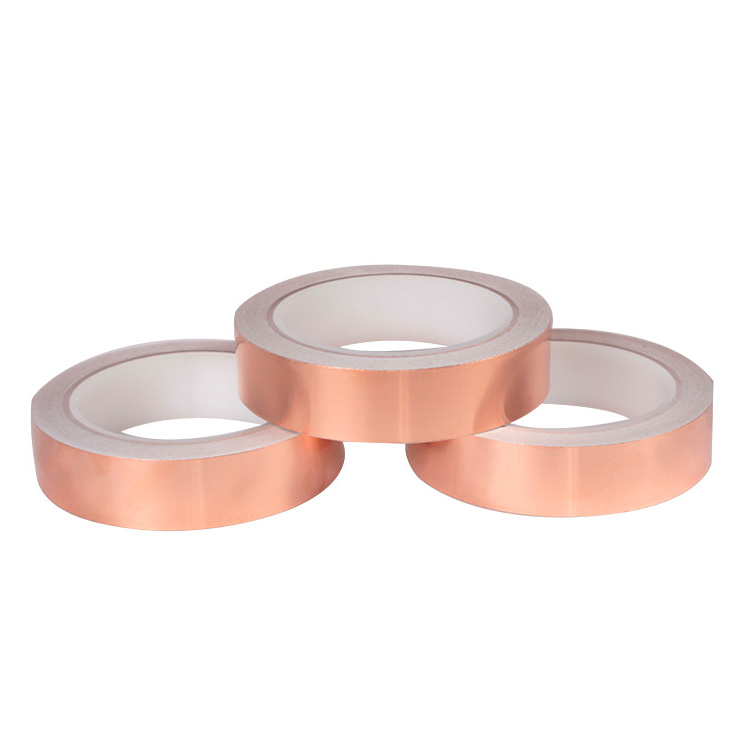
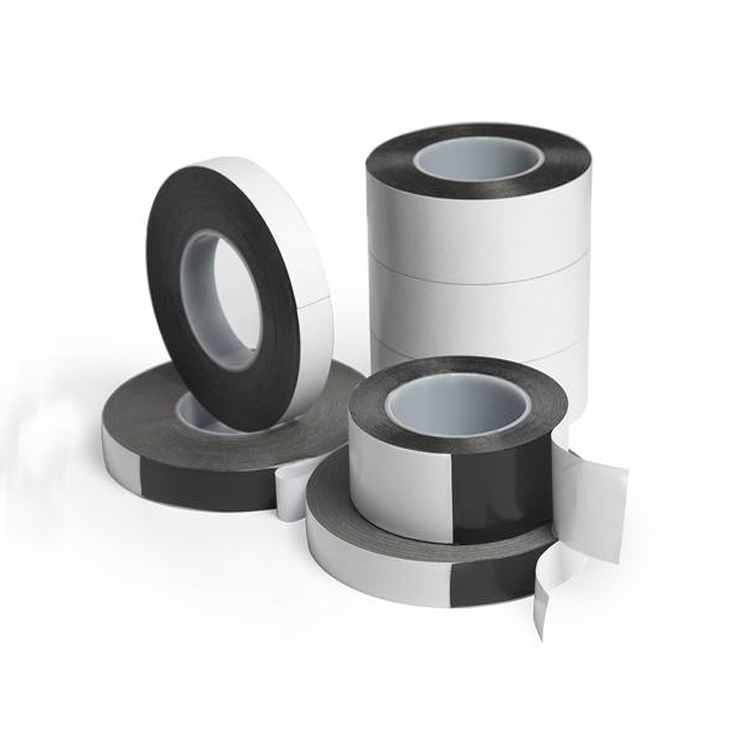
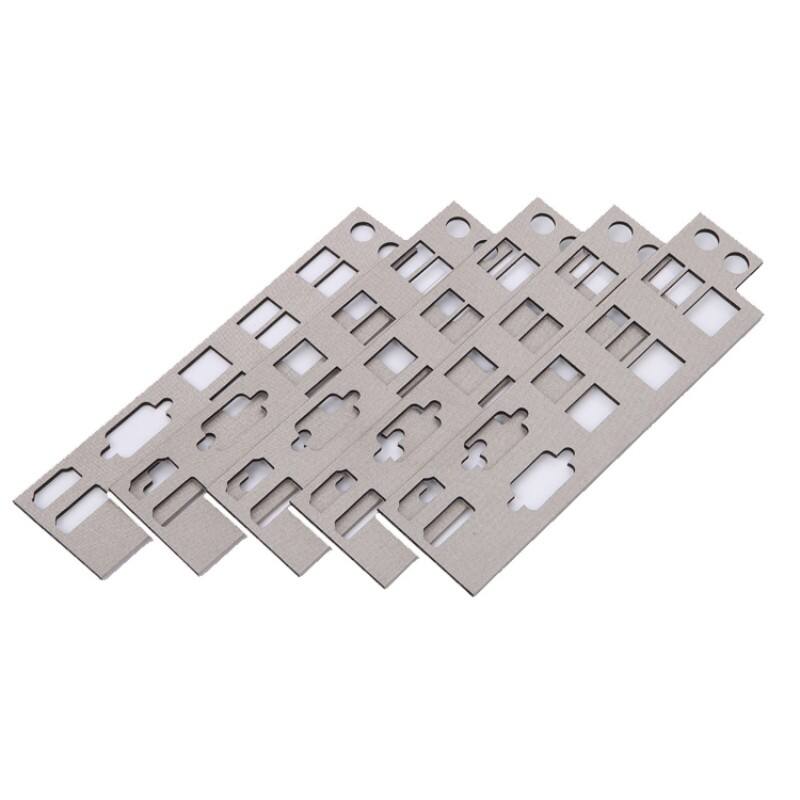
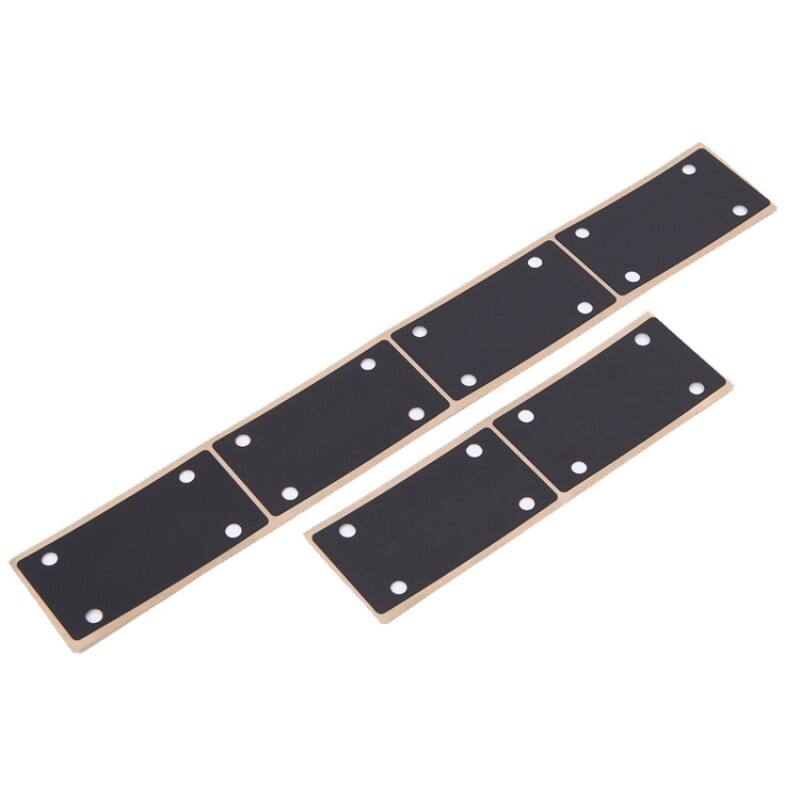
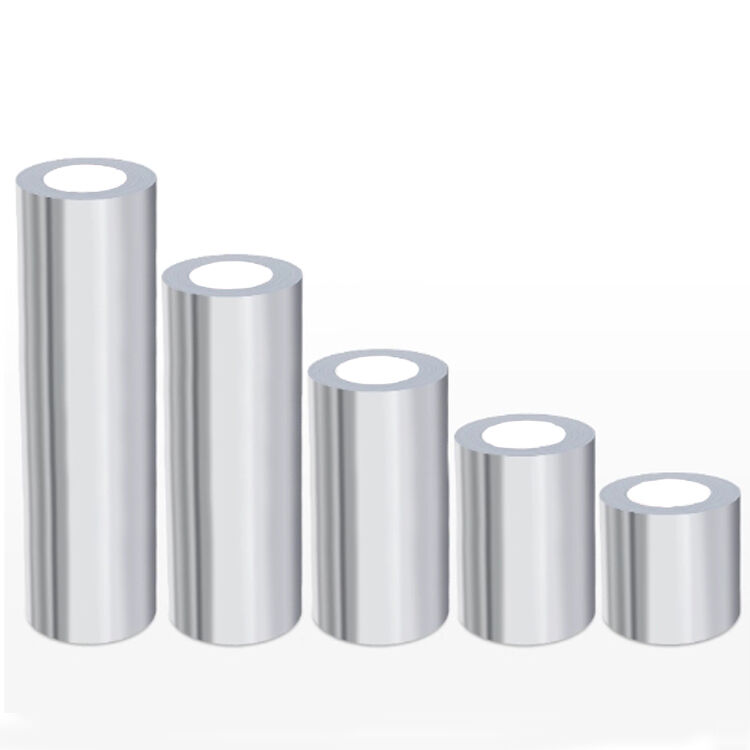
आज के इलेक्ट्रॉनिक रूप से घने औद्योगिक वातावरण में, विद्युत चुम्बकीय हस्तक्षेप (EMI) और रेडियो आवृत्ति हस्तक्षेप (RFI) महत्वपूर्ण चुनौतियाँ पैदा करते हैं, जो उत्पाद के प्रदर्शन, नियामक अनुपालन और संचालनात्मक विश्वसनीयता को समाप्त कर सकते हैं। एक विश्वसनीय आपूर्तिकर्ता से EMI RFI शील्डिंग सामग्री की विविध श्रृंखला की खरीद केवल एक खरीद प्रक्रिया नहीं है—यह इंजीनियरिंग उत्कृष्टता, आपूर्ति श्रृंखला की लचीलापन और दीर्घकालिक उत्पाद अखंडता के प्रति एक रणनीतिक प्रतिबद्धता का प्रतिनिधित्व करती है। वे संगठन जो विशेषज्ञ प्रदाताओं के साथ साझेदारी करते हैं, व्यापक सामग्री पोर्टफोलियो, तकनीकी विशेषज्ञता और अनुप्रयोग-विशिष्ट समाधानों तक पहुँच प्राप्त करते हैं, जो एयरोस्पेस और चिकित्सा उपकरणों से लेकर दूरसंचार और स्वचालित इलेक्ट्रॉनिक्स तक के विभिन्न उद्योगों में विद्युत चुम्बकीय संगतता की पूरी श्रृंखला की आवश्यकताओं को पूरा करते हैं।
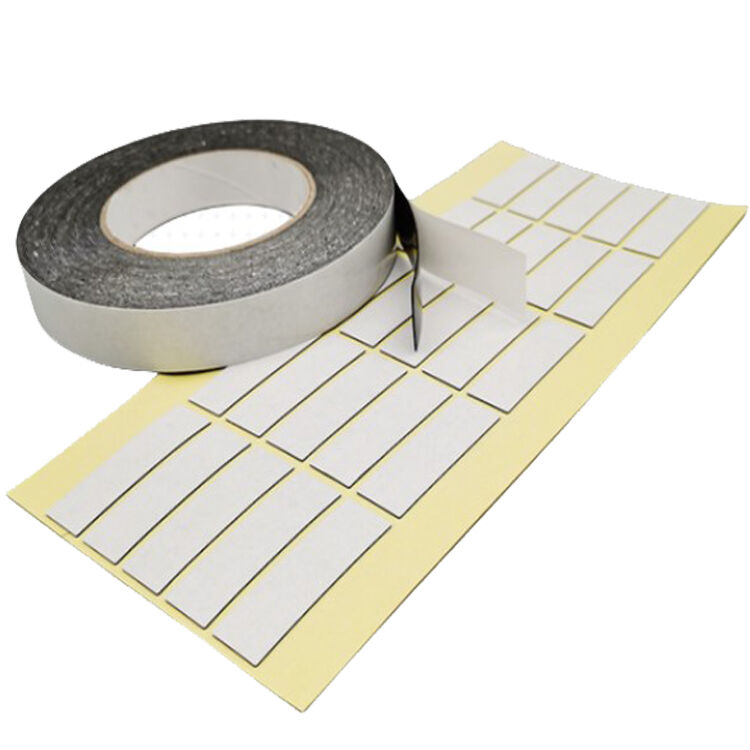
EMI RFI शील्डिंग सामग्रियों की विविध श्रेणी प्रदान करने वाले आपूर्तिकर्ता से खरीद का निर्णय सीधे डिज़ाइन लचीलापन, उत्पादन दक्षता और बदलते विद्युत चुम्बकीय वातावरणों के अनुकूल होने की क्षमता को प्रभावित करता है। जब इंजीनियर एकल-स्रोत प्रदाता के साथ काम करते हैं जो शील्डिंग समाधानों के व्यापक पोर्टफोलियो—जिनमें चालक कपड़े, धातु फॉयल, चालक इलास्टोमर, अवशोषक यौगिक और दबाव-संवेदनशील शील्डिंग टेप शामिल हैं—को बनाए रखता है, तो वे कई विक्रेता संबंधों के प्रबंधन की जटिलता को समाप्त कर देते हैं, जबकि सामग्री संगतता और सुसंगत गुणवत्ता मानकों को सुनिश्चित करते हैं। इस व्यापक खरीद दृष्टिकोण के कारण प्रोटोटाइपिंग तेज़ हो जाती है, योग्यता प्रक्रिया के चक्र कम हो जाते हैं और जटिल शील्डिंग चुनौतियों को हल करने के लिए आवश्यक तकनीकी गहराई उपलब्ध हो जाती है, जिन्हें सामान्य, तैयार-किए गए समाधानों के माध्यम से नहीं संबोधित किया जा सकता है।
व्यापक सामग्री पोर्टफोलियो जटिल शील्डिंग आवश्यकताओं को पूरा करता है
विविध आवृत्ति सीमाओं के लिए बहु-सामग्री समाधान
प्रभावी विद्युतचुंबकीय कवचन के लिए सामग्री का चयन विशिष्ट आवृत्ति सीमाओं, क्षरण आवश्यकताओं और प्रत्येक अनुप्रयोग के लिए विशिष्ट भौतिक बाधाओं के आधार पर किया जाना चाहिए। ईएमआई/आरएफआई कवचन सामग्रियों के विविध आपूर्तिकर्ता पोर्टफोलियो से इंजीनियरों को कम-आवृत्ति चुंबकीय क्षेत्र क्षरण के लिए चालक कपड़े, मध्य-श्रेणी के विद्युत क्षेत्र कवचन के लिए धातुकृत फिल्में और उच्च-आवृत्ति माइक्रोवेव अनुप्रयोगों के लिए विशिष्ट अवशोषक यौगिकों तक पहुँच प्राप्त होती है। यह सामग्री विविधता आधुनिक इलेक्ट्रॉनिक्स में विशेष रूप से महत्वपूर्ण है, जहाँ ब्रॉडबैंड हस्तक्षेप किलोहर्ट्ज़ की शक्ति आपूर्ति के शोर से लेकर गीगाहर्ट्ज़ की वायरलेस संचार बैंड तक फैला होता है, जिससे प्रत्येक उपकरण के विशिष्ट विद्युतचुंबकीय हस्ताक्षर के अनुरूप परावर्तक और अवशोषक तंत्रों को संयोजित करने वाले स्तरित कवचन दृष्टिकोण की आवश्यकता होती है।
अनुप्रयोग-विशिष्ट सामग्री गुण और आकार-रूप
आवृत्ति प्रतिक्रिया के अतिरिक्त, व्यापक प्रदाता से ईएमआई/आरएफआई शील्डिंग सामग्री की आपूर्ति करने से विशिष्ट स्थापना आवश्यकताओं के लिए अनुकूलित फॉर्म फैक्टर्स और भौतिक गुणों तक पहुँच प्राप्त होती है। चाहे कोई अनुप्रयोग अनियमित सीलिंग सतहों के लिए लचीले चालक गैस्केट्स की आवश्यकता रखता हो, अधिकतम क्षीणन के लिए कठोर धात्विक एन्क्लोजर्स की आवश्यकता हो, या घटक-स्तरीय सुरक्षा के लिए अनुकूलनीय शील्डिंग टेप्स की आवश्यकता हो—एक विविध सामग्री पोर्टफोलियो सुनिश्चित करता है कि प्रत्येक ज्यामितीय प्रतिबंध और असेंबली प्रक्रिया के लिए उपयुक्त समाधान मौजूद हैं। यह विविधता चिपकने वाली प्रणालियों तक भी विस्तारित होती है, जिनमें त्वरित असेंबली के लिए दबाव-संवेदनशील चिपकने वाले पदार्थ, ऊष्मा अपवहन के लिए ऊष्माक चालक बैकिंग्स, तथा एयरोस्पेस और चिकित्सा अनुप्रयोगों के लिए कम उत्सर्जन वाले सूत्रीकरण शामिल हैं, जहाँ सामग्री के उत्सर्जन को कठोर नियामक मानकों को पूरा करना आवश्यक होता है।
अद्वितीय प्रदर्शन आवश्यकताओं के लिए अनुकूलित सूत्रीकरण क्षमताएँ
विविध ईएमआई-आरएफआई कवचन सामग्री प्रदान करने वाले आपूर्तिकर्ता आमतौर पर ऐसी सूत्रीकरण विशेषज्ञता रखते हैं जो मानक उत्पाद लाइनों से अधिक कस्टमाइज़ेशन को सक्षम बनाती है। यह क्षमता तब आवश्यक हो जाती है जब वाणिज्यिक इलेक्ट्रॉनिक्स को चरम पर्यावरणों में संचालित करना होता है—जैसे कि एयरोस्पेस अनुप्रयोगों में ऐसी सामग्रियों की आवश्यकता होती है जो -55°C से +125°C तापमान सीमा में कवचन प्रभावकारिता को बनाए रखती हों, चिकित्सा उपकरणों में जैव-अनुकूल कवचन यौगिकों की आवश्यकता होती है जो कोशिका-विषाक्तता परीक्षण पास करते हों, या ऑटोमोटिव प्रणालियों में ऐसी सामग्रियों की आवश्यकता होती है जो हाइड्रोलिक द्रवों, नमक और तापीय चक्रीकरण के प्रति प्रतिरोधी हों। उस आपूर्तिकर्ता के साथ कार्य करना जो विशिष्ट पर्यावरणीय तनाव कारकों, यांत्रिक आवश्यकताओं और विद्युतचुंबकीय प्रदर्शन मानदंडों के अनुसार सामग्री के गुणों को अनुकूलित करने में सक्षम हो, कवचन को एक वस्तु-आधारित खरीद प्रक्रिया से एक सहयोगात्मक इंजीनियरिंग प्रक्रिया में परिवर्तित कर देता है, जो समाधानों को अनुकूलित करती है न कि समझौते वाले विकल्प प्रदान करती है।
एकीकृत आपूर्ति श्रृंखला जटिलता और जोखिम को कम करती है
एकल-स्रोत जवाबदेही गुणवत्ता प्रबंधन को सरल बनाती है
जब संगठन विभिन्न प्रकार की ईएमआई आरएफआई शील्डिंग सामग्री विखंडित आपूर्तिकर्ता नेटवर्क से खरीदारी करते हैं, तो गुणवत्ता आश्वासन अत्यधिक जटिल हो जाता है, जिसमें प्रत्येक आपूर्तिकर्ता संबंध के लिए अलग-अलग योग्यता प्रोटोकॉल, आने वाली निरीक्षण प्रक्रियाएँ और ट्रेसैबिलिटी प्रणालियों की आवश्यकता होती है। एक ही विविध आपूर्तिकर्ता के माध्यम से खरीद प्रक्रिया को एकीकृत करने से यह प्रशासनिक भार के गुणन को समाप्त कर दिया जाता है, जबकि सामग्री के प्रदर्शन, डिलीवरी की विश्वसनीयता और तकनीकी सहायता के लिए स्पष्ट जवाबदेही स्थापित की जाती है। यह सरलीकरण केवल कागजी कार्यों के कमी तक ही सीमित नहीं है—यह एक एकीकृत गुणवत्ता ढांचा बनाता है, जहाँ सामग्री संगतता अंतर्निहित होती है, न कि अनुमानित; जहाँ लॉट ट्रेसैबिलिटी सुसंगत दस्तावेज़ीकरण मानकों का अनुसरण करती है; और जहाँ किसी भी प्रदर्शन संबंधी मुद्दे के मूल कारण का विश्लेषण आपूर्तिकर्ता की व्यापक समझ से लाभान्वित होता है कि विभिन्न शील्डिंग सामग्रियाँ पूर्ण असेंबली प्रणालियों के भीतर किस प्रकार पारस्परिक क्रिया करती हैं।
समन्वित सामग्री उपलब्धता के माध्यम से इन्वेंट्री अनुकूलन
जब उत्पादन कार्यक्रम EMI RFI शील्डिंग सामग्री की आपूर्ति के समन्वय पर निर्भर करते हैं—जो कि विभिन्न नेतृत्व समय, न्यूनतम ऑर्डर मात्राओं और इन्वेंट्री नीतियों वाले कई स्वतंत्र आपूर्तिकर्ताओं से प्राप्त की जाती है—तो विनिर्माण दक्षता प्रभावित होती है। एक विविध एकल-स्रोत प्रदाता समन्वित सामग्री उपलब्धता को सक्षम बनाता है, जिससे खरीद टीमें आदेशों का एकीकरण कर सकती हैं, कई उत्पाद लाइनों के आधार पर मात्रा-आधारित मूल्य वार्ता कर सकती हैं, और जस्ट-इन-टाइम डिलीवरी कार्यक्रमों के माध्यम से पतली इन्वेंट्री स्तर बनाए रख सकती हैं, जो एक ही असेंबली में विभिन्न शील्डिंग घटकों के बीच पारस्परिक निर्भरता को ध्यान में रखते हैं। यह समन्वय विशेष रूप से नए उत्पाद परिचय के चरणों के दौरान अत्यधिक मूल्यवान हो जाता है, जब डिज़ाइन पुनरावृत्तियाँ त्वरित सामग्री प्रतिस्थापन की आवश्यकता रखती हैं, और उत्पादन वृद्धि के अवधि के दौरान भी, जब मांग पूर्वानुमान को अलग-अलग घटकों की उपलब्धता के बजाय पूरी बिल ऑफ मटेरियल्स (BOM) के आधार पर किया जाना चाहिए, जो कि अलग-अलग आपूर्ति स्रोतों से प्राप्त होती है।
कम किया गया भू-राजनीतिक और आपूर्ति श्रृंखला विस्तार का जोखिम
हाल की वैश्विक आपूर्ति श्रृंखला में व्यवधानों ने विखंडित खरीद रणनीतियों की कमजोरी को उजागर किया है, विशेष रूप से उन विशिष्ट औद्योगिक सामग्रियों के लिए जैसे EMI RFI शील्डिंग सामग्रियाँ, जो विशिष्ट कच्चे माल के स्रोतों या विनिर्माण प्रक्रियाओं पर निर्भर हो सकती हैं। वे आपूर्तिकर्ता जो विविध सामग्री पोर्टफोलियो बनाए रखते हैं, आमतौर पर अतिरिक्त उत्पादन क्षमताओं, कई कच्चे माल के स्रोतों और भौगोलिक रूप से वितरित विनिर्माण सुविधाओं में निवेश करते हैं, जो एकल-उत्पाद विशेषज्ञों की तुलना में आपूर्ति निरंतरता के लिए सहज लाभ प्रदान करते हैं। यह लचीलापन नियामक अनुपालन तक फैला हुआ है, जहाँ व्यापक आपूर्तिकर्ता अपनी समग्र सामग्री श्रृंखला पर एकसमान रूप से लागू होने वाले व्यापक प्रमाणन—जैसे RoHS, REACH, संघर्ष के खनिजों की घोषणा—बनाए रखते हैं, जिससे अनुपालन संबंधी दस्तावेज़ीकरण का बोझ और ऑडिट के प्रति जोखिम कम हो जाता है; यह जोखिम तब बढ़ जाता है जब कई विक्रेता संबंधों का प्रबंधन किया जाता है, जिनमें से प्रत्येक के प्रमाणन रखरखाव की प्रथाएँ और दस्तावेज़ीकरण मानक अलग-अलग होते हैं।
तकनीकी विशेषज्ञता डिज़ाइन और समस्या-समाधान को तीव्र गति प्रदान करती है
क्रॉस-सामग्री इंजीनियरिंग समर्थन शील्ड डिज़ाइन को अनुकूलित करता है
उत्पाद डिज़ाइनरों द्वारा सामना की जाने वाली वैद्युतचुंबकीय कवचन (शील्डिंग) की चुनौतियाँ शायद ही कभी सरल, एकल-सामग्री आधारित समाधानों के साथ हल की जा सकती हैं; बल्कि इनके लिए एकीकृत दृष्टिकोणों की आवश्यकता होती है, जो विभिन्न ईएमआई/आरएफआई शील्डिंग सामग्रियों को उनके पूरक गुणों के साथ संयोजित करते हैं, ताकि प्रासंगिक आवृत्ति सीमाओं में आवश्यक क्षीणन (अटीन्यूएशन) प्राप्त किया जा सके, साथ ही यांत्रिक, तापीय और लागत संबंधी बाधाओं को भी पूरा किया जा सके। विविध सामग्री पोर्टफोलियो प्रदान करने वाले आपूर्तिकर्ता ऐसे अनुप्रयोग इंजीनियरों को रखते हैं जो विभिन्न शील्डिंग प्रौद्योगिकियों के बीच प्रदर्शन संबंधी समझौतों (ट्रेड-ऑफ़) को समझते हैं और वास्तविक परीक्षण डेटा के आधार पर, सैद्धांतिक विशिष्टताओं के आधार पर नहीं, अनुकूलित सामग्री संयोजनों की सिफारिश कर सकते हैं। डिज़ाइन समीक्षाओं के दौरान यह बहु-सामग्री विशेषज्ञता अत्यंत मूल्यवान सिद्ध होती है, जहाँ अनुभवी तकनीकी सहायता प्रोटोटाइपिंग से पहले संभावित शील्डिंग अंतरालों (गैप्स) की पहचान कर सकती है, वैकल्पिक दृष्टिकोणों का सुझाव दे सकती है जो विद्युतचुंबकीय प्रदर्शन को कम न करते हुए सामग्री लागत को कम करते हों, और आदर्शीकृत प्रयोगशाला परिस्थितियों के बजाय समान अनुप्रयोगों पर आधारित वास्तविक प्रदर्शन पूर्वानुमान प्रदान कर सकती है।
समन्वित नमूना कार्यक्रमों के साथ तीव्र प्रोटोटाइपिंग और परीक्षण
जब इंजीनियर विभिन्न ईएमआई/आरएफआई शील्डिंग सामग्रियों के समन्वित नमूना सेट को एकल स्रोत से प्राप्त कर सकते हैं, बजाय कि वे कई विक्रेताओं के साथ अलग-अलग नमूना अनुरोध प्रक्रियाओं, विभिन्न नेतृत्व समयों और स्वीकृति आवश्यकताओं के माध्यम से जाएँ, तो विकास के समय-सीमा में तीव्र गति से त्वरण होता है। व्यापक आपूर्तिकर्ता आमतौर पर तुलनात्मक परीक्षण का समर्थन करने के लिए नमूना कार्यक्रम बनाए रखते हैं, जो अनुप्रयोग-प्रासंगिक नमूना आकार प्रदान करते हैं तथा सुसंगत दस्तावेज़ीकरण के साथ समान परीक्षण परिस्थितियों के तहत प्रत्यक्ष प्रदर्शन तुलना की अनुमति देते हैं। यह समन्वित नमूना दृष्टिकोण अनुकूलित सूत्रीकरणों तक विस्तारित होता है, जहाँ आपूर्तिकर्ता पूर्ण उत्पादन टूलिंग में प्रतिबद्ध होने से पहले संशोधित सामग्रियों की विकास मात्रा को त्वरित रूप से उत्पादित कर सकते हैं, जिससे प्रयोगात्मक परीक्षण के माध्यम से शील्डिंग समाधानों को चरणबद्ध रूप से अनुकूलित करने के लिए पुनरावृत्तिकरण अनुकूलन चक्र सक्षम हो जाते हैं, बजाय ऐसे मौजूदा वाणिज्यिक उत्पादों की बाधाओं में डिज़ाइन को बलपूर्वक फिट करने के जो अनुप्रयोग की आवश्यकताओं के साथ पूर्णतः मेल नहीं खाते हो सकते हैं।
विफलता विश्लेषण और मूल कारण की जांच की क्षमताएं
जब विद्युतचुंबकीय अनुपालन परीक्षण में कवचन की कमियाँ सामने आती हैं या क्षेत्र में विफलताएँ EMI से संबंधित दोषों को इंगित करती हैं, तो मूल कारण का निर्धारण करने के लिए अक्सर पूर्ण प्रणाली वास्तुकला के भीतर कई EMI/RFI कवचन सामग्रियों के पारस्परिक क्रिया का विस्तृत विश्लेषण करने की आवश्यकता होती है। विविध सामग्री पोर्टफोलियो बनाए रखने वाले आपूर्तिकर्ता व्यापक विफलता विश्लेषण सहायता प्रदान कर सकते हैं, जो केवल व्यक्तिगत सामग्री गुणों का ही नहीं, बल्कि विभिन्न कवचन घटकों के बीच के अंतरापृष्ठों, असेंबली प्रक्रियाओं के कवचन प्रभावकारिता पर प्रभाव और कवचन सामग्रियों के अन्य प्रणाली तत्वों—जैसे ग्राउंडिंग योजनाओं और केबल रूटिंग—के साथ पारस्परिक क्रिया का भी परीक्षण करती है। यह प्रणाली-स्तरीय नैदानिक क्षमता, जो पूर्ण कवचित असेंबलियों—केवल अलग-थलग सामग्री नमूनों के बजाय—का मूल्यांकन करने में सक्षम आंतरिक परीक्षण सुविधाओं द्वारा समर्थित है, ट्राउबलशूटिंग के समय को काफी कम कर देती है और अधूरे विद्युतचुंबकीय चरित्रीकरण पर आधारित अनुमानात्मक डिज़ाइन संशोधनों के बजाय व्यावहारिक सुधारात्मक कार्रवाइयाँ प्रदान करती है।
रणनीतिक सामग्री चयन और मात्रा लीवरेज के माध्यम से लागत दक्षता
वैकल्पिक सामग्रियों के आधार पर प्रदर्शन-से-लागत अनुकूलन
एक ही आपूर्तिकर्ता से विविध ईएमआई-आरएफआई शील्डिंग सामग्रियों की उपलब्धता, अनुप्रयोग-विशिष्ट आवश्यकताओं के आधार पर सूचित प्रतिस्थापन निर्णयों के माध्यम से विद्युत चुम्बकीय प्रदर्शन आवश्यकताओं और सामग्री लागत के बीच संतुलन बनाते हुए लागत अनुकूलन रणनीतियों को सक्षम बनाती है, जो कि मनमानी सामग्री चयन के बजाय होती है। मध्यम शील्डिंग प्रभावकारिता की आवश्यकता वाले अनुप्रयोगों में प्रीमियम ठोस धातु शील्ड के बजाय लागत-प्रभावी चालक कपड़ा या धातुकृत फिल्म समाधानों का उपयोग किया जा सकता है, जबकि महत्वपूर्ण उच्च-क्षरण क्षेत्रों में केवल आवश्यकता के अनुसार उन्नत सामग्रियों का उपयोग किया जा सकता है, जिससे संकर (हाइब्रिड) शील्डिंग वास्तुकला बनती है जो कुल सामग्री लागत को न्यूनतम करती है और सभी नियामक आवश्यकताओं को पूरा करती है। इस रणनीतिक सामग्री चयन के लिए आपूर्तिकर्ता के विशेषज्ञता की आवश्यकता होती है, जो विभिन्न सामग्री परिवारों की प्रदर्शन सीमाओं को समझता हो और जहाँ विशिष्टताएँ अनुमति देती हैं, वहाँ कम लागत वाले विकल्पों की आत्मविश्वासपूर्ण सिफारिश कर सके, बजाय ऐसे संरक्षणात्मक अतिरिक्त विशिष्टता (ओवर-स्पेसिफिकेशन) के जो आवश्यकता से अधिक बिल-ऑफ-मटेरियल लागत को बढ़ा देती है।
एकीकृत खरीद शक्ति के माध्यम से मात्रा-आधारित मूल्य लाभ
जो खरीद संगठन EMI RFI शील्डिंग सामग्री पर व्यय को एकल विविध आपूर्तिकर्ता के साथ एकीकृत करते हैं, वे मात्रा-आधारित मूल्य लाभ प्राप्त करते हैं जो कई विक्रेताओं के बीच विखंडित खरीद से प्राप्त होने वाले लाभ से अधिक होता है। यह एकीकृत खरीद शक्ति वरीयता वाले मूल्य स्तरों, सुधारित भुगतान शर्तों और आपूर्तिकर्ता के नवाचार निवेशों तक पहुँच को सक्षम करती है, जो उच्च-मूल्य वाले रणनीतिक खातों को लाभान्वित करते हैं, न कि केवल लेन-देन-आधारित वस्तु खरीदारों को। वित्तीय लाभ इकाई मूल्य में कमी तक ही सीमित नहीं हैं, बल्कि इनमें खरीद प्रशासनिक लागतों में कमी, विक्रेता प्रबंधन के अतिरिक्त भार में सरलीकरण और एकीकृत चालान जारी करने तथा लेखा देयता प्रक्रियाओं को सुव्यवस्थित करने के माध्यम से कार्यशील पूंजी की दक्षता में सुधार भी शामिल है, जिससे विभिन्न शील्डिंग सामग्री प्रकारों के लिए कई छोटे-मात्रा वाले आपूर्तिकर्ता संबंधों के प्रबंधन में अंतर्निहित लेन-देन गुणन को समाप्त कर दिया जाता है।
साझेदारी आधारित मूल्य निर्धारण मॉडल के माध्यम से दीर्घकालिक लागत पूर्वानुमान
EMI RFI शील्डिंग सामग्रियों के व्यापक पोर्टफोलियो प्रदान करने वाले आपूर्तिकर्ताओं के साथ रणनीतिक संबंध, उत्पाद जीवन चक्र के दौरान लागत की भविष्यवाणि करने में सक्षम दीर्घकालिक मूल्य समझौतों को सक्षम बनाते हैं, जो कच्चे माल की अस्थिरता और मांग-आपूर्ति के उतार-चढ़ाव के खिलाफ सुरक्षा प्रदान करते हैं—जो स्पॉट बाजारों या लेन-देन-आधारित विक्रेता संबंधों से खरीद के दौरान मूल्य अस्थिरता पैदा करते हैं। इन साझेदारी-आधारित मूल्य ढांचों में आमतौर पर मात्रा प्रतिबद्धताएँ शामिल होती हैं, जो आपूर्तिकर्ताओं को समर्पित उत्पादन क्षमता, इन्वेंट्री कार्यक्रमों और तकनीकी सहायता संसाधनों में निवेश करने का औचित्य प्रदान करती हैं, जबकि खरीदारों को अनुबंधात्मक मूल्य सुरक्षा और आपूर्ति सीमाओं की अवधि के दौरान प्राथमिक आवंटन प्रदान करती हैं। यह पारस्परिक प्रतिबद्धता दृष्टिकोण EMI RFI शील्डिंग सामग्रियों की खरीद को एक प्रतिक्रियाशील खरीद कार्य से एक रणनीतिक आपूर्ति श्रृंखला साझेदारी में बदल देता है, जो व्यक्तिगत खरीद आदेशों के बजाय बहु-वर्षीय उत्पाद रोडमैप के अनुरूप आपूर्तिकर्ता क्षमताओं और खरीदार आवश्यकताओं को संरेखित करता है।
नियामक अनुपालन और दस्तावेज़ीकरण की संगति
एकीकृत अनुपालन दस्तावेज़ीकरण नियामक प्रस्तुतियों को सरल बनाता है
नियमित बाजारों के लिए निर्धारित उत्पाद—जैसे FDA मंजूरी की आवश्यकता वाले चिकित्सा उपकरण, AS9100 प्रमाणन की आवश्यकता वाले एयरोस्पेस प्रणालियाँ, या IATF 16949 प्रमाणन के लिए आवेदन कर रहे स्वचालित इलेक्ट्रॉनिक्स—व्यापक दस्तावेज़ीकरण आवश्यकताओं का सामना करते हैं, जो विद्युत चुम्बकीय संगतता (EMC) महत्वपूर्ण अनुप्रयोगों में उपयोग किए जाने वाले EMI/RFI शील्डिंग सामग्रियों सहित सभी सामग्रियों तक विस्तारित होती हैं। विभिन्न शील्डिंग सामग्रियों की आपूर्ति एक ही आपूर्तिकर्ता से करना अनुपालन दस्तावेज़ीकरण को काफी सरल बना देता है, जिसमें अनुरूपता प्रमाणपत्र के सुसंगत प्रारूप, एकीकृत सामग्री सुरक्षा डेटा शीट्स (MSDS), और समन्वित नियामक परीक्षण रिपोर्ट्स शामिल हैं, जो नियामक प्रस्तुति तैयार करने और ऑडिट प्रतिक्रिया को सुव्यवस्थित करने में सहायता करती हैं। यह दस्तावेज़ीकरण सुसंगतता उस सामान्य परिदृश्य को समाप्त कर देती है, जहाँ अनुपालन टीमों को विभिन्न दस्तावेज़ीकरण प्रारूपों के बीच संगति स्थापित करनी होती है, अप्रतिक्रियाशील विक्रेताओं से लुप्त प्रमाणपत्रों की खोज करनी होती है, और आपूर्तिकर्ता-विशिष्ट सामग्री विनिर्देशों में प्रयुक्त विविध शब्दावली का नियामक ढांचों द्वारा आवश्यक मानकीकृत भाषा में अनुवाद करना होता है।
वैश्विक बाज़ारों के लिए पूर्वकर्मी सामग्री अनुपालन प्रबंधन
वैश्विक इलेक्ट्रॉनिक्स निर्माताओं को विषाक्त पदार्थों की प्रतिबंधों के बढ़ते हुए जटिल परिदृश्य, जिसमें यूरोपीय RoHS और REACH विनियम, कैलिफोर्निया प्रस्ताव 65 की आवश्यकताएँ, तथा डॉड-फ्रैंक प्रावधानों के तहत संघर्षग्रस्त खनिजों की रिपोर्टिंग शामिल हैं, के माध्यम से अपना मार्ग निर्धारित करना आवश्यक है; ये सभी आवश्यकताएँ EMI/RFI शील्डिंग सामग्रियों पर लागू होती हैं, चाहे वे उत्पादों के भीतर उनकी कार्यात्मक भूमिका कुछ भी हो। व्यापक आपूर्तिकर्ता आमतौर पर समर्पित विनियामक अनुपालन टीमों को बनाए रखते हैं, जो विभिन्न अधिकार क्षेत्रों में बदलती आवश्यकताओं की निगरानी करती हैं, ग्राहकों के उत्पादन को प्रभावित करने से पहले उभरती हुई प्रतिबंधों को पूरा करने के लिए सामग्रियों के पुनः सूत्रीकरण को पूर्वव्यापी रूप से करती हैं, तथा विस्तृत पदार्थ घोषणाएँ प्रदान करती हैं जो ग्राहकों को अंतर्राष्ट्रीय रसायन विनियमों में विशेषज्ञ बने बिना ही अपने अधःप्रवाह अनुपालन रिपोर्टिंग को सक्षम बनाती हैं। यह पूर्वव्यापी अनुपालन दृष्टिकोण उन प्रतिक्रियाशील आपूर्तिकर्ताओं के साथ तीव्र विपरीतता प्रदर्शित करता है, जो विनियामक आवश्यकताओं को ग्राहकों की समस्याएँ मानते हैं, न कि आपूर्तिकर्ताओं की ज़िम्मेदारियाँ, और अक्सर खरीदारों को केवल तभी अनुपालन के अंतर का पता चलता है जब विनियामक ऑडिट या बाज़ार पहुँच के मुद्दे उभरते हैं।
लॉट ट्रेसैबिलिटी और सामग्री परिवारों के आर-पार परिवर्तन नियंत्रण
नियमित उद्योगों के लिए गुणवत्ता प्रणालियों में कच्चे माल के स्रोतों से लेकर अंतिम उत्पाद की डिलीवरी तक पूर्ण सामग्री ट्रेसैबिलिटी की आवश्यकता होती है, और जब भी सामग्री के सूत्र, निर्माण प्रक्रियाएँ या आपूर्तिकर्ता स्रोतों में कोई परिवर्तन किया जाता है, तो दस्तावेज़ित परिवर्तन नियंत्रण प्रक्रियाएँ अनिवार्य होती हैं। विभिन्न विक्रेताओं से प्राप्त की गई कई ईएमआई/आरएफआई शील्डिंग सामग्रियों के लिए इन ट्रेसैबिलिटी और परिवर्तन नियंत्रण आवश्यकताओं का प्रबंधन प्रशासनिक जटिलता पैदा करता है और यह जोखिम बढ़ाता है कि कोई अदस्तावेज़ित परिवर्तन उत्पाद के प्रदर्शन या नियामक स्थिति को समाप्त कर सकता है। एकल-स्रोत आपूर्तिकर्ता, जिनके पास विविध सामग्री पोर्टफोलियो हैं, एकीकृत ट्रेसैबिलिटी प्रणालियाँ लागू करते हैं जिनमें सुसंगत लॉट नंबरिंग योजनाएँ, समन्वित परिवर्तन सूचना प्रक्रियाएँ और एकीकृत गुणवत्ता प्रबंधन प्रणालियाँ शामिल होती हैं, जो सामान्य डेटा संरचनाओं और दस्तावेज़ीकरण प्रथाओं के माध्यम से सभी प्रकार की सामग्रियों के लिए दृश्यता प्रदान करती हैं, जिससे किसी भी सामग्री से संबंधित मुद्दे की जांच के दौरान प्रभावित उत्पाद लाइनों के लिए कुशल ऑडिट प्रतिक्रिया और त्वरित प्रभाव मूल्यांकन संभव हो जाता है।
अक्सर पूछे जाने वाले प्रश्न
EMI RFI शील्डिंग सामग्रियों के किन प्रकारों को एक विविध आपूर्तिकर्ता पोर्टफोलियो में शामिल किया जाना चाहिए?
EMI RFI शील्डिंग सामग्रियों का एक व्यापक पोर्टफोलियो में पर्यावरणीय सीलिंग के साथ विद्युत चुम्बकीय शील्डिंग के लिए चालक इलास्टोमेरिक गैस्केट्स, लचीले घटक-स्तरीय शील्डिंग के लिए धातुकृत कपड़े के टेप, शील्डिंग गुणों के साथ कुशनिंग के लिए चालक फोम, वायु प्रवाह के साथ EMI सुरक्षा की आवश्यकता वाले वेंटिलेशन पैनलों के लिए अभिविन्यासित तार जाल, अनियमित सतहों को कोट करने के लिए चालक कोटिंग्स और पेंट्स, आवरणों के भीतर आंतरिक प्रतिबिंबों को कम करने के लिए अवशोषक सामग्रियाँ, और उच्च-चक्र विद्युत संपर्क अनुप्रयोगों के लिए बेरिलियम तांबा या स्टेनलेस स्टील फिंगरस्टॉक शामिल होने चाहिए। यह विविधता सुनिश्चित करती है कि प्रत्येक ज्यामितीय प्रतिबंध, आवृत्ति सीमा और पर्यावरणीय स्थिति के लिए समाधान मौजूद हैं जो सामान्य इलेक्ट्रॉनिक्स अनुप्रयोगों में सामने आती हैं।
एक ही आपूर्तिकर्ता से विविध EMI RFI शील्डिंग सामग्रियों की खरीद की तुलना विशेषज्ञ विक्रेताओं के उपयोग से कैसे की जाती है?
जबकि विशिष्ट विक्रेता विशिष्ट ईएमआई आरएफआई शील्डिंग सामग्री श्रेणियों में गहन विशेषज्ञता प्रदान कर सकते हैं, यह खंडित दृष्टिकोण आपूर्ति श्रृंखला की जटिलता को बढ़ाता है, प्रशासनिक अतिरिक्त लागत में वृद्धि करता है, और समान असेंबली के भीतर विभिन्न शील्डिंग घटकों के बीच सामग्री संगतता के मान्यीकरण को जटिल बनाता है। व्यापक पोर्टफोलियो प्रदान करने वाले समग्र आपूर्तिकर्ता सिस्टम-स्तरीय इंजीनियरिंग समर्थन प्रदान करते हैं, जो एकल-उत्पाद समाधानों को बढ़ावा देने के बजाय सामग्री संयोजनों को अनुकूलित करता है, एकीकृत प्रक्रियाओं के माध्यम से खरीद और गुणवत्ता प्रबंधन को सरल बनाता है, और आमतौर पर व्यापक विनिर्माण क्षमताओं को बनाए रखते हैं जो कई सामग्री प्रौद्योगिकियों से लिए गए अनुकूलित समाधानों को सक्षम करती हैं। संगठन का रणनीतिक लाभ आमतौर पर उन सीमित तकनीकी गहराई के लाभों को पार कर जाता है जो विशिष्ट विक्रेता व्यक्तिगत सामग्री श्रेणियों के लिए दावा कर सकते हैं।
जब विविध आपूर्तिकर्ता से ईएमआई आरएफआई शील्डिंग सामग्री की खरीद की जाती है, तो किस प्रकार का तकनीकी समर्थन अपेक्षित होना चाहिए?
ईएमआई आरएफआई शील्डिंग सामग्री के व्यापक पोर्टफोलियो प्रदान करने वाले आपूर्तिकर्ताओं को अनुप्रयोग इंजीनियरिंग समर्थन प्रदान करना चाहिए, जिसमें विद्युत चुंबकीय संगतता परामर्श, शील्डिंग प्रभावकारिता परीक्षण क्षमता, विशिष्ट आवृत्ति सीमाओं और पर्यावरणीय आवश्यकताओं के आधार पर सामग्री चयन मार्गदर्शन, तुलनात्मक मूल्यांकन की अनुमति देने वाले नमूना समन्वय कार्यक्रम, प्रोटोटाइपिंग से पहले संभावित शील्डिंग अंतरालों की पहचान के लिए डिज़ाइन समीक्षा में भाग लेना, और जब विद्युत चुंबकीय अनुपालन संबंधी मुद्दे उत्पन्न होते हैं तो विफलता विश्लेषण समर्थन शामिल होना चाहिए। यह तकनीकी समर्थन उत्पाद डेटाशीट्स से आगे बढ़कर वास्तविक दुनिया के अनुप्रयोग अनुभव, समान उद्योगों से दस्तावेज़ीकृत केस अध्ययनों और पूर्ण शील्डेड असेंबलियों के मान्यन के लिए परीक्षण सुविधाओं तक पहुँच को शामिल करना चाहिए, न कि केवल आदर्श प्रयोगशाला परिस्थितियों में अलग-अलग सामग्री के नमूनों का मान्यन करना।
विविध ईएमआई आरएफआई शील्डिंग सामग्रियों के लिए न्यूनतम ऑर्डर मात्रा और लीड टाइम आमतौर पर एक-दूसरे की तुलना में कैसे होते हैं?
ईएमआई आरएफआई कवरेज सामग्री के विविध इन्वेंट्री को बनाए रखने वाले आपूर्तिकर्ता आमतौर पर अपने उत्पाद पोर्टफोलियो में संतुलन बनाए रखने के लिए समन्वित न्यूनतम ऑर्डर मात्रा नीतियाँ और लीड टाइम मानक स्थापित करते हैं, बजाय इसके कि वे अलग-अलग सामग्री लाइनों को अकेले अनुकूलित करें। मानक कैटलॉग वस्तुएँ आमतौर पर स्टॉकिंग कार्यक्रमों द्वारा समर्थित निम्न न्यूनतम मात्राओं और छोटे लीड टाइम के साथ उपलब्ध होती हैं, जबकि कस्टम फॉर्मूलेशन और गैर-मानक आयामों के लिए उत्पादन सेटअप की अर्थव्यवस्था और कच्चे माल की खरीद चक्रों के आधार पर सहमति से निर्धारित न्यूनतम मात्राओं की आवश्यकता होती है। व्यापक आपूर्तिकर्ता अक्सर एकल खरीद आदेश के भीतर कई प्रकार की सामग्रियों को संयोजित करने की लचीलापन प्रदान करते हैं, ताकि पसंदीदा मूल्यों के लिए आयतन दहलीज प्राप्त की जा सके; और लगातार आवश्यकताओं वाले रणनीतिक खातों के लिए नियोजित रिलीज़ के साथ ब्लैंकेट ऑर्डर की वार्ता की जा सकती है, जो प्रभावी लीड टाइम को कम करती है, इन्वेंट्री धारण लागत को न्यूनतम करती है और उत्पादन कार्यक्रम के अनुरूप सामग्री की उपलब्धता सुनिश्चित करती है।
Table of Contents
- व्यापक सामग्री पोर्टफोलियो जटिल शील्डिंग आवश्यकताओं को पूरा करता है
- एकीकृत आपूर्ति श्रृंखला जटिलता और जोखिम को कम करती है
- तकनीकी विशेषज्ञता डिज़ाइन और समस्या-समाधान को तीव्र गति प्रदान करती है
- रणनीतिक सामग्री चयन और मात्रा लीवरेज के माध्यम से लागत दक्षता
- नियामक अनुपालन और दस्तावेज़ीकरण की संगति
-
अक्सर पूछे जाने वाले प्रश्न
- EMI RFI शील्डिंग सामग्रियों के किन प्रकारों को एक विविध आपूर्तिकर्ता पोर्टफोलियो में शामिल किया जाना चाहिए?
- एक ही आपूर्तिकर्ता से विविध EMI RFI शील्डिंग सामग्रियों की खरीद की तुलना विशेषज्ञ विक्रेताओं के उपयोग से कैसे की जाती है?
- जब विविध आपूर्तिकर्ता से ईएमआई आरएफआई शील्डिंग सामग्री की खरीद की जाती है, तो किस प्रकार का तकनीकी समर्थन अपेक्षित होना चाहिए?
- विविध ईएमआई आरएफआई शील्डिंग सामग्रियों के लिए न्यूनतम ऑर्डर मात्रा और लीड टाइम आमतौर पर एक-दूसरे की तुलना में कैसे होते हैं?
