
 EN
EN
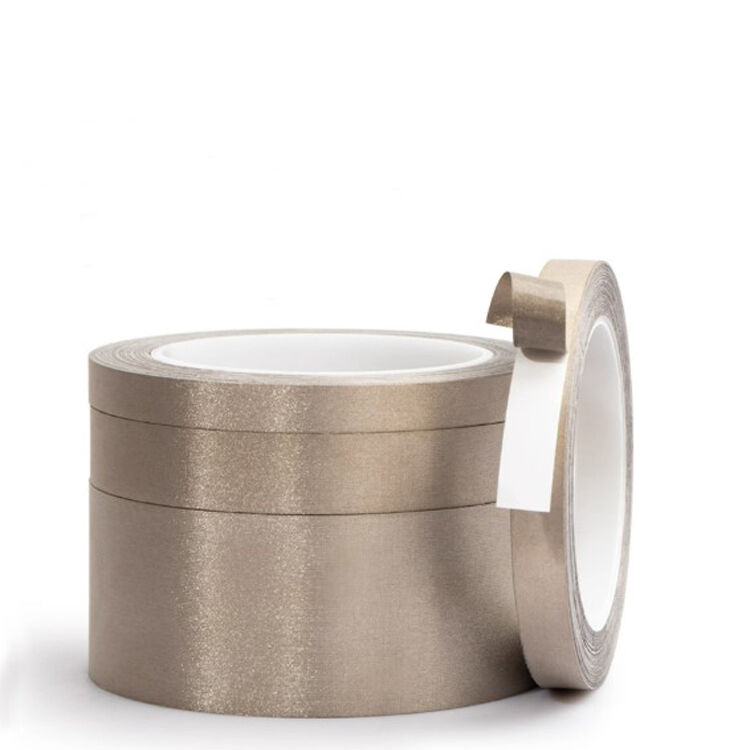
Electronic enclosures often present engineers with the challenging reality of uneven surface gaps that compromise electromagnetic interference (EMI) shielding effectiveness. When traditional rigid gaskets fail to conform to irregular surfaces, manufacturers turn to specialized sealing solutions that can adapt to these imperfections while maintaining consistent electrical conductivity. Understanding why a conductive foam gasket excels in these demanding applications requires examining the unique properties that make this material an optimal choice for complex enclosure designs.
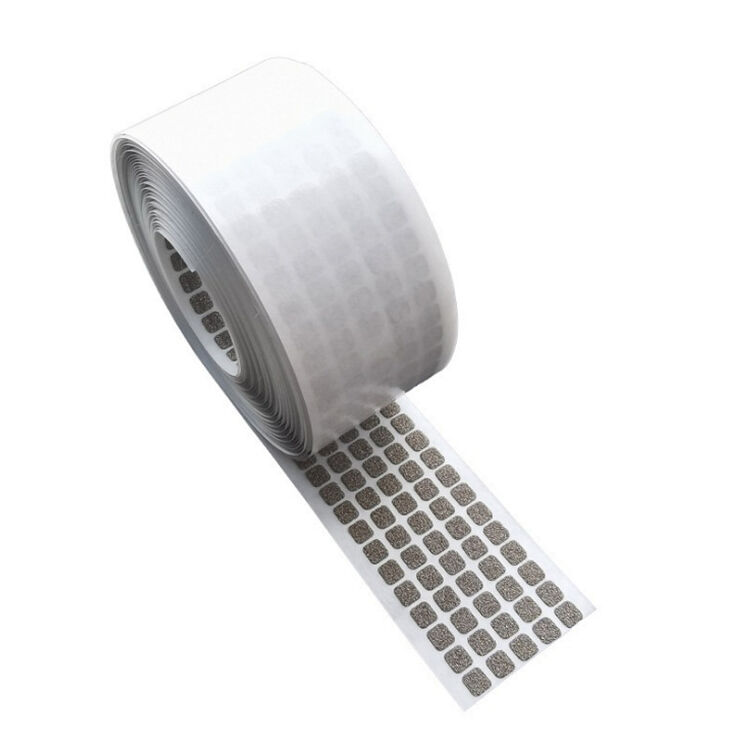
The fundamental advantage of a conductive foam gasket lies in its ability to compress and conform to surface irregularities while maintaining uniform electrical contact across the entire sealing interface. Unlike solid conductive materials that create point contacts on uneven surfaces, foam-based gaskets distribute pressure evenly, ensuring continuous shielding performance even when enclosure tolerances vary significantly. This conformability addresses the root cause of EMI leakage in real-world applications where perfect surface flatness is rarely achievable.
Conformability and Compression Characteristics
Elastic Deformation Properties
The cellular structure of a conductive foam gasket enables controlled elastic deformation that accommodates surface variations without permanent set. When compressed between enclosure surfaces, the foam cells collapse proportionally to the applied pressure, creating intimate contact with both high and low areas of irregular surfaces. This elastic response ensures that the gasket maintains its original thickness and sealing properties when the compression force is removed during disassembly.
The compression force deflection characteristics of conductive foam materials allow engineers to specify gaskets that achieve optimal performance across a range of gap dimensions. Unlike rigid gaskets that require precise gap control, a conductive foam gasket can effectively seal gaps that vary by several millimeters while maintaining consistent shielding attenuation levels.
Surface Contact Distribution
The microscopic architecture of conductive foam gaskets creates thousands of contact points per square centimeter, dramatically increasing the probability of maintaining electrical continuity across uneven interfaces. Each foam cell that contacts the enclosure surface contributes to the overall conductivity path, creating redundant electrical connections that ensure shielding effectiveness even if some contact points are compromised by surface irregularities.
This distributed contact mechanism explains why conductive foam gasket solutions outperform traditional EMI gaskets in applications with challenging surface conditions. The material's ability to bridge gaps and conform to surface textures results in lower contact resistance and more stable long-term performance compared to point-contact sealing methods.
Electrical Conductivity Advantages
Consistent Resistance Path
The electrical performance of a conductive foam gasket in uneven gap applications depends on maintaining low and stable contact resistance across the entire sealing perimeter. The foam matrix incorporates conductive particles or coatings that create multiple parallel resistance paths, reducing the overall electrical resistance even when individual contact points experience varying pressure levels.
Unlike solid conductive gaskets that may develop high resistance areas at points where surface contact is poor, conductive foam materials maintain relatively uniform electrical properties throughout their compressed volume. This characteristic ensures that EMI shielding effectiveness remains consistent across the entire enclosure interface, preventing localized weak points that could compromise overall system performance.
Frequency Response Stability
The broadband shielding performance of conductive foam gasket materials makes them particularly suitable for applications where EMI compliance must be maintained across wide frequency ranges. The foam's cellular structure and conductive particle distribution create electrical characteristics that remain stable from low frequencies through microwave ranges, providing predictable attenuation performance regardless of gap variations.
This frequency stability becomes critical in uneven gap applications where traditional gaskets might create resonant cavities or impedance discontinuities that degrade shielding effectiveness at specific frequencies. The inherently lossy nature of conductive foam materials helps dampen electromagnetic resonances while maintaining consistent attenuation across the frequency spectrum.
Manufacturing and Installation Benefits
Tolerance Accommodation
Manufacturing tolerances in electronic enclosures often result in gap variations that exceed the accommodation range of rigid gaskets. A conductive foam gasket provides engineers with significantly greater tolerance flexibility, allowing the same gasket design to function effectively across a range of gap dimensions that might otherwise require multiple gasket variants.
This tolerance accommodation capability translates into reduced inventory requirements and simplified assembly processes for manufacturers dealing with normal production variations. The ability of conductive foam gasket materials to maintain sealing and shielding performance across wider tolerance bands reduces the risk of assembly failures and field performance issues.
Installation Simplicity
The forgiving nature of conductive foam gaskets simplifies installation procedures compared to precision-critical rigid gasket systems. Assembly technicians can achieve proper sealing without requiring specialized tools or precise torque specifications, as the foam material naturally conforms to surface irregularities during normal assembly closure forces.
Installation errors that might compromise rigid gasket performance, such as uneven bolt tightening or slight misalignment, have minimal impact on conductive foam gasket effectiveness. This installation tolerance reduces quality control requirements and training needs while improving assembly line efficiency.
Long-term Performance in Variable Conditions
Environmental Resilience
The cellular structure of a conductive foam gasket provides inherent resistance to environmental factors that can degrade sealing performance over time. Unlike solid gaskets that may develop stress concentrations at contact points with irregular surfaces, foam materials distribute environmental stresses throughout their volume, reducing the likelihood of premature failure.
Temperature cycling, humidity variations, and mechanical vibration affect conductive foam gasket performance more gradually than rigid alternatives, providing more predictable long-term behavior in challenging operating environments. The material's ability to maintain conformability over multiple thermal cycles ensures continued effectiveness in applications with varying gap dimensions due to thermal expansion effects.
Maintenance and Serviceability
Service procedures for equipment using conductive foam gasket sealing systems benefit from the material's forgiving characteristics. Repeated disassembly and reassembly cycles have less impact on sealing effectiveness compared to rigid gaskets that may develop permanent deformation or lose contact pressure at critical interface points.
Field maintenance teams can replace conductive foam gasket components without requiring precise surface preparation or specialized installation procedures, reducing service time and improving equipment availability. The visual inspection of foam gasket condition is also more straightforward than assessing the performance of rigid sealing systems.
FAQ
How much gap variation can a conductive foam gasket accommodate effectively?
Most conductive foam gasket materials can accommodate gap variations of 50% or more of their nominal thickness while maintaining effective EMI shielding performance. For example, a 3mm thick gasket can typically seal gaps ranging from 1.5mm to 4.5mm with minimal degradation in electrical properties. The specific accommodation range depends on the foam density and compression characteristics of the particular material formulation.
Does the shielding effectiveness decrease significantly when a conductive foam gasket is compressed to accommodate uneven surfaces?
Properly designed conductive foam gasket materials maintain their shielding effectiveness across their entire compression range. The distributed contact mechanism actually improves electrical contact as compression increases, often resulting in better shielding performance in compressed configurations compared to the free-standing state. However, over-compression beyond the material's elastic limit should be avoided to prevent permanent deformation.
Can conductive foam gaskets handle both EMI shielding and environmental sealing in uneven gap applications?
Yes, many conductive foam gasket formulations provide both electromagnetic shielding and environmental protection against moisture, dust, and other contaminants. The cellular structure can be engineered with closed-cell configurations for environmental sealing while maintaining the conductivity needed for EMI protection. This dual functionality makes them particularly valuable in outdoor or harsh environment applications with irregular enclosure interfaces.
What factors should be considered when selecting a conductive foam gasket for applications with significant surface irregularities?
Key selection factors include the foam density and compression characteristics needed to accommodate the expected gap variations, the conductivity requirements for the specific EMI attenuation targets, and the environmental resistance needed for the operating conditions. Additionally, consider the installation force requirements and whether the gasket needs to provide environmental sealing in addition to EMI protection. The adhesive backing system should also be compatible with the enclosure materials and expected service life.
Table of Contents
- Conformability and Compression Characteristics
- Electrical Conductivity Advantages
- Manufacturing and Installation Benefits
- Long-term Performance in Variable Conditions
-
FAQ
- How much gap variation can a conductive foam gasket accommodate effectively?
- Does the shielding effectiveness decrease significantly when a conductive foam gasket is compressed to accommodate uneven surfaces?
- Can conductive foam gaskets handle both EMI shielding and environmental sealing in uneven gap applications?
- What factors should be considered when selecting a conductive foam gasket for applications with significant surface irregularities?
