
 EN
EN
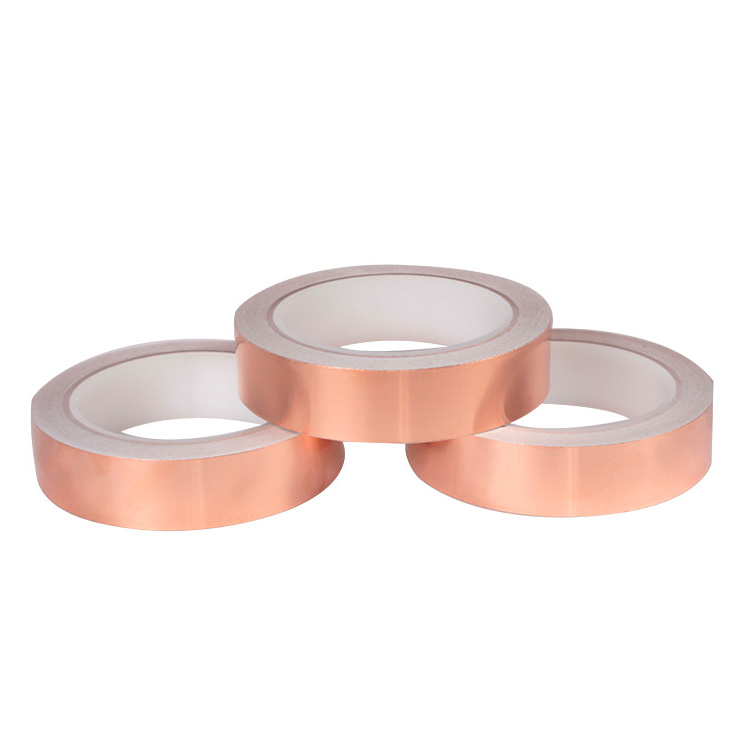
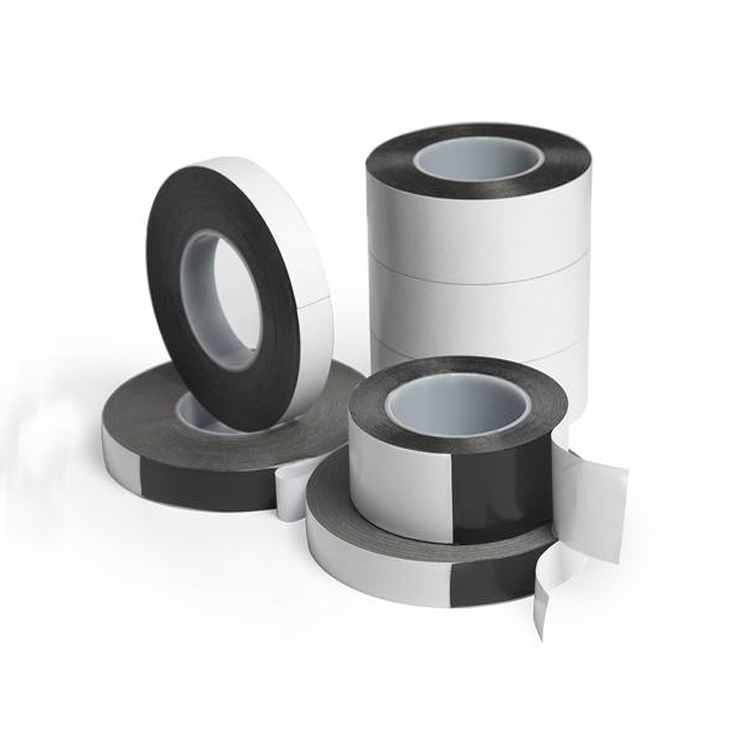
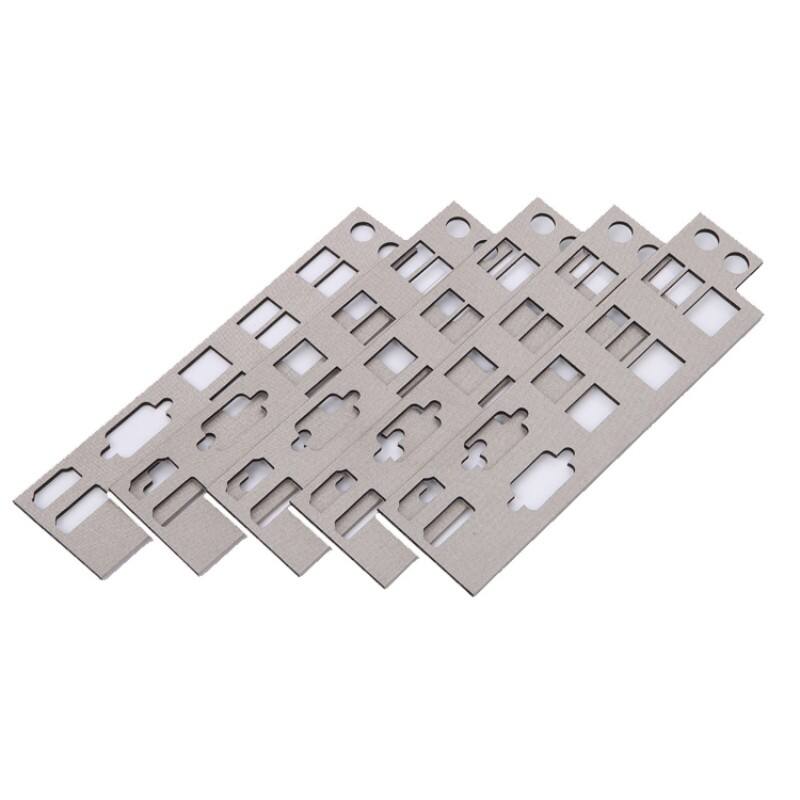
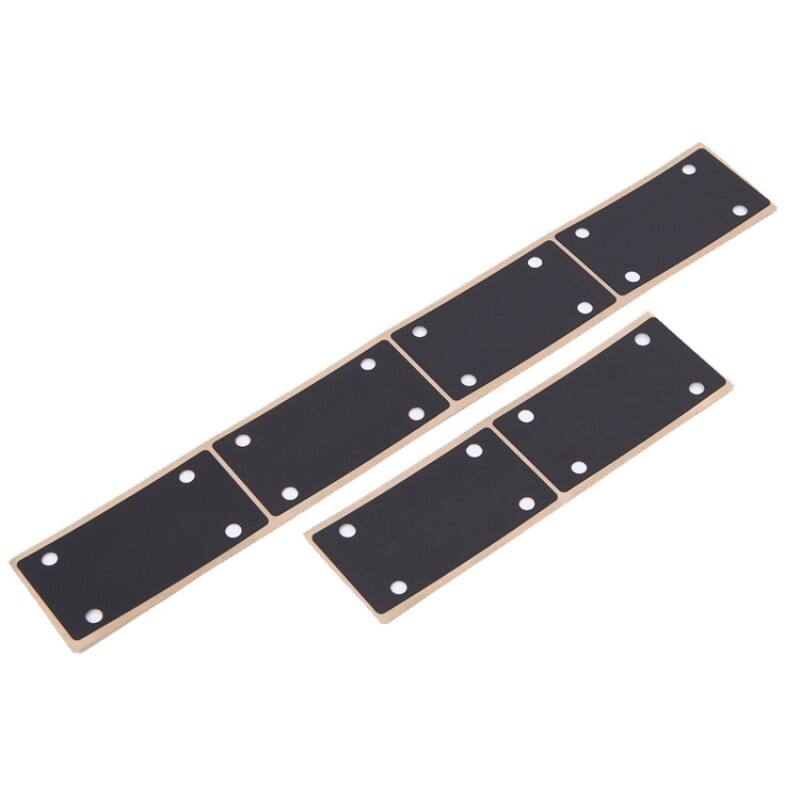
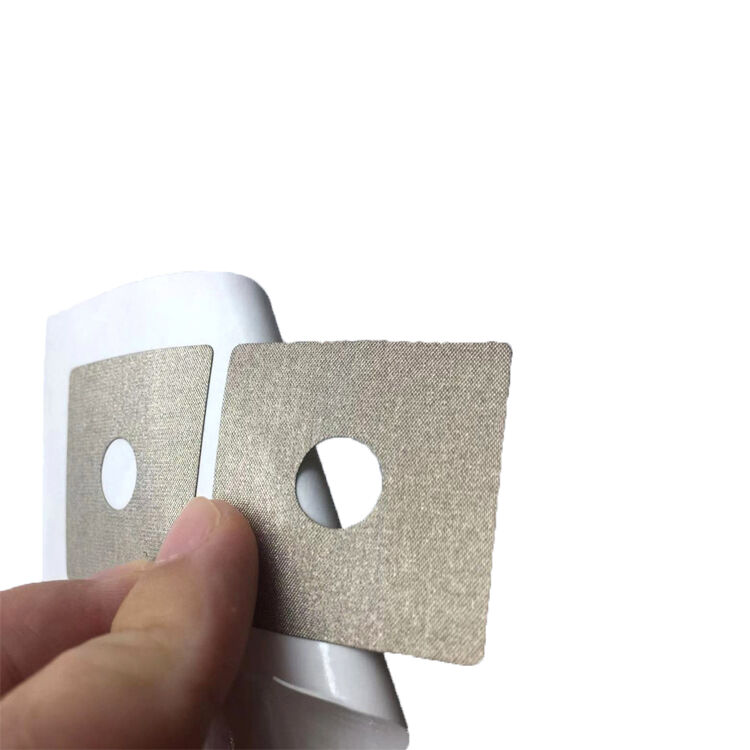
Les appareils électroniques modernes font face à un défi permanent : offrir des performances élevées tout en conservant des conceptions légères qui répondent aux exigences des consommateurs et du secteur industriel. À mesure que les smartphones, les ordinateurs portables, les dispositifs portables et l’électronique aérospatiale deviennent de plus en plus compacts, le poids de chaque composant revêt une importance considérable. Les solutions traditionnelles de protection contre les interférences électromagnétiques (EMI) et les interférences radiofréquence (RFI) ajoutaient souvent une masse importante aux appareils, créant ainsi des compromis entre une protection efficace et les contraintes de poids. Les matériaux avancés actuels de blindage EMI/RFI représentent une évolution majeure dans la façon dont les ingénieurs abordent la compatibilité électromagnétique, tout en permettant une réduction de poids sans précédent dans des applications variées.
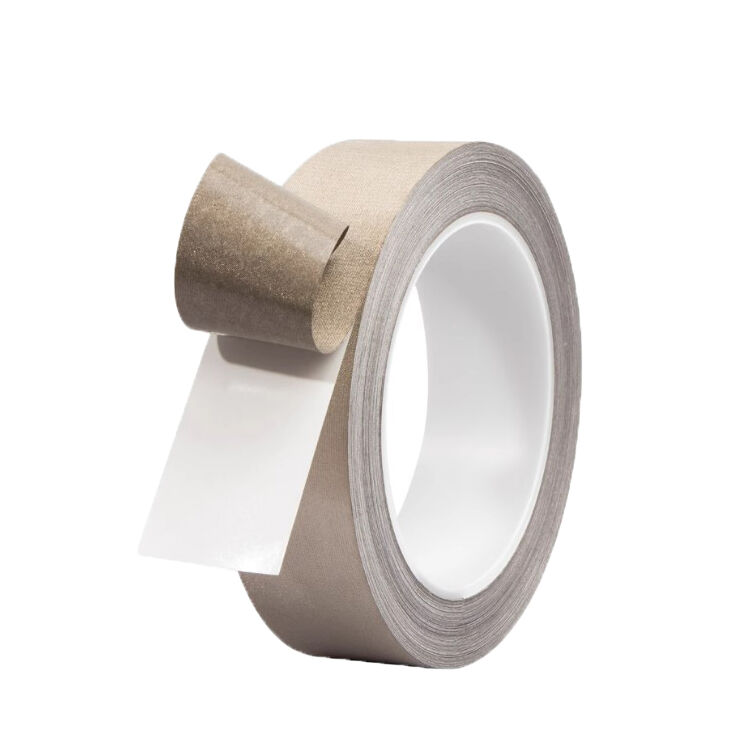
Les avantages en matière de réduction de poids offerts par les matériaux modernes de blindage contre les interférences électromagnétiques (EMI) et les interférences radiofréquence (RFI) vont bien au-delà d’une simple diminution de la masse : ils transforment fondamentalement la philosophie de conception des produits et permettent des innovations qui étaient auparavant impossibles avec les approches conventionnelles de blindage. Ces matériaux avancés s’appuient sur des technologies de pointe dans le domaine des polymères conducteurs, des composites métalliques ultrafins, de l’intégration de nanomatériaux et des solutions textiles afin d’assurer une protection électromagnétique robuste tout en ne pesant qu’une fraction du poids imposé par les méthodes de blindage traditionnelles. Comprendre ces avantages liés à la réduction de poids exige d’examiner les innovations en science des matériaux, les bénéfices spécifiques aux applications, les caractéristiques de performance ainsi que l’impact concret dans plusieurs secteurs industriels où chaque gramme compte pour obtenir un avantage concurrentiel.
Innovations en science des matériaux permettant la réduction de poids
Technologies avancées de polymères conducteurs
Les matériaux contemporains de blindage contre les interférences électromagnétiques (EMI) et les interférences radiofréquence (RFI) intègrent des formulations sophistiquées de polymères conducteurs, permettant d’atteindre une efficacité de blindage remarquable tout en conservant des densités nettement inférieures à celles des blindages métalliques traditionnels. Ces polymères ingénierés incorporent des charges conductrices telles que des nanotubes de carbone, des particules de graphène ou des nanoparticules métalliques au sein de matrices polymères légères, produisant ainsi des matériaux pesant 40 à 60 % moins que des blindages équivalents en aluminium ou en cuivre. La matrice polymère confère une flexibilité structurelle et des avantages de mise en œuvre, tandis que les charges conductrices établissent les voies d’atténuation électromagnétique nécessaires à la suppression des interférences sur les plages de fréquences critiques.
L'avantage en poids des matériaux de blindage contre les interférences électromagnétiques (EMI) et les interférences radiofréquence (RFI), à base de polymères conducteurs, devient particulièrement marqué dans les applications sur de grandes surfaces, où les blindages métalliques traditionnels entraîneraient des pénalités de masse prohibitives. Une entretoise pour boîtier de smartphone fabriquée en silicone conducteur pèse environ 0,3 gramme, contre 1,2 gramme pour une entretoise métallique emboutie équivalente, ce qui représente une réduction de poids de 75 % pour un seul composant. Lorsqu’elle est multipliée par des dizaines d’éléments de blindage au sein d’un appareil, cette économie marginale s’accumule pour produire des réductions de poids globales substantielles, impactant directement la portabilité du produit, l’allongement de l’autonomie de la batterie grâce à une diminution des besoins énergétiques, et l’optimisation des coûts de fabrication.
Constructions ultrafines de films métallisés
Les technologies modernes de films métallisés représentent une autre percée dans le domaine des matériaux légers de blindage contre les interférences électromagnétiques (EMI) et les interférences radiofréquences (RFI), utilisant des procédés de dépôt sous vide ou de pulvérisation cathodique pour créer des couches conductrices d’une épaisseur de seulement 50 à 200 nanomètres sur des substrats polymères. Ces couches métalliques ultrafines offrent un niveau d’efficacité de blindage comparable à celui de tôles métalliques massives beaucoup plus épaisses, tout en réduisant le poids de 85 à 95 % par rapport aux enveloppes métalliques conventionnelles. Les matériaux de substrat sont généralement constitués de polyester, de polyimide ou d’autres polymères hautes performances, choisis pour leur stabilité dimensionnelle, leur résistance thermique et leur tenue mécanique, conformément aux exigences spécifiques de chaque application.
La précision de fabrication atteignable avec les matériaux de blindage EMI/RFI à base de film métallisé permet aux concepteurs d’optimiser les économies de poids grâce à un positionnement stratégique du matériau, plutôt que d’appliquer un blindage uniforme sur l’ensemble des assemblages. Les ingénieurs peuvent spécifier l’intensité du blindage en contrôlant l’épaisseur du dépôt métallique, créant ainsi des zones de protection graduée qui concentrent le matériau uniquement là où les menaces électromagnétiques exigent une atténuation maximale. Cette approche ciblée minimise le déploiement superflu de matériau, réduisant davantage le poids des composants tout en assurant une protection complète contre les interférences. Un blindage pour carte de circuit imprimé d’ordinateur portable, fabriqué à partir de film de polyimide métallisé, pèse typiquement entre 8 et 12 grammes, contre 45 à 60 grammes pour un blindage en aluminium embouti couvrant la même surface.
Matériaux composites nano-ingénierés
L'intégration de nanomatériaux a révolutionné le rapport poids/performance des matériaux de blindage contre les interférences électromagnétiques (EMI) et les interférences radiofréquence (RFI), grâce à l'incorporation de nanotubes de carbone, de feuillets de graphène et de nanofils métalliques qui confèrent une conductivité exceptionnelle à une densité de matériau minimale. Ces composites nanostructurés atteignent des niveaux d'efficacité de blindage de 40 à 80 dB sur de larges plages de fréquences, tout en conservant une densité inférieure à 1,5 g/cm³, ce qui les rend nettement plus légers que l'aluminium (2,7 g/cm³) ou le cuivre (8,96 g/cm³). Les rapports d'aspect et les surfaces spécifiques exceptionnels des nanomatériaux permettent de créer des réseaux conducteurs étendus à des taux de chargement très faibles, nécessitant généralement seulement 3 à 8 % en masse de charge pour atteindre les seuils de percolation requis afin d'assurer une atténuation électromagnétique efficace.
Les avantages en termes de poids des matériaux nano-ingénierés de blindage contre les interférences électromagnétiques (EMI) et les interférences radiofréquences (RFI) vont au-delà de simples comparaisons de densité brute pour inclure des bénéfices secondaires liés à l’efficacité structurelle et à l’optimisation de la conception. En effet, ces matériaux peuvent être formulés avec des propriétés mécaniques adaptées, ce qui leur permet souvent d’assumer une double fonction : éléments structurels et barrières électromagnétiques, éliminant ainsi des couches redondantes de matériaux. Un panneau de carrosserie en polymère renforcé au graphène peut par exemple offrir à la fois une rigidité structurelle et une efficacité de blindage de 50 dB, remplaçant des éléments structurels et de blindage distincts qui, pris ensemble, pèseraient 30 à 50 % de plus tout en occupant un espace supplémentaire dans l’assemblage.
Avantages spécifiques à l’application en matière de réduction de poids
Optimisation des appareils électroniques grand public portables
Dans les smartphones, les tablettes et les dispositifs portables, les matériaux modernes de blindage contre les interférences électromagnétiques (EMI) et les interférences radiofréquence (RFI) permettent de réduire le poids, ce qui se traduit directement par une amélioration de l’expérience utilisateur et une extension des capacités opérationnelles. Un smartphone typique intègre 15 à 25 éléments de blindage distincts destinés à protéger les composants sensibles contre les interférences électromagnétiques ; le remplacement des blindages métalliques traditionnels obtenus par emboutissage par des rubans textiles conducteurs avancés ou des solutions polymères permet de réduire le poids total du blindage de 8 à 10 grammes à seulement 2 à 3 grammes. Cette réduction de 6 à 7 grammes représente 3 à 4 % du poids total d’un smartphone haut de gamme, ce qui permet aux fabricants de réaffecter la masse économisée vers des batteries plus volumineuses, des systèmes photo améliorés ou un renforcement structurel, sans dépasser les spécifications de poids cibles pour l’appareil.
Les caractéristiques de flexibilité des matériaux légers Matériaux de blindage EMI RFI permettent des approches de conception impossibles avec des blindages métalliques rigides, contribuant ainsi à des économies de poids indirectes supplémentaires grâce à la simplification de l’assemblage. Les rubans en tissu conducteur adhèrent de manière conforme aux géométries irrégulières des composants, éliminant ainsi le besoin d’enceintes métalliques sur mesure accompagnées de leurs supports de fixation, de leurs éléments de fixation et de leurs renforts structurels. Cette simplification de l’assemblage permet généralement de supprimer 4 à 6 grammes supplémentaires de la construction des smartphones, tout en réduisant simultanément la complexité d’assemblage et en améliorant les taux de rendement manufacturier grâce à l’élimination des opérations de fixation mécanique, qui comportent un risque de dommages aux composants.
Applications aérospatiales et aéronautiques
Le secteur aérospatial illustre peut-être la réalisation de valeur la plus spectaculaire grâce aux matériaux allégés de blindage contre les interférences électromagnétiques (EMI) et les interférences radiofréquences (RFI), où chaque kilogramme supprimé des systèmes d’aéronefs se traduit directement par des économies de carburant, une augmentation de la capacité de charge utile ou une extension de la portée opérationnelle. Les baies avioniques, les ordinateurs de commande de vol et les systèmes de communication des avions commerciaux utilisaient traditionnellement des enceintes de blindage en aluminium ou en cuivre pesant de 15 à 40 kilogrammes par système, selon le volume et les exigences de protection. Le passage à des panneaux en composite de fibres de carbone dotés de couches conductrices intégrées ou à des écrans légers en tissu métallisé permet de réduire le poids du système de blindage de 60 à 75 %, soit une économie de 10 à 30 kilogrammes par système avionique, tout en maintenant les niveaux requis d’efficacité de blindage, soit de 60 à 100 dB sur les plages de fréquences pertinentes.
Les applications aéronautiques militaires imposent des contraintes de poids encore plus strictes, où des matériaux avancés de blindage contre les interférences électromagnétiques (CEM/RFI) permettent des fonctionnalités auparavant limitées par les budgets massiques. L’électronique des avions de chasse exige une protection électromagnétique robuste contre les menaces externes ainsi que contre les interférences internes entre systèmes fortement intégrés, tandis que les limitations de poids affectent directement des paramètres de performance de l’aéronef tels que l’accélération, la maniabilité et l’efficacité énergétique. Des blindages polymères nano-améliorés pesant 40 % moins que des enceintes métalliques équivalentes permettent aux concepteurs d’intégrer des systèmes supplémentaires de guerre électronique, des capteurs améliorés ou une capacité carburant accrue dans des enveloppes de poids fixes, renforçant ainsi directement les capacités opérationnelles grâce aux progrès technologiques des matériaux.
Amélioration de la portabilité des dispositifs médicaux
Les dispositifs médicaux portables, notamment les moniteurs de patient, les équipements de diagnostic et les systèmes thérapeutiques, bénéficient considérablement de matériaux légers de blindage contre les interférences électromagnétiques (EMI) et les interférences radiofréquence (RFI), qui réduisent le poids des appareils sans compromettre la compatibilité électromagnétique nécessaire à un fonctionnement fiable dans les environnements de soins de santé électromagnétiquement complexes. Un système d’échographie portable passant d’un boîtier de blindage traditionnel en aluminium à un boîtier polymère renforcé au graphène permet généralement une réduction de poids de 2 à 4 kilogrammes, améliorant ainsi sensiblement la portabilité de l’appareil pour les applications au point de soins, tout en conservant une efficacité de blindage de 40 à 60 dB, indispensable pour éviter les interférences avec les stimulateurs cardiaques, les équipements de surveillance et les systèmes de communication sans fil courants dans les hôpitaux modernes.
La réduction de poids obtenue grâce aux matériaux modernes de blindage contre les interférences électromagnétiques (EMI) et les interférences radiofréquence (RFI) a un impact direct sur l’efficacité du flux de travail clinique, en diminuant la contrainte physique subie par les soignants lors du transport et du positionnement des dispositifs, notamment pour les équipements d’imagerie, les systèmes de surveillance et les dispositifs thérapeutiques nécessitant un déplacement fréquent. Une réduction de poids de 3 kilogrammes sur un système radiographique portable utilisé pour l’imagerie au chevet du patient représente une diminution globale de poids de 15 à 20 %, ce qui réduit de façon mesurable le risque de lésions musculo-squelettaires chez les technologues en imagerie médicale tout en améliorant la maniabilité du dispositif dans les chambres de patients à espace restreint et les services d’urgence.
Caractéristiques de performance soutenant l’optimisation du poids
Maintien de l’efficacité du blindage malgré une épaisseur réduite
Le principe fondamental de réduction de poids sous-jacent aux matériaux modernes de blindage contre les interférences électromagnétiques (EMI) et les interférences radiofréquences (RFI) consiste à obtenir des performances d’atténuation électromagnétique équivalentes ou supérieures avec une épaisseur de matériau nettement réduite par rapport aux blindages métalliques traditionnels. Les tissus conducteurs avancés et les films métallisés offrent un effet de blindage de 40 à 70 dB pour des épaisseurs comprises entre 50 et 200 micromètres, tandis que des blindages en aluminium équivalents exigeraient une épaisseur de 0,5 à 1,5 millimètre pour atteindre des performances similaires. Cette réduction d’épaisseur se traduit directement par des économies de poids proportionnelles, puisque la masse du blindage évolue linéairement avec l’épaisseur pour une surface couverte constante.
La physique sous-jacente à cette optimisation de la performance par rapport au poids implique plusieurs mécanismes d’interaction électromagnétique, notamment les pertes par réflexion, les pertes par absorption et les effets de réflexions multiples, que les matériaux modernes de blindage contre les interférences électromagnétiques (EMI) et les interférences radiofréquences (RFI) exploitent plus efficacement que les approches traditionnelles. Des couches superficielles hautement conductrices créent des désadaptations d’impédance qui réfléchissent l’énergie électromagnétique incidente avant qu’elle ne pénètre les matériaux de blindage, tandis que des substrats dissipatifs ou des charges conductrices assurent un mécanisme d’absorption pour l’énergie électromagnétique qui parvient à franchir les barrières initiales. Des architectures multicouches ingénieuses optimisent ces mécanismes complémentaires, permettant d’atteindre une forte efficacité globale de blindage grâce à des interactions synergiques entre les couches, plutôt que par simple augmentation de la masse matérielle.
Optimisation des propriétés mécaniques pour l’efficacité structurelle
Les matériaux contemporains de blindage contre les interférences électromagnétiques (EMI) et les interférences radiofréquence (RFI) intègrent fréquemment des améliorations des propriétés mécaniques qui leur permettent d’assumer à la fois des fonctions structurelles et de blindage, éliminant ainsi des couches redondantes de matériaux et permettant des économies de poids supplémentaires au-delà du simple remplacement direct des matériaux de blindage. Les polymères renforcés de fibres de carbone dotés de phases conductrices intégrées, par exemple, offrent des résistances à la traction comprises entre 500 et 1200 MPa tout en assurant une efficacité de blindage de 30 à 60 dB, ce qui permet des solutions monocomposants remplaçant à la fois des panneaux structurels distincts et des barrières électromagnétiques. Cette intégration fonctionnelle réduit généralement le poids total de l’assemblage de 20 à 35 % par rapport aux approches utilisant des couches structurelles et de blindage séparées.
Les caractéristiques de souplesse et d’adaptabilité de nombreux matériaux modernes de blindage contre les interférences électromagnétiques (EMI) et les interférences radiofréquence (RFI) contribuent à une optimisation supplémentaire du poids grâce à une meilleure utilisation de l’espace et à l’élimination des jeux d’air nécessitant un support structurel. Les écrans en tissu conducteur s’adaptent parfaitement aux contours des composants et aux topographies des cartes de circuits, occupant un volume minimal tout en maintenant des barrières électromagnétiques continues, sans nécessiter les distances de dégagement ni les structures de fixation imposées par les écrans métalliques rigides. Cette efficacité géométrique se traduit par des conceptions de produits globalement plus compactes et une réduction des besoins en matériaux pour les boîtiers, générant ainsi des économies de poids cumulées à travers toute l’architecture du produit.
Intégration de la gestion thermique
Les matériaux avancés de blindage contre les interférences électromagnétiques (EMI) et les interférences radiofréquence (RFI) intègrent de plus en plus des fonctionnalités de gestion thermique, éliminant ainsi la nécessité de composants distincts pour la dissipation ou la répartition de la chaleur, ce qui permet des économies supplémentaires de poids grâce à la consolidation fonctionnelle. Les blindages polymères renforcés au graphène présentent des conductivités thermiques comprises entre 5 et 20 W/m·K, suffisantes pour répartir les concentrations locales de chaleur provenant de composants à forte puissance, tout en assurant simultanément une protection électromagnétique. Cette capacité double-fonction supprime la nécessité de matériaux d’interface thermique dédiés, de répartiteurs de chaleur ou de structures de refroidissement complémentaires, qui ajouteraient 15 à 40 % de poids supplémentaire par rapport à la masse du matériau de blindage seul.
Les propriétés thermiques des matériaux légers de blindage contre les interférences électromagnétiques (EMI) et les interférences radiofréquence (RFI) deviennent particulièrement précieuses dans les applications soumises à des contraintes thermiques, où les limitations de poids excluent l’utilisation de dissipateurs thermiques métalliques traditionnels ou de systèmes de refroidissement actif. Les dispositifs médicaux portables, les équipements de test portatifs et les instruments industriels alimentés par batterie fonctionnent dans des enveloppes de poids strictement définies tout en générant une chaleur importante provenant des circuits électroniques de traitement du signal et des amplificateurs radiofréquence. Les blindages polymères conducteurs à performances thermiques améliorées répondent simultanément aux exigences de compatibilité électromagnétique et de gestion thermique au sein de systèmes monomatériaux pesant 50 à 70 % moins que l’ensemble formé par des blindages métalliques et des dissipateurs thermiques en aluminium.
Considérations relatives à la mise en œuvre pour une réduction maximale du poids
Optimisation de la méthodologie de conception
Obtenir des économies maximales de poids grâce aux matériaux modernes de blindage contre les interférences électromagnétiques (EMI) et les interférences radiofréquences (RFI) exige des méthodologies de conception qui exploitent pleinement les capacités de ces matériaux, plutôt que de se contenter de remplacer les anciens matériaux par des solutions nouvelles dans des architectures héritées, initialement optimisées pour les blindages métalliques traditionnels. Une mise en œuvre efficace commence par une analyse des interférences électromagnétiques permettant d’identifier les plages de fréquence spécifiques, les chemins de couplage des interférences et les exigences d’atténuation propres à chaque zone blindée, ce qui rend possible une sélection précise des matériaux et une optimisation de leur épaisseur, au lieu d’appliquer des marges de surdimensionnement conservatrices qui augmentent inutilement le poids. Les outils de modélisation électromagnétique numérique permettent aux concepteurs de valider les configurations de blindage minimales mais efficaces, garantissant ainsi une protection adéquate tout en éliminant l’excès de matériau qui accroît le poids sans apporter de bénéfice en termes de performance.
Le placement stratégique des matériaux constitue une autre considération essentielle en matière de conception pour l’optimisation du poids avec les matériaux de blindage contre les interférences électromagnétiques (EMI) et les interférences radiofréquences (RFI), en concentrant la protection aux points réels de couplage d’interférences plutôt que dans la mise en œuvre d’un blindage global au niveau de l’enceinte. Le blindage localisé de composants haute fréquence individuels, des interfaces de câbles et des circuits récepteurs sensibles, réalisé par une application ciblée du matériau, permet de réduire le déploiement total de matériau de blindage de 40 à 60 % par rapport à des barrières électromagnétiques complètes au niveau du boîtier. Cette approche ciblée préserve la compatibilité électromagnétique au niveau du système tout en minimisant l’utilisation de matériaux et le poids associé, ce qui s’avère particulièrement efficace dans les applications où les sources d’interférences et les circuits sensibles occupent des zones distinctes et séparées au sein des architectures produits.
Choix du procédé de fabrication
Les procédés de fabrication utilisés pour intégrer les matériaux de blindage contre les interférences électromagnétiques (EMI) et les interférences radiofréquences (RFI) ont une incidence significative sur les gains de poids réalisés, en raison de leur influence sur les déchets de matériau, l’efficacité des méthodes de fixation et la complexité de l’assemblage. Les bandes de blindage découpées au ciseau et dotées d’un adhésif appliquées directement sur les cartes de circuits imprimés ou les surfaces des composants éliminent les fixations mécaniques, les supports de montage et les renforts structurels nécessaires aux boîtiers de blindage métalliques à emboîtement, réduisant généralement le poids total du système de blindage de 30 à 45 %, y compris les éléments de fixation. En revanche, les procédés de revêtement par injection, qui appliquent des couches conductrices pendant le moulage des composants du boîtier, permettent une optimisation encore plus poussée du poids en supprimant totalement les pièces de blindage distinctes ainsi que les dispositions associées pour leur fixation.
L'efficacité d'utilisation des matériaux pendant la fabrication influence directement à la fois la valeur économique et les gains pratiques de poids découlant de la mise en œuvre de matériaux de blindage contre les interférences électromagnétiques (EMI) et les interférences radiofréquences (RFI). Les rubans conducteurs appliqués en rouleau permettent un contrôle dimensionnel précis et un gaspillage minimal des matériaux grâce à des systèmes de distribution automatisés, tandis que les opérations d'estampage de blindages métalliques génèrent généralement 30 à 50 % de déchets de matière lors de la séparation des cadres et du poinçonnage des trous. Cette efficacité manufacturière signifie que les quantités de matériaux spécifiées se traduisent plus directement par une couverture fonctionnelle de blindage, sans allocation excessive de matériau pour compenser les pertes liées au procédé, ce qui maximise la réduction de poids obtenue par unité de matériau de blindage acheté.
Protocoles de Validation et d'Essai
La mise en œuvre de matériaux légers pour le blindage contre les interférences électromagnétiques (EMI) et les interférences radiofréquence (RFI) nécessite des protocoles de validation confirmant que les solutions allégées conservent une protection électromagnétique adéquate sur les plages de fréquences opérationnelles et dans les conditions environnementales prévues. Les essais d’efficacité du blindage, réalisés selon des méthodes normalisées telles que l’ASTM D4935 ou l’IEEE 299, vérifient que les alternatives légères atteignent les exigences minimales d’atténuation, tandis que les essais de compatibilité électromagnétique au niveau système, conformément aux spécifications CISPR, FCC ou MIL-STD, confirment que les implémentations complètes des produits satisfont aux normes réglementaires et aux exigences de performance. Ces étapes de validation empêchent une optimisation excessive qui sacrifierait la protection électromagnétique au profit d’une réduction de poids excessive, garantissant ainsi que les solutions déployées équilibrent les gains de masse avec la fiabilité fonctionnelle.
Les essais de durabilité environnementale deviennent particulièrement critiques lors de la transition vers des matériaux polymères ou textiles de blindage EMI/RFI, qui peuvent présenter des caractéristiques de vieillissement différentes de celles des blindages métalliques traditionnels. L’exposition accélérée à des conditions environnementales — notamment les cycles thermiques, l’humidité, les essais en brouillard salin et la validation sous contrainte vibratoire — confirme que les matériaux de blindage légers conservent leur conductivité électrique et leur intégrité mécanique tout au long de la durée de service prévue du produit. Ces protocoles de validation empêchent les défaillances sur le terrain dues à une dégradation du blindage, laquelle pourrait compromettre la compatibilité électromagnétique, garantissant ainsi que les gains de poids ne se font pas au détriment de la fiabilité à long terme dans des environnements opérationnels exigeants.
Impact sectoriel et concrétisation de la valeur
Évolution de l’électronique automobile
La transition de l'industrie automobile vers les véhicules électriques et les systèmes avancés d'aide à la conduite a considérablement accru la teneur électronique des véhicules, tout en accentuant simultanément les pressions liées à la réduction du poids afin de maximiser l'autonomie et l'efficacité des batteries. Les matériaux modernes de blindage contre les interférences électromagnétiques (EMI) et les interférences radiofréquence (RFI) permettent aux fabricants d'électronique automobile de protéger des unités de commande électronique de plus en plus complexes, des systèmes de gestion de batterie et des réseaux de capteurs, sans subir les pénalités de poids associées aux boîtiers métalliques traditionnels. Un véhicule électrique typique intègre 30 à 50 modules de commande électronique distincts nécessitant une protection contre les interférences électromagnétiques ; le passage de boîtiers en aluminium à des boîtiers en polymère chargé de carbone dotés d’un blindage intégré permet de réduire le poids total du blindage électronique de 8 à 15 kilogrammes par véhicule.
Cette réduction de poids a un impact direct sur l'efficacité du véhicule et sur les indicateurs de performance qui déterminent la compétitivité sur le marché du segment des véhicules électriques. Chaque suppression de 10 kilogrammes du poids du véhicule améliore l'autonomie d'environ 1 à 2 %, ce qui signifie qu'une économie de 12 kilogrammes grâce à l'implémentation de matériaux légers de blindage EMI/RFI augmente l'autonomie du véhicule de 3 à 6 kilomètres pour des capacités typiques de batterie. Au-delà de l'augmentation de l'autonomie, la réduction de poids obtenue grâce au blindage électronique contribue à une meilleure tenue de route, à une diminution des sollicitations exercées sur le système de freinage et à une usure moindre des pneus, générant ainsi des économies de coûts opérationnels tout au long de la durée de vie du véhicule, tout en améliorant l'expérience utilisateur grâce à une accélération et une efficacité accrues.
Internet industriel des objets et réseaux de capteurs
Les déploiements de l'Internet industriel des objets (IIoT) et les réseaux de capteurs distribués bénéficient considérablement de matériaux allégés de blindage contre les interférences électromagnétiques (EMI/RFI), qui permettent une installation pratique dans des emplacements sensibles au poids, notamment les positions de montage en hauteur, les effecteurs terminaux de robots et les équipements portables de diagnostic. Les nœuds de capteurs sans fil surveillant les procédés industriels nécessitent une protection électromagnétique afin d’éviter les interférences provenant des variateurs de vitesse, des équipements de soudage et des machines à forte puissance, tout en conservant une faisabilité d’installation sur des structures dont la capacité de charge est limitée. Le remplacement des boîtiers de blindage métalliques, pesant de 200 à 400 grammes, par des boîtiers en polymère conducteur, pesant de 60 à 120 grammes, élargit les emplacements d’installation viables et simplifie les exigences en matière de systèmes de fixation, réduisant ainsi les coûts d’installation tout en améliorant la flexibilité du déploiement des capteurs.
Les économies de poids cumulées réalisées grâce aux matériaux de blindage contre les interférences électromagnétiques (EMI) et les interférences radiofréquence (RFI) deviennent particulièrement significatives dans le cadre de déploiements industriels à grande échelle de capteurs, impliquant des centaines ou des milliers de nœuds interconnectés répartis sur l’infrastructure d’un site. Une usine de fabrication équipée de 500 capteurs sans fil de vibration destinés à la maintenance prédictive réalise une réduction totale du poids de 75 à 150 kilogrammes en optant pour des boîtiers blindés légers, ce qui réduit sensiblement les besoins en renforts structurels ainsi que la main-d’œuvre requise pour l’installation. Cette optimisation du poids permet des installations de rétrofit dans des installations existantes, où des modifications structurelles seraient autrement prohibitivement coûteuses, accélérant ainsi les initiatives de numérisation industrielle grâce aux avantages pratiques offerts par les technologies avancées de matériaux de blindage.
Modernisation de l’infrastructure des télécommunications
Le déploiement d'équipements de télécommunications dans des environnements soumis à des contraintes de poids — notamment les installations sur toiture, les équipements radio montés sur pylônes et les réseaux de petites cellules — met clairement en évidence la valeur ajoutée des matériaux légers de blindage contre les interférences électromagnétiques (CEM) et les interférences radiofréquence (RFI), qui réduisent la charge structurelle tout en assurant une protection continue contre les interférences électromagnétiques environnementales. Les armoires destinées aux équipements radiofréquence et les composants électroniques montés sur antennes utilisaient traditionnellement des enveloppes lourdes en aluminium ou en acier, offrant à la fois une protection structurelle et un blindage électromagnétique ; les systèmes typiques pesaient ainsi entre 15 et 35 kilogrammes, selon leur capacité et leurs exigences en matière de protection environnementale. Les solutions modernes, fondées sur des matériaux composites structuraux intégrant des phases conductrices, permettent de réduire le poids des équipements de 40 à 55 % tout en conservant une protection environnementale conforme à la norme IP65 et une efficacité de blindage de 60 à 80 dB sur les plages de fréquences pertinentes.
Cette réduction de poids permet de déployer des infrastructures de télécommunications selon des stratégies auparavant limitées par les contraintes de charge structurelle, ce qui est particulièrement pertinent pour les réseaux urbains denses de petites cellules nécessitant le montage d’équipements sur des mâts légers, des façades d’immeubles et des infrastructures électriques existantes, non conçues pour supporter des charges lourdes. Une réduction de poids de 20 kilogrammes par unité radio de petite cellule augmente d’environ 35 à 50 % le nombre d’emplacements viables pour l’installation dans des environnements urbains typiques, accélérant ainsi la densification du réseau tout en réduisant les coûts d’installation liés au renforcement structurel. Ces avantages pratiques en matière de déploiement se traduisent directement par une amélioration de la couverture réseau, une capacité accrue et un raccourcissement des délais de déploiement de la 5G, rendus possibles fondamentalement par la mise en œuvre de matériaux de blindage EMI/RFI optimisés en poids.
FAQ
De combien de poids peut-on bénéficier en passant à des matériaux modernes de blindage EMI/RFI par rapport aux blindages métalliques traditionnels ?
Les matériaux modernes de blindage contre les interférences électromagnétiques (EMI) et les interférences radiofréquence (RFI) permettent généralement une réduction de poids de 40 à 85 % par rapport à des blindages métalliques équivalents en aluminium ou en cuivre, la valeur exacte dépendant des exigences spécifiques de l’application et du choix du matériau. Les solutions polymères conductrices permettent généralement une économie de poids de 40 à 60 %, tandis que les films métallisés ultrafins peuvent réduire le poids de 75 à 85 %, et les composites nano-ingénierés se situent dans la fourchette de réduction de 50 à 70 %. Pour une application smartphone, le passage de blindages métalliques traditionnels emboutis à des rubans textiles conducteurs avancés permet généralement une économie totale de 6 à 7 grammes sur l’ensemble des éléments de blindage, ce qui représente une part significative du poids global de l’appareil. Dans des applications plus volumineuses, comme les systèmes avioniques, les économies de poids peuvent atteindre 10 à 30 kilogrammes par système, avec un impact proportionnellement plus important sur l’efficacité énergétique (consommation de carburant) et la capacité de charge utile.
Les matériaux légers de blindage EMI/RFI offrent-ils une protection électromagnétique équivalente à celle des blindages traditionnels plus lourds ?
Oui, des matériaux modernes correctement spécifiés pour le blindage contre les interférences électromagnétiques (EMI) et les interférences radiofréquences (RFI) offrent une protection électromagnétique équivalente ou supérieure à celle des blindages métalliques traditionnels, malgré leur masse nettement réduite. Ces matériaux avancés y parviennent grâce à des mécanismes optimisés d’interaction électromagnétique, notamment une réflexion améliorée assurée par des couches superficielles hautement conductrices, une absorption réalisée par des substrats dissipatifs et des constructions multicouches qui maximisent l’efficacité du blindage par unité d’épaisseur. L’efficacité typique du blindage varie généralement entre 40 et 80 dB sur les plages de fréquences pertinentes pour la plupart des applications, ce qui égale ou dépasse celle des blindages traditionnels en aluminium. La clé pour maintenir une protection efficace tout en réduisant la masse réside dans une sélection rigoureuse des matériaux, fondée sur les plages de fréquences spécifiques concernées, les types d’interférences présentes et les conditions environnementales, plutôt que dans l’application simple de versions plus minces des matériaux traditionnels. Des essais de validation conformes aux normes industrielles confirment que les solutions optimisées en masse répondent aux exigences de compatibilité électromagnétique avant leur mise en service.
Quels secteurs tirent le plus profit des gains de poids offerts par les matériaux modernes de blindage contre les interférences électromagnétiques (EMI) et les interférences radiofréquences (RFI) ?
L’aérospatiale, l’électronique portable, les véhicules électriques et les dispositifs médicaux constituent des secteurs qui tirent la plus grande valeur des matériaux de blindage contre les interférences électromagnétiques (EMI) et les interférences radiofréquences (RFI), optimisés en poids, en raison de leur extrême sensibilité au poids. Les applications aérospatiales offrent probablement le bénéfice le plus spectaculaire, car chaque kilogramme supprimé améliore directement l’efficacité énergétique, augmente l’autonomie ou accroît la capacité de charge utile, avec une valeur économique quantifiable. L’électronique grand public, notamment les smartphones et les ordinateurs portables, bénéficie considérablement de la réduction du poids, qui améliore l’expérience utilisateur, permet d’intégrer des batteries plus volumineuses dans des objectifs de poids fixes et renforce la portabilité. Les véhicules électriques gagnent en autonomie de conduite et en efficacité grâce à la réduction du poids des blindages électroniques, tandis que les dispositifs médicaux portables améliorent l’efficacité des flux de travail cliniques grâce à une meilleure maniabilité. Les déploiements industriels de l’Internet des objets (IoT) profitent également largement de cette approche, car la diminution du poids des nœuds capteurs, obtenue grâce à l’implémentation de blindages légers, élargit les emplacements d’installation viables.
Les matériaux légers de blindage contre les interférences électromagnétiques (EMI) et les interférences radiofréquence (RFI) résistent-ils aussi efficacement aux conditions environnementales sévères que les blindages métalliques ?
Les matériaux modernes de blindage contre les interférences électromagnétiques (EMI) et les interférences radiofréquences (RFI) sont conçus pour résister à des conditions environnementales exigeantes lorsqu’ils sont correctement sélectionnés en fonction des exigences de l’application, bien que le choix du matériau doive tenir compte des contraintes environnementales spécifiques, notamment les températures extrêmes, l’humidité, l’exposition aux produits chimiques et les contraintes mécaniques. Les blindages à base de polymères haute performance conservent leur efficacité électromagnétique et leur intégrité mécanique sur une plage de températures allant de -40 °C à +125 °C, ce qui les rend adaptés à la plupart des applications automobiles et industrielles. Les films de polyimide métallisés présentent une stabilité thermique exceptionnelle jusqu’à 200 °C pour les applications situées à proximité de sources de chaleur. Des essais de durabilité environnementale — tels que les cycles thermiques, l’exposition à l’humidité, le brouillard salin et les sollicitations vibratoires — confirment que les matériaux légers conservent leur conductivité et leurs performances de blindage tout au long de leur durée de service prévue. Pour des environnements extrêmement sévères, tels que les applications aérospatiales ou militaires, des formulations spécialisées dotées d’une résistance environnementale renforcée garantissent que les gains de poids ne compromettent pas la fiabilité, bien que ces matériaux spécialisés puissent coûter davantage que les grades standard.
Table of Contents
- Innovations en science des matériaux permettant la réduction de poids
- Avantages spécifiques à l’application en matière de réduction de poids
- Caractéristiques de performance soutenant l’optimisation du poids
- Considérations relatives à la mise en œuvre pour une réduction maximale du poids
- Impact sectoriel et concrétisation de la valeur
-
FAQ
- De combien de poids peut-on bénéficier en passant à des matériaux modernes de blindage EMI/RFI par rapport aux blindages métalliques traditionnels ?
- Les matériaux légers de blindage EMI/RFI offrent-ils une protection électromagnétique équivalente à celle des blindages traditionnels plus lourds ?
- Quels secteurs tirent le plus profit des gains de poids offerts par les matériaux modernes de blindage contre les interférences électromagnétiques (EMI) et les interférences radiofréquences (RFI) ?
- Les matériaux légers de blindage contre les interférences électromagnétiques (EMI) et les interférences radiofréquence (RFI) résistent-ils aussi efficacement aux conditions environnementales sévères que les blindages métalliques ?
